High-Precision CNC Medical Parts: Advanced Manufacturing Solutions for Healthcare Applications

cnc medical parts

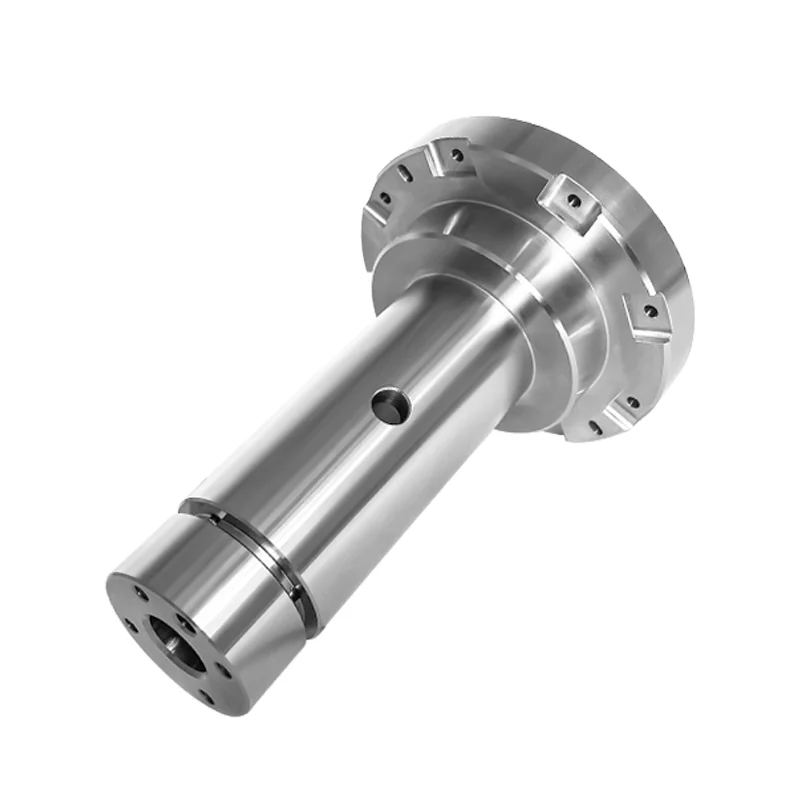
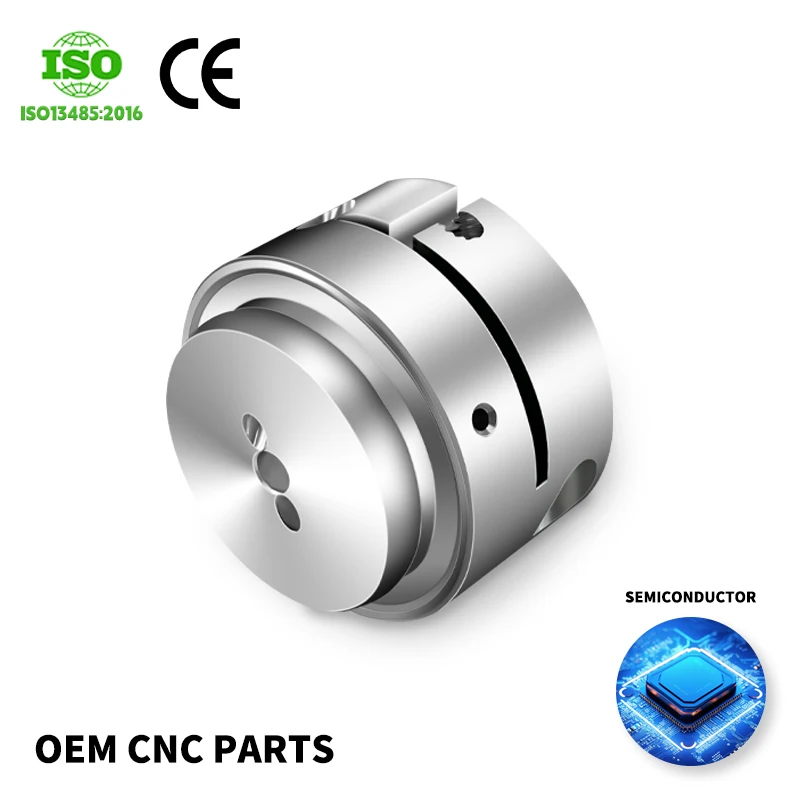
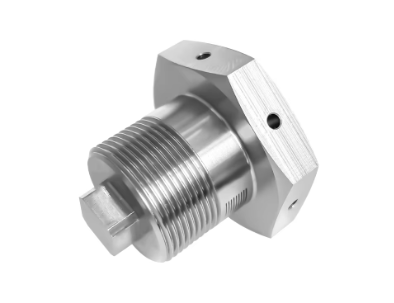
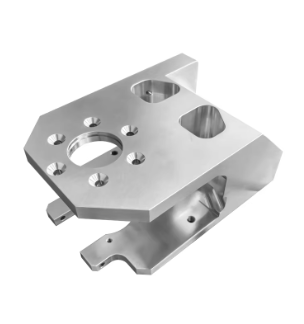
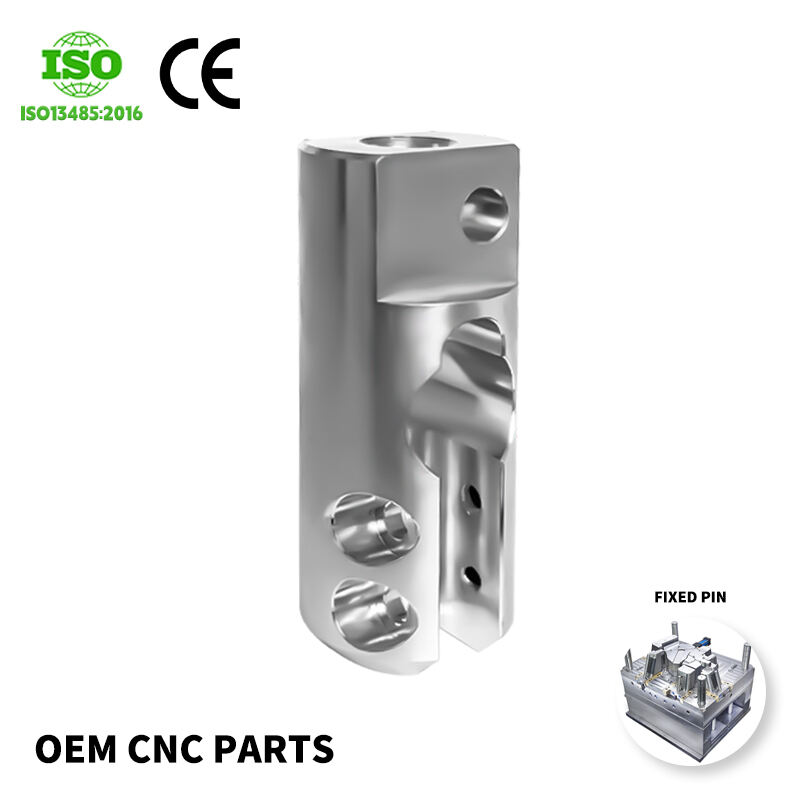
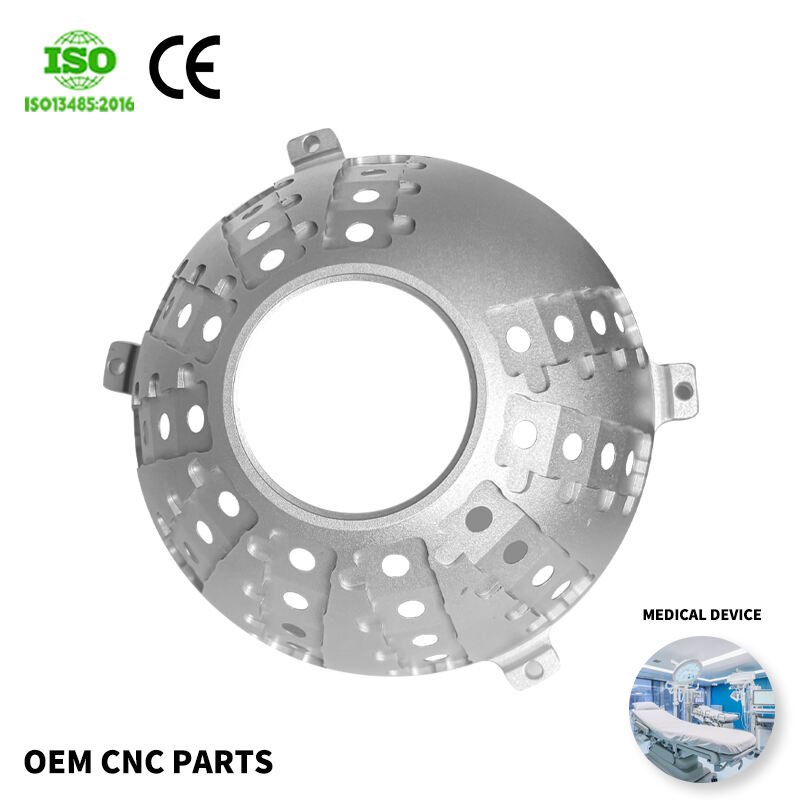
CNC medical parts represent a crucial advancement in modern healthcare manufacturing, combining precision engineering with medical-grade materials to produce essential components for medical devices and equipment. These parts are manufactured using Computer Numerical Control (CNC) technology, ensuring exceptional accuracy and consistency in every production run. The manufacturing process involves sophisticated computer-controlled machinery that can achieve tolerances as precise as 0.001 inches, making them ideal for critical medical applications. CNC medical parts encompass a wide range of components, from surgical instruments and implants to diagnostic equipment parts and medical device housings. These components are typically crafted from biocompatible materials such as titanium, stainless steel, and medical-grade plastics, ensuring both durability and safety for patient use. The manufacturing process adheres to strict regulatory standards, including ISO 13485 certification and FDA requirements, guaranteeing the highest quality and reliability in medical applications. Modern CNC technology enables complex geometries and intricate designs that would be impossible to achieve through traditional manufacturing methods, allowing for innovative medical solutions and improved patient outcomes.

New Products

CNC medical parts offer numerous compelling advantages that make them indispensable in modern healthcare manufacturing. First and foremost, the precision and repeatability of CNC machining ensure consistent quality across all produced parts, reducing the risk of manufacturing defects and ensuring patient safety. The automated nature of CNC production significantly reduces human error while maintaining high production efficiency. These parts can be manufactured with complex geometries and tight tolerances, essential for medical applications where precision is paramount. The ability to use various medical-grade materials provides flexibility in design and application, allowing manufacturers to choose the most suitable material for specific medical requirements. CNC machining also offers excellent surface finish quality, reducing the need for secondary finishing operations and ensuring smooth, biocompatible surfaces. The digital nature of CNC manufacturing enables quick modifications to designs and rapid prototyping capabilities, accelerating the development of new medical devices and components. Cost-effectiveness is achieved through minimal material waste and the ability to produce parts in various quantities without significant tooling changes. The process also ensures traceability and documentation compliance, crucial for medical device regulatory requirements. Additionally, CNC machining provides excellent repeatability, ensuring that replacement parts match original specifications perfectly, which is essential for maintaining medical device reliability and performance over time.

Latest News

How Can Machining Services Improve the Precisionof Your Parts?

22

Aug

How Can Machining Services Improve the Precisionof Your Parts?

How Can Machining Services Improve the Precision of Your Parts? Introduction to Machining Services and Precision Modern industries are built on the ability to create highly accurate and reliable parts that function flawlessly in demanding environme...
View More
Turning, Milling, 5-Axis & Wire Cutting: What Are the Differences in CNC Machining

21

Oct

Turning, Milling, 5-Axis & Wire Cutting: What Are the Differences in CNC Machining

Understanding Modern CNC Machining Processes and Their Unique Capabilities CNC machining has revolutionized the manufacturing industry by offering unprecedented precision, consistency, and efficiency in creating complex parts. As technology advances,...
View More
Which CNC Machining Technique Offers the Best Balance of Precision and Cost Efficiency

21

Oct

Which CNC Machining Technique Offers the Best Balance of Precision and Cost Efficiency

Understanding Modern CNC Machining Solutions for Optimal Manufacturing Results The manufacturing industry continually evolves with advanced technologies, and CNC machining techniques stand at the forefront of this evolution. As businesses seek to opt...
View More
What Factors Influence Tolerance Accuracy in CNC Milling and Turning?

05

Nov

What Factors Influence Tolerance Accuracy in CNC Milling and Turning?

Understanding Precision Engineering in Modern Manufacturing In the realm of advanced manufacturing, tolerance accuracy stands as a critical benchmark that determines the quality and functionality of machined parts. The intricate dance between machine...
View More

Get a Free Quote

Our representative will contact you soon.
Email
Name
Company Name
Message
0/1000

cnc medical parts

Precision Engineering and Quality Assurance

Precision Engineering and Quality Assurance

CNC medical parts manufacturing exemplifies the pinnacle of precision engineering in the healthcare industry. The advanced computer-controlled machinery operates with microscopic accuracy, consistently achieving tolerances as tight as 0.001 inches. This exceptional precision is maintained throughout the entire production run, ensuring that every component meets exact specifications. Quality assurance is built into every step of the manufacturing process, with integrated measurement and verification systems that constantly monitor production parameters. Each part undergoes rigorous inspection protocols, including dimensional verification, material certification, and surface finish analysis. This comprehensive quality control system ensures compliance with medical industry standards and regulations, providing healthcare professionals with reliable, high-performance components that meet or exceed safety requirements.
Material Versatility and Biocompatibility

Material Versatility and Biocompatibility

The manufacturing of CNC medical parts encompasses an extensive range of medical-grade materials, each carefully selected for specific applications. This versatility allows for the production of components that meet diverse medical requirements, from surgical instruments requiring exceptional durability to implants needing biocompatibility. Materials such as medical-grade titanium, stainless steel, and various polymers can be precisely machined to create components that resist corrosion, maintain structural integrity, and ensure patient safety. The ability to work with these specialized materials, combined with precise machining capabilities, enables the creation of complex medical devices that can withstand sterilization processes while maintaining their functional properties throughout their intended lifecycle.
Regulatory Compliance and Documentation

Regulatory Compliance and Documentation

CNC medical parts manufacturing operates within a robust regulatory framework that ensures consistent quality and safety standards. Every aspect of production is documented and traceable, from raw material certification to final inspection reports. This comprehensive documentation system supports compliance with FDA requirements, ISO 13485 standards, and other relevant medical device regulations. The manufacturing process includes validated procedures, equipment calibration records, and detailed quality control protocols. This meticulous approach to documentation and compliance provides healthcare providers with confidence in the reliability and safety of CNC-manufactured medical components, while also facilitating regulatory audits and product certifications.

Get a Free Quote

Our representative will contact you soon.
Email
Name
Company Name
Message
0/1000

Copyright © 2025 China Shanghai Raycool Industrial Co., Ltd. All rights reserved  -  Privacy policy