
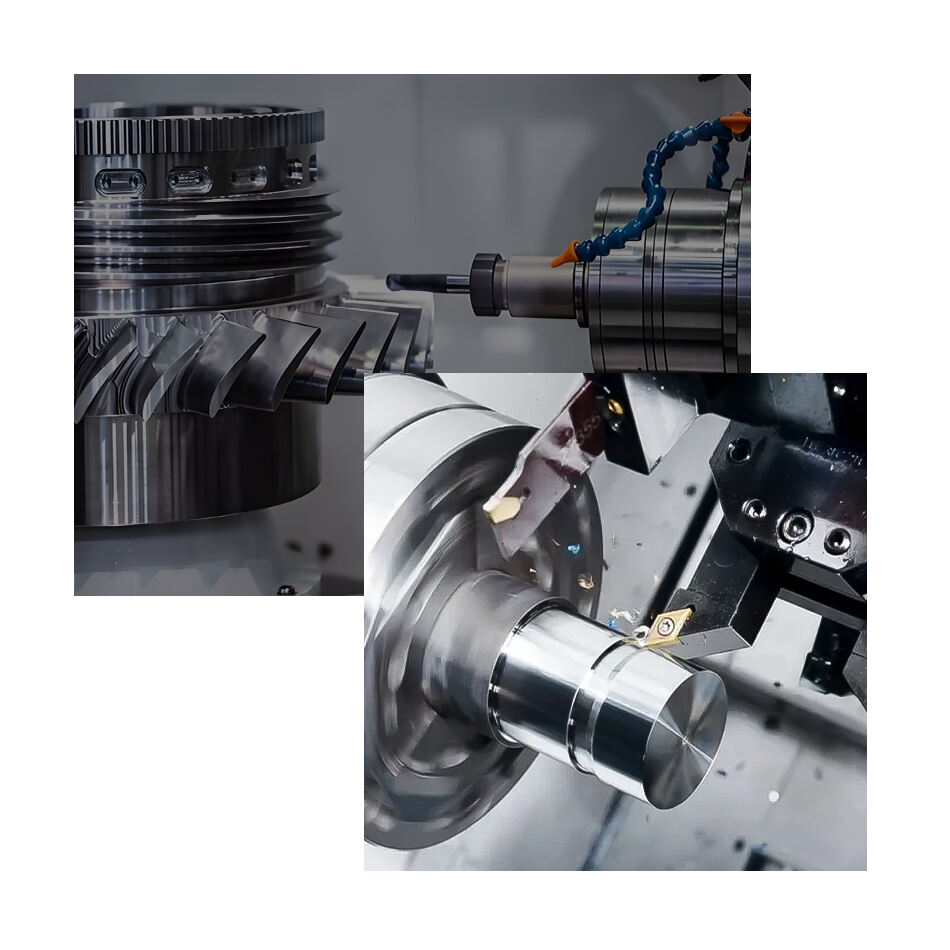
Implementing CNC Precision Parts in Your Production Process
Introduction to CNC Precision Parts
In modern manufacturing, CNC Precision Parts have become essential for companies striving for consistent accuracy, stability, and repeatability in their production systems. As industries continue shifting toward higher performance and tighter tolerances, CNC Precision Parts offer a strategic advantage by ensuring every component meets strict industrial standards. From automotive and aerospace sectors to electronics, machinery, and medical equipment, CNC Precision Parts play a significant role in ensuring proper functionality and product reliability. Their integration into a production line can elevate efficiency, reduce waste, and enhance long-term operational stability.
CNC Precision Parts are produced through advanced machining processes such as milling, turning, grinding, and EDM, allowing manufacturers to achieve exact geometries and surface qualities. High-end manufacturing increasingly requires components with consistent dimensional accuracy, and these parts meet that demand. Many companies are now choosing CNC Precision Parts not only for performance but also for the flexibility to adapt to custom design needs. As businesses integrate these parts into their operations, understanding their capabilities becomes a key factor in maximizing production potential.
Benefits of Using CNC Precision Parts
Enhanced Production Accuracy
CNC Precision Parts are engineered to deliver superior accuracy with tight tolerances, ensuring each component conforms to exact specifications. This accuracy significantly reduces the possibility of assembly failure, rework, or material waste, ultimately improving production stability.
Improved Product Consistency
Consistency is essential in all industrial applications, and CNC Precision Parts enable manufacturers to produce identical parts across multiple batches. This consistency helps maintain brand reliability and supports long-term quality control goals.
Choosing CNC Precision Parts for Different Industries
Applications in High-Performance Machinery
High-performance machinery relies on precise components to maintain smooth operation. CNC Precision Parts can be customized for strength, durability, and structural stability, making them suitable for demanding conditions.
Integration in Electronics and Automation
Electronics manufacturers depend on fine tolerances and reliable surface finishes. CNC Precision Parts allow for intricate designs that support micro-assembly, automation equipment, and compact device structures.
Key Material Considerations for CNC Precision Parts
Metals for Strength and Durability
Materials such as aluminum, stainless steel, titanium, and brass are commonly used in CNC Precision Parts due to their mechanical strength. These metals offer high durability and maintain shape stability even in extreme production environments.
Engineering Plastics for Lightweight Structures
Engineering plastics provide an excellent alternative for lightweight, corrosion-resistant components. CNC Precision Parts made from PEEK, ABS, and nylon support special applications requiring insulation or chemical resistance.
Integrating CNC Precision Parts Into Production Workflows
Planning for Component Compatibility
Before implementing CNC Precision Parts, manufacturers must ensure compatibility with existing systems. Evaluating design dimensions, assembly points, and mechanical fit helps create a smoother transition into the production line.
Adjusting Process Workflow for Improved Efficiency
Introducing CNC Precision Parts may require minor workflow adjustments. Fine-tuning the assembly sequence or optimizing machine settings can significantly enhance productivity and operational speed.
Quality Control Measures for CNC Precision Parts
Dimensional Inspection and Tolerance Testing
Accurate measurement tools help verify that CNC Precision Parts meet tight tolerances. Regular inspections reduce quality issues and support consistent performance.
Surface Finish Evaluation
Surface finish is critical for mechanical motion, sealing, and aesthetics. Assessing the surface quality of CNC Precision Parts ensures proper functionality and reduces wear in long-term use.
Cost Optimization When Using CNC Precision Parts
Reducing Waste Through Precision Machining
CNC machining processes generate less waste due to precise cutting paths. CNC Precision Parts help lower costs by maximizing material utilization and reducing scrap rates.
Long-Term Savings Through Increased Longevity
CNC Precision Parts typically have a longer lifespan due to superior quality and material strength. This longevity reduces replacement frequency and lowers maintenance expenses.
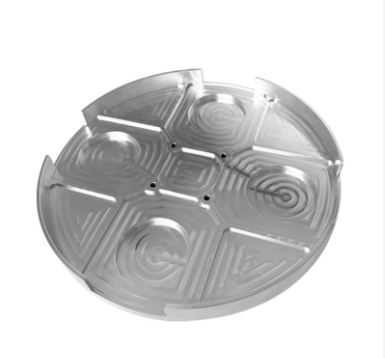
Customization Capabilities of CNC Precision Parts
Tailored Designs for Industry-Specific Needs
CNC Precision Parts can be fully customized to meet special operational requirements. Custom geometries, tailored materials, and reinforced structures make them adaptable to many sectors.
Surface Treatment and Finishing Options
Surface treatments such as anodizing, plating, polishing, or coating further enhance the functionality and appearance of CNC Precision Parts, providing additional environmental or mechanical protection.
Challenges and Solutions in Implementing CNC Precision Parts
Addressing Design Complexity
As product requirements grow more complex, CNC Precision Parts must evolve to meet intricate design expectations. Early-stage collaboration between engineers and machinists can resolve potential issues before production begins.
Ensuring Supply Chain Reliability
Stable supply chains are essential for reliable production. Choosing trustworthy CNC Precision Parts suppliers helps ensure consistent quality and timely delivery, reducing production delays.
Future Trends in CNC Precision Parts
Advancements in Smart Machining
Smart manufacturing technologies are transforming how CNC Precision Parts are produced. Automation, AI-assisted machining, and IoT-integrated processes will allow faster production with even higher accuracy levels.
Expansion of Multimaterial Machining
Future developments will focus on machining advanced composites and hybrid materials. CNC Precision Parts made from high-performance materials will create new possibilities for industrial applications.
Best Practices for Implementing CNC Precision Parts in Production
Collaboration With Skilled Engineering Teams
Working with experienced engineers ensures seamless integration of CNC Precision Parts into your operating system. Their expertise provides insights into design feasibility and production efficiency.
Continuous Improvement and Process Monitoring
Monitoring CNC Precision Parts performance over time allows businesses to identify improvement opportunities. Continuous evaluation enhances production quality and operational results.
FAQ
Frequently Asked Questions
What materials are commonly used for CNC Precision Parts
CNC Precision Parts are often produced using aluminum, stainless steel, titanium, brass, and various engineering plastics depending on application needs.
What industries rely heavily on CNC Precision Parts
Industries such as automotive, aerospace, electronics, medical device manufacturing, automation, and heavy machinery rely on CNC Precision Parts.
How do CNC Precision Parts help reduce costs
CNC Precision Parts reduce waste, minimize rework, enhance consistency, and provide long-term durability, which collectively lowers overall production costs.
What is the lead time for producing CNC Precision Parts
Lead time depends on complexity, material availability, and order volume, but CNC processes generally allow faster production compared to traditional machining.
Table of Contents
- Introduction to CNC Precision Parts
- Benefits of Using CNC Precision Parts
- Choosing CNC Precision Parts for Different Industries
- Key Material Considerations for CNC Precision Parts
- Integrating CNC Precision Parts Into Production Workflows
- Quality Control Measures for CNC Precision Parts
- Cost Optimization When Using CNC Precision Parts
- Customization Capabilities of CNC Precision Parts
- Challenges and Solutions in Implementing CNC Precision Parts
- Future Trends in CNC Precision Parts
- Best Practices for Implementing CNC Precision Parts in Production
- FAQ
- Frequently Asked Questions