
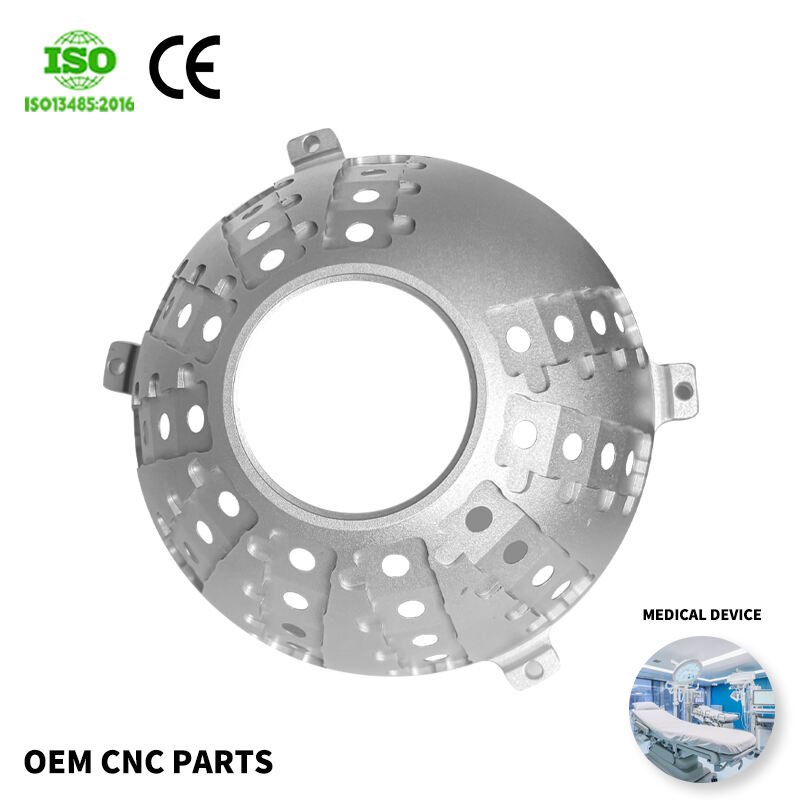
Modern manufacturing demands exceptional precision, particularly when working with aluminum components that require tight tolerances and superior surface finishes. The aluminum CNC fabrication process has evolved dramatically over recent years, incorporating advanced technologies and methodologies that enable manufacturers to achieve remarkable levels of accuracy and consistency. Understanding the intricacies of surface finish control and tolerance management is essential for engineers, procurement professionals, and quality assurance teams working in semiconductor, aerospace, and precision instrumentation industries where even microscopic deviations can compromise product performance.
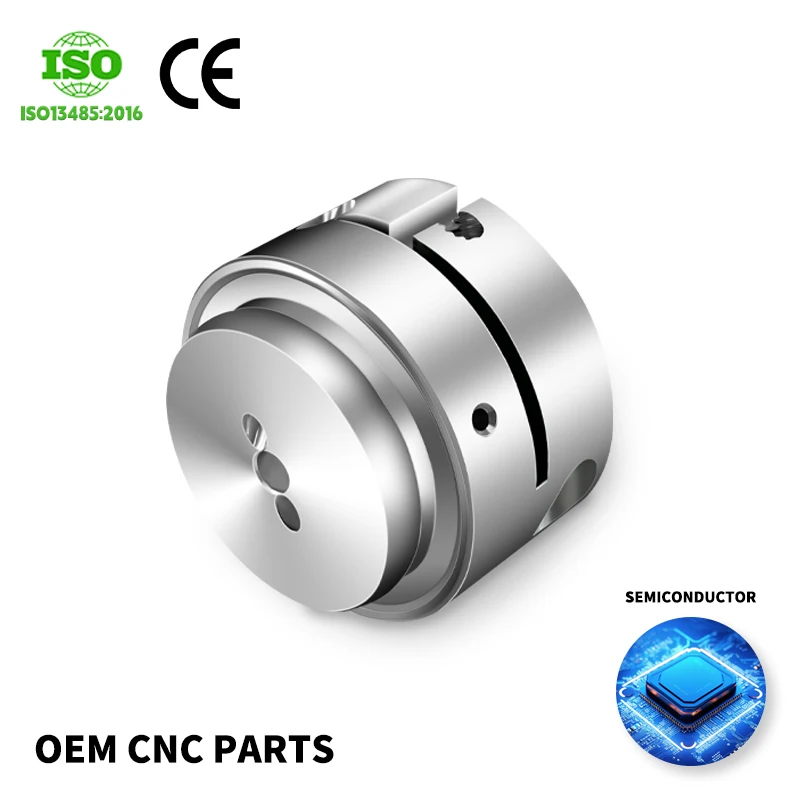
The pursuit of optimal surface finish and dimensional accuracy in aluminum machining requires a comprehensive understanding of material properties, cutting dynamics, and process optimization strategies. Aluminum alloys present unique challenges due to their tendency to produce built-up edge formation, work hardening characteristics, and thermal expansion properties that can significantly impact final part quality. Modern CNC facilities must implement sophisticated process control measures, advanced tooling solutions, and rigorous quality management systems to consistently deliver components that meet increasingly stringent specifications across diverse industrial applications.
Understanding Aluminum Properties in CNC Machining
Material Characteristics and Machinability Factors
Aluminum exhibits exceptional machinability characteristics that make it an ideal candidate for precision CNC operations, particularly when proper cutting parameters and tool selection strategies are implemented. The material's relatively low melting point, excellent thermal conductivity, and favorable strength-to-weight ratio contribute to its widespread adoption across industries requiring lightweight yet durable components. However, aluminum's tendency to form built-up edge during machining operations can significantly impact surface finish quality if not properly managed through appropriate cutting speeds, feed rates, and coolant application techniques.
The crystal structure and alloying elements present in different aluminum grades directly influence machining behavior and achievable surface finish characteristics. Pure aluminum and low-alloy compositions generally machine more readily than high-strength variants containing silicon, copper, or zinc additions that can create abrasive conditions and accelerated tool wear. Understanding these material properties enables CNC programmers to optimize cutting parameters, select appropriate tooling geometries, and implement process controls that consistently deliver superior surface finish quality while maintaining dimensional accuracy requirements.
Thermal Management and Dimensional Stability
Effective thermal management during aluminum CNC fabrication is crucial for maintaining dimensional accuracy and preventing thermal expansion-induced tolerance deviations. Aluminum's high coefficient of thermal expansion means that temperature fluctuations during machining can cause significant dimensional changes that compromise final part accuracy. Modern CNC facilities implement sophisticated temperature control systems, including climate-controlled machining environments, thermal compensation algorithms, and real-time monitoring systems that adjust cutting parameters based on thermal conditions.
Coolant selection and application methods play a vital role in thermal management during precision aluminum machining operations. High-performance cutting fluids not only remove heat from the cutting zone but also provide lubrication that reduces friction-induced temperature generation and improves surface finish quality. Advanced coolant delivery systems, including through-tool cooling and high-pressure flooding techniques, ensure consistent thermal conditions throughout the machining process while preventing chip welding and built-up edge formation that can degrade surface finish characteristics.
Advanced Surface Finish Control Techniques
Cutting Tool Selection and Optimization
Selecting appropriate cutting tools for aluminum CNC fabrication requires careful consideration of geometry, coating, and substrate materials that optimize performance for specific surface finish requirements. Sharp cutting edges with positive rake angles minimize cutting forces and reduce the tendency for material adhesion that can compromise surface quality. Polycrystalline diamond tools offer exceptional surface finish capabilities for aluminum machining, providing mirror-like finishes while maintaining excellent dimensional accuracy over extended production runs.
Tool coating technologies have advanced significantly, with specialized coatings designed specifically for aluminum machining applications that prevent material buildup while providing extended tool life. Diamond-like carbon coatings and advanced PVD treatments reduce friction coefficients and prevent aluminum adhesion that can cause surface defects and dimensional variations. Proper tool selection combined with optimized cutting parameters enables aluminum CNC fabrication operations to achieve surface roughness values below 0.1 micrometers while maintaining tight tolerances across complex geometries.
Process Parameter Optimization
Achieving optimal surface finish in aluminum CNC fabrication requires precise control of cutting parameters including spindle speed, feed rate, depth of cut, and tool path strategies. High-speed machining approaches often produce superior surface finishes by minimizing cutting force variations and reducing vibration-induced surface irregularities. However, parameter optimization must balance surface finish requirements with productivity considerations and tool life expectations to ensure economically viable production processes.
Advanced CAM programming techniques enable sophisticated tool path optimization that minimizes surface finish variations across complex part geometries. Trochoidal milling strategies, adaptive clearing algorithms, and constant surface speed programming help maintain consistent cutting conditions that produce uniform surface characteristics. These programming approaches become particularly important when machining thin-walled aluminum components where vibration control and heat management are critical for achieving specified surface finish and tolerance requirements.
Precision Tolerance Achievement Strategies
Machine Tool Capabilities and Setup Procedures
Modern CNC machine tools incorporate advanced positioning systems, thermal compensation capabilities, and vibration dampening technologies that enable consistent achievement of tight tolerances in aluminum fabrication operations. Multi-axis machining centers with linear motor drives and glass scale feedback systems provide positioning accuracies within micrometers while maintaining excellent repeatability across production runs. Proper machine setup procedures, including workholding optimization, tool presetting, and thermal stabilization protocols, are essential for realizing these precision capabilities in actual production environments.
Workholding system design significantly influences achievable tolerance levels in aluminum CNC fabrication by controlling part deflection, vibration transmission, and thermal expansion effects. Low-profile vises, custom fixtures with strategic support points, and vacuum workholding systems minimize clamping-induced distortion while providing secure part retention throughout machining operations. Advanced workholding solutions incorporate features like thermal expansion compensation and vibration dampening materials that further enhance dimensional accuracy capabilities.
Quality Control and Measurement Systems
Implementing comprehensive quality control systems is essential for consistently achieving specified tolerances in aluminum CNC fabrication operations. Coordinate measuring machines with sub-micron accuracy capabilities enable detailed dimensional verification while optical measurement systems provide rapid surface finish assessment and geometric tolerance evaluation. In-process measurement technologies, including touch probes and laser measurement systems, allow real-time process monitoring and automatic compensation for tool wear and thermal effects.
Statistical process control methodologies provide valuable insights into process capability and help identify potential sources of dimensional variation in aluminum CNC fabrication operations. Control charting techniques, capability studies, and correlation analysis help optimize process parameters while ensuring consistent quality delivery. Advanced quality management systems integrate measurement data with process parameters to enable predictive quality control and proactive process adjustments that maintain tolerance compliance throughout production runs.
Industry Applications and Requirements
Semiconductor Industry Specifications
The semiconductor industry imposes extremely stringent requirements on aluminum CNC fabrication, demanding sub-micron tolerances and exceptional surface finish quality for components used in wafer processing equipment and precision instrumentation. Particle contamination control becomes critical, requiring specialized machining environments with filtered air systems and contamination-free handling procedures. Surface finish specifications often require mirror-like qualities with roughness values below 0.05 micrometers to prevent particle generation and ensure optimal performance in cleanroom environments.
Material purity and traceability requirements in semiconductor applications necessitate careful selection of aluminum alloys and verification of chemical composition throughout the supply chain. Heat treatment specifications and stress relief procedures may be required to ensure dimensional stability over the component's operational life. These demanding requirements drive continuous innovation in aluminum CNC fabrication techniques and quality control methodologies that push the boundaries of manufacturing precision.
Aerospace and Medical Device Applications
Aerospace applications for aluminum CNC fabrication components often require compliance with strict material specifications, dimensional tolerances, and surface finish requirements that ensure safety and performance under extreme operating conditions. Weight optimization considerations drive the need for thin-walled structures with complex geometries that challenge traditional machining approaches. Advanced fixturing strategies, specialized tooling solutions, and optimized cutting parameters become essential for achieving required quality levels while maintaining structural integrity.
Medical device manufacturing presents unique challenges for aluminum CNC fabrication, including biocompatibility requirements, surface finish specifications that facilitate sterilization procedures, and dimensional accuracy demands that ensure proper fit and function. Regulatory compliance considerations require extensive documentation of manufacturing processes, material certifications, and quality control procedures. These stringent requirements drive the adoption of advanced manufacturing technologies and quality management systems that ensure consistent delivery of compliant components.
FAQ
What surface roughness values are typically achievable in aluminum CNC fabrication?
Modern aluminum CNC fabrication operations can consistently achieve surface roughness values ranging from 0.1 to 0.8 micrometers Ra, depending on machining parameters, tooling selection, and part geometry complexity. With optimized cutting conditions, specialized tooling, and proper process control, surface roughness values below 0.05 micrometers are achievable for critical applications requiring mirror-like finishes. The specific achievable roughness depends on factors including aluminum alloy composition, cutting tool condition, machine tool capabilities, and environmental conditions during machining operations.
How do thermal effects impact tolerance achievement in aluminum machining?
Thermal effects can significantly impact dimensional accuracy in aluminum CNC fabrication due to the material's high coefficient of thermal expansion, which is approximately three times that of steel. Temperature variations of just a few degrees can cause dimensional changes that exceed tight tolerance requirements. Modern CNC operations address these challenges through climate-controlled machining environments, thermal compensation algorithms, effective coolant systems, and proper heat treatment procedures that minimize thermal-induced dimensional variations throughout the manufacturing process.
What are the key considerations for selecting cutting tools for precision aluminum machining?
Cutting tool selection for precision aluminum CNC fabrication should prioritize sharp cutting edges, positive rake angles, and appropriate coating systems that prevent aluminum adhesion. Polycrystalline diamond tools offer exceptional performance for finishing operations, while carbide tools with specialized coatings work well for roughing applications. Tool geometry considerations include helix angle optimization for chip evacuation, edge preparation for minimizing built-up edge formation, and substrate selection that provides adequate strength while maintaining sharp cutting characteristics essential for superior surface finish achievement.
How can manufacturers ensure consistent quality in high-volume aluminum CNC production?
Consistent quality in high-volume aluminum CNC fabrication requires implementing comprehensive process control systems that monitor cutting parameters, tool condition, and dimensional accuracy throughout production runs. Statistical process control methodologies help identify process variations before they impact product quality, while automated measurement systems provide real-time feedback for process adjustments. Preventive maintenance schedules, tool life management programs, and environmental control systems ensure stable operating conditions that support consistent quality delivery across extended production volumes while meeting demanding tolerance and surface finish specifications.
Table of Contents
- Understanding Aluminum Properties in CNC Machining
- Advanced Surface Finish Control Techniques
- Precision Tolerance Achievement Strategies
- Industry Applications and Requirements
-
FAQ
- What surface roughness values are typically achievable in aluminum CNC fabrication?
- How do thermal effects impact tolerance achievement in aluminum machining?
- What are the key considerations for selecting cutting tools for precision aluminum machining?
- How can manufacturers ensure consistent quality in high-volume aluminum CNC production?