
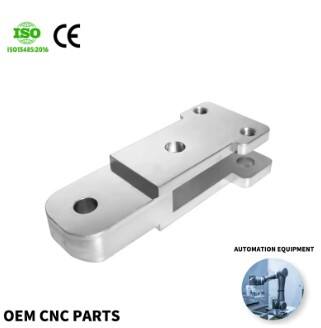
Top 10 Questions to Ask About CNC Parts Machining
Overview of CNC Parts Machining
CNC Parts Machining has become one of the most important pillars of modern manufacturing, supporting industries that require advanced accuracy, stability, durability, and scalability. As companies move toward more complex engineering standards, CNC Parts Machining delivers the precision necessary to produce components that meet strict operational demands. Whether used in machinery, electronics, aerospace, automotive systems, medical equipment, or industrial automation, CNC Parts Machining allows manufacturers to create designs that were once impossible using traditional methods. The integration of CNC Parts Machining also improves production consistency, reduces material waste, and enhances the lifespan of industrial components.
Quality and reliability are the primary reasons businesses choose CNC Parts Machining for their product lines. With advanced computer-controlled cutting tools, the machining process ensures every part meets exact dimensional and functional requirements. Customization options extend even further, allowing companies to tailor CNC components to specific performance goals. As manufacturing evolves toward higher automation and greater flexibility, CNC Parts Machining provides an essential foundation for long-term production competitiveness.
Important Considerations for CNC Parts Machining
Accuracy and Tolerance Requirements
Precision is a defining characteristic of CNC Parts Machining, making it essential to understand tolerance expectations. High accuracy ensures each part fits perfectly within the assembly.
Performance Stability Under Operating Conditions
Components produced through CNC Parts Machining must maintain stability under various conditions such as high pressure, vibration, or temperature fluctuations.
Materials Suitable for CNC Parts Machining
Metal Materials for Strength and Durability
CNC Parts Machining commonly uses aluminum, stainless steel, brass, titanium, and steel alloys to achieve strong structural properties and long service life.
Engineering Plastics for Lightweight and Specialty Use
Materials such as PEEK, nylon, and ABS provide options for lightweight, corrosion-resistant, or electrically insulated CNC Parts Machining applications.
Capabilities of Modern CNC Parts Machining
Complex Geometry Production
CNC Parts Machining allows manufacturers to create complex shapes, multi-axis contours, and intricate features that manual machining cannot achieve.
Consistency Across Large Production Batches
By relying on digital control, CNC Parts Machining ensures that every produced piece maintains consistent dimensions and quality across batch runs.
Cost Factors in CNC Parts Machining
Cost Impact of Material Choices
Different materials affect machining speed, tool wear, and processing difficulty, which contributes to overall CNC Parts Machining cost.
Influence of Part Design Complexity
More intricate designs may require longer machining times or specialized tooling, increasing production costs for CNC Parts Machining.
Quality Control in CNC Parts Machining
Dimensional Testing and Inspection
Consistent measuring procedures ensure CNC Parts Machining meets required accuracy before components move into assembly stages.
Surface Finish Verification
Surface quality influences friction, movement, sealing, and long-term component durability, making finish inspection essential.
Customization Advantages in CNC Parts Machining
Tailored Specifications for Unique Applications
CNC Parts Machining makes it possible to modify structural design, dimensions, and performance features according to special industrial needs.
Integration With Advanced System Requirements
Customized CNC components improve compatibility with specialized machines, ensuring improved operational performance.
Production Efficiency Improvements From CNC Parts Machining
Reduced Rework and Scrap Rates
The precision of CNC Parts Machining lowers error rates and reduces the need for rework, saving time and raw material.
Faster Assembly Through Accurate Fit
Well-machined parts improve assembly efficiency by eliminating alignment issues and minimizing manual adjustment.
Industry Applications of CNC Parts Machining
Use in Machinery and Heavy Equipment
CNC Parts Machining provides structural strength and operational stability for equipment that must function under demanding loads.
Support for Electronics and High-Tech Devices
The compact and detailed nature of electronics demands precise CNC machining to ensure reliability in micro-assemblies and automated equipment.
Future Trends Impacting CNC Parts Machining
Advancements in Smart Manufacturing
Automation, real-time monitoring, and AI-assisted machining continue to transform CNC Parts Machining, allowing improved speed, accuracy, and reliability.
Expansion of Advanced Materials
New hybrid materials, composites, and high-performance alloys are creating new possibilities for CNC Parts Machining across emerging industries.
Best Practices for Implementing CNC Parts Machining
Collaboration With Skilled Engineering Teams
Working with experienced engineers helps ensure CNC designs are practical, efficient, and optimized for machining.
Continuous Evaluation and Process Optimization
Regular performance reviews and machining adjustments help achieve long-term improvements in CNC component quality.
FAQ
Frequently Asked Questions
What materials are commonly used in CNC Parts Machining
Common options include aluminum, stainless steel, titanium, brass, steel alloys, and engineering plastics depending on application requirements.
How does CNC Parts Machining improve production efficiency
It reduces rework, enhances precision, increases output consistency, and streamlines assembly through accurate component fit.
What factors influence the cost of CNC Parts Machining
Material selection, design complexity, tolerance levels, machining time, and finishing requirements all impact the overall cost.
Which industries rely heavily on CNC Parts Machining
Industries such as aerospace, automotive, machinery, medical devices, automation, and electronics depend on CNC machining for reliable component production.
Table of Contents
- Overview of CNC Parts Machining
- Important Considerations for CNC Parts Machining
- Materials Suitable for CNC Parts Machining
- Capabilities of Modern CNC Parts Machining
- Cost Factors in CNC Parts Machining
- Quality Control in CNC Parts Machining
- Customization Advantages in CNC Parts Machining
- Production Efficiency Improvements From CNC Parts Machining
- Industry Applications of CNC Parts Machining
- Future Trends Impacting CNC Parts Machining
- Best Practices for Implementing CNC Parts Machining
- FAQ
- Frequently Asked Questions