
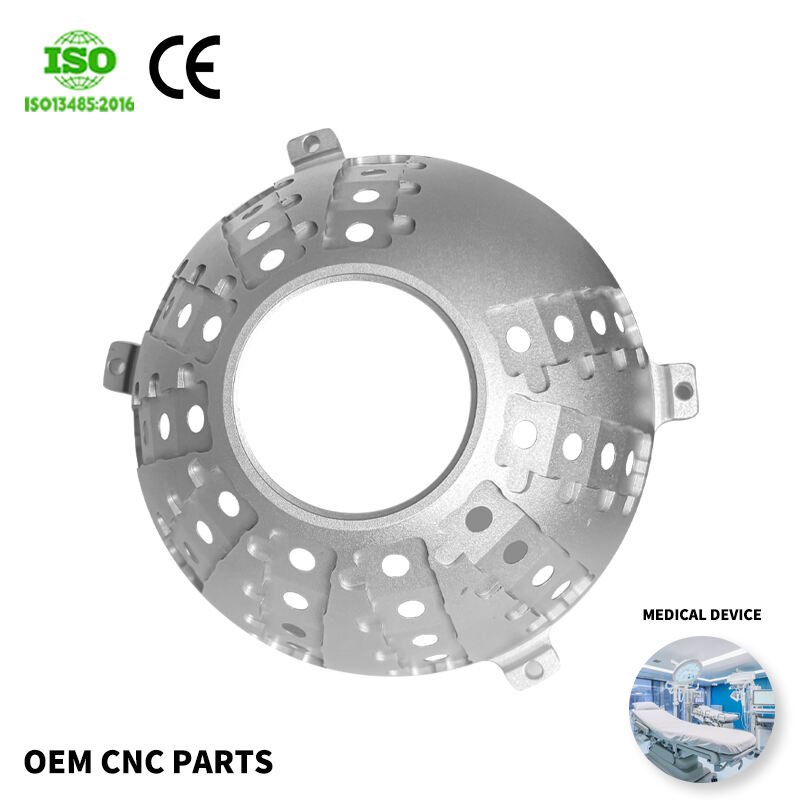
Die Auswahl des richtigen Werkstoffs für die Herstellung von Bauteilen erfordert die sorgfältige Berücksichtigung mehrerer Faktoren, einschließlich mechanischer Eigenschaften, Umweltbedingungen, Kostenbeschränkungen und spezifischer Anwendungsanforderungen. Materialanpassung ist in der modernen Fertigung immer wichtiger geworden, da die Industrien spezialisierte Lösungen verlangen, die exakte Spezifikationen erfüllen. Das Verständnis der einzigartigen Eigenschaften von Aluminium, Edelstahl, Titan, Kupfer und Kunststoff ermöglicht es Ingenieuren und Einkaufsprofis, fundierte Entscheidungen zu treffen, die Leistung und Wirtschaftlichkeit optimieren.
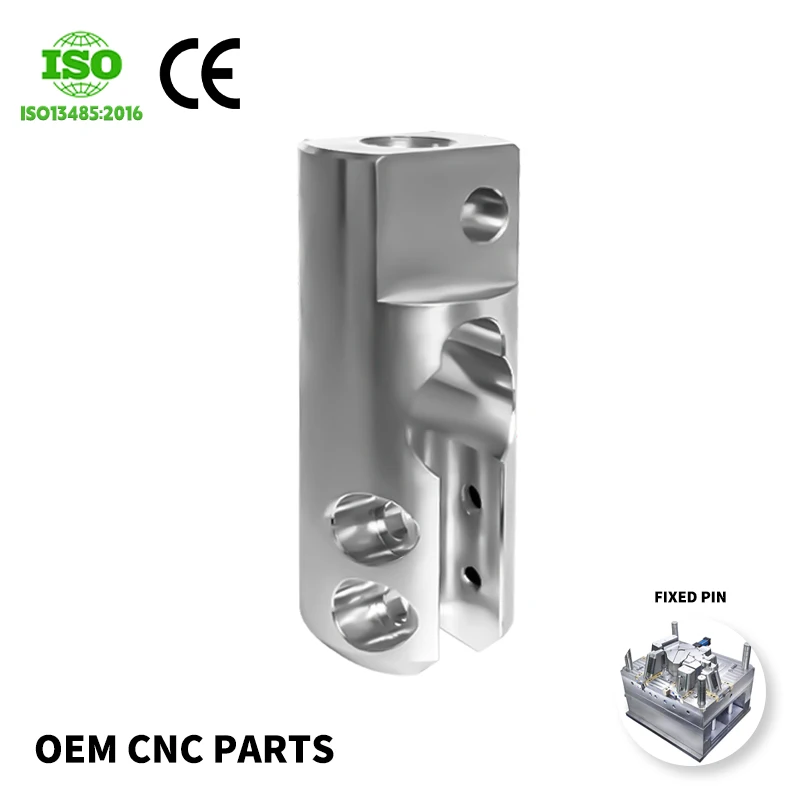
Jedes Material bringt spezifische Vorteile und Einschränkungen mit sich, die im Hinblick auf die Anforderungen des Projekts bewertet werden müssen. Der Auswahlprozess umfasst die Analyse von Festigkeits-Gewichts-Verhältnissen, Korrosionsbeständigkeit, thermischen Eigenschaften, Bearbeitbarkeit und Langzeitdauerhaftigkeit. Moderne Fertigungstechniken wie CNC-Bearbeitung, additive Fertigung und Präzisionsumformen haben die Möglichkeiten für materialanpassung erweitert und ermöglichen komplexe Geometrien und enge Toleranzen bei verschiedenen Materialtypen.
Eigenschaften und Anwendungen von Aluminiummaterialien
Leichte Festigkeitseigenschaften
Aluminium bietet ein außergewöhnliches Verhältnis von Festigkeit zu Gewicht, wodurch es ideal für Anwendungen in der Luft- und Raumfahrt, im Automobilbau und in der Unterhaltungselektronik ist. Die Dichte des Materials von etwa 2,7 g/cm³ ermöglicht erhebliche Gewichtseinsparungen im Vergleich zu Stahl, während die strukturelle Integrität erhalten bleibt. Aluminiumlegierungen können Zugfestigkeiten von 70 MPa für reines Aluminium bis über 700 MPa für wärmebehandelte Sorten für die Luftfahrt erreichen. Die hervorragende Umformbarkeit des Materials ermöglicht komplexe Formen und anspruchsvolle Designs durch verschiedene Fertigungsverfahren.
Die natürliche Oxidschicht, die sich auf Aluminiumoberflächen bildet, bietet in vielen Umgebungen eine inhärente Korrosionsbeständigkeit. Dieser passive Schutz macht zusätzliche Beschichtungen bei zahlreichen Anwendungen überflüssig und reduziert sowohl Kosten als auch Wartungsanforderungen. Die thermische Leitfähigkeit des Materials macht Aluminium besonders geeignet für Wärmeableitungsanwendungen wie elektronische Gehäuse, Kühlkörper und HVAC-Komponenten. Die nichtmagnetischen Eigenschaften des Materials machen es zudem wertvoll für Anwendungen, bei denen elektromagnetische Störungen minimiert werden müssen.
Herstellungsvielseitigkeit und Kosteneffizienz
Aluminium weist hervorragende Bearbeitungseigenschaften auf, die eine präzise Fertigung mit minimalem Werkzeugverschleiß ermöglichen. Das Material lässt sich leicht schneiden, bohren, fräsen und drehen, wobei herkömmliche Bearbeitungsgeräte verwendet werden können, was es kostengünstig für Prototypen- und Serienfertigung macht. Das Schweißen von Aluminium erfordert spezielle Techniken und Ausrüstung, doch moderne Verfahren wie das WIG- und MIG-Schweißen liefern feste und zuverlässige Verbindungen. Die Möglichkeit zur Eloxierung des Materials bietet zusätzliche Oberflächenbehandlungsoptionen, die sowohl das Aussehen als auch die Korrosionsbeständigkeit verbessern.
Die Recycling von Aluminium erfordert nur 5 % der Energie, die zur Herstellung von Primäraluminium aus Erz benötigt wird, wodurch es eine ökologisch nachhaltige Wahl darstellt. Das Material behält seine Eigenschaften über mehrere Recyclingzyklen hinweg ohne Qualitätsverlust bei und trägt so zu den Grundsätzen der Kreislaufwirtschaft bei. Kostengesichtspunkte sprechen für Aluminium in Anwendungen, bei denen Gewichtsreduzierung betriebliche Vorteile bietet, wie etwa eine verbesserte Kraftstoffeffizienz im Transportwesen oder reduzierte strukturelle Belastung im Bauwesen.
Edelstahl Haltbarkeit und Leistung
Herausragende Korrosionsbeständigkeit
Der Chromgehalt von Edelstahl bildet eine passive Oxidschicht, die hervorragende Korrosionsbeständigkeit unter verschiedenen Umweltbedingungen bietet. Unterschiedliche Edelstahlsorten weisen unterschiedliche Schutzniveaus auf, wobei 316L eine ausgezeichnete Beständigkeit gegenüber chloridhaltigen Umgebungen bietet, während 304 effektiv für allgemeine Anwendungen geeignet ist. Das Material behält seine Schutzeigenschaften auch bei Kratzern oder Beschädigungen bei, da sich die Oxidschicht bei Sauerstoffkontakt natürlicherweise regeneriert. Diese selbstheilende Eigenschaft macht Edelstahl ideal für die Lebensmittelverarbeitung, medizinische Geräte und maritime Anwendungen.
Die Temperaturbeständigkeit von Edelstahl reicht je nach spezifischer Sorte von kryogenen Anwendungen bis hin zu Hochtemperaturumgebungen, die 1000 °C überschreiten. Die austenitische Struktur des Materials in gängigen Sorten bietet hervorragende Zähigkeit bei tiefen Temperaturen, während gleichzeitig die Festigkeit bei erhöhten Temperaturen erhalten bleibt. Durch die Auswahl der Sorte kann das Material angepasst werden, sodass Ingenieure die Leistung für bestimmte Temperaturbereiche und Umweltbedingungen optimieren können.
Mechanische Eigenschaften und Verarbeitung
Edelstahl bietet eine hervorragende Zugfestigkeit, die je nach Sorte und Zustand typischerweise zwischen 515 MPa und über 1000 MPa liegt. Das Material weist gute Duktilität und Umformbarkeit auf, wodurch komplexe Formen durch Stanzen, Umformen und Tiefziehen hergestellt werden können. Die Eigenschaft der Kaltverfestigung ermöglicht eine Steigerung der Festigkeit durch kaltumformende Verfahren und bietet Konstrukteuren Flexibilität bei der Erzielung gewünschter mechanischer Eigenschaften. Das Schweißen von Edelstahl erfordert eine sorgfältige Wärmeführung und geeignete Zusatzwerkstoffe, um die Korrosionsbeständigkeit und mechanischen Eigenschaften beizubehalten.
Oberflächenbearbeitungen, die von Walzhaut bis hin zu Spiegelglanz reichen, erweitern die ästhetischen und funktionalen Anwendungsmöglichkeiten von Edelstahl. Passivierungsbehandlungen verbessern die natürliche Korrosionsbeständigkeit, während verschiedene Beschichtungsoptionen zusätzlichen Schutz in extremen Umgebungen bieten. Die hygienischen Eigenschaften des Materials und die einfache Reinigung machen es unverzichtbar für pharmazeutische, lebensmittelverarbeitende und medizinische Anwendungen, bei denen die Kontaminationskontrolle entscheidend ist.
Titan Hochleistungseigenschaften
Überlegene Festigkeits-zu-Gewicht-Technik
Titan bietet das höchste Festigkeits-zu-Gewichts-Verhältnis unter den üblicherweise verwendeten Konstruktionsmetallen und ist daher für Luft- und Raumfahrt, militärische Anwendungen und Hochleistungsbereiche unverzichtbar. Die Dichte des Materials von 4,5 g/cm³ ist deutlich niedriger als die von Stahl, während es vergleichbare oder überlegene Festigkeitseigenschaften aufweist. Handelsübliche Reintitangüten bieten eine hervorragende Korrosionsbeständigkeit, während Titanlegierungen wie Ti-6Al-4V Zugfestigkeiten von über 1000 MPa erreichen. Die Ermüdungsbeständigkeit und Bruchzähigkeit des Materials machen es für kritische Anwendungen geeignet, bei denen ein Versagen nicht akzeptabel ist.
Die Biokompatibilitätseigenschaften von Titan machen es zum bevorzugten Material für medizinische Implantate und chirurgische Instrumente. Die chemisch inerte Natur des Materials verhindert unerwünschte Reaktionen mit menschlichem Gewebe und bietet gleichzeitig die für tragende Anwendungen erforderliche Festigkeit. Der geringe Wärmeausdehnungskoeffizient von Titan und seine hervorragende Formstabilität gewährleisten Präzision bei Anwendungen, die engste Toleranzen über wechselnde Temperaturbedingungen hinweg erfordern.
Spezielle Herstellungsanforderungen
Die Bearbeitung von Titan erfordert spezialisierte Werkzeuge, Schnittparameter und Kühlsysteme, um die geringe Wärmeleitfähigkeit und die Neigung zur Kaltverfestigung des Materials zu bewältigen. Scharfe Schneidwerkzeuge, geeignete Drehzahlen und Vorschübe sowie Flutkühlung sind entscheidend, um eine akzeptable Standzeit und Oberflächenqualität zu erreichen. Die chemische Reaktivität des Materials bei erhöhten Temperaturen erfordert eine Verarbeitung unter Inertgasatmosphäre für Schweiß- und Wärmebehandlungsverfahren. Fortschrittliche Fertigungstechniken wie das Elektronenstrahlschweißen und die additive Fertigung haben die Möglichkeiten für komplexe Titanbauteile erweitert.
Kostenüberlegungen für Titan spiegeln die überlegenen Leistungsmerkmale des Materials und die speziellen Verarbeitungsanforderungen wider. Obwohl die Anschaffungskosten höher sind als bei Aluminium oder Stahl, rechtfertigen die bessere Leistung und längere Lebensdauer die Investition in kritischen Anwendungen häufig. Die Anpassung von Titanmaterial umfasst typischerweise die Auswahl der Legierung, die Optimierung der Wärmebehandlung und die Spezifizierung von Oberflächenbehandlungen, um die gewünschten Eigenschaften für bestimmte Anwendungen zu erreichen.
Kupfer elektrische und thermische Anwendungen
Hervorragende Leitfähigkeitseigenschaften
Kupfer weist unter den gängigen Metallen die höchste elektrische Leitfähigkeit auf und ist daher für elektrische und elektronische Anwendungen unverzichtbar. Die Leitfähigkeit des Materials von 100 % IACS (International Annealed Copper Standard) dient als Referenz, an der sich andere leitfähige Materialien messen lassen. Die Wärmeleitfähigkeit von Kupfer ermöglicht einen effizienten Wärmetransport in Anwendungen wie Wärmetauschern, Kühlsystemen und Lösungen zur thermischen Management von Elektronik. Die Kombination aus elektrischer und thermischer Leitfähigkeit macht das Material in vielen technischen Anwendungen unersetzlich.
Antimikrobielle Eigenschaften von Kupferoberflächen bieten einen natürlichen Schutz gegen Bakterien, Viren und Pilze, wodurch sie für Anwendungen im Gesundheitswesen, in der Lebensmittelverarbeitung und in öffentlichen Infrastrukturen wertvoll sind. Die Fähigkeit des Materials, Krankheitserreger innerhalb weniger Stunden nach Kontakt abzutöten, hat zu einer verstärkten Nutzung in Berührungsoberflächen und Luftbehandlungssystemen geführt. Kupferlegierungen wie Messing und Bronze erweitern die Anwendungsmöglichkeiten des Materials, indem sie eine verbesserte Festigkeit, Korrosionsbeständigkeit oder spezifische mechanische Eigenschaften bieten.
Hinweise zur Herstellung und Verarbeitung
Aufgrund der hervorragenden Duktilität und Zähigkeit von Kupfer sind komplexe Umformverfahren wie Tiefziehen, Wirbeln und hydrostatisches Formen möglich. Das Material lässt sich leicht bearbeiten, erfordert jedoch aufgrund seiner Weichheit scharfe Werkzeuge und geeignete Schnittparameter, um Kaltverfestigung zu vermeiden und gute Oberflächenqualitäten zu erzielen. Das Löten und Hartlöten von Kupfer bietet zuverlässige Verbindungsmethoden für Anwendungen in der Sanitär-, Heizungs- und Klimatechnik sowie in der Elektrotechnik. Die Verträglichkeit des Materials mit verschiedenen Oberflächenbehandlungen wie Beschichtung, Patinierung und Schutzlacken erweitert seine funktionellen und ästhetischen Anwendungsmöglichkeiten.
Umweltüberlegungen bei Kupfer umfassen seine vollständige Recyclingfähigkeit und antimikrobiellen Vorteile, die den Bedarf an chemischen Desinfektionsmitteln reduzieren. Der natürliche Alterungsprozess des Materials erzeugt charakteristische Patinierungen, die sowohl Korrosionsschutz als auch ästhetische Anziehungskraft in architektonischen Anwendungen bieten. Die Materialanpassung bei Kupfer umfasst häufig die Auswahl von Legierungen, um bestimmte Eigenschaften wie Festigkeit, Korrosionsbeständigkeit oder elektrische Leistung für spezielle Anwendungen zu optimieren.
Kunststoffauswahl und -konstruktion
Vielfalt der Polymere und ihre Anwendungen
Engineering-Kunststoffe bieten enorme Vielseitigkeit bei der Materialanpassung durch die Auswahl von Polymeren, Additive und Verarbeitungsparameter. Thermoplaste wie ABS, Polycarbonat und Nylon weisen hervorragende mechanische Eigenschaften auf und behalten gleichzeitig die Verarbeitbarkeit durch Spritzguss, Extrusion und spanende Bearbeitung. Duroplaste wie Epoxidharz, Polyurethan und Phenolharze bieten eine überlegene chemische Beständigkeit und Formstabilität bei erhöhten Temperaturen. Die Möglichkeit, Kunststoffeigenschaften durch Faserverstärkungen, Flammschutzmittel und andere Additive zu verändern, ermöglicht eine präzise Materialanpassung für spezifische Anwendungen.
Die Gewichtsreduktionsmöglichkeiten von Kunststoffen bieten erhebliche Vorteile in Automobil-, Luft- und Raumfahrt sowie im Bereich der Konsumgüter, wo Masseneinsparungen zu einer verbesserten Leistung oder Effizienz führen. Die chemische Beständigkeit vieler Kunststoffe macht sie geeignet für Anwendungen mit aggressiven Chemikalien, Lösungsmitteln oder extremen pH-Bedingungen. Die elektrische Isolierfähigkeit ermöglicht einen sicheren und zuverlässigen Einsatz in elektronischen und elektrischen Anwendungen, bei denen metallische Bauteile Sicherheitsrisiken oder elektromagnetische Störungen verursachen würden.
Fortschrittliche Fertigungstechniken
Die moderne Kunststoffherstellung umfasst traditionelle Verfahren wie Spritzguss und Extrusion sowie fortschrittliche Techniken wie additive Fertigung, Pressformen und die Herstellung von Verbundwerkstoffen. 3D-Drucktechnologien ermöglichen das schnelle Prototyping und die Kleinserienfertigung komplexer Geometrien, die mit konventionellen Fertigungsverfahren schwer oder unmöglich zu realisieren wären. Multimaterial-Druck ermöglicht die funktionale Integration unterschiedlicher Kunststoffeigenschaften innerhalb einzelner Bauteile.
Oberflächenbehandlungsoptionen für Kunststoffe umfassen Lackieren, Beschichten, Metallisierung und die Aufbringung von Texturen, um das gewünschte Erscheinungsbild und funktionelle Eigenschaften zu erreichen. UV-Stabilisierung, Flammhemmung und antimikrobielle Behandlungen können bereits während der Herstellung integriert oder als Nachbearbeitungsschritte aufgebracht werden. Die Kosteneffizienz von Kunststoffbauteilen ergibt sich oft aus der Möglichkeit der Großserienfertigung und reduzierten Nachbearbeitungsschritten im Vergleich zu metallischen Alternativen.
Kriterien zur Werkstoffauswahl und Entscheidungsrahmen
Leistungsanforderungsanalyse
Die Festlegung klarer Leistungsanforderungen bildet die Grundlage für eine effektive Materialauswahl bei jedem Anpassungsprojekt. Traglastanforderungen, Umweltbedingungen, Temperaturbereiche und Erwartungen an die Nutzungsdauer müssen quantifiziert werden, um die Entscheidungen zur Materialauswahl zu leiten. Sicherheitsfaktoren, die Einhaltung gesetzlicher Vorschriften und branchenspezifische Standards stellen zusätzliche Einschränkungen dar, die die Materialauswahl beeinflussen. Der Erfolg der Materialanpassung hängt davon ab, primäre und sekundäre Leistungsanforderungen früh im Entwicklungsprozess genau zu definieren.
Prüf- und Validierungsprotokolle stellen sicher, dass die ausgewählten Materialien unter realen Betriebsbedingungen die festgelegten Anforderungen erfüllen. Beschleunigte Prüfverfahren können Langzeit-Leistungsmerkmale in verkürzten Zeiträumen vorhersagen und ermöglichen so eine sichere Materialauswahl für neue Anwendungen. Computergestützte Simulationen und Werkzeuge zur Finite-Elemente-Analyse helfen dabei, das Materialverhalten unter komplexen Belastungsbedingungen vorherzusagen, wodurch der Bedarf an umfangreichen physischen Tests reduziert und das Vertrauen in die Konstruktion verbessert wird.
Kostenoptimierungsstrategien
Die Analyse der Gesamtbetriebskosten berücksichtigt nicht nur die anfänglichen Materialkosten, sondern auch Fertigungsaufwendungen, Wartungsanforderungen sowie Entsorgungs- oder Recyclingkosten am Ende der Lebensdauer. Wertanalyse-Methoden (Value Engineering) identifizieren Möglichkeiten zur Optimierung der Materialauswahl, während die erforderlichen Leistungsmerkmale erhalten bleiben. Die Anpassung von Materialien erfordert häufig Abwägungen zwischen anfänglichen Kosten und langfristigen Vorteilen wie geringerer Wartung, verbesserter Haltbarkeit oder gesteigerter Leistung.
Lieferkettenüberlegungen, einschließlich Materialverfügbarkeit, Vorlaufzeiten und Lieferantenbeziehungen, beeinflussen die Auswahl der Materialien. Strategische Materialentscheidungen können das Risiko in der Lieferkette verringern und gleichzeitig eine konsistente Qualität und Liefertreue gewährleisten. Standardisierungsmöglichkeiten innerhalb von Produktlinien können Kostenvorteile durch Mengenrabatte und geringere Lagerkomplexität bieten, während notwendige Leistungsunterschiede erhalten bleiben.
Zukunftstrends in der Werkstofftechnologie
Entwicklung fortschrittlicher Materialien
Neuartige Materialien wie hochentwickelte Verbundwerkstoffe, intelligente Materialien und Nanomaterialien erweitern die Möglichkeiten zur Materialanpassung. Kunststoffe mit Kohlenstofffaser-Verstärkung bieten außergewöhnliche Festigkeits-zu-Gewichts-Verhältnisse, während Formgedächtnislegierungen eine reaktive Antwort auf Umweltreize ermöglichen. Additive Fertigungstechnologien erweitern weiterhin den Bereich verarbeitbarer Materialien, darunter Metalle, Keramiken und Kombinationen aus mehreren Materialien, die zuvor nicht herstellbar waren.
Die Entwicklung nachhaltiger Materialien konzentriert sich auf biobasierte Polymere, recycelbare Verbundwerkstoffe und Materialien, die auf die Grundsätze der Kreislaufwirtschaft ausgerichtet sind. Lebenszyklusanalysen ermöglichen eine umfassende Bewertung der ökologischen Auswirkungen über den gesamten Lebenszyklus der Materialien hinweg. Die Anpassung von Materialien berücksichtigt zunehmend Nachhaltigkeitskennzahlen neben traditionellen Leistungs- und Kostenaspekten und treibt so Innovationen bei umweltverträglichen Materiallösungen voran.
Digitale Werkstoffauswahl-Tools
Künstliche Intelligenz und Machine-Learning-Technologien revolutionieren die Werkstoffauswahl durch prädiktive Modellierung und automatisierte Optimierung. Digitale Werkstoffdatenbanken bieten umfassende Eigenschaftsdaten und ermöglichen eine schnelle Auswahl geeigneter Materialien basierend auf spezifischen Anforderungen. Virtuelle Prüf- und Simulationsmöglichkeiten verkürzen Zeit und Kosten für die Materialbewertung und verbessern gleichzeitig die Vorhersagegenauigkeit bei komplexen Anwendungen.
Die Integration von Werkstoffauswahl-Tools in Konstruktionssoftware ermöglicht die Echtzeitevaluierung von Werkstoffentscheidungen während der Produktentwicklung. Diese Integration fördert die iterative Optimierung des Designs und ermöglicht Konstrukteuren, die Auswirkungen von Werkstoffänderungen auf die Gesamtleistung des Produkts zu verstehen. Cloud-basierte Plattformen bieten Zugriff auf umfangreiche Werkstoffdatenbanken und Kollaborationswerkzeuge, die verteilte Entwicklungsteams bei fundierten Entscheidungen zur Werkstoffauswahl unterstützen.
Häufig gestellte Fragen
Welche Faktoren sollten bei der Gegenüberstellung von Aluminium und Edelstahl für eine bestimmte Anwendung berücksichtigt werden?
Bei der Gegenüberstellung von Aluminium und Edelstahl sollten die Anforderungen an die Festigkeit, den Korrosionsschutz, die Gewichtsbeschränkungen und die Kostenziele Ihrer Anwendung berücksichtigt werden. Aluminium bietet ein besseres Festigkeits-Gewichts-Verhältnis und geringere Kosten, wodurch es ideal für Anwendungen ist, bei denen eine Gewichtsreduzierung wichtig ist. Edelstahl zeichnet sich durch besseren Korrosionsschutz und höhere Festigkeit aus und eignet sich daher für raue Umgebungen oder Anwendungen mit hohen Belastungen. Bewerten Sie die Gesamtkosten der Nutzung, einschließlich Material-, Produktions- und Wartungskosten über den gesamten Produktlebenszyklus.
Wie wirkt sich die Materialanpassung auf die Produktionsdurchlaufzeiten und -kosten aus?
Die Anpassung von Materialien kann sowohl Lieferzeiten als auch Kosten beeinflussen, abhängig von den spezifischen Anforderungen und der Verfügbarkeit der gewählten Materialien. Standardmaterialien bieten in der Regel kürzere Lieferzeiten und niedrigere Kosten aufgrund etablierter Lieferketten und Fertigungsprozesse. Spezielle Legierungen oder Sondergüten können längere Lieferzeiten erfordern, bieten jedoch Leistungsvorteile, die die zusätzlichen Kosten rechtfertigen können. Die Zusammenarbeit mit erfahrenen Lieferanten, die die Anforderungen an die Materialanpassung verstehen, hilft dabei, sowohl Zeitplan als auch Kosten optimal zu gestalten.
Welche wesentlichen Vorteile bietet Titan gegenüber Aluminium in luft- und raumfahrttechnischen Anwendungen?
Titan bietet in Luft- und Raumfahrtanwendungen mehrere Vorteile gegenüber Aluminium, darunter ein überlegenes Festigkeits-Gewichts-Verhältnis, bessere Hochtemperaturleistung und hervorragende Ermüdungsbeständigkeit. Titan behält seine mechanischen Eigenschaften bei erhöhten Temperaturen bei, bei denen Aluminium an Festigkeit verlieren würde, wodurch es für Motorkomponenten und strukturelle Anwendungen mit hoher Belastung unverzichtbar macht. Die Korrosionsbeständigkeit und Biokompatibilität des Materials machen es auch für Anwendungen wertvoll, bei denen langfristige Zuverlässigkeit entscheidend ist, trotz der höheren Anschaffungskosten des Materials.
Wie können Ingenieure die Auswahl von Kunststoffmaterialien für elektronische Gehäuse optimieren?
Ingenieure sollten bei der Auswahl von Kunststoffen für elektronische Gehäuse die elektrische Isolierung, die Anforderungen an das Wärmemanagement, die Dimensionsstabilität und die Flammwidrigkeit berücksichtigen. Materialien wie ABS, Polycarbonat und Nylon bieten gute mechanische Eigenschaften und elektrische Isolierung. Die Wärmeleitfähigkeit kann durch Füllstoffe verbessert werden, während schwer entflammbare Sorten die Einhaltung der Sicherheitsvorschriften sicherstellen. Berücksichtigen Sie die Anforderungen des Herstellungsverfahrens, die Oberflächenqualität sowie die langfristige Umweltbeständigkeit bei der endgültigen Materialauswahl für elektronische Anwendungen.
Inhaltsverzeichnis
- Eigenschaften und Anwendungen von Aluminiummaterialien
- Edelstahl Haltbarkeit und Leistung
- Titan Hochleistungseigenschaften
- Kupfer elektrische und thermische Anwendungen
- Kunststoffauswahl und -konstruktion
- Kriterien zur Werkstoffauswahl und Entscheidungsrahmen
- Zukunftstrends in der Werkstofftechnologie
-
Häufig gestellte Fragen
- Welche Faktoren sollten bei der Gegenüberstellung von Aluminium und Edelstahl für eine bestimmte Anwendung berücksichtigt werden?
- Wie wirkt sich die Materialanpassung auf die Produktionsdurchlaufzeiten und -kosten aus?
- Welche wesentlichen Vorteile bietet Titan gegenüber Aluminium in luft- und raumfahrttechnischen Anwendungen?
- Wie können Ingenieure die Auswahl von Kunststoffmaterialien für elektronische Gehäuse optimieren?