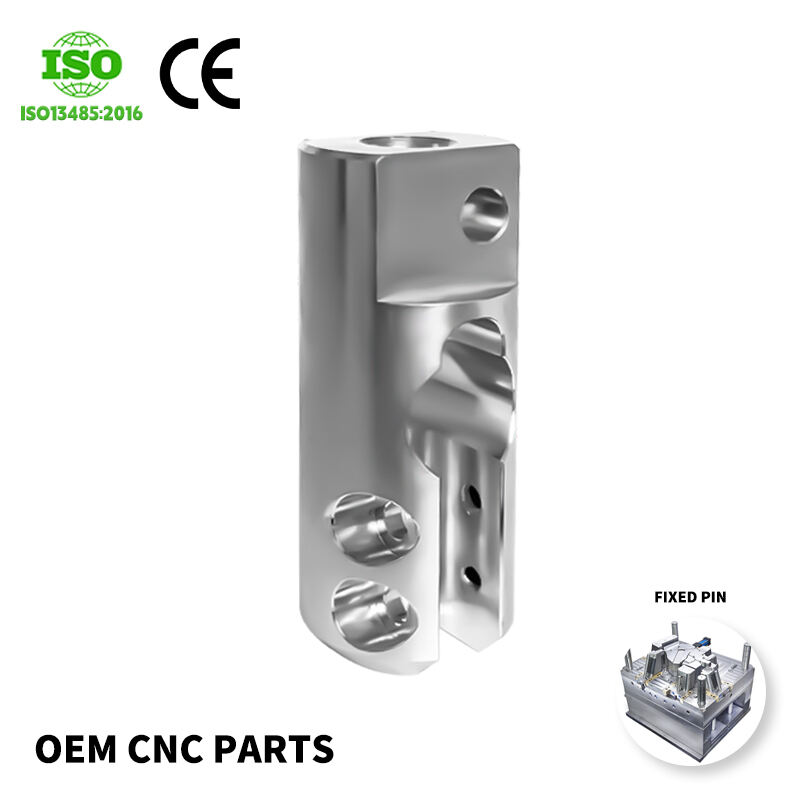
High-Precision CNC Turned Components: Advanced Manufacturing Solutions for Industry Leaders

cnc turned components

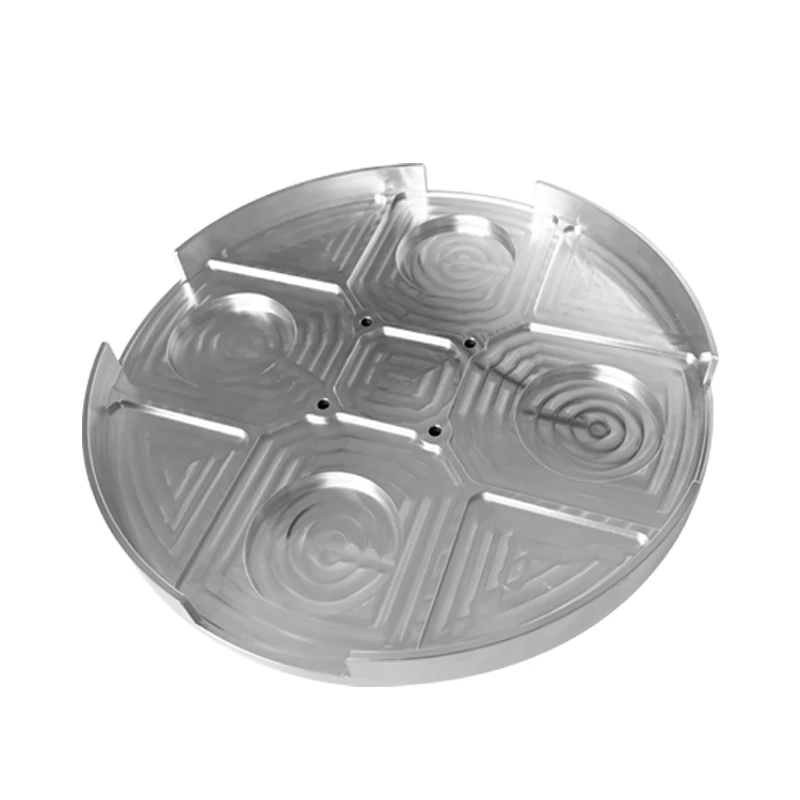
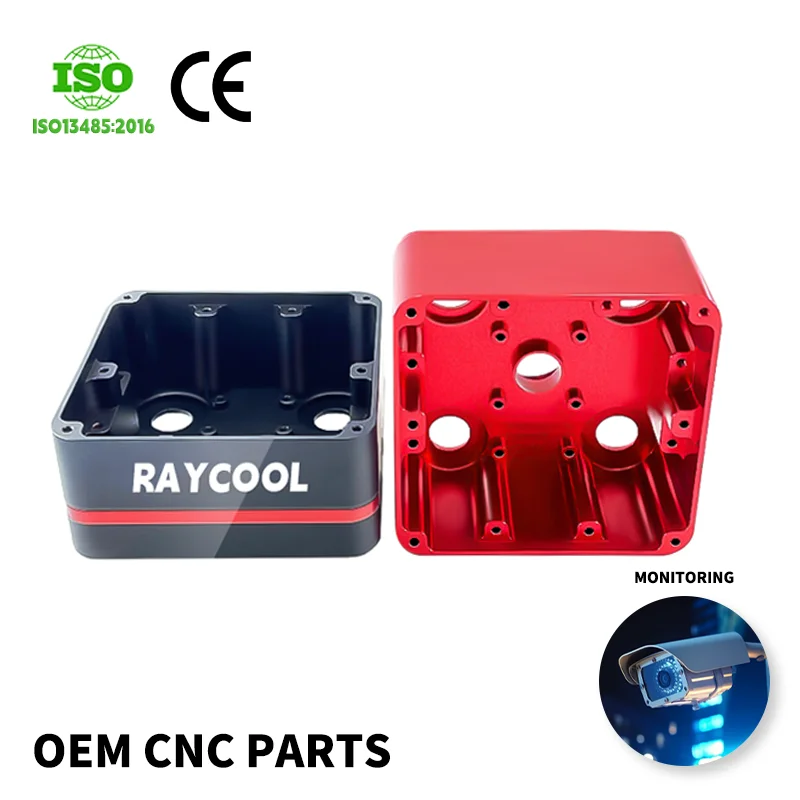
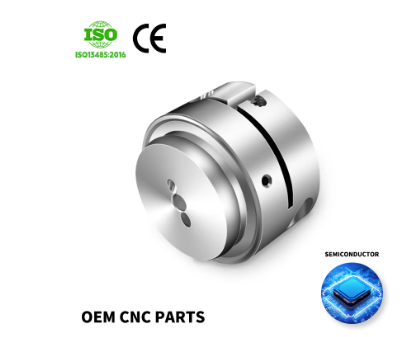
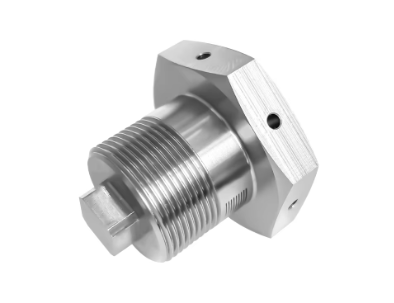
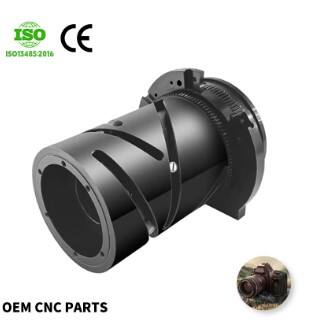
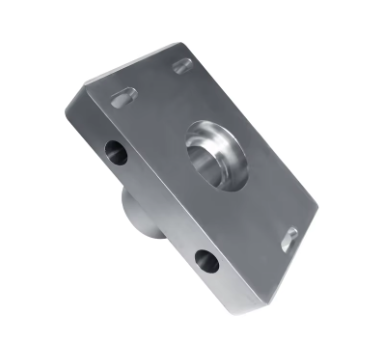
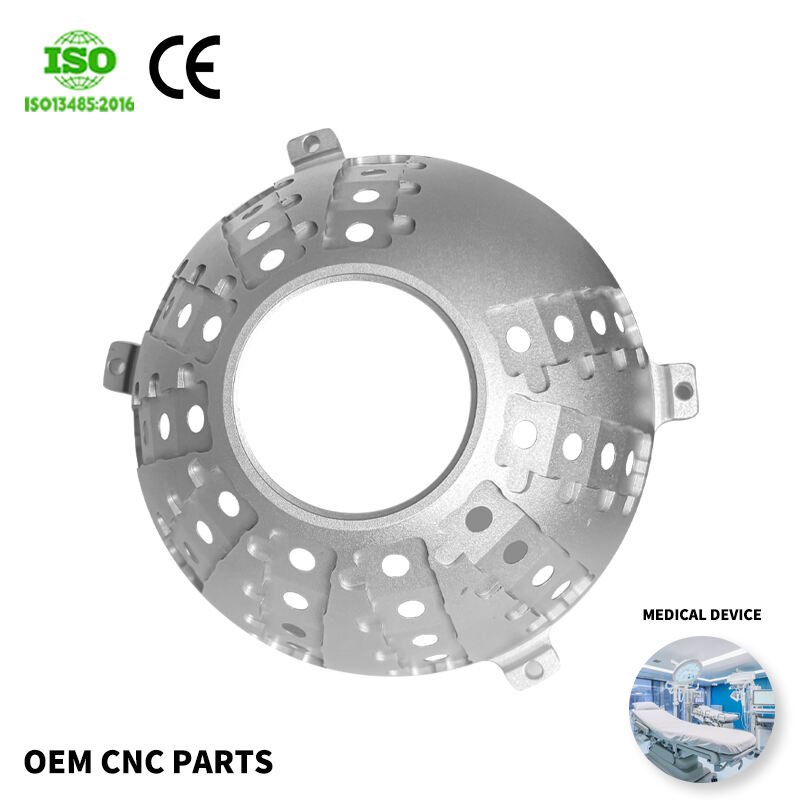
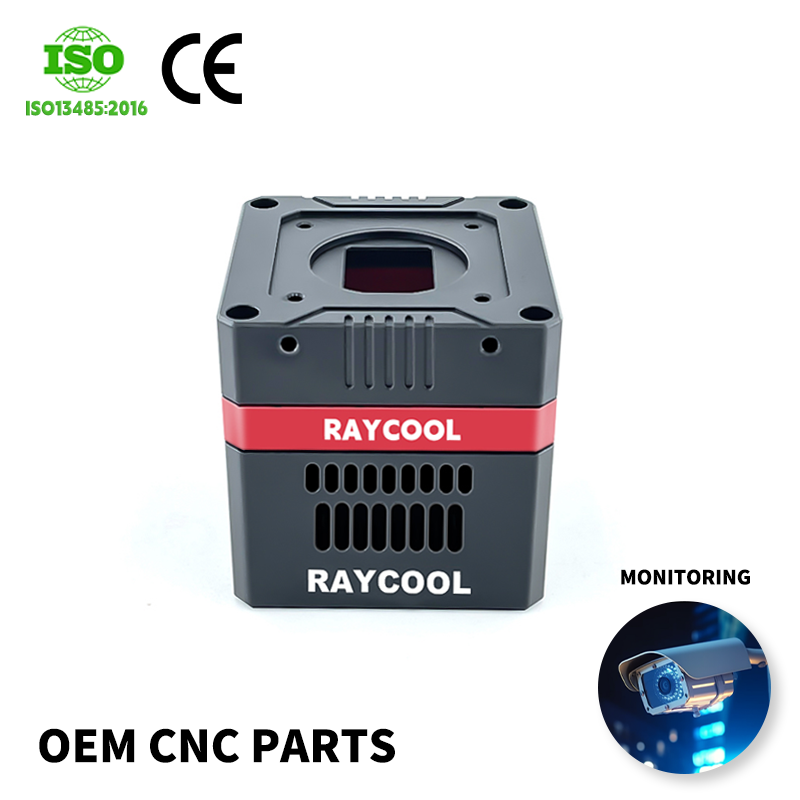
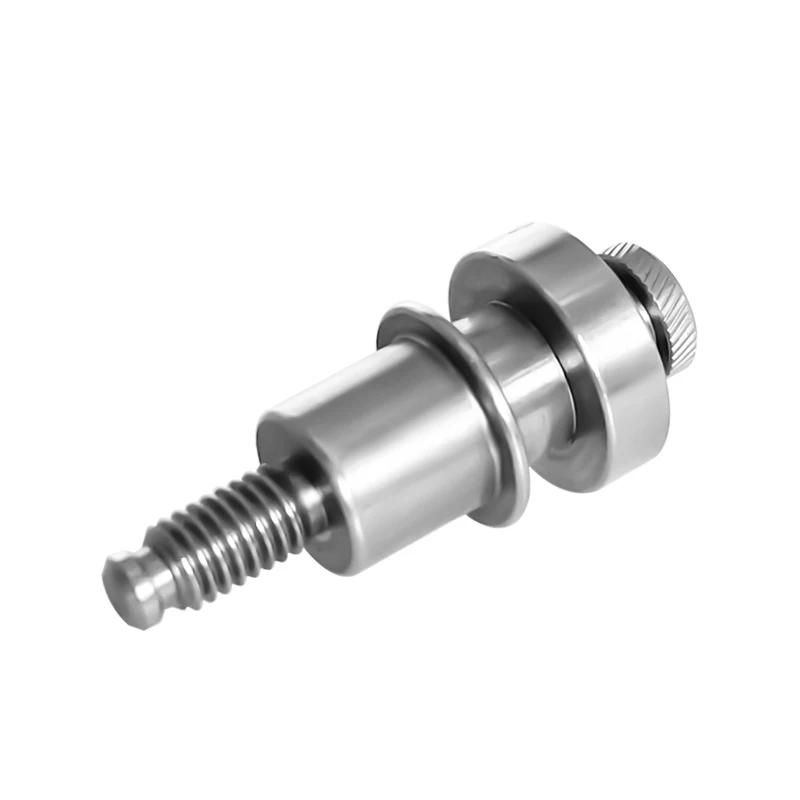
CNC turned components represent a cornerstone of modern manufacturing precision, produced through advanced computer numerical control technology. These components are crafted by rotating workpieces against cutting tools, achieving exceptional dimensional accuracy and surface finishes. The process involves sophisticated programming that controls multiple axes simultaneously, enabling the creation of complex geometries and intricate details that would be impossible to achieve through conventional machining methods. These components find extensive applications across various industries, from aerospace and automotive to medical and electronics. The precision of CNC turning allows for the production of parts with tolerances as tight as ±0.0001 inches, ensuring consistent quality across large production runs. The technology employs various materials, including metals, plastics, and composites, offering versatility in component design and functionality. Modern CNC turning centers are equipped with live tooling capabilities, allowing for secondary operations such as milling and drilling to be performed in a single setup, reducing production time and improving accuracy. The process is highly automated, minimizing human error while maintaining exceptional quality standards in high-volume production scenarios.

New Products

CNC turned components offer numerous compelling advantages that make them indispensable in modern manufacturing. First and foremost, the exceptional precision and repeatability ensure consistent quality across production runs, reducing waste and minimizing quality control issues. The automated nature of CNC turning significantly reduces production time compared to manual machining methods, leading to faster turnaround times and improved cost-effectiveness. The versatility of CNC turning allows for quick design modifications and prototype development, enabling manufacturers to respond rapidly to changing market demands. The technology supports complex geometries and tight tolerances that would be impossible to achieve through manual turning, opening up new possibilities in component design and functionality. Another significant advantage is the ability to maintain detailed digital records of production parameters, ensuring traceability and facilitating quality control processes. The reduced need for manual intervention minimizes human error and increases workplace safety. CNC turning centers can operate continuously with minimal supervision, maximizing production efficiency and reducing labor costs. The technology also supports just-in-time manufacturing practices, helping companies maintain optimal inventory levels and reduce storage costs. Additionally, the precision of CNC turning results in better surface finishes, reducing or eliminating the need for secondary finishing operations. The ability to perform multiple operations in a single setup reduces handling time and improves dimensional accuracy by eliminating the need to transfer workpieces between different machines.

Latest News

What Makes Mechanical Machining Ideal for Precision Parts?

22

Aug

What Makes Mechanical Machining Ideal for Precision Parts?

What Makes Mechanical Machining Ideal for Precision Parts? Introduction to Mechanical Machining Precision manufacturing is a foundation of modern industries ranging from aerospace and automotive to healthcare and electronics. At the heart of this pre...
View More
Why Is Five-Axis CNC Machining Preferred for Complex Geometries

05

Sep

Why Is Five-Axis CNC Machining Preferred for Complex Geometries

Understanding the Evolution of Advanced Manufacturing Technologies The manufacturing industry has witnessed remarkable transformations over the decades, with five-axis CNC machining emerging as a revolutionary advancement in precision manufacturing. ...
View More
How Can a Processing Guide Optimize Accuracy in Titanium Alloy Machining

21

Oct

How Can a Processing Guide Optimize Accuracy in Titanium Alloy Machining

Mastering Precision in Advanced Titanium Component Production The aerospace and medical industries demand unprecedented levels of accuracy in titanium alloy machining. As manufacturers face increasing pressure to deliver high-precision components, un...
View More
How to Achieve Tight Tolerance Control in Complex CNC Machining Tasks

05

Nov

How to Achieve Tight Tolerance Control in Complex CNC Machining Tasks

Mastering Precision Engineering Through Advanced CNC Control In the realm of modern manufacturing, achieving tight tolerance control has become increasingly critical as industries demand ever-higher precision in their components. From aerospace parts...
View More

Get a Free Quote

Our representative will contact you soon.
Email
Name
Company Name
Message
0/1000

cnc turned components

Precision Engineering Excellence

Precision Engineering Excellence

CNC turned components exemplify the pinnacle of precision engineering, achieving tolerances that were once considered impossible. The advanced computer control systems enable real-time adjustments during the machining process, ensuring dimensional accuracy down to microns. This level of precision is crucial for applications in industries such as aerospace, where component failure is not an option. The technology incorporates sophisticated measuring systems and feedback loops that continuously monitor and adjust cutting parameters, ensuring consistent quality throughout the production run. This precision extends beyond simple dimensional accuracy to include surface finish quality, roundness, and concentricity, making these components ideal for high-performance applications where reliability is paramount.
Manufacturing Flexibility and Efficiency

Manufacturing Flexibility and Efficiency

The remarkable flexibility of CNC turning operations allows manufacturers to switch between different product specifications quickly and efficiently. This adaptability is particularly valuable in today's fast-paced manufacturing environment, where product lifecycles are becoming increasingly shorter. The digital nature of CNC programming means that complex components can be produced consistently with minimal setup time between batches. The technology supports rapid prototyping and small-batch production with the same efficiency as large-scale manufacturing runs, making it ideal for both product development and full-scale production. This flexibility extends to material selection, as modern CNC turning centers can effectively machine a wide range of materials with appropriate tooling and parameter adjustments.
Cost-Effective Production Solutions

Cost-Effective Production Solutions

CNC turned components represent a highly cost-effective manufacturing solution when considering the total cost of ownership. The initial investment in CNC technology is offset by reduced labor costs, minimal material waste, and decreased need for secondary operations. The automation capabilities allow for lights-out manufacturing, enabling 24/7 production with minimal supervision. The precision of the process significantly reduces scrap rates and rework requirements, leading to substantial material cost savings. Additionally, the ability to perform multiple operations in a single setup reduces handling time and associated labor costs. The technology's capability to maintain consistent quality reduces inspection requirements and associated quality control costs, while the digital nature of the process facilitates easy documentation and traceability, reducing administrative overhead.

Get a Free Quote

Our representative will contact you soon.
Email
Name
Company Name
Message
0/1000

Copyright © 2025 China Shanghai Raycool Industrial Co., Ltd. All rights reserved  -  Privacy policy