
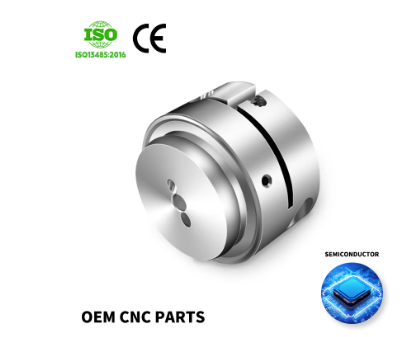
CNC machining represents the backbone of modern manufacturing, transforming raw materials into precision components through computer-controlled cutting processes. This advanced manufacturing technique has revolutionized industries from aerospace to medical devices, enabling the production of complex geometries with exceptional accuracy and repeatability. Understanding the fundamentals of CNC machining is crucial for engineers, manufacturers, and procurement professionals seeking to optimize their production strategies and achieve superior quality outcomes.
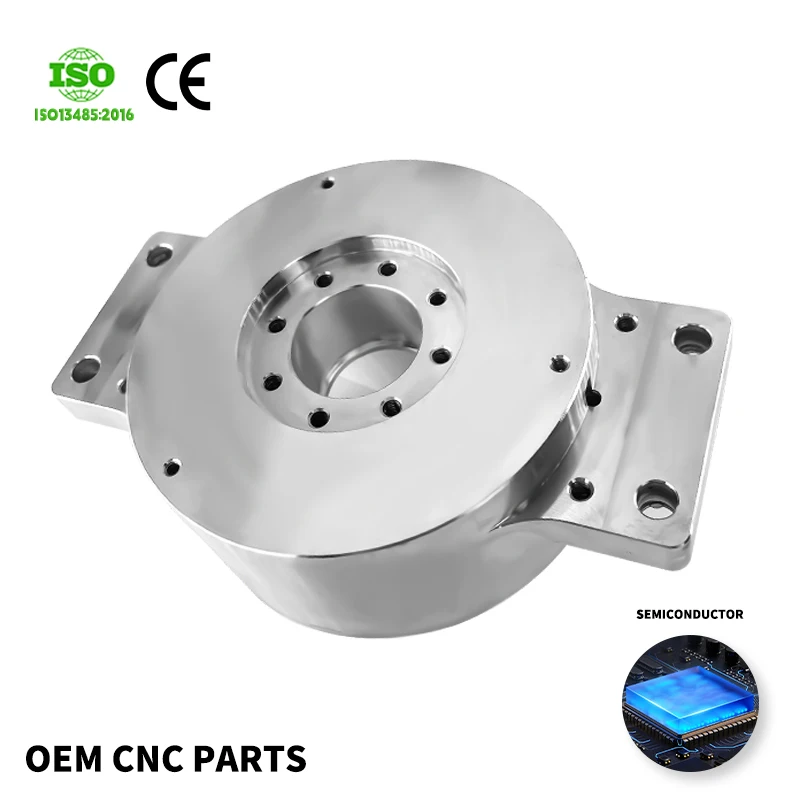
The evolution of CNC machining has transformed manufacturing from manual operations to highly automated processes that deliver consistent results across large production runs. Modern CNC systems integrate sophisticated software with precision mechanical components, creating a synergy that enables manufacturers to produce parts with tolerances measured in microns. This technological advancement has made CNC machining indispensable for industries requiring high-precision components and complex geometrical features.
Understanding CNC Machining Fundamentals
Core Principles and Technology
CNC machining operates on the principle of subtractive manufacturing, where material is systematically removed from a workpiece to create the desired shape and dimensions. The process begins with a computer-aided design (CAD) model that is converted into machine-readable instructions through computer-aided manufacturing (CAM) software. These instructions, known as G-code, direct the machine's movements with precise coordinates, feed rates, and spindle speeds.
The accuracy of CNC machining depends on several critical factors including machine rigidity, tool selection, cutting parameters, and environmental conditions. Modern CNC systems incorporate advanced feedback mechanisms that continuously monitor and adjust the machining process to maintain optimal performance. This real-time control enables manufacturers to achieve consistent quality while minimizing waste and reducing production time.
Material Compatibility and Selection
CNC machining accommodates an extensive range of materials, from common metals like aluminum and steel to exotic alloys and advanced composites. Material selection significantly impacts machining parameters, tool requirements, and surface finish quality. Aluminum alloys are particularly popular in CNC machining due to their excellent machinability, lightweight properties, and corrosion resistance, making them ideal for aerospace and automotive applications.
Stainless steel presents unique challenges in CNC machining due to its work-hardening characteristics and thermal properties. Successful machining of stainless steel requires careful consideration of cutting speeds, feed rates, and coolant application to prevent work hardening and achieve optimal surface finish. Understanding material properties is essential for selecting appropriate cutting tools and establishing effective machining strategies.
CNC Turning Operations and Applications
Lathe-Based Manufacturing Processes
CNC turning utilizes a lathe configuration where the workpiece rotates while cutting tools remain stationary, creating cylindrical features, threads, and complex rotational geometries. This machining method excels at producing shafts, bushings, pins, and other round components with exceptional concentricity and surface finish quality. The turning process can achieve tight tolerances and smooth surface finishes that often eliminate the need for secondary finishing operations.
Modern CNC lathes incorporate multiple tool stations and live tooling capabilities, enabling the completion of complex parts in a single setup. This multi-axis functionality reduces handling time, improves accuracy by maintaining workpiece reference, and increases overall productivity. Advanced turning centers can perform drilling, tapping, milling, and grinding operations in addition to traditional turning, making them versatile solutions for complex component manufacturing.
Precision Control and Quality Assurance
CNC turning operations require precise control of cutting parameters to achieve optimal results. Spindle speed, feed rate, and depth of cut must be carefully balanced to prevent tool wear, maintain surface finish quality, and ensure dimensional accuracy. Modern CNC systems provide adaptive control features that automatically adjust parameters based on real-time cutting conditions and tool wear monitoring.
Quality assurance in CNC turning involves continuous monitoring of dimensional accuracy, surface finish, and geometric tolerances. In-process measurement systems can verify critical dimensions during machining, enabling immediate corrections before completing the part. This proactive approach to quality control reduces scrap rates and ensures consistent production output meeting stringent specifications.
CNC Milling Techniques and Capabilities
Multi-Axis Milling Strategies
CNC milling operations encompass a broad range of cutting strategies designed to create complex three-dimensional features through coordinated tool movement. Traditional 3-axis milling provides excellent capabilities for creating pockets, slots, and contoured surfaces, while advanced multi-axis configurations enable the machining of complex geometries that would be impossible with conventional methods. The selection of appropriate milling strategies depends on part geometry, material properties, and production requirements.
High-speed milling techniques have revolutionized CNC machining by enabling faster material removal rates while maintaining excellent surface finish quality. These approaches utilize specialized cutting tools and optimized toolpaths that reduce cutting forces and minimize heat generation. The result is improved productivity, extended tool life, and enhanced part quality, particularly beneficial for aerospace and medical device manufacturing applications.
Tool Selection and Optimization
Effective CNC milling requires careful selection of cutting tools based on material properties, feature geometry, and quality requirements. End mills, face mills, and specialized form tools each serve specific purposes in the machining process. Tool geometry, coating selection, and cutting parameters must be optimized to achieve maximum productivity while maintaining tool life and part quality standards.
Advanced tool management systems track tool usage, monitor wear patterns, and predict replacement intervals to prevent unexpected tool failures during production. These systems integrate with CNC programming software to automatically adjust cutting parameters based on tool condition and recommend optimal replacement schedules. This predictive approach minimizes downtime and ensures consistent machining performance throughout production runs.
5-Axis CNC Machining Advantages
Complex Geometry Manufacturing
5-axis CNC machining represents the pinnacle of manufacturing flexibility, enabling the production of complex geometries that would require multiple setups or be impossible to machine using conventional methods. The addition of rotational axes allows cutting tools to approach the workpiece from virtually any angle, eliminating many of the limitations associated with 3-axis machining. This capability is particularly valuable for aerospace components, medical implants, and complex mold and die applications.
The simultaneous movement of five axes enables continuous cutting operations that maintain optimal tool orientation throughout the machining process. This approach reduces cycle times, improves surface finish quality, and eliminates witness marks that typically occur at setup boundaries. CNC machining services utilizing 5-axis technology can achieve tolerances and surface finishes that rival traditional finishing processes while maintaining excellent geometric accuracy.
Productivity and Precision Benefits
5-axis CNC machining significantly reduces setup time and improves accuracy by enabling complete part manufacturing in a single workholding setup. This approach eliminates cumulative errors that can occur when transferring parts between multiple machines or setups, resulting in improved dimensional accuracy and reduced production time. The ability to maintain consistent workpiece reference throughout the entire machining process is particularly important for high-precision applications.
Advanced 5-axis machining centers incorporate sophisticated control systems that optimize toolpath generation and collision avoidance. These systems automatically generate efficient cutting strategies that minimize air time, maximize material removal rates, and ensure safe operation throughout the machining cycle. The result is improved productivity, reduced operator intervention, and consistent quality output that meets demanding industry standards.
Process Planning and Optimization
CAM Programming Considerations
Effective CNC machining begins with comprehensive process planning that considers part geometry, material properties, production volume, and quality requirements. Computer-aided manufacturing software plays a crucial role in translating design intent into executable machine instructions while optimizing cutting strategies for maximum efficiency. Modern CAM systems incorporate advanced algorithms that automatically generate toolpaths, select appropriate cutting tools, and establish optimal machining parameters.
The integration of simulation capabilities within CAM software enables programmers to verify machining operations before executing them on actual equipment. These virtual machining environments can detect potential collisions, identify inefficient toolpaths, and predict machining times with remarkable accuracy. This validation process reduces setup time, prevents costly mistakes, and ensures optimal utilization of CNC machining resources.
Quality Control Integration
Modern CNC machining operations incorporate quality control measures throughout the entire production process, from initial setup verification to final inspection. Statistical process control methods help identify trends and variations that could affect part quality, enabling proactive adjustments before defects occur. Real-time monitoring systems can detect changes in cutting forces, vibration levels, and dimensional accuracy that indicate potential problems.
Coordinate measuring machines and optical inspection systems provide detailed verification of machined parts, ensuring compliance with engineering specifications. These measurement systems can be integrated with CNC machining centers to provide closed-loop feedback that automatically adjusts machining parameters based on measured results. This integration represents the future of CNC machining, where quality assurance becomes an integral part of the manufacturing process rather than a separate inspection activity.
Industry Applications and Case Studies
Aerospace Component Manufacturing
The aerospace industry relies heavily on CNC machining for producing critical components that demand exceptional precision and reliability. Aircraft engine components, structural elements, and landing gear parts require tolerances measured in thousandths of an inch and surface finishes that meet stringent fatigue resistance requirements. CNC machining enables manufacturers to consistently achieve these demanding specifications while maintaining traceability and documentation required for aerospace applications.
Complex aerospace geometries often feature thin walls, deep pockets, and intricate internal passages that challenge conventional manufacturing methods. Advanced CNC machining techniques, including high-speed machining and 5-axis capabilities, enable the production of these components from solid billets while maintaining structural integrity. The ability to machine complete assemblies from single pieces of material reduces weight, improves performance, and eliminates potential failure points associated with joined components.
Medical Device Precision Requirements
Medical device manufacturing places extraordinary demands on CNC machining precision and surface finish quality. Surgical instruments, implants, and diagnostic equipment components must meet biocompatibility requirements while achieving tolerances that ensure proper function and patient safety. CNC machining provides the repeatability and accuracy necessary to produce medical devices that consistently meet regulatory standards and clinical performance requirements.
The production of medical implants requires specialized CNC machining techniques that accommodate biocompatible materials while achieving complex surface textures and geometries. Titanium and stainless steel implants benefit from optimized cutting strategies that minimize work hardening and preserve material properties. Surface finish requirements for implants often necessitate specialized polishing and finishing operations that integrate seamlessly with CNC machining processes to deliver complete solutions.
Future Trends and Technology Integration
Automation and Industry 4.0 Integration
The future of CNC machining lies in increased automation and integration with Industry 4.0 technologies that create smart manufacturing environments. Robotic loading systems, automated tool changers, and intelligent workflow management systems are transforming CNC operations from manual processes to fully automated manufacturing cells. These advancements reduce labor costs, improve consistency, and enable lights-out manufacturing for extended production runs.
Internet of Things connectivity enables CNC machines to communicate operational status, performance metrics, and maintenance requirements to central management systems. This connectivity facilitates predictive maintenance strategies that prevent unplanned downtime while optimizing machine utilization across manufacturing facilities. Real-time data analytics provide insights into process optimization opportunities and help manufacturers make informed decisions about capacity planning and resource allocation.
Advanced Material Processing
Emerging materials in aerospace, medical, and electronic industries present new challenges and opportunities for CNC machining technology. Advanced composites, superalloys, and engineered ceramics require specialized cutting tools and machining strategies that push the boundaries of conventional approaches. Research and development efforts focus on developing new cutting tool materials, coatings, and geometries that enable effective processing of these challenging materials.
Additive manufacturing integration with CNC machining creates hybrid processes that combine the design freedom of 3D printing with the precision and surface finish capabilities of subtractive manufacturing. These hybrid approaches enable the production of components with internal features and complex geometries that would be impossible to achieve through either process alone. The combination represents a significant advancement in manufacturing flexibility and capability.
FAQ
What are the main differences between 3-axis and 5-axis CNC machining?
The primary difference lies in the number of axes that can move simultaneously during machining operations. 3-axis CNC machines move along X, Y, and Z linear axes, limiting tool approach angles and requiring multiple setups for complex geometries. 5-axis machines add two rotational axes (typically A and B), allowing the cutting tool to approach the workpiece from virtually any angle. This capability enables complete part manufacturing in a single setup, reduces cycle times, improves surface finish quality, and allows for the production of complex geometries that would be impossible or extremely difficult with 3-axis machining.
How does material selection affect CNC machining parameters?
Material properties significantly influence cutting speeds, feed rates, tool selection, and coolant requirements in CNC machining operations. Harder materials like stainless steel require slower cutting speeds and specialized cutting tools to prevent work hardening and achieve acceptable tool life. Aluminum alloys generally machine easily with higher cutting speeds and feeds, while titanium requires careful parameter control to manage heat generation and prevent tool wear. Understanding material characteristics helps optimize machining parameters for maximum productivity while maintaining quality standards and extending tool life.
What quality control measures are essential for precision CNC machining?
Essential quality control measures include initial setup verification using precision measurement tools, in-process monitoring of critical dimensions, statistical process control to track variations, and final inspection using coordinate measuring machines. Tool condition monitoring prevents unexpected failures that could affect part quality, while environmental controls maintain consistent temperature and vibration levels. Documentation and traceability systems ensure compliance with industry standards and enable root cause analysis when quality issues occur. Regular machine calibration and maintenance schedules preserve accuracy and prevent drift in machining performance.
How can manufacturers optimize CNC machining efficiency and reduce costs?
Efficiency optimization begins with comprehensive process planning that considers part design, material selection, and production volume requirements. Utilizing advanced CAM software to generate optimized toolpaths reduces cycle times while maintaining quality standards. Implementing predictive maintenance strategies prevents unplanned downtime and extends machine life. Standardizing cutting tools and workholding fixtures across multiple jobs reduces setup time and inventory costs. Training operators in advanced techniques and providing real-time performance feedback helps identify improvement opportunities and maintain consistent production output while minimizing waste and rework.