
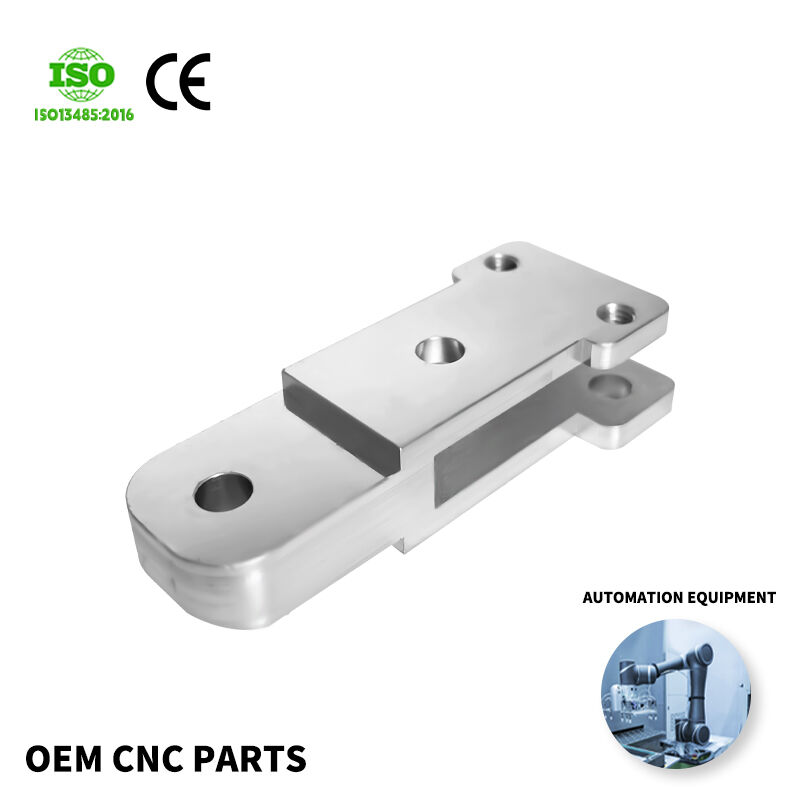
Modern manufacturing relies heavily on precision engineering and automated production techniques. CNC machining stands at the forefront of this technological revolution, transforming raw materials into complex components with exceptional accuracy. From aerospace components to medical devices, cnc machining has become indispensable across industries requiring tight tolerances and consistent quality. This comprehensive guide explores the fundamental processes, applications, and advantages of cnc machining in contemporary manufacturing environments.
Understanding the intricacies of cnc machining requires examining its core processes, technological capabilities, and practical applications. The evolution from manual machining to computer-controlled systems has revolutionized manufacturing efficiency while maintaining superior quality standards. Modern cnc machining centers integrate sophisticated software with precision hardware to deliver consistent results across production runs.
Fundamentals of CNC Machining Technology
Computer Numerical Control Principles
Computer Numerical Control represents a significant advancement in manufacturing technology, utilizing programmed instructions to guide machine tool movements with exceptional precision. The cnc machining process begins with computer-aided design software that generates detailed part geometries and specifications. These digital blueprints are then converted into machine-readable code that directs cutting tools along predetermined paths.
The integration of computer control systems eliminates human error while enabling complex geometries that would be impossible or impractical with manual machining methods. Modern cnc machining systems incorporate feedback mechanisms that continuously monitor tool position, spindle speed, and cutting forces to maintain optimal performance throughout the manufacturing process.
Programming languages such as G-code and M-code provide standardized communication between design software and machine controllers. These programming systems allow operators to specify precise coordinates, tool selections, feed rates, and cutting speeds for each manufacturing operation. Advanced cnc machining centers can execute hundreds of programmed instructions automatically, reducing cycle times while improving consistency.
Machine Tool Components and Systems
CNC machining centers consist of several critical components that work together to achieve precise material removal and part fabrication. The machine frame provides structural rigidity necessary for maintaining accuracy during cutting operations. Spindle systems deliver rotational power to cutting tools while maintaining concentricity and balance at various speeds.
Linear motion systems, including ball screws and linear guides, enable precise positioning of cutting tools relative to workpieces. These components must maintain accuracy within microns while withstanding significant cutting forces. Modern cnc machining systems incorporate advanced servo motors and encoder feedback to ensure positioning accuracy throughout extended production runs.
Tool changing systems automate the selection and installation of appropriate cutting tools for specific operations. Automatic tool changers can hold dozens of tools, allowing cnc machining centers to perform multiple operations without manual intervention. This capability significantly reduces setup times and improves overall equipment effectiveness in production environments.
CNC Turning Operations and Applications
Lathe-Based Manufacturing Processes
CNC turning represents one of the most fundamental cnc machining processes, utilizing rotating workpieces and stationary cutting tools to create cylindrical parts and features. Turning operations excel at producing shafts, pins, bushings, and other rotationally symmetric components with excellent surface finishes and dimensional accuracy. The process begins with securing the workpiece in a chuck or collet system that rotates at controlled speeds.
Modern CNC lathes can perform various turning operations including facing, profiling, threading, and drilling within a single setup. Multi-axis cnc machining lathes incorporate live tooling capabilities that allow milling operations while the workpiece remains in the turning center. This integration reduces handling requirements and improves part accuracy by maintaining consistent reference points.
Advanced turning centers feature sub-spindles that enable complete part machining in a single operation. These systems can transfer partially machined workpieces between spindles, allowing complex parts with features on both ends to be completed without manual intervention. Such capabilities make cnc machining turning operations highly efficient for both prototype and production applications.
Precision Turning Techniques and Tooling
Achieving superior results in CNC turning requires careful selection of cutting tools, operating parameters, and workholding methods. Insert geometry, coating materials, and edge preparation significantly impact surface finish quality and tool life. Carbide inserts with specialized coatings can withstand high cutting speeds while maintaining sharp cutting edges for extended periods.
Coolant systems play a crucial role in cnc machining turning operations by controlling cutting temperatures and removing chips from the cutting zone. Proper coolant application prevents thermal damage to both workpieces and cutting tools while improving surface finish quality. High-pressure coolant systems can also assist with chip evacuation in deep turning operations.
Workholding accuracy directly affects part quality in turning operations. Precision chucks and collet systems minimize runout and maintain consistent clamping forces throughout machining cycles. Specialized fixtures may be required for irregular-shaped workpieces or parts requiring machining of multiple features in specific orientations.
CNC Milling Processes and Capabilities
Multi-Axis Milling Operations
CNC milling encompasses a broad range of cnc machining operations that utilize rotating cutting tools to remove material from stationary workpieces. Unlike turning operations, milling can create complex three-dimensional geometries including pockets, slots, contoured surfaces, and intricate features. Modern milling centers offer multiple axes of motion that enable sophisticated part geometries and reduce setup requirements.
Three-axis milling represents the most common configuration, providing linear motion in X, Y, and Z directions. These systems excel at producing flat surfaces, simple pockets, and holes with excellent accuracy and repeatability. Advanced programming techniques allow three-axis cnc machining centers to create complex contoured surfaces through careful tool path planning and small step-over distances.
Four and five-axis milling systems add rotational axes that enable cutting tool access to multiple part surfaces without repositioning workpieces. These advanced cnc machining capabilities reduce setup times, improve accuracy, and enable the production of parts that would be impossible with three-axis systems. Complex aerospace components and medical implants frequently require multi-axis milling for optimal results.
Surface Finishing and Quality Control
Achieving superior surface finishes in CNC milling requires understanding the relationship between cutting parameters, tool geometry, and material properties. Feed rates, spindle speeds, and depth of cut significantly impact surface roughness and dimensional accuracy. Optimizing these parameters for specific materials and part geometries ensures consistent quality across production runs.
Tool path strategies greatly influence surface finish quality in cnc machining milling operations. Climb milling typically produces better surface finishes than conventional milling due to improved chip formation and reduced work hardening. Specialized finishing passes with small step-overs and light cutting loads can achieve mirror-like surface finishes on appropriate materials.
In-process measurement systems enable real-time quality monitoring during milling operations. Probe systems can verify part dimensions and surface locations without removing workpieces from machine fixtures. This capability allows for automatic compensation of tool wear and thermal effects that might otherwise compromise part accuracy in cnc machining operations.
Advanced 5-Axis CNC Machining Systems
Simultaneous Multi-Axis Control
Five-axis cnc machining represents the pinnacle of manufacturing flexibility, enabling simultaneous control of three linear and two rotational axes. This capability allows cutting tools to approach workpieces from virtually any angle, eliminating the need for multiple setups and complex fixtures. The result is improved accuracy, reduced cycle times, and the ability to machine previously impossible geometries.
Simultaneous five-axis cnc machining enables optimal cutting tool orientation for each machining operation. This capability maintains consistent chip loads and surface speeds while minimizing cutting forces and tool deflection. Advanced programming systems automatically calculate tool paths that avoid collisions while optimizing cutting conditions for each surface being machined.
The integration of tilting and rotating table systems with traditional linear axes creates unprecedented manufacturing flexibility. Complex parts with undercuts, deep pockets, and intricate internal features can be completed in single setups. This capability eliminates accumulation of setup errors while reducing handling requirements and associated quality risks in cnc machining operations.
Programming and Setup Considerations
Programming five-axis cnc machining systems requires specialized software and extensive operator training. Computer-aided manufacturing systems must account for machine kinematics, tool length compensation, and collision avoidance when generating tool paths. Advanced simulation capabilities allow verification of programs before actual machining begins, preventing costly errors and machine damage.
Workholding becomes increasingly critical in five-axis cnc machining due to the complex motions and varying cutting forces involved. Precision vises, custom fixtures, and vacuum workholding systems must securely clamp workpieces while providing unrestricted tool access to all required surfaces. Proper fixture design considers both mechanical requirements and programming limitations.
Tool length and diameter compensation systems must account for changing tool orientations relative to part surfaces in five-axis cnc machining operations. Advanced controllers incorporate look-ahead functions that adjust feed rates and cutting parameters based on upcoming program segments. This capability ensures consistent surface finishes and dimensional accuracy throughout complex machining cycles.
Material Considerations in CNC Machining
Metals and Alloy Processing
Material selection significantly impacts cnc machining processes, cutting tool requirements, and achievable tolerances. Common metals including aluminum, steel, and stainless steel each present unique challenges and opportunities in manufacturing applications. Aluminum alloys machine easily with high cutting speeds and produce excellent surface finishes, making them popular for aerospace and automotive components.
Steel alloys require more robust cutting tools and conservative cutting parameters due to their higher strength and work hardening tendencies. Proper tool selection and cutting fluid application become critical for maintaining tool life and part quality in steel cnc machining operations. Heat-treated steels may require specialized cutting tools and techniques to achieve acceptable results.
Exotic alloys including titanium, Inconel, and other superalloys present significant challenges in cnc machining due to their strength, heat resistance, and work hardening characteristics. These materials often require specialized cutting tools, advanced coolant systems, and modified machining strategies to achieve acceptable productivity and part quality. Understanding material properties enables optimization of cutting parameters for specific applications.
Plastics and Composite Materials
CNC machining of plastic materials requires different approaches compared to metal machining due to their thermal sensitivity and varying mechanical properties. Thermoplastics can melt or deform if excessive heat is generated during cutting operations. Sharp cutting tools, appropriate cutting speeds, and effective chip evacuation prevent thermal damage in plastic cnc machining applications.
Composite materials present unique challenges due to their heterogeneous structure and potential for delamination. Carbon fiber composites require specialized cutting tools with diamond or carbide coatings to maintain sharp cutting edges. Proper support and workholding prevent delamination while achieving clean edge cuts in composite cnc machining operations.
Coolant selection becomes critical when machining certain plastic and composite materials. Some materials may be damaged by water-based coolants, requiring specialized cutting fluids or dry machining techniques. Understanding material compatibility ensures optimal results while preventing damage to expensive workpieces in cnc machining applications.
Quality Assurance and Inspection Methods
Dimensional Verification Techniques
Quality assurance in cnc machining begins with proper measurement and inspection techniques that verify part conformance to engineering specifications. Coordinate measuring machines provide three-dimensional measurement capabilities with exceptional accuracy for complex parts. These systems can verify critical dimensions, geometric tolerances, and surface profiles automatically.
On-machine probing systems enable real-time part inspection without removing workpieces from machine fixtures. This capability allows for immediate detection of dimensional errors and automatic compensation for tool wear or thermal effects. In-process measurement significantly improves part quality while reducing inspection time in cnc machining operations.
Statistical process control techniques help identify trends and variations in cnc machining processes before they result in nonconforming parts. Control charts track critical dimensions over time, enabling proactive adjustments to maintain process capability. This approach minimizes scrap while ensuring consistent part quality throughout production runs.
Surface Quality Assessment
Surface finish measurement requires specialized equipment and techniques to quantify surface roughness parameters accurately. Profilometers measure surface texture characteristics including average roughness, peak-to-valley height, and bearing ratio. These measurements ensure parts meet functional requirements for wear resistance, sealing, and aesthetic appearance in cnc machining applications.
Visual inspection remains important for detecting surface defects that might not be captured by automated measurement systems. Trained inspectors can identify tool marks, chatter patterns, and other surface irregularities that indicate process problems. Proper lighting and inspection techniques ensure consistent evaluation of surface quality in cnc machining operations.
Advanced metrology systems integrate multiple inspection techniques to provide comprehensive part evaluation. Optical measurement systems can rapidly assess surface finish, dimensions, and geometric features simultaneously. These integrated approaches improve inspection efficiency while providing detailed documentation of part quality in cnc machining production environments.
FAQ
What are the main differences between 3-axis and 5-axis CNC machining
Three-axis cnc machining provides linear motion in X, Y, and Z directions, suitable for flat surfaces and simple geometries. Five-axis systems add two rotational axes, enabling tool access from multiple angles without repositioning workpieces. This additional capability reduces setup time, improves accuracy, and enables machining of complex geometries that would be impossible with three-axis systems.
How do I choose the right cutting tools for CNC machining operations
Tool selection in cnc machining depends on material properties, part geometry, and required surface finish. Consider insert geometry, coating materials, and cutting edge preparation for specific applications. Carbide tools work well for most metals, while diamond or ceramic tools may be required for specialized materials. Consult tool manufacturer recommendations and conduct trials to optimize performance for your specific cnc machining requirements.
What factors affect surface finish quality in CNC machining
Surface finish in cnc machining is influenced by cutting speed, feed rate, tool geometry, and machine rigidity. Higher cutting speeds generally improve surface finish, while excessive feed rates can create tool marks. Sharp cutting tools with appropriate geometry produce better finishes than worn or inappropriate tools. Machine vibration and inadequate workholding can also negatively impact surface quality in cnc machining operations.
How can I reduce cycle times in CNC machining without compromising quality
Optimizing cycle times in cnc machining requires balancing cutting parameters, tool paths, and setup procedures. Use appropriate cutting speeds and feeds for specific materials, minimize tool changes through better tool selection, and optimize tool paths to reduce non-cutting time. Consider high-efficiency milling strategies and trochoidal toolpaths for faster material removal while maintaining part quality in cnc machining applications.