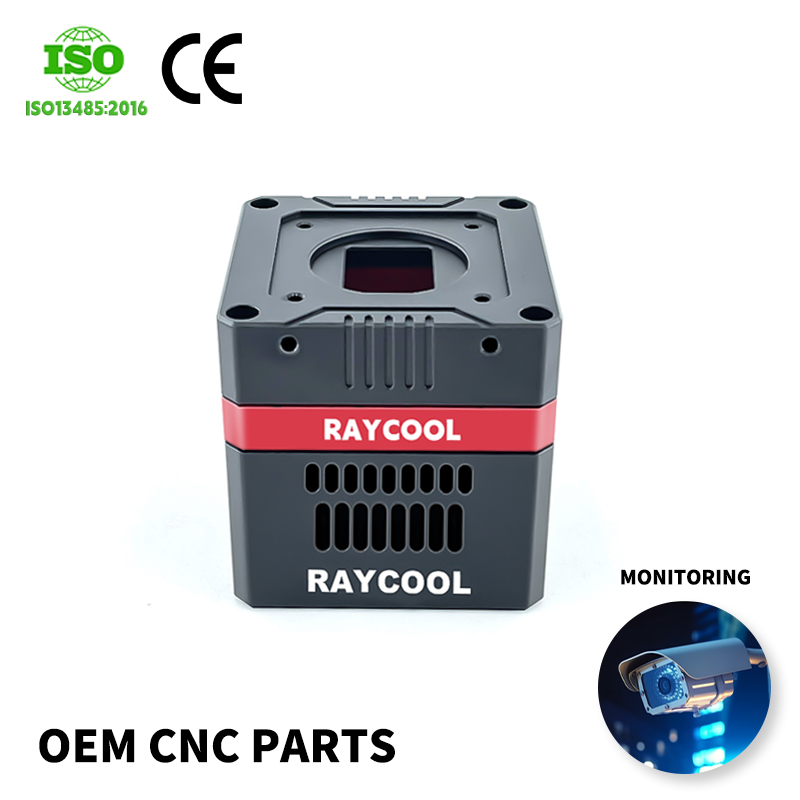
Selecting the right anodized materials for industrial applications requires careful consideration of multiple factors that directly impact performance, durability, and cost-effectiveness. Anodized aluminum and other metals have revolutionized manufacturing processes across various industries due to their enhanced corrosion resistance, improved aesthetics, and superior mechanical properties. Understanding the fundamental characteristics of anodized surfaces enables engineers and procurement specialists to make informed decisions that optimize product performance while maintaining budget constraints. The anodizing process creates a controlled oxide layer that transforms the surface properties of base metals, particularly aluminum, making them suitable for demanding industrial environments.
Understanding Anodized Surface Properties
Corrosion Resistance Characteristics
The primary advantage of anodized materials lies in their exceptional corrosion resistance, which stems from the electrochemically formed oxide layer. This protective barrier prevents the underlying metal from reacting with environmental elements such as moisture, salt, and industrial chemicals. Anodized aluminum typically demonstrates resistance to atmospheric corrosion that exceeds untreated aluminum by several orders of magnitude. The thickness and density of the anodized layer directly correlate with the level of protection provided, making it essential to specify appropriate anodizing grades for specific applications.
Industrial environments often expose components to harsh conditions including temperature fluctuations, chemical exposure, and mechanical stress. Anodized surfaces maintain their protective properties under these challenging conditions, provided the correct anodizing specification has been selected. The oxide layer formed during anodizing is chemically inert and does not deteriorate under normal industrial conditions, ensuring long-term reliability and reduced maintenance requirements.
Mechanical and Physical Properties
Beyond corrosion protection, anodized materials exhibit enhanced mechanical properties that make them suitable for precision applications. The anodizing process increases surface hardness significantly, with typical values ranging from 300 to 500 HV depending on the anodizing method and parameters used. This increased hardness translates to improved wear resistance, making anodized components ideal for applications involving frequent contact or movement.
The dimensional stability of anodized parts represents another critical advantage in industrial applications. Unlike coating processes that add material to the surface, anodizing converts existing metal into oxide, resulting in minimal dimensional changes. This characteristic makes anodized materials particularly valuable in precision machining applications where tight tolerances must be maintained throughout the component lifecycle.
Industrial Application Categories
Aerospace and Aviation Components
The aerospace industry relies heavily on anodized aluminum components due to stringent weight, strength, and corrosion resistance requirements. Aircraft structural elements, engine components, and control surfaces frequently utilize anodized materials to achieve the necessary performance characteristics while maintaining acceptable weight ratios. The ability of anodized surfaces to withstand extreme temperature variations and atmospheric conditions makes them indispensable in aviation applications.
Precision manufacturing processes in aerospace applications demand materials that maintain dimensional accuracy under varying environmental conditions. Anodized aluminum components demonstrate exceptional thermal stability and resistance to stress corrosion cracking, factors that are critical in ensuring flight safety and operational reliability. The lightweight nature of aluminum combined with the protective properties of anodizing creates an optimal material solution for aerospace engineering challenges.
Electronics and Technology Manufacturing
Electronic device manufacturing increasingly incorporates anodized components due to their electrical insulation properties and electromagnetic interference shielding capabilities. The oxide layer formed during anodizing provides excellent electrical insulation while maintaining thermal conductivity, making it ideal for heat sink applications and electronic enclosures. Modern consumer electronics, industrial control systems, and telecommunications equipment frequently utilize anodized components to achieve optimal performance and aesthetic appeal.
The semiconductor industry particularly benefits from anodized materials in manufacturing equipment and component handling systems. The non-contaminating nature of anodized surfaces ensures product purity while providing the necessary mechanical properties for precision positioning and handling equipment. Clean room environments require materials that do not outgas or generate particulates, making anodized aluminum an ideal choice for critical manufacturing applications.
Material Selection Criteria
Environmental Factors and Operating Conditions
Selecting appropriate anodized materials begins with a comprehensive analysis of the operating environment and expected service conditions. Temperature ranges, humidity levels, chemical exposure, and mechanical loading all influence the selection of anodizing type and thickness. Outdoor applications exposed to UV radiation and weather conditions require different anodized specifications compared to indoor industrial environments with controlled atmospheres.
Chemical compatibility represents a crucial consideration when specifying anodized materials for industrial applications. While anodized surfaces demonstrate excellent resistance to most industrial chemicals, specific environments may require enhanced protection or alternative surface treatments. Understanding the interaction between anodized surfaces and process chemicals ensures long-term component reliability and prevents unexpected failures or performance degradation.
Cost-Performance Optimization
Economic considerations play a significant role in material selection decisions, particularly in high-volume manufacturing applications. Anodized materials often provide superior cost-effectiveness compared to alternative surface treatments due to their durability and low maintenance requirements. The initial investment in anodized components typically yields long-term savings through reduced replacement frequency and maintenance costs.
Manufacturing complexity and lead times also impact the overall cost equation when considering anodized materials. The availability of anodizing services, quality standards, and delivery schedules must align with production requirements to ensure successful project implementation. Establishing relationships with qualified anodizing suppliers ensures consistent quality and reliable delivery of anodized components for industrial applications.
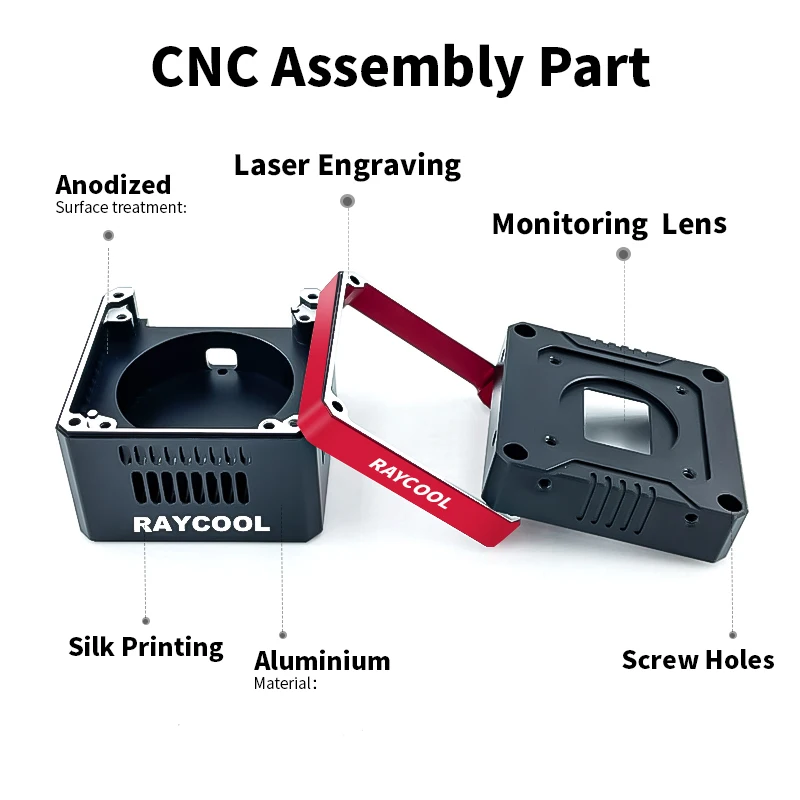
Quality Standards and Specifications
Industry Standards and Compliance
Industrial applications of anodized materials must comply with relevant industry standards and specifications to ensure consistent quality and performance. ASTM B580, MIL-A-8625, and ISO 7599 represent key standards governing anodized aluminum specifications, testing methods, and quality requirements. These standards define minimum thickness requirements, adhesion properties, and environmental resistance characteristics for various anodized grades.
Quality assurance programs for anodized materials typically include thickness measurements, adhesion testing, and corrosion resistance evaluation. Understanding these testing requirements enables proper specification of anodized materials and ensures compliance with application-specific performance requirements. Regular quality audits of anodizing suppliers help maintain consistent material properties and prevent quality issues that could impact product performance.
Testing and Validation Methods
Comprehensive testing protocols verify the performance characteristics of anodized materials before implementation in critical applications. Salt spray testing, thermal cycling, and accelerated weathering tests simulate long-term environmental exposure and provide data for predicting component lifespan. These validation methods help identify potential issues early in the design process and enable optimization of anodized material specifications.
Non-destructive testing methods allow verification of anodized layer properties without compromising component integrity. Eddy current testing, optical microscopy, and surface profiling techniques provide detailed information about anodized layer characteristics while preserving the components for subsequent use. Implementing appropriate testing protocols ensures that anodized materials meet performance requirements and provide reliable service in demanding industrial applications.
Future Trends and Innovations
Advanced Anodizing Technologies
Emerging anodizing technologies continue to expand the capabilities and applications of anodized materials in industrial settings. Plasma electrolytic oxidation and micro-arc oxidation represent advanced processes that create enhanced surface properties compared to conventional anodizing methods. These technologies enable the production of anodized surfaces with superior hardness, thermal barrier properties, and specialized functional characteristics.
Nanotechnology integration in anodizing processes offers the potential for creating surfaces with unique properties such as self-cleaning capabilities, enhanced thermal management, and improved electrical characteristics. Research into nanostructured anodized surfaces continues to reveal new possibilities for industrial applications requiring specialized surface properties beyond traditional anodizing capabilities.
Sustainability and Environmental Considerations
Environmental sustainability increasingly influences material selection decisions in industrial applications, making anodized materials attractive due to their longevity and recyclability. The extended service life of anodized components reduces material consumption and waste generation over the product lifecycle. Additionally, aluminum recycling processes can accommodate anodized materials without significant impact on recycling efficiency or output quality.
Green anodizing processes that minimize environmental impact while maintaining performance characteristics represent an important development trend. Water-based anodizing systems, reduced chemical consumption, and energy-efficient processing methods align with corporate sustainability goals while delivering the performance benefits of anodized materials for industrial applications.
FAQ
What factors determine the appropriate anodized layer thickness for industrial applications
The selection of anodized layer thickness depends on the specific environmental conditions, mechanical requirements, and expected service life of the component. Outdoor applications typically require thicker anodized layers ranging from 15 to 25 microns to provide adequate corrosion protection, while indoor applications may require only 5 to 15 microns. Mechanical wear considerations, such as frequent handling or contact with other components, also influence thickness requirements. Thicker anodized layers provide enhanced durability but may affect dimensional tolerances and increase processing costs.
How does anodizing compare to other surface treatment options for industrial components
Anodized materials offer several advantages over alternative surface treatments including superior corrosion resistance, dimensional stability, and environmental durability. Unlike painted or plated surfaces, anodized layers do not chip, peel, or delaminate under normal operating conditions. The integral nature of anodized layers ensures consistent protection even if the surface experiences minor damage. While initial processing costs may be higher than some alternatives, the long-term maintenance and replacement cost advantages often make anodized materials more economical for critical applications.
Can anodized materials be machined or modified after the anodizing process
Post-anodizing machining is possible but requires careful consideration of the impact on surface protection and component performance. Light machining operations that remove minimal material may not significantly compromise the anodized layer, but substantial material removal will expose unprotected base metal. In applications requiring post-anodizing modification, local re-anodizing or alternative protection methods may be necessary to maintain corrosion resistance. Design optimization to minimize post-anodizing machining ensures maximum benefit from the anodized surface properties.
What quality control measures ensure consistent anodized material performance
Effective quality control for anodized materials includes incoming inspection of thickness measurements, visual appearance assessment, and periodic testing of corrosion resistance properties. Supplier qualification programs should verify anodizing process controls, equipment calibration, and adherence to relevant industry standards. Documentation of anodizing parameters, batch tracking, and test results provides traceability and enables investigation of any performance issues. Regular audits of anodizing facilities help ensure continued compliance with quality requirements and process stability.
Table of Contents
- Understanding Anodized Surface Properties
- Industrial Application Categories
- Material Selection Criteria
- Quality Standards and Specifications
- Future Trends and Innovations
-
FAQ
- What factors determine the appropriate anodized layer thickness for industrial applications
- How does anodizing compare to other surface treatment options for industrial components
- Can anodized materials be machined or modified after the anodizing process
- What quality control measures ensure consistent anodized material performance