
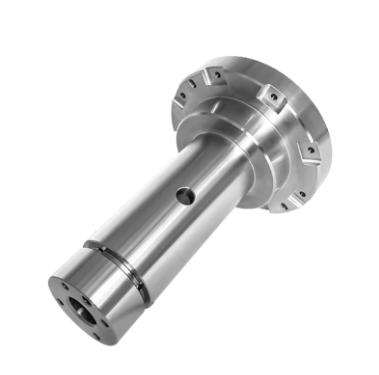
The precision manufacturing landscape has evolved dramatically over recent decades, with 5-axis CNC machined custom parts becoming the cornerstone of advanced industrial applications. Industries such as medical device manufacturing and semiconductor production demand unprecedented levels of accuracy, surface finish quality, and dimensional stability. These sectors cannot afford compromises in component quality, as even microscopic deviations can result in product failures, regulatory non-compliance, or catastrophic system breakdowns. Modern CNC machining centers equipped with five-axis capabilities offer manufacturers the technological foundation necessary to meet these stringent requirements while maintaining cost-effectiveness and production scalability.

The medical and semiconductor industries represent two of the most demanding sectors for precision-engineered components. Medical devices require biocompatible materials processed to exacting tolerances, while semiconductor equipment demands ultra-clean manufacturing environments and components with nanometer-level precision. Both sectors rely heavily on specialized manufacturing partners who can deliver consistent, high-quality results under strict regulatory oversight. The convergence of advanced materials science, precision machining technologies, and quality assurance protocols has created new opportunities for manufacturers specializing in complex, high-value components.
Advanced Manufacturing Technologies in Medical Applications
Biocompatible Material Processing
Medical device manufacturing requires specialized expertise in processing biocompatible materials such as titanium alloys, stainless steel grades, and advanced polymers. These materials present unique machining challenges due to their chemical properties, work-hardening characteristics, and strict contamination control requirements. 5-axis CNC machined custom parts for medical applications must maintain surface finishes measured in microinches while avoiding any material contamination that could compromise biocompatibility. The machining process itself becomes a critical quality control point, requiring validated procedures and continuous monitoring.
Temperature control during machining operations plays a crucial role in maintaining material integrity and dimensional accuracy. Excessive heat generation can alter the metallurgical properties of medical-grade materials, potentially compromising their performance in critical applications. Advanced CNC systems incorporate sophisticated cooling strategies, including flood coolant systems, high-pressure coolant delivery, and specialized cutting tool coatings designed to minimize heat generation. These technological advances enable manufacturers to achieve the tight tolerances and superior surface finishes required for medical device components.
Regulatory Compliance and Quality Systems
Manufacturing components for medical devices requires adherence to comprehensive regulatory frameworks, including FDA guidelines, ISO 13485 quality management systems, and Good Manufacturing Practice (GMP) requirements. Every aspect of the manufacturing process must be documented, validated, and subject to rigorous quality control procedures. 5-axis CNC machined custom parts intended for medical applications undergo extensive inspection protocols, including dimensional verification, surface roughness measurement, and material traceability documentation.
The documentation requirements for medical device manufacturing extend beyond traditional quality control measures to include complete material traceability, process validation records, and statistical process control data. Manufacturers must maintain detailed records of every machining operation, tool change, and quality inspection performed on medical components. This level of documentation ensures regulatory compliance while providing the technical foundation for continuous process improvement and risk management initiatives.
Semiconductor Industry Manufacturing Demands
Ultra-Precision Machining Requirements
Semiconductor manufacturing equipment operates at the forefront of precision engineering, requiring components with tolerances measured in fractions of micrometers. The production of 5-axis CNC machined custom parts for semiconductor applications demands advanced machine tools capable of maintaining positional accuracy within nanometer ranges. These precision requirements drive the need for sophisticated measurement systems, environmental controls, and specialized cutting tool technologies designed specifically for ultra-precision applications.
Environmental control systems play a critical role in achieving the precision levels required for semiconductor manufacturing components. Temperature variations, vibration, humidity fluctuations, and airborne particulates can all impact machining accuracy and surface quality. Manufacturing facilities producing components for semiconductor applications typically maintain cleanroom environments with strict atmospheric controls, vibration isolation systems, and continuous monitoring of environmental parameters that could affect component quality.
Material Selection and Surface Engineering
Semiconductor equipment components must withstand aggressive chemical environments while maintaining dimensional stability and surface integrity over extended operational periods. Material selection becomes a critical engineering decision, balancing chemical resistance, mechanical properties, thermal stability, and machinability characteristics. Common materials include high-grade aluminum alloys, stainless steel variants, and specialized ceramics, each requiring unique machining approaches and quality control procedures.
Surface engineering techniques often complement precision machining operations to achieve the performance characteristics required for semiconductor applications. These may include specialized coatings, surface texturing, or chemical treatments designed to optimize component performance in specific operating environments. The integration of surface engineering processes with precision machining requires careful coordination to ensure that subsequent treatments do not compromise the dimensional accuracy achieved during the initial machining operations.
Five-Axis Machining Technology Advantages
Complex Geometry Manufacturing Capabilities
Five-axis CNC technology enables the production of complex geometries that would be impossible or economically impractical using conventional three-axis machining approaches. The ability to position the cutting tool at virtually any angle relative to the workpiece eliminates many of the geometric limitations associated with traditional machining methods. This capability proves particularly valuable when manufacturing 5-axis CNC machined custom parts with intricate internal features, compound angles, or asymmetric geometries required in medical and semiconductor applications.
The geometric flexibility offered by five-axis machining reduces the need for multiple setups and specialized fixtures, minimizing handling-related errors and improving overall component accuracy. Single-setup machining operations maintain precise relationships between features while reducing cycle times and labor costs. This approach proves especially beneficial for low-volume, high-value components where setup costs represent a significant portion of the total manufacturing expense.
Surface Quality and Tool Life Optimization
Five-axis machining technology enables optimal tool positioning throughout the cutting operation, maintaining consistent chip loads and cutting speeds across complex surfaces. This capability results in superior surface finishes and extended tool life compared to conventional machining approaches. The ability to maintain optimal cutting conditions becomes particularly important when machining difficult materials commonly used in medical and semiconductor applications, where tool wear can significantly impact surface quality and dimensional accuracy.
Advanced toolpath strategies available with five-axis systems minimize tool deflection and vibration while optimizing material removal rates. These sophisticated cutting strategies enable manufacturers to achieve the surface quality requirements for critical applications while maintaining productive machining cycles. The combination of optimal tool positioning and advanced toolpath generation contributes to the consistent quality and reliability required for 5-axis CNC machined custom parts in demanding applications.
Quality Assurance and Measurement Technologies
Dimensional Inspection and Verification
Quality assurance for precision-machined components requires sophisticated measurement technologies capable of verifying dimensional accuracy and surface characteristics at the micron level. Coordinate measuring machines (CMMs), optical measurement systems, and specialized surface roughness instruments provide the measurement capabilities necessary to validate component quality against demanding specifications. These measurement systems must be calibrated regularly and operated in controlled environments to ensure measurement accuracy and repeatability.
Statistical process control (SPC) methodologies provide the analytical framework for monitoring and controlling manufacturing processes over time. By tracking key dimensional parameters and process variables, manufacturers can identify trends that might indicate tool wear, thermal drift, or other factors that could impact component quality. This proactive approach to quality management helps ensure that 5-axis CNC machined custom parts consistently meet specification requirements while minimizing scrap and rework costs.
Traceability and Documentation Systems
Comprehensive traceability systems track components from raw material receipt through final inspection and delivery, providing complete visibility into the manufacturing history of each part. Digital documentation systems capture machining parameters, inspection results, and quality control data, creating a permanent record that supports regulatory compliance and customer quality requirements. These systems enable rapid response to quality issues while providing the data necessary for continuous process improvement initiatives.
Modern manufacturing execution systems (MES) integrate process control, quality management, and traceability functions into comprehensive digital platforms. These systems provide real-time visibility into manufacturing operations while automatically capturing the documentation required for regulated industries. The integration of these technologies with CNC machining centers creates seamless information flow from design through production to final delivery, ensuring that quality standards are maintained throughout the manufacturing process.
Material Considerations for Critical Applications
Medical-Grade Materials and Processing
Medical device applications require materials that demonstrate proven biocompatibility, corrosion resistance, and mechanical properties suitable for their intended use. Titanium alloys, particularly Ti-6Al-4V, offer excellent biocompatibility combined with high strength-to-weight ratios, making them ideal for implantable devices and surgical instruments. However, these materials present significant machining challenges due to their low thermal conductivity, work-hardening characteristics, and chemical reactivity with cutting tool materials.
Stainless steel grades such as 316L and 316LVM provide excellent corrosion resistance and biocompatibility while offering more favorable machining characteristics compared to titanium alloys. These materials require careful attention to cutting parameters and coolant strategies to avoid work hardening and maintain surface integrity. The production of 5-axis CNC machined custom parts from medical-grade stainless steels demands specialized expertise in material behavior and process optimization to achieve the quality levels required for critical medical applications.
High-Performance Alloys for Semiconductor Equipment
Semiconductor manufacturing equipment operates in aggressive chemical environments that demand materials with exceptional corrosion resistance and dimensional stability. High-performance aluminum alloys, including 6061-T6 and 7075-T6, offer excellent machinability combined with good corrosion resistance and thermal properties. These materials enable the production of lightweight, dimensionally stable components suitable for precision positioning systems and structural applications within semiconductor manufacturing equipment.
Specialized stainless steel grades and superalloys may be required for components exposed to extreme chemical environments or elevated temperatures. These materials often require advanced machining strategies and specialized cutting tool technologies to achieve acceptable surface quality and dimensional accuracy. The selection of appropriate materials and machining processes becomes a critical engineering decision that impacts both component performance and manufacturing economics.
Cost-Effectiveness and Production Scalability
Economic Advantages of Five-Axis Manufacturing
While five-axis CNC equipment represents a significant capital investment, the technology offers substantial economic advantages for producing complex, high-precision components. The ability to complete complex geometries in single setups reduces handling time, eliminates fixture costs, and minimizes the risk of errors associated with multiple setups. These advantages become particularly significant when manufacturing 5-axis CNC machined custom parts in low to medium volumes, where setup costs represent a substantial portion of total manufacturing expenses.
The superior surface quality achievable with five-axis machining often eliminates secondary finishing operations, further reducing manufacturing costs and lead times. The ability to machine features that would otherwise require assembly of multiple components can significantly reduce part counts and assembly costs while improving overall system reliability. These economic advantages make five-axis technology increasingly attractive for manufacturers serving demanding industries such as medical devices and semiconductor equipment.
Production Planning and Capacity Management
Effective production planning for precision machining operations requires careful consideration of machine capacity, material availability, and quality control requirements. The complexity of 5-axis CNC machined custom parts often results in longer cycle times compared to conventional machining operations, making efficient scheduling and capacity utilization critical to maintaining competitive costs. Advanced planning systems help optimize machine utilization while ensuring that quality requirements are maintained throughout the production process.
Capacity management strategies must account for the specialized nature of precision machining equipment and the skilled workforce required to operate these systems effectively. Investment in training programs, preventive maintenance protocols, and continuous improvement initiatives helps ensure that manufacturing capabilities remain aligned with evolving customer requirements. The long-term success of precision manufacturing operations depends on maintaining the technical expertise and equipment capabilities necessary to compete in demanding market segments.
Future Trends and Technology Development
Automation and Industry 4.0 Integration
The integration of automation technologies with precision machining operations offers significant opportunities to improve productivity, consistency, and cost-effectiveness. Automated workpiece handling systems, tool changing mechanisms, and quality inspection equipment can operate continuously with minimal human intervention while maintaining the precision levels required for critical applications. These technologies enable manufacturers to achieve higher utilization rates and more consistent quality while reducing labor costs and improving worker safety.
Industry 4.0 concepts, including Internet of Things (IoT) connectivity, artificial intelligence, and predictive analytics, are beginning to transform precision manufacturing operations. Smart machining centers can monitor their own performance, predict maintenance requirements, and automatically adjust cutting parameters to optimize quality and productivity. These technological advances promise to further improve the capabilities and cost-effectiveness of 5-axis CNC machined custom parts production while enhancing quality consistency and reliability.
Advanced Materials and Processing Technologies
Emerging materials technologies, including advanced composites, ceramic matrix composites, and additive manufacturing materials, present new opportunities and challenges for precision machining operations. These materials often require specialized cutting tools, unique machining strategies, and modified quality control procedures to achieve acceptable results. The development of processing expertise for these advanced materials will become increasingly important as medical and semiconductor industries adopt new material technologies to improve product performance.
Hybrid manufacturing approaches that combine additive manufacturing with precision machining offer potential advantages for producing complex components with internal features that would be impossible to machine conventionally. These technologies enable near-net-shape production followed by precision finishing operations, potentially reducing material waste and machining time while enabling new design possibilities. The successful implementation of hybrid manufacturing requires integration of multiple technologies and careful coordination of process parameters to achieve desired results.
FAQ
What makes five-axis CNC machining superior for medical device manufacturing
Five-axis CNC machining offers superior capabilities for medical device manufacturing due to its ability to maintain optimal cutting angles and minimize workpiece handling. This results in better surface finishes, tighter tolerances, and reduced contamination risk compared to conventional machining methods. The technology enables single-setup machining of complex geometries while maintaining the precision and surface quality requirements essential for biocompatible medical components.
How do material requirements differ between medical and semiconductor applications
Medical applications prioritize biocompatibility, corrosion resistance, and mechanical properties suitable for human contact or implantation, typically using titanium alloys and medical-grade stainless steels. Semiconductor applications focus on chemical resistance, dimensional stability, and cleanliness, often utilizing high-grade aluminum alloys and specialized stainless steel grades. Both industries require materials with exceptional purity and consistent properties, but the specific performance requirements differ significantly based on their respective operating environments.
What quality control measures are essential for precision machined components
Essential quality control measures include comprehensive dimensional inspection using coordinate measuring machines, surface roughness verification, material traceability documentation, and statistical process control monitoring. Components must undergo rigorous testing protocols specific to their intended application, with complete documentation of all manufacturing processes and inspection results. Regular calibration of measurement equipment and validation of manufacturing processes ensure consistent quality and regulatory compliance.
How does five-axis technology impact manufacturing costs and lead times
Five-axis technology typically reduces overall manufacturing costs for complex components by eliminating multiple setups, reducing fixture requirements, and minimizing secondary operations. While machine costs are higher, the improved efficiency and reduced handling time often result in lower per-part costs, especially for complex geometries. Lead times are generally shorter due to reduced setup time and the ability to complete complex features in single operations, making five-axis technology particularly cost-effective for precision components required by medical and semiconductor industries.
Table of Contents
- Advanced Manufacturing Technologies in Medical Applications
- Semiconductor Industry Manufacturing Demands
- Five-Axis Machining Technology Advantages
- Quality Assurance and Measurement Technologies
- Material Considerations for Critical Applications
- Cost-Effectiveness and Production Scalability
- Future Trends and Technology Development
-
FAQ
- What makes five-axis CNC machining superior for medical device manufacturing
- How do material requirements differ between medical and semiconductor applications
- What quality control measures are essential for precision machined components
- How does five-axis technology impact manufacturing costs and lead times