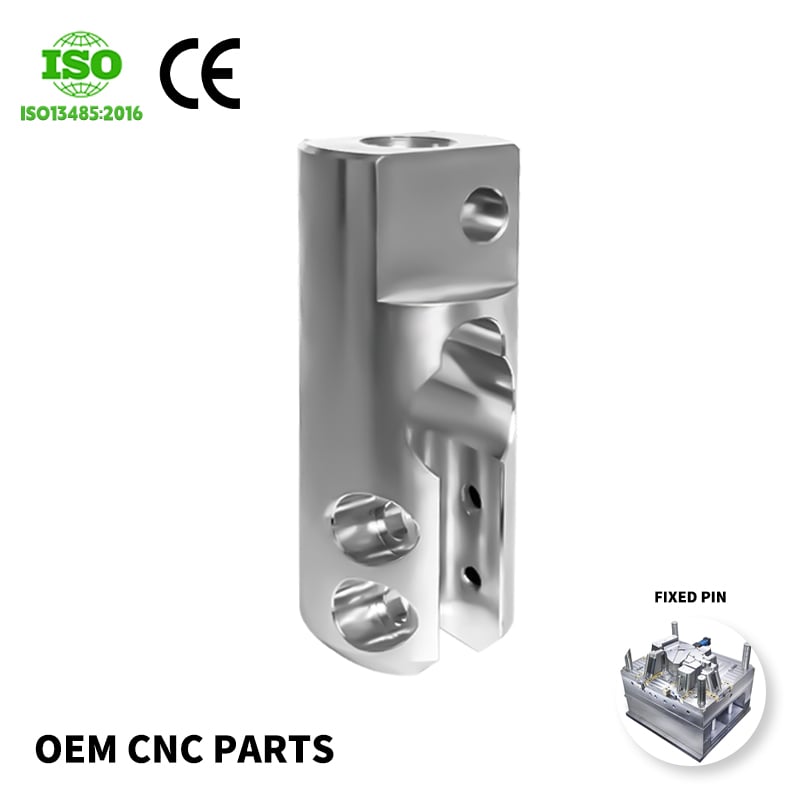
Distortion in thin-walled aluminum cnc parts represents one of the most persistent challenges in modern precision manufacturing. When material is removed during CNC machining, residual stresses are released unevenly, causing the thin walls to warp, bend, or shift out of tolerance. This distortion occurs because aluminum has excellent thermal conductivity combined with lower rigidity compared to steel, making it inherently more susceptible to deformation. Understanding the root causes and implementing systematic prevention strategies is essential for producing consistent, high-quality aluminum cnc parts that meet strict dimensional tolerances.
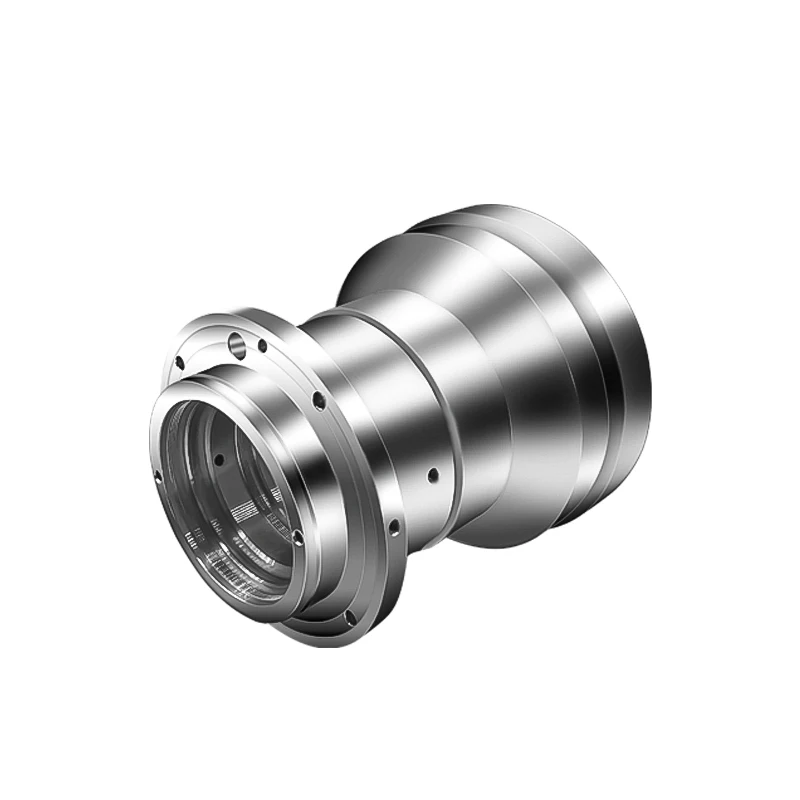
Manufacturing thin-walled aluminum cnc parts successfully requires a multi-faceted approach that combines design optimization, process control, tooling strategy, and thermal management. Each element works together to minimize stress concentration, reduce heat generation, and maintain dimensional stability throughout the machining cycle. Engineers and manufacturers who master these techniques gain a competitive advantage by delivering parts that consistently meet specifications without costly rework or scrap.
Design and Material Selection Strategies
Optimizing Part Geometry for Distortion Resistance
The foundation of distortion prevention begins during the design phase. Wall thickness uniformity is critical; abrupt transitions between thick and thin sections create stress concentration points that amplify distortion when material is removed. Gradual transitions, rounded corners, and strategic ribbing patterns distribute stress more evenly, reducing the likelihood of warping. Additionally, designers should consider the sequence in which material will be removed. Removing material symmetrically from both sides of thin-walled aluminum cnc parts helps maintain balanced stress distribution and minimizes asymmetric distortion. Web and boss designs that provide internal support without adding excessive weight further enhance rigidity during machining.
Selecting Appropriate Aluminum Alloys
Different aluminum alloys exhibit varying susceptibility to distortion. Alloys like 6061-T6 and 7075-T73 offer good machinability and moderate stress relief characteristics, making them suitable for many precision applications. The temper condition significantly influences mechanical properties and residual stress levels in the raw material. Annealed or stress-relieved aluminum exhibits lower initial residual stress, which translates to less distortion during CNC machining. For critical thin-walled aluminum cnc parts, specifying material that has been properly stress-relieved during initial casting or heat treatment can substantially reduce final distortion.
Advanced CNC Machining Techniques
Strategic Tool Path and Cutting Parameters
Cutting parameters directly influence both heat generation and mechanical stress on thin-walled aluminum cnc parts. High spindle speeds reduce cutting forces by promoting shearing rather than compression, lowering the bending stress on fragile walls. Progressive depth of cut prevents sudden stress release that causes sudden deflection. Climb milling, when used correctly with rigid setups, can reduce cutting forces compared to conventional milling, though care must be taken to prevent tool engagement issues. Feed rates should be optimized to maintain continuous chip removal without rubbing or built-up edges, which create uneven heating and additional stress. Step-down approach tactics, where material is removed in multiple passes from progressively deeper levels, allow stress to dissipate gradually rather than all at once, significantly reducing distortion in thin-walled aluminum cnc parts.
Fixture Design and Workholding Stability
Inadequate clamping causes deflection during cutting, directly contributing to distortion. Custom fixtures that support thin-walled aluminum cnc parts near the machining zone without over-constraining the part prevent unwanted movement while allowing thermal expansion. Soft-jaw fixtures distribute clamping force over larger areas, reducing localized deformation. The fixture must be rigid enough to dampen vibration, which amplifies cutting forces and creates additional mechanical stress. Strategic placement of support points directly opposite cutting forces ensures that the thin walls remain stable throughout the operation. For extremely delicate geometries, partial-cut holding—where the fixture releases the part partway through the cycle after initial stress has stabilized—can further minimize distortion.
Thermal Management and Process Control
Cooling and Heat Dissipation Methods
Heat is a primary driver of distortion in thin-walled aluminum cnc parts because thermal expansion is rapid and uneven during machining. High-pressure coolant systems, including through-spindle delivery, concentrate cooling directly at the cutting zone, preventing localized overheating that causes dimensional shifts. The choice of coolant chemistry matters; some formulations offer superior heat transfer and rust protection for aluminum. Air-cooling alone is insufficient for precision applications; liquid cooling systems that maintain consistent part temperature throughout machining are essential. Intermittent machining with dwell periods allows thermal equilibrium to be reached, preventing cumulative heat buildup. Post-machining stabilization, where finished parts rest in a temperature-controlled environment before final inspection, ensures that any residual thermal stress has dissipated and that dimensions have settled to their final state.
Monitoring and Adaptive Process Control
Real-time spindle load monitoring detects unexpected forces that indicate deflection or chatter, allowing operators to adjust parameters before distortion occurs. Some advanced CNC systems employ in-process measurement and adaptive control, automatically adjusting tool paths based on actual part dimensions as machining progresses. This closed-loop approach maintains target tolerances even as the part changes rigidity throughout the operation. Temperature sensors on the part or fixture provide feedback for controlling coolant delivery and feed rates. Regular inspection at intermediate stages of complex thin-walled aluminum cnc parts allows detection of early distortion and corrective action before the part is ruined.
FAQ
Why do thin-walled aluminum parts distort more than steel parts?
Aluminum has a lower modulus of elasticity and higher thermal conductivity than steel, meaning it deflects more easily under cutting forces and responds more dramatically to temperature changes. Thin walls provide minimal resistance to bending, and aluminum's tendency to conduct and expand heat quickly throughout the part creates uneven thermal stress. These properties combine to make aluminum cnc parts inherently more prone to distortion unless specific countermeasures are implemented during design and machining.
Can distortion in aluminum cnc parts be corrected after machining?
Minor distortion in some aluminum cnc parts can be corrected through stress-relief heat treatment or mechanical straightening, but the process is costly, time-consuming, and risks introducing new defects. It is far more cost-effective to prevent distortion during the initial machining process through proper technique, fixturing, and parameter control. Critical applications typically cannot tolerate post-machining correction, making prevention the only viable approach.
What is the most important factor in preventing distortion?
While multiple factors contribute, thermal management and cooling are typically the most critical because uncontrolled heat causes rapid, unpredictable expansion and stress in aluminum cnc parts. Equally important is rigorous fixturing and tool path strategy that minimizes cutting forces and distributes stress evenly. The combination of all these elements—design, tooling, parameters, cooling, and monitoring—working together yields the most reliable distortion prevention for precision aluminum cnc parts.