
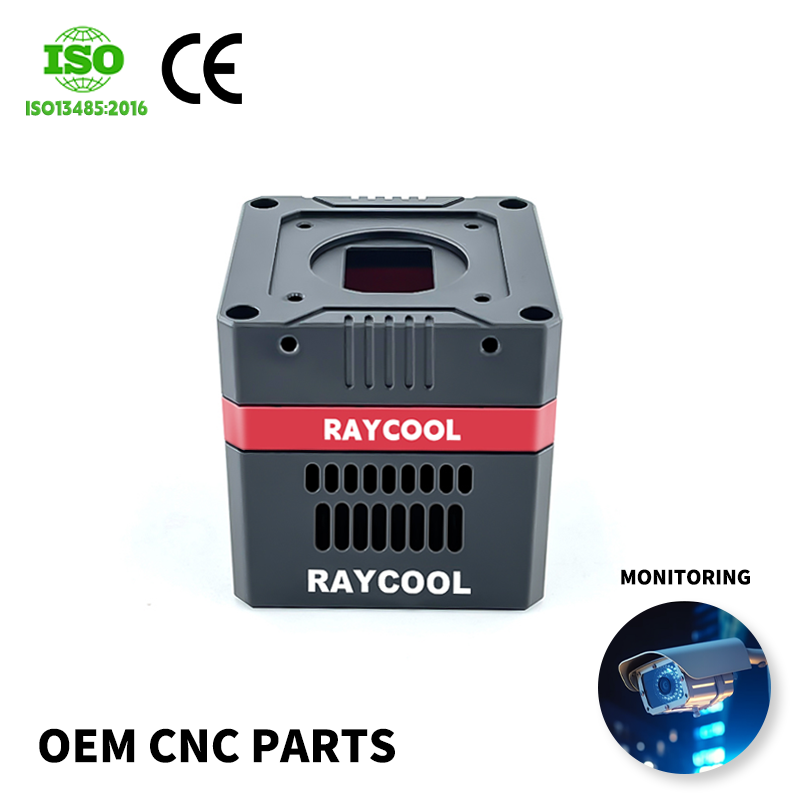
Sourcing durable parts requires understanding the manufacturing processes that deliver precision and reliability at scale. Robotics CNC machining has become the industry standard for producing high-quality components that meet strict tolerances and perform consistently in demanding applications. Whether you are developing automation equipment, industrial machinery, or precision instruments, the ability to source parts through advanced robotics CNC machining ensures your products maintain competitive advantage and customer satisfaction. This guide explores how to navigate the sourcing process, evaluate suppliers, and secure components that will withstand real-world operational stress.
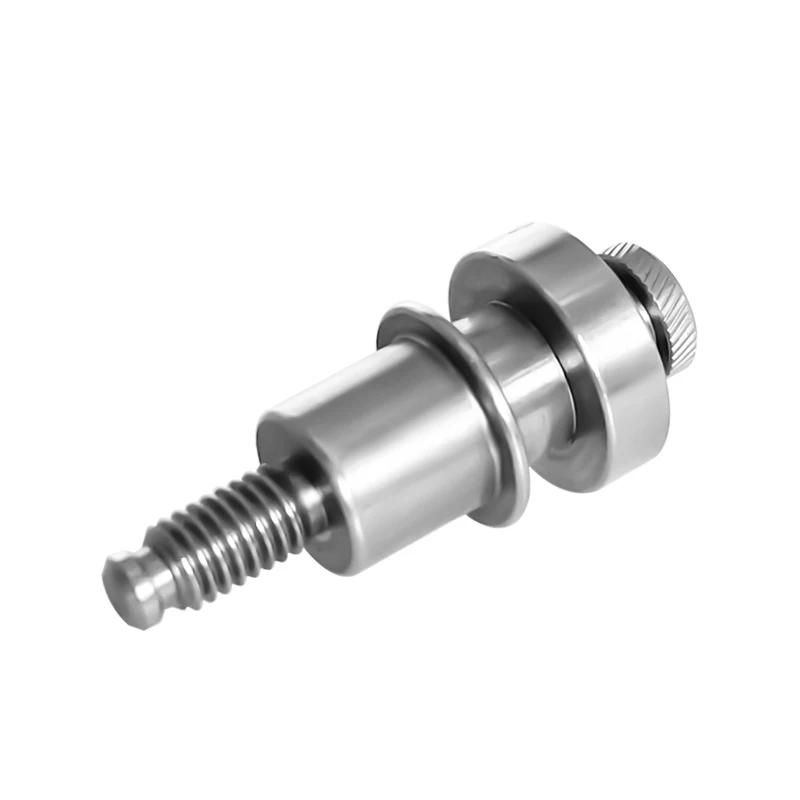
The shift toward robotics CNC machining reflects a broader industrial transformation where automation drives both efficiency and quality. Unlike traditional manual machining, CNC systems controlled by robotic automation eliminate human error, ensure consistency across production runs, and reduce waste. This technological advantage directly translates into durable parts that perform reliably over extended lifecycles. Understanding how to source these parts means recognizing the capabilities of advanced manufacturing facilities, the material science behind component durability, and the contractual frameworks that guarantee quality outcomes.
Understanding Robotics CNC Machining Capabilities
Precision and Tolerance Control
Robotics CNC machining delivers precision at micron-level tolerances, which is essential for parts that must fit seamlessly within complex assemblies. Modern five-axis and multi-axis CNC centers controlled by robotic systems can produce intricate geometries that would be impossible or prohibitively expensive using conventional methods. The repeatability of robotics CNC machining means that the first component matches specifications exactly as the thousandth component does, eliminating batch-to-batch variation that compromises durability. When sourcing durable parts, precision is not merely an aesthetic benefit; it directly impacts how well components interface with other parts, how evenly loads distribute, and how long the entire assembly functions without premature failure.
Material Compatibility and Properties
Durable parts sourced via robotics CNC machining can be produced from virtually any machinable material, including stainless steel, aluminum alloys, titanium, brass, and engineered plastics. The choice of material significantly influences durability, corrosion resistance, thermal performance, and cost. Robotics CNC machining accommodates both soft and hard materials, allowing suppliers to select the optimal material for your application's environmental and operational demands. When evaluating suppliers, clarify material certifications, hardness specifications, and traceability to ensure that the parts you receive possess the material properties necessary for long-term durability.
Evaluating Suppliers for Quality and Reliability
Certifications and Quality Systems
Reliable suppliers of durable parts through robotics CNC machining maintain formal quality management systems such as ISO 9001, ISO 13485 for medical applications, or AS9100 for aerospace. These certifications indicate that the supplier operates documented processes, conducts rigorous inspections, and maintains traceability of components from raw material through final delivery. When sourcing parts, request copies of relevant certifications and ask about their third-party audit frequency. Additionally, inquire about the supplier's inspection capabilities, including CMM (coordinate measuring machine) verification, surface finish testing, and dimensional sampling plans. A supplier that invests in quality infrastructure demonstrates commitment to delivering durable parts that perform as engineered.
Production Capacity and Lead Times
Sourcing durable parts via robotics CNC machining requires understanding the supplier's production capacity, equipment diversity, and scheduling flexibility. Facilities with multiple CNC machines, robotic handling systems, and secondary operations like heat treatment or surface coating can handle complex projects without bottlenecks. Discuss prototype development timelines, minimum order quantities, and lead times for ongoing production runs. A supplier with robust capacity can accommodate your growth without compromising quality or forcing you to seek alternative sources mid-project. Additionally, ask about their contingency planning; suppliers with redundant equipment and backup facilities provide supply chain security that protects your operations from unexpected disruptions.
Designing for Manufacturability and Durability
Design Collaboration with Suppliers
Sourcing durable parts becomes more efficient when you engage suppliers early in the design phase. Experienced manufacturers working with robotics CNC machining can identify design features that enhance both manufacturability and durability. They can recommend wall thicknesses, draft angles, fillet radii, and material selections that reduce stress concentrations and extend component life. Suppliers may also suggest manufacturing sequences that optimize the use of robotics CNC machining capabilities, reducing costs without compromising quality. This collaborative approach transforms sourcing from a transactional vendor selection process into a strategic partnership that delivers superior durable parts.
Testing and Validation Protocols
Durable parts should be validated through rigorous testing before full production commitment. Discuss with your supplier what testing protocols they recommend for your application, whether mechanical testing, accelerated life testing, environmental chamber testing, or fatigue analysis. Robotics CNC machining enables production of prototype batches for testing purposes, allowing you to validate component performance before scaling to full production. Request first-article inspection reports that document initial production samples against all design specifications. This validation step, while adding time upfront, prevents costly failures in the field and confirms that your sourcing strategy delivers parts that meet durability expectations.
FAQ
What materials work best with robotics CNC machining for durable parts?
Stainless steel and aluminum alloys are popular choices for durable parts via robotics CNC machining due to their corrosion resistance and strength-to-weight ratios. Titanium offers exceptional durability for extreme environments but requires specialized machining expertise. The optimal material depends on your application's temperature, chemical exposure, mechanical stress, and cost constraints. Discuss your specific environmental and operational requirements with your supplier to select the material that maximizes component durability and lifecycle value.
How do I ensure consistency across multiple production runs when sourcing parts via robotics CNC machining?
Consistency is guaranteed through formal process control, documented work instructions, and statistical monitoring by your supplier. Establish a robotics cnc machining agreement that specifies sampling plans, inspection frequency, and acceptable defect rates. Request control charts and statistical process control data showing how critical dimensions remain stable across production batches. Regular first-article inspections on new production runs confirm that the supplier maintains specifications consistently over time.
What lead time should I expect when sourcing durable parts through robotics CNC machining?
Lead times vary based on part complexity, production queue, and order volume. Simple parts may be completed within two to four weeks, while complex multi-axis components requiring secondary operations may take six to twelve weeks. Discuss your project timeline with potential suppliers early in your sourcing process to identify facilities that can meet your schedule. Building relationships with suppliers who maintain buffer capacity allows you to negotiate shorter lead times for urgent requirements without sacrificing the durability and quality standards your applications demand.