
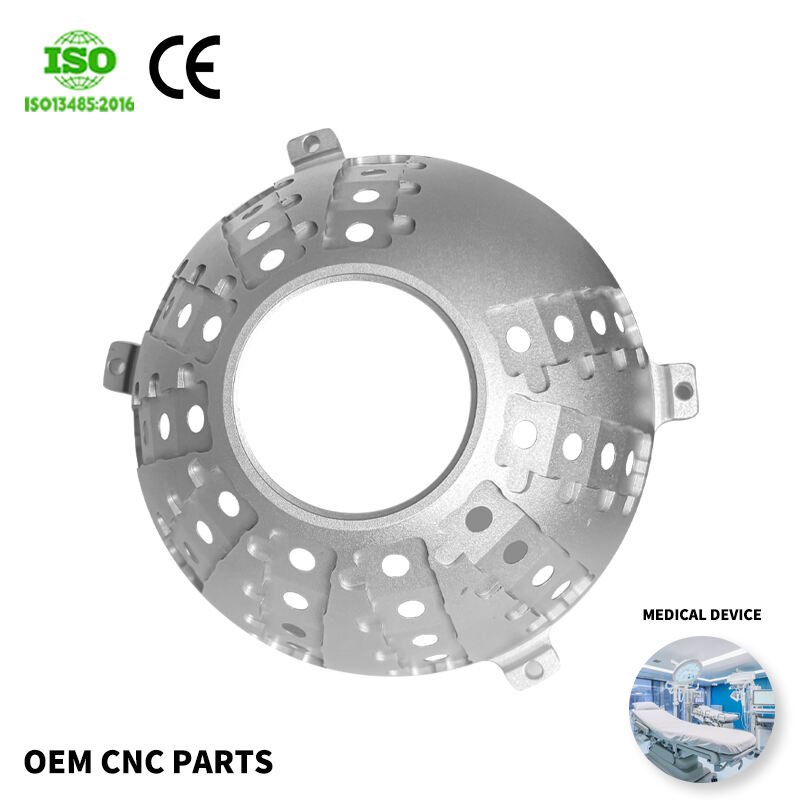
Aluminum alloy machining has become an essential process in modern manufacturing, particularly for industries requiring lightweight yet durable components. The unique properties of aluminum alloys make them ideal for applications ranging from aerospace components to automotive parts, where precision and reliability are paramount. Understanding the intricacies of machining these materials effectively can significantly impact product quality and manufacturing efficiency.
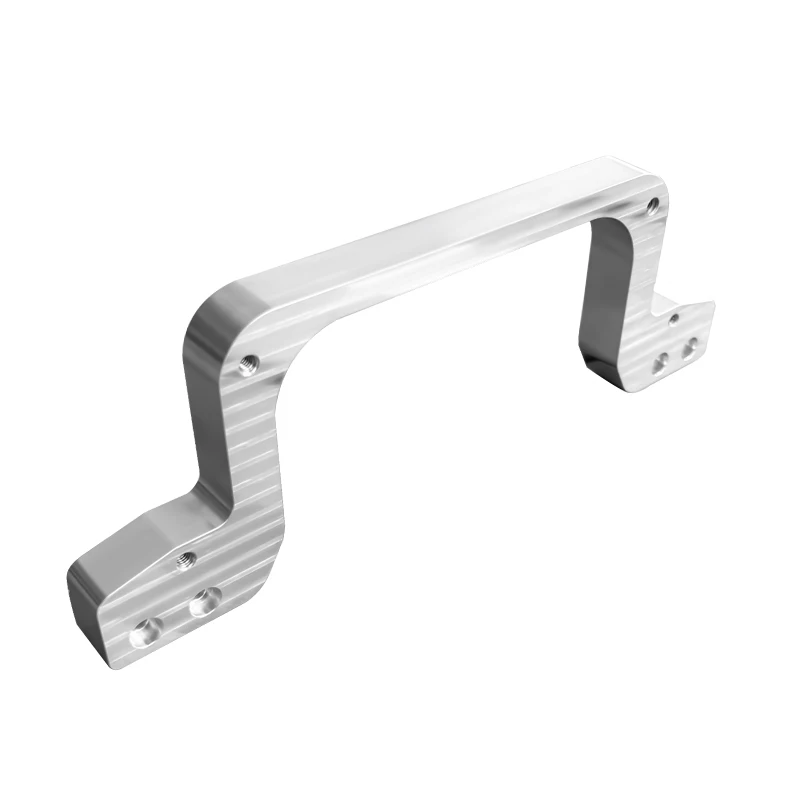
The demand for high-precision aluminum components continues to grow across various sectors, driven by the material's excellent strength-to-weight ratio and corrosion resistance. Manufacturers must navigate specific challenges when working with aluminum alloys, including thermal management, tool selection, and achieving consistent dimensional accuracy. These factors directly influence the success of machining operations and the final product's performance characteristics.
Modern machining techniques have evolved to address the unique requirements of aluminum processing, incorporating advanced cutting strategies, specialized tooling, and optimized parameters. The selection of appropriate machining methods depends on factors such as alloy composition, part geometry, tolerance requirements, and production volume. Successful implementation requires a comprehensive understanding of both material properties and machining fundamentals.
Understanding Aluminum Alloy Properties for Machining
Material Characteristics and Machinability
Aluminum alloys exhibit distinct characteristics that influence their machinability compared to other materials. The relatively low melting point of aluminum, typically ranging from 475°C to 635°C depending on the specific alloy, creates both opportunities and challenges during machining operations. This property allows for faster cutting speeds but also increases the risk of thermal-related issues such as built-up edge formation and workpiece distortion.
The ductile nature of aluminum alloys contributes to excellent formability but can lead to challenges in achieving clean surface finishes. The material's tendency to adhere to cutting tools requires careful consideration of tool geometry, coating selection, and cutting parameters. Additionally, the high thermal conductivity of aluminum helps dissipate heat generated during machining, which can be advantageous for maintaining dimensional stability.
Different aluminum alloy series exhibit varying machining characteristics based on their alloying elements and heat treatment conditions. For instance, 6000 series alloys containing magnesium and silicon typically machine well with standard tooling, while 7000 series alloys with zinc additions may require more specialized approaches due to their higher strength levels.
Heat Treatment Effects on Machining Performance
The heat treatment condition of aluminum alloys significantly impacts their machining behavior and the strategies required for optimal processing. Annealed alloys, while softer and more ductile, may present challenges with chip formation and surface finish due to their tendency to deform plastically. These materials often require sharp cutting edges and positive rake angles to minimize cutting forces and prevent material smearing.
Solution-treated and aged alloys generally offer better machinability due to their increased hardness and reduced ductility. The precipitation hardening process creates fine precipitates throughout the material structure, which can help break chips and improve surface finish quality. However, these harder alloys may require more robust tooling and carefully controlled cutting parameters to prevent premature tool wear.
Understanding the relationship between heat treatment and machining performance allows manufacturers to optimize their processes for specific applications. In some cases, it may be beneficial to machine components in a softer condition and then apply final heat treatment, while other applications may require machining in the final hardened state to maintain dimensional accuracy.
Tool Selection and Cutting Parameters
Cutting Tool Materials and Geometries
The selection of appropriate cutting tools is crucial for successful aluminum alloy machining operations. Carbide tools with sharp cutting edges and polished surfaces typically provide the best results, as they minimize the tendency for aluminum to adhere to the tool surface. The tool geometry should feature positive rake angles to reduce cutting forces and promote efficient chip evacuation.
Polycrystalline diamond (PCD) tools offer exceptional performance for high-volume aluminum machining applications, providing superior surface finish and extended tool life. These tools maintain their sharp cutting edges longer than conventional carbide tools, resulting in consistent part quality and reduced tool change frequency. However, the higher initial cost of PCD tools must be justified by the production requirements and economic considerations.
Tool coatings can significantly impact machining performance when properly selected for aluminum applications. Diamond-like carbon (DLC) coatings provide excellent release properties and reduce the tendency for aluminum buildup on cutting edges. Titanium-based coatings, while popular for steel machining, may not be optimal for aluminum due to their potential to promote material adhesion.
Optimizing Cutting Speeds and Feeds
Aluminum alloys generally allow for much higher cutting speeds compared to ferrous materials, with surface speeds often exceeding 1000 meters per minute depending on the specific application and tooling. The high thermal conductivity of aluminum helps dissipate heat generated during cutting, enabling these aggressive parameters while maintaining dimensional accuracy and surface quality.
Feed rates must be carefully balanced to achieve optimal chip formation and surface finish. Too low feed rates can result in rubbing rather than cutting, leading to poor surface quality and potential tool damage. Conversely, excessive feed rates may cause vibration, dimensional inaccuracy, or tool breakage. The optimal feed rate typically ranges from 0.1 to 0.5 millimeters per tooth, depending on the cutting tool diameter and workpiece requirements.
Depth of cut selection depends on the rigidity of the machine tool setup, workpiece constraints, and desired surface finish. Lighter cuts with higher speeds often produce better results than heavy cuts at lower speeds, particularly when tight tolerances or superior surface finishes are required. The axial and radial depths of cut should be optimized to maintain consistent chip loads and prevent tool deflection.
Advanced Machining Strategies
High-Speed Machining Techniques
High-speed machining (HSM) techniques have revolutionized aluminum alloy processing by enabling dramatic increases in material removal rates while maintaining precision and surface quality. The implementation of HSM requires careful consideration of machine tool capabilities, including spindle speed ratings, acceleration characteristics, and control system responsiveness. Modern CNC machines designed for HSM can achieve spindle speeds exceeding 20,000 RPM with precise control.
The benefits of HSM for aluminum machining extend beyond increased productivity to include improved surface finish quality and reduced cutting forces. The high cutting speeds generate smaller, more manageable chips that evacuate more easily from the cutting zone. This improved chip evacuation reduces the likelihood of re-cutting and helps maintain consistent surface quality throughout the machining process.
Successful HSM implementation requires optimization of toolpath strategies to maintain consistent chip loads and minimize sudden direction changes that could cause tool breakage or surface quality issues. Adaptive toolpaths that automatically adjust cutting parameters based on material conditions can further enhance the benefits of high-speed machining for aluminum components.
Precision Finishing Operations
Achieving the tight tolerances required for high-precision aluminum parts often necessitates specialized finishing operations beyond conventional roughing and semi-finishing passes. Fine finishing strategies typically employ smaller diameter tools with multiple light passes to gradually approach final dimensions while maintaining excellent surface quality and dimensional accuracy.
The use of ball-end mills and specialized finishing tools can produce superior surface textures on complex geometries, such as curved surfaces and intricate features. These tools require precise programming to maintain consistent stepover distances and cutting conditions throughout the toolpath. The selection of appropriate stepover values balances surface quality requirements with machining time considerations.
Coolant application becomes particularly critical during precision finishing operations to maintain thermal stability and prevent workpiece distortion. Flood coolant or high-pressure coolant systems help control temperatures and flush chips away from the cutting zone, while mist coolant applications can provide adequate cooling for lighter finishing cuts without interfering with surface finish quality.
Quality Control and Inspection Methods
In-Process Monitoring Systems
Modern aluminum alloy machining operations increasingly rely on in-process monitoring systems to ensure consistent quality and prevent defects before they occur. These systems utilize various sensing technologies, including vibration monitoring, acoustic emission detection, and spindle power measurement, to identify potential issues during machining operations. Real-time monitoring enables immediate adjustments to cutting parameters or tool replacement before quality problems develop.
Temperature monitoring systems help prevent thermal-related issues that can affect dimensional accuracy and surface quality in aluminum machining. Infrared sensors and embedded thermocouples can provide continuous feedback on workpiece and cutting tool temperatures, allowing for automatic adjustment of coolant flow rates or cutting parameters to maintain optimal thermal conditions.
Adaptive control systems integrate multiple monitoring inputs to automatically optimize machining parameters in real-time. These systems can adjust feed rates, spindle speeds, and coolant flow based on measured cutting forces, vibration levels, and temperature readings. The implementation of such systems requires careful calibration and validation but can significantly improve process consistency and reduce scrap rates.
Post-Machining Inspection Techniques
Coordinate measuring machines (CMMs) remain the gold standard for dimensional inspection of precision aluminum components, offering measurement accuracies within micrometers when properly calibrated and operated. The thermal expansion characteristics of aluminum require careful consideration during CMM measurements, including temperature compensation and thermal equilibrium procedures to ensure accurate results.
Optical inspection systems provide rapid, non-contact measurement capabilities that are particularly well-suited for aluminum components with complex geometries or delicate features. These systems can measure surface profiles, detect defects, and verify dimensional compliance without the risk of workpiece damage associated with contact measurement methods. The reflective nature of aluminum surfaces may require specialized lighting and imaging techniques to achieve optimal results.
Surface roughness measurement becomes critical for aluminum components used in applications where friction, sealing, or aesthetic appearance are important considerations. Portable surface roughness instruments allow for quick measurements at multiple locations on machined surfaces, while more sophisticated profilometers can provide detailed analysis of surface texture characteristics and their relationship to functional requirements.
Troubleshooting Common Machining Issues
Surface Finish Problems and Solutions
Poor surface finish in aluminum machining often results from built-up edge formation on cutting tools, which occurs when aluminum particles adhere to the tool surface and subsequently affect the cutting action. This issue can be mitigated through proper tool selection, including tools with sharp cutting edges, appropriate rake angles, and coatings designed to reduce aluminum adhesion. Regular tool inspection and replacement schedules help prevent surface quality degradation.
Vibration-related surface finish problems can arise from insufficient machine rigidity, improper workholding, or excessive cutting parameters. The identification of vibration sources requires systematic analysis of the machining setup, including evaluation of spindle condition, tool holder concentricity, and workpiece clamping effectiveness. Dynamic balancing of rotating components and optimization of cutting parameters can significantly reduce vibration-induced surface defects.
Feed marks and other periodic surface irregularities typically indicate issues with machine tool accuracy or cutting tool geometry. These problems may require adjustment of feed rates, tool geometry modifications, or machine tool calibration to achieve the desired surface quality. The use of specialized finishing tools and optimized toolpaths can help minimize these surface defects in critical applications.
Dimensional Accuracy Challenges
Thermal expansion of aluminum workpieces during machining can cause significant dimensional variations if not properly controlled. The coefficient of thermal expansion for aluminum is approximately 23 micrometers per meter per degree Celsius, making temperature control crucial for achieving tight tolerances. Effective coolant application, proper work scheduling, and thermal equilibrium procedures help minimize thermal-related dimensional errors.
Tool deflection becomes a critical factor when machining thin-walled aluminum components or using long, slender cutting tools. The calculation of tool deflection requires consideration of cutting forces, tool geometry, and setup rigidity to predict and compensate for dimensional deviations. The use of shorter, more rigid tools and optimized cutting parameters can significantly reduce deflection-related accuracy problems.
Workpiece deflection during clamping or machining operations can introduce systematic errors that affect dimensional accuracy and geometric tolerances. Proper fixture design, including adequate support points and controlled clamping forces, helps minimize workpiece distortion. Finite element analysis tools can assist in optimizing fixture designs for specific component geometries and material properties.
FAQ
What cutting speeds are recommended for aluminum alloy machining?
Cutting speeds for aluminum alloys typically range from 300 to 1500 meters per minute, depending on the specific alloy, cutting tool material, and application requirements. Softer aluminum alloys can accommodate higher cutting speeds, while harder or work-hardened materials may require more conservative parameters. The key is to maintain sharp cutting edges and adequate chip evacuation while avoiding excessive heat generation that could cause workpiece distortion or tool wear.
How can I prevent aluminum from sticking to cutting tools?
Preventing aluminum buildup on cutting tools requires a combination of proper tool selection, cutting parameter optimization, and effective coolant application. Use tools with sharp cutting edges, positive rake angles, and appropriate coatings such as diamond-like carbon or uncoated carbide with polished surfaces. Maintain adequate cutting speeds to prevent material welding, apply flood coolant for chip evacuation, and consider compressed air to blow chips away from the cutting zone.
What are the best practices for achieving tight tolerances in aluminum machining?
Achieving tight tolerances in aluminum machining requires careful attention to thermal management, tool selection, and setup rigidity. Maintain consistent coolant temperature and flow rate, use high-quality cutting tools with minimal runout, ensure proper workpiece clamping without over-constraint, and implement temperature compensation in measurement procedures. Consider using finishing operations with light cuts and slower feed rates for final dimensions, and validate processes through statistical process control methods.
Which aluminum alloys are easiest to machine?
The 6000 series aluminum alloys, particularly 6061 and 6063, are generally considered among the easiest to machine due to their balanced combination of strength, ductility, and chip-forming characteristics. These alloys respond well to standard machining practices and tooling. The 2000 and 7000 series alloys can be more challenging due to their higher strength levels and tendency to work harden, while pure aluminum and soft alloys may present difficulties with surface finish due to their ductile nature and tendency to smear.