
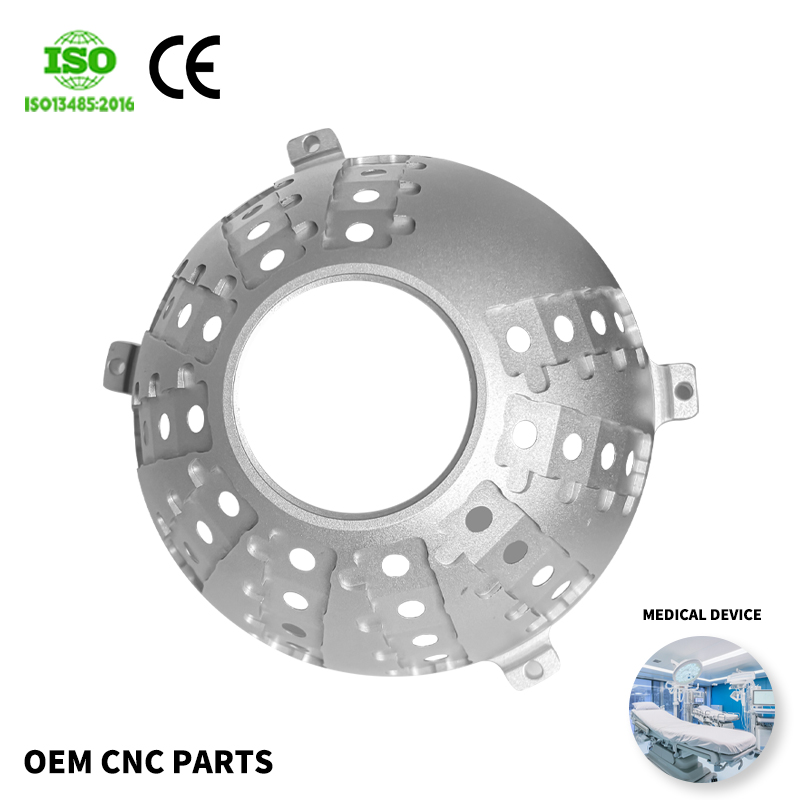
Optimizing designs for cnc parts manufacturing is essential for achieving cost-effective production, superior precision, and faster lead times. Whether you are designing aerospace components, automotive parts, or industrial equipment, understanding how to create designs that align with CNC capabilities ensures your parts are manufactured efficiently without compromising quality. The optimization process begins during the design phase and continues through material selection, feature placement, and production planning.
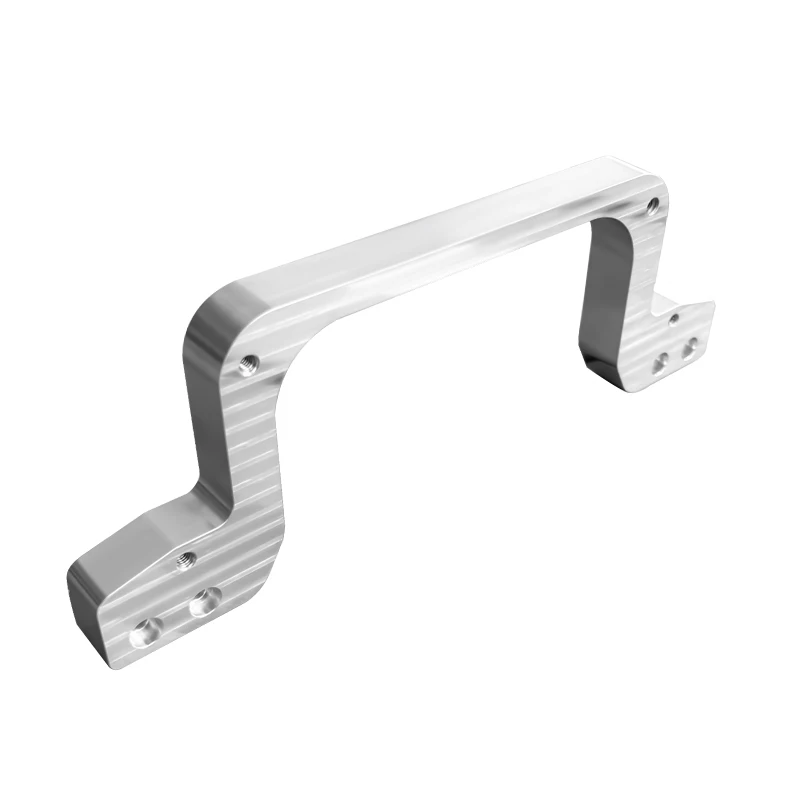
The success of cnc parts manufacturing depends on how well your design accounts for machine capabilities, tool limitations, and material behavior. When designs are optimized early, manufacturers can reduce scrap rates, minimize rework, and deliver parts on schedule while maintaining tight tolerances. This article explores practical strategies for optimizing your designs to work seamlessly with CNC machining processes.
Understanding CNC Design Constraints and Capabilities
Material Selection and Machinability
Material choice directly impacts cnc parts manufacturing efficiency and final part quality. Aluminum, steel, titanium, and composite materials each respond differently to cutting tools and speeds. Machinable materials have predictable chip formation, consistent tool life, and stable dimensional accuracy during cnc parts manufacturing. Before finalizing your design, verify that your chosen material is readily available, cost-effective, and proven for your application.
Machinability ratings indicate how easily a material cuts and how long tools remain sharp. High-machinability materials reduce cycle time and tool wear, lowering production costs. When designing for cnc parts manufacturing, select materials with ratings suitable for your tolerance requirements and production volume. Material hardness, ductility, and thermal properties all influence the optimization approach needed for successful machining.
Tool Access and Feature Geometry
CNC tools must physically reach every feature on your part during cnc parts manufacturing. Deep cavities, narrow slots, and complex undercuts often require custom tool paths or multiple setups, increasing cost and reducing accuracy. Design features with adequate clearance for cutting tools, and avoid geometries that force tools to work at extreme angles or extended reaches. Radii and chamfers improve tool engagement and reduce stress on cutting edges.
Wall thickness uniformity simplifies cnc parts manufacturing by ensuring predictable tool loads and consistent surface finishes. Thin walls relative to depth risk deflection and vibration, compromising precision. Design parts so that material thickness supports the cutting forces and maintains dimensional stability throughout the machining process.
Design Strategies for Precision and Efficiency
Tolerance and Surface Finish Optimization
Specifying tighter tolerances than necessary increases cnc parts manufacturing costs and cycle time without adding functional value. Determine the actual tolerance requirements based on part function and assembly needs. Standard tolerances for cnc parts manufacturing typically range from ±0.005 inches for general dimensions to ±0.001 inches for critical features. Tighter tolerances require slower feed rates, sharper tools, and more frequent tool changes.
Surface finish specifications similarly influence production time and tool selection. Smooth finishes demand higher tool quality, lower cutting speeds, and additional finishing operations. Design surfaces with finishes appropriate to function—critical mating surfaces may require Ra 0.8 microinches, while non-critical surfaces tolerate Ra 3.2 or higher. This approach to cnc parts manufacturing balances performance requirements with production economy.
Feature Placement and Setup Minimization
Clustering similar features minimizes the number of machine setups required during cnc parts manufacturing. When features are spread across multiple faces, the part must be repositioned, aligned, and re-clamped, adding time and introducing potential datum shift errors. Group drilling patterns, pocket depths, and surface finishes to complete as much work as possible in each setup. This reduces cumulative tolerance stack-up and improves repeatability.
Symmetrical designs streamline cnc parts manufacturing by allowing machining from a single reference plane whenever possible. When part geometry must be asymmetrical, document clear datum references and dimensioning schemes that match machine coordinate systems. Well-planned feature sequences reduce tool changes and allow operators to maintain optimal cutting conditions throughout the job.
Advanced Optimization Techniques for CNC Manufacturing
CAM Simulation and Toolpath Review
Modern CAM software enables virtual cnc parts manufacturing before any material is cut. Simulate cutting tool paths to identify collisions, undercuts, and inefficient moves that waste time or risk tool breakage. Verify that tool changes occur at practical intervals and that cutting speeds match material properties. Simulation catches design issues early when they are inexpensive to fix, preventing scrap and production delays.
Toolpath optimization during cnc parts manufacturing reduces rapid positioning time, improves tool life, and maintains consistent surface quality. High-speed machining strategies with optimized feeds and speeds minimize thermal stress on tools and workpieces. Real-time feedback during cnc parts manufacturing allows adjustments that maintain target tolerances and surface finish without sacrificing cycle time.
Design for Clamping and Stability
Part stability during cnc parts manufacturing directly affects accuracy and repeatability. Design parts with adequate clamping surfaces that distribute holding force evenly without distorting the workpiece. Avoid thin sections adjacent to clamp points that may deflect under pressure. Integrate locating features into your design that position the part consistently for repeat setups required in cnc parts manufacturing environments.
Consider how workpiece vibration during cnc parts manufacturing impacts tool life and surface finish. Heavier, rigid designs machine more predictably than thin or slender parts prone to chatter. When light parts are unavoidable, plan lower cutting speeds and shorter tool overhangs to maintain cutting stability during cnc parts manufacturing processes.
FAQ
What are the most common design mistakes in CNC parts manufacturing?
Common mistakes include specifying overly tight tolerances that increase cost without functional benefit, designing features inaccessible to standard cutting tools, creating thin walls that deflect during machining, and clustering similar features across multiple part faces. Designers unfamiliar with cnc parts manufacturing often underestimate setup complexity, ignore material machinability, and fail to account for tool deflection at extended reaches. These errors extend cycle time, increase scrap rates, and compromise quality in cnc parts manufacturing projects.
How does material selection affect CNC parts manufacturing costs?
Material machinability directly influences cnc parts manufacturing economics. High-machinability materials like aluminum allow faster cutting speeds, longer tool life, and shorter cycle times, reducing per-part cost. Difficult-to-machine materials like titanium or hardened steel require slower feeds, premium tooling, and frequent tool changes, significantly increasing cnc parts manufacturing expense. Material availability and form factor availability also affect pricing—common stock sizes cost less than special orders for cnc parts manufacturing runs.
What role does CAM software play in design optimization for CNC manufacturing?
CAM software simulates the entire cnc parts manufacturing process, identifying collisions, tool deflection, and inefficient tool paths before production begins. Designers and engineers use CAM to verify that tooling reaches all features, validate clamping strategies, and optimize cutting parameters for cnc parts manufacturing. Simulation capabilities enable rapid iteration and detect design improvements that save time and material, making CAM essential for modern cnc parts manufacturing optimization workflows.