
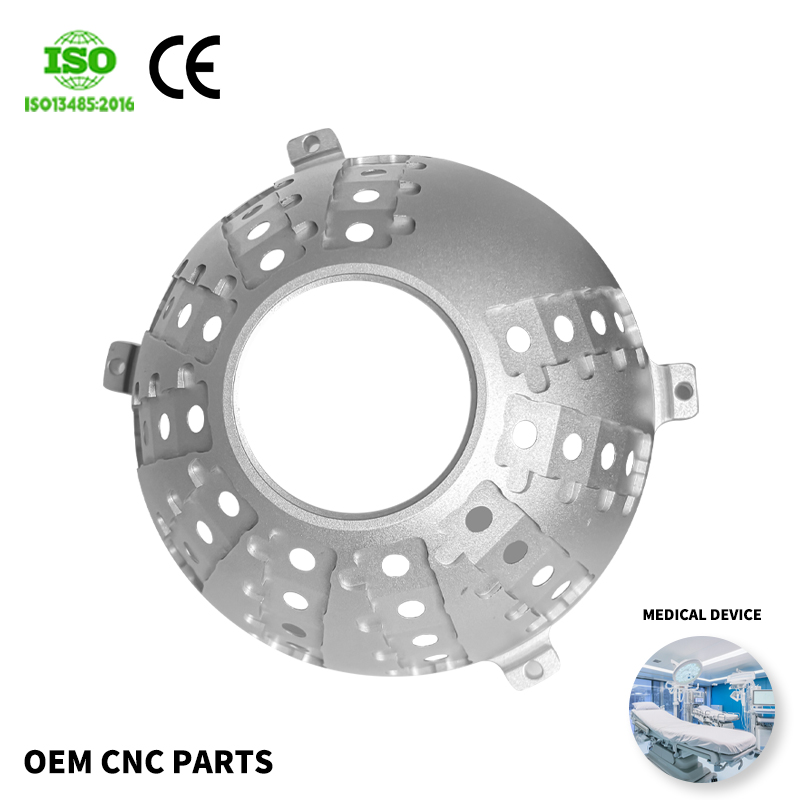
Work hardening represents one of the most persistent challenges in manufacturing stainless steel cnc parts. When austenitic stainless steel undergoes deformation during machining, its surface layer becomes increasingly harder and more brittle, creating significant complications for precision work. This phenomenon occurs because stainless steel lacks ferromagnetic properties and exhibits exceptional ductility, allowing it to absorb enormous amounts of plastic deformation before fracturing. Understanding work hardening mechanisms is essential for any manufacturing operation focused on producing high-quality stainless steel cnc parts consistently.
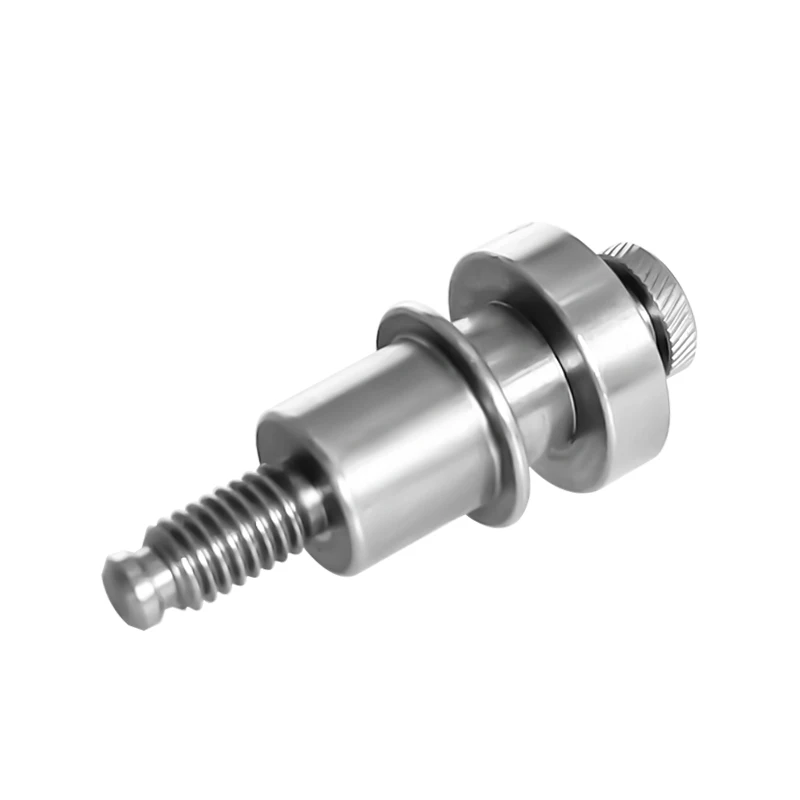
The consequences of work hardening extend far beyond surface roughness. When stainless steel cnc parts develop hardened layers, subsequent machining operations become exponentially more difficult, tool wear accelerates dramatically, and production costs rise substantially. Controlling work hardening during manufacturing directly impacts tool longevity, cycle time reduction, and the final dimensional accuracy of precision components. Operators and engineers must recognize work hardening symptoms early and implement targeted preventive strategies to maintain consistent quality throughout production runs.
Understanding Work Hardening Mechanisms in Stainless Steel
The Metallurgical Foundation of Work Hardening
Austenitic stainless steel contains a face-centered cubic crystal structure that permits extensive plastic deformation without phase transformation. During machining, tool contact creates localized shear stress that forces crystalline planes to slip and reorganize. This dislocation multiplication hardens the material surface, increasing its tensile strength while reducing ductility. The strain-induced martensitic transformation compounds this effect, converting some austenite into harder martensite phases. Temperature increases during cutting accelerate atomic diffusion, further promoting dislocation density growth and surface hardening. Understanding these metallurgical processes guides engineers toward effective prevention strategies for manufacturing stainless steel cnc parts.
Recognition of Work Hardening Symptoms
Identifying work hardening requires attention to specific manufacturing indicators. Surface discoloration, ranging from light blue to dark purple, signals excessive heat and material transformation. Tool chatter and vibration intensification reveal hardened layers resisting cutting action. Increased cutting forces and power consumption demonstrate that the material has become harder and more resistant to deformation. Chip morphology changes reveal underlying material property shifts. Dimensional inconsistency between early and late cutting passes indicates progressive hardening. Operators monitoring these symptoms can intervene before hardened layers compromise part specifications or drastically increase tool replacement frequency.
Optimizing Cutting Conditions to Minimize Hardening
Feed Rate and Speed Calibration
Proper feed rate selection directly influences work hardening development during machining stainless steel cnc parts. Inadequate feed rates create excessive tool contact time, generating tremendous frictional heat that accelerates hardening. Conversely, aggressive feed rates produce thick chips that carry heat away from the workpiece surface, reducing thermal damage. Speed optimization requires balancing tool life against hardening prevention. Lower spindle speeds reduce frictional heat generation but extend contact duration, sometimes increasing overall hardening effects. Higher speeds accelerate chip formation and heat removal but demand superior tool geometry and material. Most stainless steel cnc parts benefit from moderate speeds between 80 and 150 surface feet per minute paired with robust feed rates that generate thick chips.
Tool Geometry Selection
Cutting tool design fundamentally determines heat concentration and stress distribution during machining operations. Positive rake angles reduce cutting forces and frictional heating compared to neutral or negative geometries. Lower back rake angles minimize crater wear while maintaining acceptable cutting efficiency. Nose radius selection affects both surface finish and thermal behavior. Smaller nose radii concentrate cutting stress into narrow zones, creating intense localized heating that promotes work hardening. Larger nose radii distribute stress across broader surface areas, reducing peak temperatures. For stainless steel cnc parts applications, carbide tools with dedicated stainless steel coatings provide superior heat resistance compared to uncoated high-speed steel alternatives, enabling faster cutting speeds that enhance chip evacuation and thermal management.
Cooling and Thermal Management Strategies
Cutting Fluid Selection and Application
Cutting fluid selection represents the most controllable lever for preventing work hardening in stainless steel cnc parts manufacturing. Flood cooling systems deliver generous fluid volumes that absorb frictional heat and wash away chips, maintaining lower surface temperatures throughout machining. Synthetic and semisynthetic fluids provide superior thermal conductivity compared to mineral oil-based coolants, enabling more effective heat transfer. Mist cooling systems reach confined machining zones that flood systems cannot access, particularly in deep cavity or internal feature work. Through-spindle coolant delivery directs fluid precisely to tool-workpiece interfaces where heat generation peaks, maximizing cooling effectiveness. Coolant concentration optimization ensures adequate film strength and thermal properties without excessive cost. Stainless steel cnc parts demand consistent, well-maintained coolant systems that prevent degradation and contamination, which compromises thermal performance and promotes bacterial growth that reduces fluid lifespan.
Thermal Control Through Strategic Tool Changes
Proactive tool replacement schedules prevent catastrophic hardening development before damage occurs. Frequent tool changes maintain sharp cutting edges that reduce frictional heating and cutting forces. Dull tools generate excessive heat through mechanical rubbing, accelerating work hardening in both current and subsequent machining operations. Microgrinding or polishing tool flank surfaces removes built-up work-hardened material and restores flank geometry precision. Tool rotation strategies distributing machining loads across multiple tools prevent any single tool from operating long enough to create severe hardening. Predictive tool life management, informed by cutting force monitoring or chip analysis, enables strategic changes before hardened layers compromise stainless steel cnc parts quality. Temperature sensors integrated into machining centers provide real-time feedback that triggers tool changes when thermal thresholds approach.
FAQ
What causes work hardening in stainless steel machining operations?
Work hardening occurs when austenitic stainless steel undergoes plastic deformation during cutting, causing dislocation multiplication and potential strain-induced martensitic transformation. The combination of mechanical deformation and frictional heat permanently alters the material's crystal structure, increasing surface hardness and brittleness. This phenomenon is particularly pronounced in stainless steel because its face-centered cubic structure permits extensive plastic deformation without phase transformation, allowing tremendous dislocation accumulation.
How does work hardening affect subsequent machining of stainless steel cnc parts?
Hardened surface layers created during initial machining make subsequent operations significantly more difficult. Tool wear accelerates dramatically because hardened material exhibits higher tensile strength and brittleness. Cutting forces increase substantially, demanding more powerful equipment and higher-capacity tool holders. Cycle times extend as operators reduce feed rates and speeds to manage hardened material behavior. Surface finish quality often deteriorates because hardened layers resist smooth deformation and chip formation. These cumulative effects increase manufacturing costs substantially while reducing operational efficiency across entire production runs.
Can work hardening in stainless steel be completely eliminated during machining?
Complete elimination of work hardening during machining is theoretically impossible because any plastic deformation generates some dislocation density increase. However, comprehensive prevention strategies combining optimized cutting conditions, superior tool geometry, effective cooling, and strategic tool changes can reduce work hardening to negligible levels. Most industrial manufacturers achieve acceptable work hardening control through disciplined implementation of multiple strategies simultaneously. Continuous monitoring and adjustment based on surface quality metrics and tool performance ensures that stainless steel cnc parts meet specifications while maintaining acceptable production economics.