
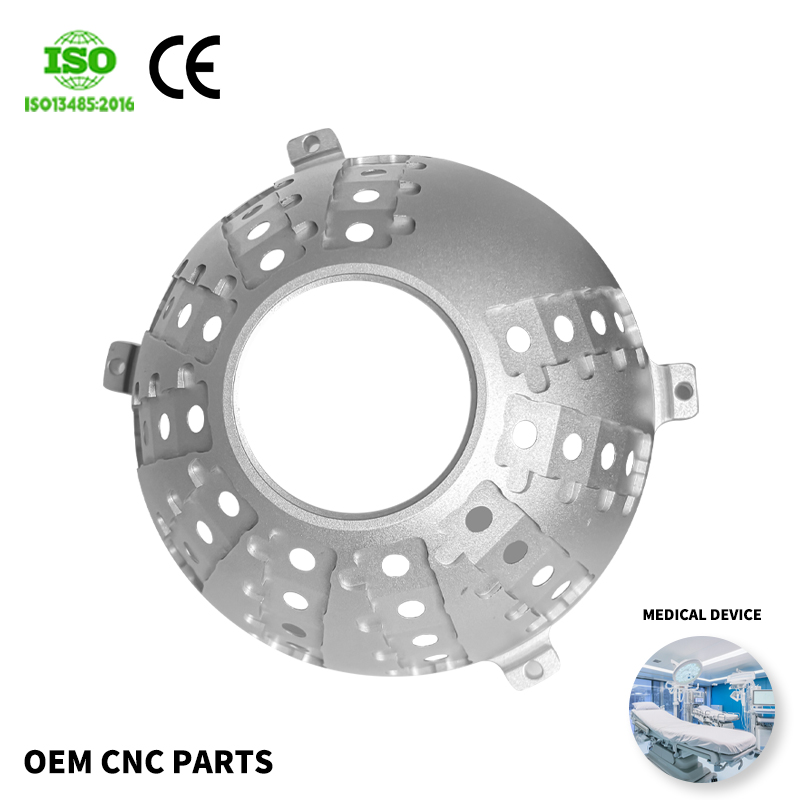
Stainless steel CNC parts are among the most challenging materials to machine in modern manufacturing. Despite their exceptional corrosion resistance and strength, these components demand specialized techniques, advanced tooling, and precise process control. Understanding why stainless steel cnc parts present such difficulties helps manufacturers optimize production, reduce costs, and improve output quality. The material's inherent properties create obstacles that affect cutting speeds, tool longevity, surface finish, and overall production efficiency. This guide explores the core reasons machining stainless steel cnc parts remains difficult and what manufacturers must do to overcome these obstacles.
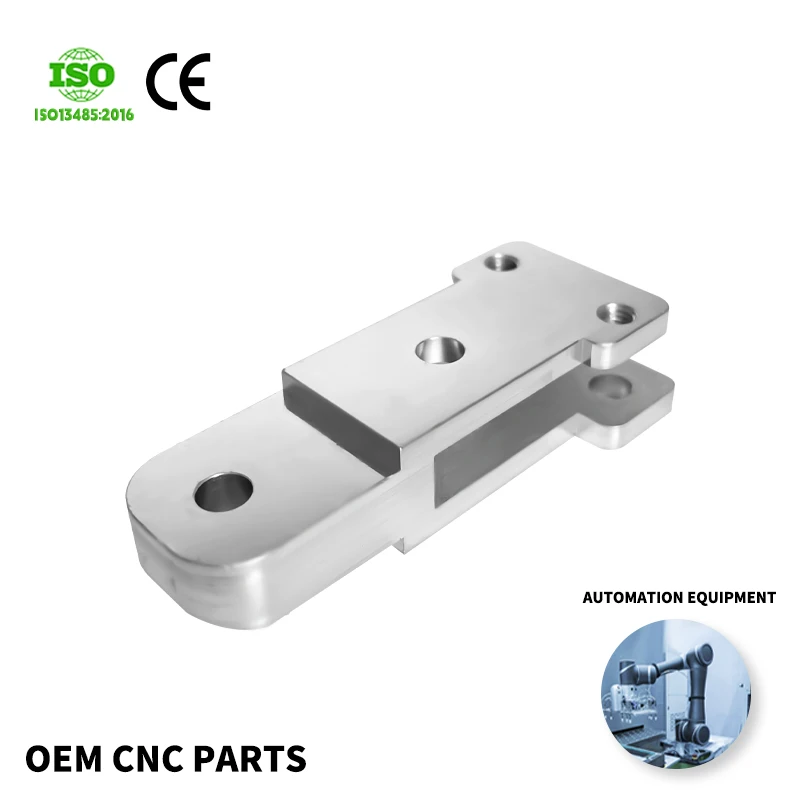
The challenges associated with producing stainless steel cnc parts stem from the material's metallurgical composition and crystalline structure. Austenitic stainless steels, the most common variants used in CNC machining, contain chromium and nickel elements that significantly alter cutting behavior compared to mild steel or aluminum. These alloying elements create a material that is harder to shape, generates excessive heat during machining, and causes rapid tool degradation. When manufacturers attempt to machine stainless steel cnc parts without understanding these specific challenges, they encounter tool breakage, dimensional inaccuracy, poor surface finishes, and increased production downtime. Recognizing these difficulties upfront allows shops to implement appropriate solutions and maintain competitive advantage.
Material Properties That Make Stainless Steel CNC Parts Difficult
High Hardness and Work-Hardening Characteristics
Stainless steel cnc parts exhibit significantly higher hardness than conventional mild steel, requiring greater cutting force to remove material. The austenitic crystal structure of stainless steel cnc parts undergoes work-hardening during machining, meaning the material becomes progressively harder as the cutting tool engages it. This work-hardening effect is particularly pronounced in stainless steel compared to other materials. Each pass of the cutting tool strengthens the subsurface material, creating a harder layer that subsequent tool passes must penetrate. This characteristic forces operators to use lower cutting speeds, which extends cycle times and reduces throughput. The combination of inherent hardness and progressive work-hardening makes producing stainless steel cnc parts significantly more time-intensive than machining softer alloys.
Low Thermal Conductivity and Heat Generation
Another critical factor affecting stainless steel cnc parts is the material's poor thermal conductivity. Unlike aluminum or copper, stainless steel conducts heat away from the cutting zone very slowly. This poor heat dissipation causes temperatures at the tool-material interface to rise dramatically during cutting operations. Extreme heat accelerates tool wear, causes built-up edge formation on cutting tools, and can lead to tool fracture or complete failure. When machining stainless steel cnc parts, the intense localized heat also affects dimensional stability and surface finish quality. Operators must employ aggressive cooling strategies and coolant systems to manage thermal conditions, adding complexity and cost to stainless steel cnc parts production.
Tool Wear and Cutting Tool Challenges
Rapid Tool Degradation and Short Tool Life
Stainless steel cnc parts demand significantly more frequent tool replacement than most other materials due to rapid cutting edge wear. The combination of hardness, work-hardening, and heat generation accelerates flank wear and crater wear on cutting tools at rates far exceeding mild steel machining. Tools designed for stainless steel cnc parts must incorporate specialized coatings and geometries to withstand these harsh conditions, yet even optimized tools experience shortened service life. Tool changeouts become more frequent, increasing production interruptions and labor costs. Many manufacturers struggle to balance tool investment against the reality that stainless steel cnc parts require premium tooling that still wears quickly, making cost management critical.
Built-Up Edge and Surface Finish Issues
When machining stainless steel cnc parts, a phenomenon called built-up edge frequently occurs. This happens when material adheres to the cutting tool's flank and rake faces, creating a larger effective cutting edge. Built-up edge degrades surface finish quality, introduces dimensional variation, and eventually causes catastrophic tool failure. The material's affinity for adhesion at elevated temperatures makes stainless steel cnc parts particularly prone to this problem. Controlling built-up edge requires careful selection of cutting fluid chemistry, cutting speeds, and feed rates. Without proper coolant and technique optimization, stainless steel cnc parts will exhibit poor surface finish and increased scrap rates, directly impacting manufacturing profitability.
Machining Process Constraints and Production Impact
Speed and Feed Rate Limitations
Successfully machining stainless steel cnc parts requires significantly slower cutting speeds compared to aluminum or mild steel. Speeds that work well for other materials will cause immediate tool failure when applied to stainless steel cnc parts. Recommended cutting speeds for stainless steel cnc parts typically range from 40 to 100 surface feet per minute, depending on specific alloy composition and tool geometry. This speed constraint directly extends cycle times and reduces machine utilization efficiency. Additionally, feed rates for stainless steel cnc parts must be carefully controlled to prevent tool chatter and maintain surface quality. The combination of speed and feed restrictions means that production throughput for stainless steel cnc parts remains lower than for alternative materials, affecting cost competitiveness and lead times.
Coolant Requirements and Operational Complexity
Effective coolant management is absolutely critical when producing stainless steel cnc parts. The extreme heat generation during machining demands aggressive cooling to prevent tool failure and maintain dimensional accuracy. Many modern stainless steel cnc parts require specialized coolant formulations that enhance lubricity, improve chip evacuation, and provide superior heat dissipation compared to standard coolants. The coolant system must deliver adequate flow rates to the cutting zone while preventing stainless steel cnc parts from thermal distortion. Coolant management adds operational complexity, increases material costs, and requires regular monitoring to maintain effectiveness. Without proper coolant strategy, attempts to machine stainless steel cnc parts will result in tool breakage, surface defects, and production delays that far outweigh any coolant savings.
FAQ
What specific stainless steel grades are hardest to machine?
Austenitic stainless steels such as 304 and 316 are generally considered harder to machine than ferritic or martensitic variants. These grades offer excellent corrosion resistance and strength, making them valuable for demanding applications, but their composition creates the work-hardening and thermal challenges discussed throughout this guide. Duplex stainless steels present additional difficulties due to their even greater hardness. When specifying materials for stainless steel cnc parts, understanding which grades present the greatest machining challenges helps in planning realistic production timelines and tooling strategies.
How can manufacturers reduce tool wear when machining stainless steel CNC parts?
Several strategies effectively reduce tool wear during stainless steel cnc parts production. Using carbide tools with specialized coatings designed for stainless steel improves tool life significantly compared to high-speed steel alternatives. Implementing rigid machine setups that minimize vibration helps prevent tool chatter and premature failure. Employing high-pressure coolant systems ensures effective heat removal from stainless steel cnc parts cutting zones. Additionally, optimizing cutting speeds and feed rates specific to each stainless steel cnc parts operation, rather than using generic parameters, reduces thermal stress on tools. Regular tool monitoring and preventive tool changes before catastrophic failure also minimize disruptions to stainless steel cnc parts production.
Why does stainless steel CNC parts production cost more than machining other materials?
Multiple factors combine to increase the cost of producing stainless steel cnc parts. Longer cycle times due to speed restrictions directly increase labor allocation per component. Premium tooling and more frequent tool replacement increase material and labor costs. Specialized coolant systems and higher fluid consumption add to operational expenses. Increased machine wear from cutting stainless steel cnc parts at higher loads may require more frequent maintenance. Surface finishing requirements for stainless steel cnc parts often demand secondary operations that don't apply to other materials. When all these factors combine, the total cost of producing stainless steel cnc parts typically exceeds that of comparable components manufactured from easier-to-machine materials.