
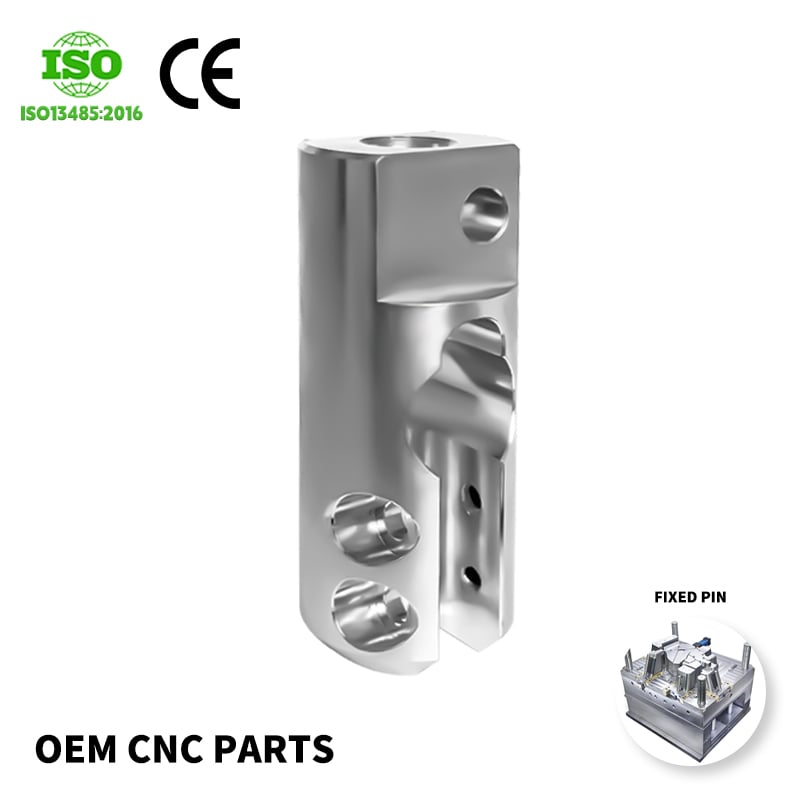
Sourcing cnc precision parts for industrial projects requires a strategic approach that balances cost, quality, lead time, and technical capability. Whether you are developing a new machine, replacing worn components, or scaling production, the supplier selection process directly impacts your project timeline and overall product performance. Industrial manufacturers depend on reliable sources for cnc precision parts that meet exact specifications and regulatory requirements. This guide explores the essential steps to identify, evaluate, and partner with suppliers who can deliver consistent quality and on-time delivery for your industrial applications.
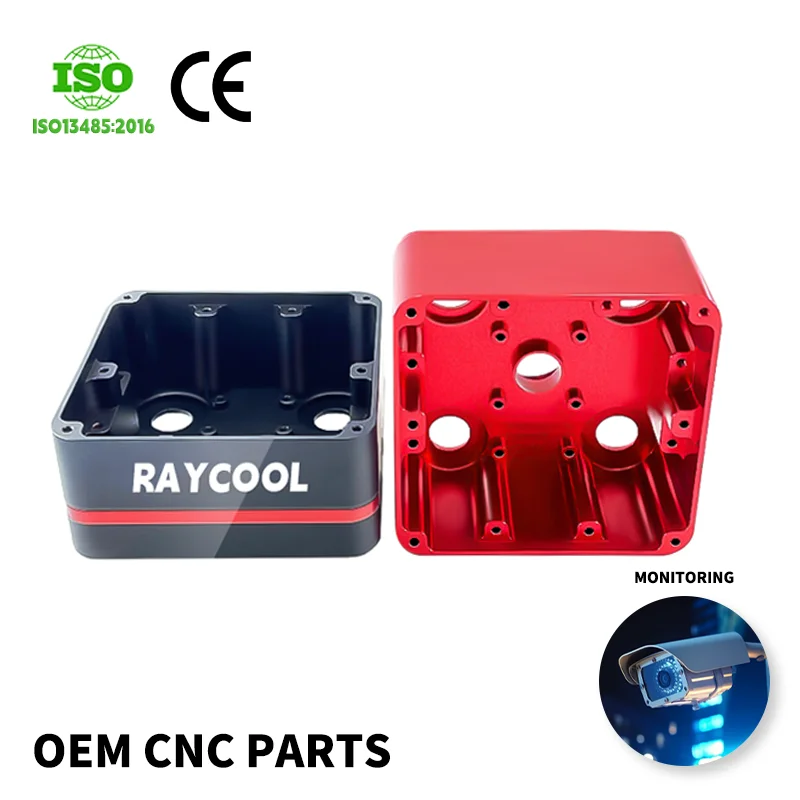
The market for cnc precision parts spans multiple industries, including automotive, aerospace, medical devices, and industrial automation. Sourcing decisions affect not only immediate project costs but also long-term supply chain resilience and product competitiveness. Understanding the key factors that distinguish quality suppliers from unreliable vendors is essential for building a sustainable sourcing strategy. This article provides practical frameworks and decision criteria to streamline your cnc precision parts procurement process.
Understanding Your CNC Precision Parts Requirements
Defining Specifications and Material Standards
Before contacting potential suppliers, clearly document your cnc precision parts specifications, including dimensional tolerances, material grades, surface finishes, and any applicable industry certifications. Cnc precision parts for industrial use often require tight tolerances measured in micrometers, which means supplier capability varies significantly. Create a detailed parts specification sheet that includes material composition, hardness requirements, heat treatment needs, and any regulatory compliance standards such as ISO, ASTM, or industry-specific certifications. This documentation becomes your primary communication tool when evaluating potential suppliers and ensures all parties understand the exact requirements.
Establishing Quality and Delivery Standards
Quality expectations must be communicated upfront through specifications like surface roughness, dimensional accuracy, and defect thresholds. For cnc precision parts, establish whether you require first-article inspection reports, statistical process control data, or third-party testing. Define lead times based on your project timeline and consider whether you need expedited delivery or prefer standard lead times with volume discounts. Clarify payment terms, minimum order quantities, and any contractual clauses regarding rework, returns, or quality guarantees. These baseline standards filter out suppliers who cannot meet your operational needs and prevent costly miscommunications later.
Evaluating Supplier Capabilities and Track Record
Assessing Manufacturing and Technical Capacity
Not all cnc precision parts suppliers possess equal capability. Evaluate potential suppliers by examining their equipment inventory, including CNC machine types, machining centers, and finishing capabilities. Ask about their maximum part size, tolerance capability, production volume capacity, and experience with your specific material requirements. Request information about their quality control systems, such as coordinate measuring machines, hardness testers, and surface roughness gauges. Cnc precision parts production requires precision equipment, skilled machinists, and rigorous process controls. A capable supplier should provide detailed information about their infrastructure and be willing to discuss their technical limitations honestly.
Verifying Quality Certifications and References
Check whether the supplier holds relevant certifications such as ISO 9001, ISO 13485 (medical devices), or AS9100 (aerospace). These certifications indicate a formal quality management system and third-party verification of their processes. Request references from existing customers who use cnc precision parts for similar industrial applications. Contact these references directly and ask about on-time delivery performance, quality consistency, responsiveness to changes, and problem resolution. For critical applications, consider requesting a facility visit or video tour to assess their production environment, organization, and professionalism. A supplier's willingness to be transparent and provide verifiable credentials signals confidence in their capabilities.
Executing a Successful Sourcing Process
Creating and Managing the Quotation Request
Prepare a formal request for quotation that includes your complete cnc precision parts specifications, expected order volume, lead time requirements, and any special conditions. Send the same request to multiple qualified suppliers to enable meaningful price comparison and foster competitive engagement. Allow sufficient time for suppliers to respond, typically two to four weeks, depending on part complexity. Request not only pricing but also detailed information about lead times, minimum orders, tooling costs, and volume discounts. When comparing quotes for cnc precision parts, avoid selecting solely based on lowest price. Instead, evaluate the total cost of ownership, including quality risk, potential rework, and supply chain stability.
Negotiating Terms and Finalizing the Partnership
Once you have identified preferred suppliers, engage in formal negotiations around price, payment terms, delivery schedules, and quality warranties. For cnc precision parts orders, negotiate inspection protocols, including who performs first-article inspection and how disputes are resolved. Establish a communication protocol for order placement, progress updates, and delivery confirmation. Define terms for handling engineering changes, quantity variations, and quality issues. Create a written agreement or purchase order that documents all agreed terms clearly. Include clauses regarding intellectual property protection if you are sharing proprietary designs for cnc precision parts production. A well-structured agreement protects both parties and reduces misunderstandings during the production and delivery process.
FAQ
What tolerances can CNC precision parts typically achieve?
Cnc precision parts suppliers typically achieve tolerances in the range of ±0.001 to ±0.005 inches, depending on material, part geometry, and equipment capability. Tighter tolerances require more advanced equipment, skilled operators, and longer machining times, which increases costs. High-end cnc precision parts manufacturers can achieve tolerances below ±0.0001 inches for select applications, though this level of precision commands premium pricing. Always confirm achievable tolerances with your supplier before finalizing specifications, as exceeding their capability leads to delays or scrap.
How do I ensure quality consistency across multiple orders of CNC precision parts?
Implement a formal quality agreement that specifies inspection methods, sampling rates, and acceptable defect levels for cnc precision parts. Require suppliers to maintain statistical process control charts and provide periodic quality reports. Schedule periodic audits of the supplier's facility and processes to verify consistent adherence to your standards. Build in periodic first-article inspections for new production batches or after any equipment maintenance. Maintain open communication with the supplier and establish a system for documenting and resolving quality issues promptly to prevent recurring defects in cnc precision parts.
Should I use a single supplier or multiple suppliers for CNC precision parts?
Using multiple suppliers for cnc precision parts offers supply chain resilience and competitive pricing but increases management complexity and qualification effort. Single-supplier relationships can yield better lead times, volume discounts, and deeper partnership communication, but create risk if that supplier experiences operational disruptions. For critical components, consider a primary supplier with a secondary backup qualified and ready to support if needed. For commodity cnc precision parts, multiple suppliers may be more cost-effective. Your choice depends on part criticality, volume, cost impact, and your organization's risk tolerance.