
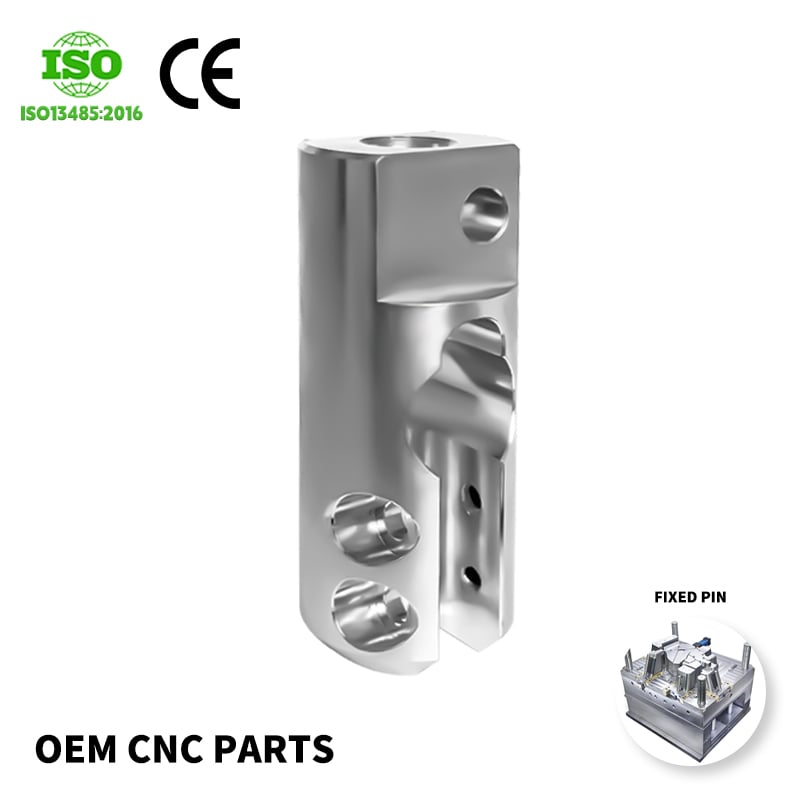
Outsourcing cnc milling services has become a strategic decision for manufacturers seeking to reduce operational overhead, access specialized expertise, and accelerate production timelines. However, choosing the right outsourcing partner requires careful evaluation of multiple factors that directly impact product quality, delivery schedules, and overall cost structure. The decision extends beyond simple cost comparison and involves assessing technical capabilities, quality assurance protocols, communication frameworks, and long-term partnership potential.

Organizations that take time to evaluate outsourcing opportunities thoughtfully often realize significant advantages in resource allocation, production flexibility, and competitive positioning. This comprehensive guide explores the essential considerations for outsourcing manufacturing work, particularly when engaging external partners for precision machining operations. Understanding these factors allows decision-makers to establish clear expectations, mitigate risks, and build sustainable vendor relationships that support business growth.
Understanding Quality Standards and Technical Capabilities
Certifications and Quality Management Systems
When evaluating potential partners for cnc milling services, certifications and quality management systems serve as foundational indicators of operational excellence. ISO 9001 certification demonstrates that a provider maintains documented quality processes, performs regular audits, and implements continuous improvement protocols. Beyond general quality standards, industry-specific certifications such as AS9100 for aerospace applications or IATF 16949 for automotive sectors indicate specialized expertise and compliance with stringent regulatory requirements. These credentials provide assurance that the outsourcing partner understands sector-specific tolerances, material requirements, and documentation standards that your applications demand.
Equipment and Tooling Capabilities
The technological foundation of any cnc milling services provider directly influences production capacity and precision performance. Advanced machinery equipped with multi-axis controllers, real-time monitoring systems, and automated tool changers enables manufacturers to produce complex geometries with tight tolerances efficiently. Evaluating equipment specifications helps determine whether a partner can handle your current workload and support future growth without capacity constraints. Additionally, providers who invest in preventive maintenance programs and equipment modernization typically deliver more consistent results and experience fewer unexpected delays. Understanding the age, maintenance schedules, and upgrade roadmaps of their equipment portfolio provides insight into their commitment to operational reliability.
Cost Structure and Financial Transparency
Pricing Models and Quote Accuracy
When outsourcing manufacturing operations, transparent pricing models prevent unexpected cost escalations and budget surprises. Reputable cnc milling services providers offer detailed quotes that itemize material costs, machine time, tooling charges, setup fees, and finishing operations separately. This transparency allows you to identify cost drivers and compare pricing across different providers using consistent metrics. Some providers utilize online quoting systems that calculate costs based on part specifications, material type, and quantity, enabling faster decision-making and scenario analysis. Detailed quotations also facilitate negotiations and help establish baseline costs for long-term volume commitments.
Volume Discounts and Long-Term Pricing Stability
Outsourcing cnc milling services at scale often unlocks volume-based pricing benefits that significantly reduce per-unit costs. Progressive discount structures encourage suppliers to prioritize your business and invest in dedicated resources for your projects. Beyond immediate savings, long-term partnerships with fixed pricing agreements provide financial predictability and protect against market fluctuations in raw material costs. Building this relationship foundation during initial projects establishes favorable terms and commitment levels that benefit both parties. Discussing volume forecasts and growth trajectories during vendor evaluation helps identify partners capable of scaling production proportionally.
Communication Protocols and Project Management
Responsiveness and Technical Support
Effective communication distinguishes reliable cnc milling services providers from those that deliver only basic transactional relationships. Partners who assign dedicated account managers, respond to inquiries within defined timeframes, and proactively communicate status updates reduce friction and accelerate problem resolution. Technical expertise becomes invaluable when design challenges arise or material substitutions become necessary due to supply constraints. Providers who offer design consultation, manufacturability reviews, and engineering recommendations contribute strategic value beyond simple production execution. This collaborative approach to outsourcing manufacturing work transforms relationships from vendor interactions into strategic partnerships.
Traceability and Documentation Systems
Manufacturing environments increasingly demand comprehensive documentation proving compliance with specifications, material certifications, and quality inspections. Cnc milling services providers equipped with digital traceability systems can track lot numbers, material batches, production dates, and inspection results throughout manufacturing cycles. Access to real-time production dashboards, statistical process control data, and inspection reports enables informed oversight of outsourced operations. Digital documentation systems also facilitate quick retrieval of historical records if quality issues emerge or regulatory audits require evidence of compliance. This systematic approach to documentation builds confidence in the outsourcing relationship and supports continuous improvement initiatives.
Risk Mitigation and Supply Chain Resilience
Redundancy and Business Continuity Planning
Outsourcing cnc milling services introduces supply chain dependencies that require careful risk assessment and mitigation strategies. Providers with multiple production facilities, backup equipment, and cross-trained teams demonstrate resilience against unexpected disruptions from equipment failures or staffing challenges. Understanding their contingency protocols for emergency situations, natural disasters, or significant demand spikes helps you evaluate their reliability under stress. Establishing secondary supplier relationships for critical components adds redundancy and prevents single-point failures that could halt your production. When evaluating partners, inquire about their geographic diversification, inventory management practices, and disaster recovery plans to ensure business continuity aligns with your risk tolerance.
Material Supply Management
Outsourcing manufacturing often depends on material availability, pricing, and supply reliability that your cnc milling services partner manages. Providers with established relationships with raw material suppliers, inventory buffers, and strategic procurement practices reduce lead times and mitigate shortage risks. Discussion of material sourcing strategies, alloy availability, and lead time commitments should occur early in vendor evaluation. Partners who can secure materials on favorable terms and maintain inventory appropriate to your demand patterns provide competitive advantages through improved delivery performance. Comprehensive understanding of their supply chain relationships protects your production schedule from external shocks in material markets.
FAQ
What are the primary benefits of outsourcing cnc milling services?
Outsourcing cnc milling services enables companies to reduce capital equipment investments, access specialized technical expertise, achieve production flexibility without maintaining excess capacity, and focus internal resources on core competencies. Partners with advanced technology and experienced operators often deliver superior quality while reducing lead times through efficient processes and capacity optimization. Financial benefits extend beyond direct cost reductions to include improved cash flow management and reduced maintenance obligations.
How do I evaluate the quality of a cnc milling services provider?
Quality evaluation should include certifications verification, equipment inspection, review of quality management systems, examination of past customer references, analysis of statistical process control data, and assessment of inspection methodologies. Request part samples or trial runs on non-critical components to evaluate their capabilities firsthand. Site visits allow direct observation of cleanliness standards, equipment maintenance practices, and workforce expertise that influence consistent quality delivery.
What contract terms should I establish when outsourcing cnc milling services?
Essential contract elements include pricing structure and payment terms, minimum order quantities and volume commitments, quality specifications and acceptance criteria, delivery schedules and penalty clauses, intellectual property protections, and confidentiality agreements. Clearly defined service level agreements establish performance expectations for responsiveness, quality metrics, and on-time delivery. Including provisions for price adjustments tied to material costs and termination clauses for underperformance protects both parties and creates accountability.