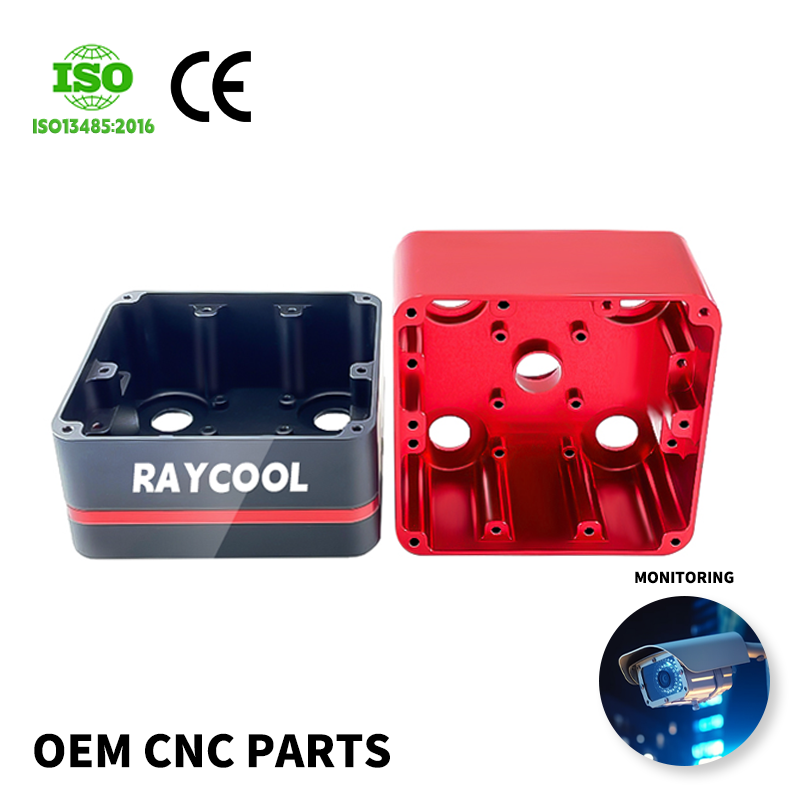
Manufacturing industries increasingly rely on anodized components to enhance product durability, aesthetic appeal, and corrosion resistance. The anodizing process creates a protective oxide layer on aluminum surfaces, making these parts essential for aerospace, automotive, electronics, and architectural applications. Understanding the critical factors involved in sourcing anodized parts from manufacturers ensures optimal quality, cost-effectiveness, and project success. Modern manufacturing demands require careful evaluation of supplier capabilities, quality standards, and delivery timelines when selecting anodized component providers.
Understanding Anodized Surface Treatment Fundamentals
Chemical Process and Material Properties
The anodized surface treatment involves an electrochemical process that converts the aluminum surface into aluminum oxide through controlled oxidation. This transformation creates a porous, durable coating that significantly enhances the base material's properties. Anodized aluminum exhibits superior hardness, wear resistance, and electrical insulation compared to untreated aluminum. The process allows for precise control over coating thickness, typically ranging from 5 to 30 microns depending on application requirements.
Temperature, voltage, electrolyte composition, and processing time directly influence the final characteristics of anodized parts. Sulfuric acid anodizing remains the most common method, producing clear, colorless coatings suitable for dyeing or sealing. Hard anodizing, performed at lower temperatures with higher current density, creates thicker, more durable coatings ideal for high-wear applications. Understanding these fundamental processes helps procurement teams evaluate manufacturer capabilities and specify appropriate treatment parameters.
Quality Standards and Specifications
Industry standards govern anodized part production to ensure consistent quality and performance across applications. ASTM B580 defines standard practices for anodic coatings on aluminum, while MIL-A-8625 specifies military requirements for anodized aluminum. These standards establish testing procedures, coating thickness requirements, and quality acceptance criteria. Manufacturers must demonstrate compliance through proper documentation, testing equipment, and quality control procedures.
Coating thickness measurement, adhesion testing, and corrosion resistance evaluation form the cornerstone of anodized part quality assessment. Salt spray testing, according to ASTM B117, determines the coating's ability to withstand harsh environmental conditions. Color matching, when applicable, requires spectrophotometric analysis to ensure consistency across production batches. Sourcing teams should verify that potential suppliers maintain appropriate testing capabilities and quality certifications.
Evaluating Manufacturing Capabilities
Production Equipment and Technology
Modern anodized part production requires sophisticated equipment including rectifiers, tanks, temperature control systems, and material handling mechanisms. Automated processing lines ensure consistent quality and reduce human error while increasing throughput capacity. Advanced facilities incorporate computerized process control systems that monitor and adjust critical parameters in real-time. The size and configuration of anodizing tanks determine the maximum part dimensions and batch processing capabilities.
Racking systems play a crucial role in ensuring uniform current distribution across complex part geometries. Manufacturers with titanium or aluminum racking demonstrate commitment to quality, as these materials minimize contamination risks. Wastewater treatment systems indicate environmental responsibility and regulatory compliance. When evaluating potential suppliers, assess their equipment age, maintenance programs, and technology upgrade investments to gauge long-term partnership viability.
Quality Control and Testing Infrastructure
Comprehensive quality control systems distinguish leading anodized part manufacturers from basic service providers. Laboratory facilities should include coating thickness measurement equipment, adhesion testing apparatus, and environmental simulation chambers. Spectrophotometers enable accurate color matching and consistency verification across production runs. Microscopy equipment allows for detailed surface analysis and defect identification.
Statistical process control implementation demonstrates manufacturing maturity and commitment to continuous improvement. Real-time monitoring systems track key process variables and alert operators to potential deviations before quality issues occur. Certificate of compliance documentation provides traceability and quality assurance for critical applications. Suppliers should maintain calibrated measurement equipment and participate in proficiency testing programs to validate their testing capabilities.
Supply Chain and Logistics Considerations
Lead Times and Production Scheduling
Anodized part production involves multiple sequential steps that impact overall lead times including pre-treatment, anodizing, post-treatment, and quality inspection. Batch processing requirements may extend delivery schedules, particularly for small quantity orders. Manufacturers with flexible scheduling systems can accommodate rush orders and changing production priorities more effectively. Understanding supplier capacity utilization helps predict delivery reliability during peak demand periods.
Seasonal variations in demand, particularly from construction and automotive industries, can affect availability and pricing. Long-term supply agreements provide schedule stability and cost predictability for high-volume applications. Electronic data interchange capabilities enable real-time order tracking and production status updates. Suppliers with multiple production lines offer better flexibility and reduced risk of delays due to equipment maintenance or unexpected issues.
Geographic Location and Transportation
Proximity to manufacturing facilities reduces transportation costs and enables better communication throughout the production process. Regional suppliers often provide faster response times for technical support and quality issues. However, global sourcing may offer cost advantages and access to specialized capabilities not available locally. Transportation considerations include packaging requirements, handling procedures, and shipping methods to prevent damage to anodized surfaces during transit.
International sourcing introduces additional complexities including customs procedures, currency fluctuations, and extended lead times. Trade regulations and tariff considerations may impact total cost calculations. Suppliers with established logistics networks and experienced export departments can minimize these challenges. Emergency expediting capabilities become crucial when production schedules face unexpected disruptions or urgent customer requirements.
Cost Analysis and Value Engineering
Pricing Structure and Cost Drivers
Anodized part pricing reflects raw material costs, processing complexity, quality requirements, and market conditions. Aluminum prices fluctuate based on global commodity markets, directly impacting base material costs. Processing costs depend on coating thickness requirements, color specifications, and quality standards. High-volume orders typically receive better pricing through economies of scale and optimized production scheduling.
Secondary operations such as machining, forming, or assembly add incremental costs but may provide overall value through supply chain consolidation. Packaging and shipping costs vary based on part geometry, quantity, and destination requirements. Quality certification and testing requirements increase costs but provide essential assurance for critical applications. Total cost of ownership analysis should include potential warranty costs and long-term performance benefits of higher-quality anodized components.
Value-Added Services and Capabilities
Comprehensive suppliers offer design assistance, prototyping services, and application engineering support that can reduce overall project costs and development time. CAD file management and revision control systems streamline the ordering process and minimize errors. Inventory management programs help customers optimize working capital while ensuring material availability. Just-in-time delivery capabilities reduce storage costs and improve cash flow management.
Technical expertise in anodized coating selection and optimization can improve product performance while reducing costs. Suppliers with metallurgical knowledge can recommend alternative alloys or processing parameters that enhance value. Quality data packages and statistical analysis provide insights for continuous improvement initiatives. Long-term partnership approaches often yield better pricing and priority treatment during capacity constraints or material shortages.
Quality Assurance and Risk Management
Supplier Qualification and Auditing
Thorough supplier qualification processes reduce risks associated with quality failures, delivery delays, and performance issues. On-site audits evaluate manufacturing capabilities, quality systems, and management commitment to continuous improvement. ISO 9001 certification provides baseline quality system requirements, while industry-specific certifications demonstrate specialized expertise. Financial stability assessment ensures supplier viability for long-term partnerships and warranty support.
Reference customer evaluation provides insights into supplier performance history and problem resolution capabilities. Technical capability assessment should include sample part evaluation and process capability studies. Environmental compliance verification protects against regulatory risks and demonstrates corporate responsibility alignment. Supplier diversity programs may provide additional value through minority and small business participation requirements in certain markets.
Contract Terms and Risk Mitigation
Comprehensive supply agreements should address quality requirements, delivery schedules, pricing terms, and performance metrics. Warranty provisions protect against defective anodized parts and associated costs including labor, shipping, and customer impact. Intellectual property protection clauses safeguard proprietary designs and technical information. Force majeure provisions address disruptions beyond supplier control including natural disasters, labor disputes, and material shortages.
Performance measurement systems track key metrics including on-time delivery, quality performance, and customer service responsiveness. Continuous improvement requirements encourage suppliers to invest in capability enhancement and cost reduction initiatives. Termination clauses provide flexibility to address poor performance or changing business requirements. Insurance requirements protect against liability risks and ensure adequate coverage for potential damages or losses.
Environmental and Regulatory Compliance
Environmental Impact and Sustainability
Modern anodized part manufacturing emphasizes environmental responsibility through waste reduction, energy efficiency, and sustainable practices. Closed-loop water systems minimize consumption and reduce discharge volumes. Chemical recovery and recycling programs reduce raw material costs while minimizing environmental impact. Energy-efficient rectifiers and process optimization reduce carbon footprint and operating costs.
Life cycle assessment considerations evaluate the environmental impact of anodized parts from raw material extraction through end-of-life disposal. Aluminum recycling capabilities support circular economy principles and reduce resource consumption. Green building certification programs increasingly recognize anodized aluminum's durability and recyclability benefits. Suppliers with environmental management systems demonstrate commitment to sustainable operations and regulatory compliance.
Regulatory Requirements and Compliance
Anodized part manufacturers must comply with numerous environmental regulations including wastewater discharge limits, air emissions standards, and hazardous waste management requirements. OSHA safety regulations protect worker health and minimize liability exposure. International standards such as REACH in Europe and RoHS directives restrict certain chemicals and materials in manufacturing processes.
Industry-specific regulations may impose additional requirements for aerospace, medical device, or food contact applications. Conflict minerals reporting requirements ensure ethical sourcing practices throughout the supply chain. Product liability considerations require comprehensive quality systems and traceability programs. Regular regulatory compliance audits verify ongoing adherence to applicable requirements and identify potential areas of concern.
Frequently Asked Questions
What factors most significantly impact anodized part quality
The most critical factors affecting anodized part quality include pre-treatment surface preparation, process parameter control during anodizing, and post-treatment sealing procedures. Surface contamination, improper cleaning, or inadequate etching can result in poor coating adhesion and appearance defects. Temperature control, current density regulation, and electrolyte composition directly influence coating thickness uniformity and properties. Proper sealing procedures ensure optimal corrosion resistance and color retention over the product's service life.
How can I verify a supplier's anodized coating capabilities
Supplier capability verification should include facility audits, sample part evaluation, and reference customer feedback analysis. Request process capability studies demonstrating statistical control of critical parameters such as coating thickness and color consistency. Review quality certifications, testing equipment calibration records, and operator training documentation. Evaluate the supplier's quality management system implementation and continuous improvement programs to assess long-term partnership potential and problem-solving capabilities.
What are the typical lead times for anodized part production
Standard anodized part lead times typically range from 2-4 weeks depending on part complexity, quantity, and coating specifications. Simple geometries with standard clear or color anodizing may require shorter timeframes, while complex parts with hard anodizing or special colors may extend lead times. High-volume production runs generally receive priority scheduling and more predictable delivery dates. Rush orders may be accommodated with premium pricing and depending on current capacity utilization levels.
How do I determine the appropriate coating thickness for my application
Coating thickness selection depends on environmental exposure conditions, wear requirements, and aesthetic considerations. Standard architectural applications typically use 20-25 micron coatings, while harsh marine environments may require 25-30 micron thickness. High-wear applications benefit from hard anodizing with 50-100 micron coatings. Consult with experienced suppliers who can recommend appropriate specifications based on your specific application requirements and performance expectations. Consider industry standards and customer specifications when establishing coating thickness requirements.