
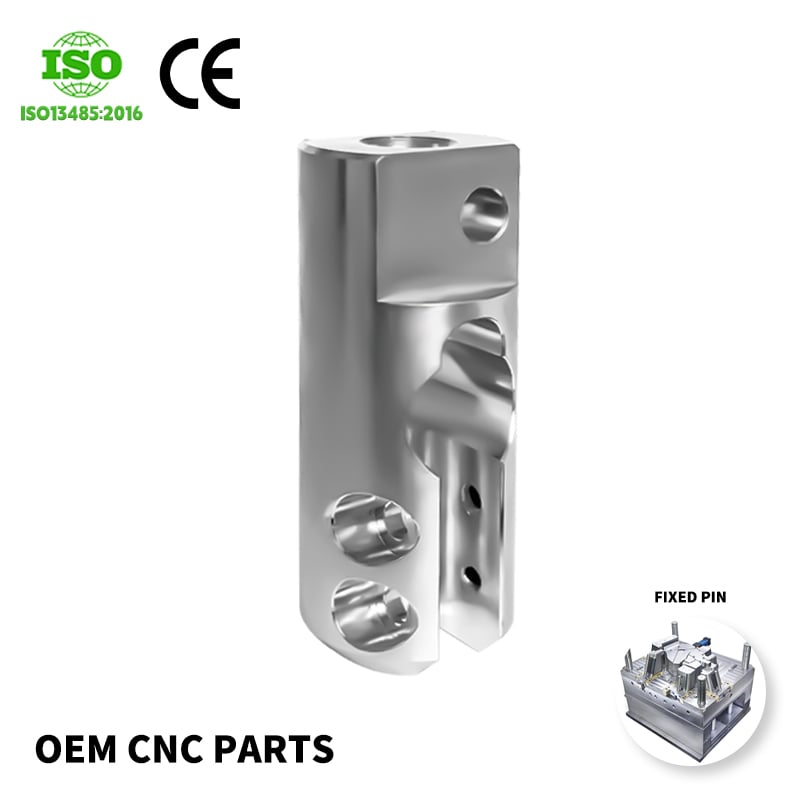
Selecting the right materials for automation parts is critical to ensuring equipment reliability, minimizing downtime, and maximizing productivity in manufacturing environments. The material you choose directly affects how well your automation parts perform under extreme stress, temperature fluctuations, and continuous operation. Different industrial applications demand distinct material properties, and understanding these requirements can save substantial costs while improving system performance.
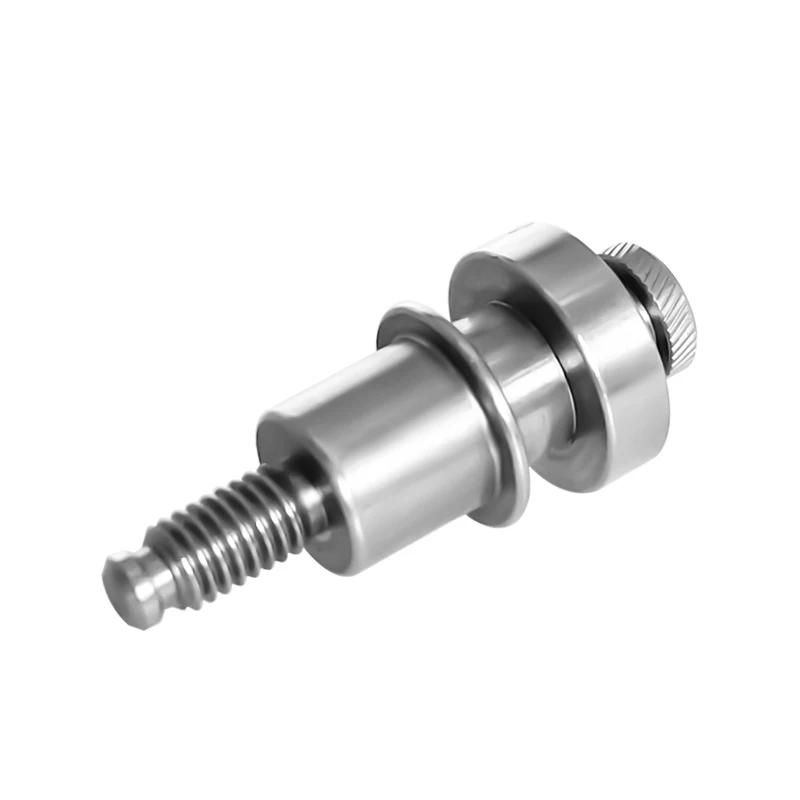
High-speed automation demands materials that can withstand rigorous operational cycles without degrading or failing prematurely. Industrial automation parts face extreme wear, vibration, thermal stress, and chemical exposure daily. The selection between stainless steel, aluminum alloys, carbon steel, and specialty composites shapes not only equipment longevity but also maintenance frequency and total cost of ownership. This guide explores material properties essential for high-speed automation and helps you make informed decisions about automation parts specifications.
Material Properties Critical for High-Speed Automation
Strength and Durability Requirements
Automation parts operating at high speeds require exceptional tensile strength to resist fracture and deformation under dynamic loading. Steel-based materials, particularly stainless steel and carbon steel variants, offer superior strength-to-weight ratios that make them ideal for demanding automation applications. These materials maintain structural integrity even when exposed to repeated stress cycles, thermal shock, and mechanical impacts inherent in continuous manufacturing processes. High-strength automation parts reduce equipment failure rates and extend service intervals significantly.
Thermal Resistance and Heat Dissipation
Temperature management is essential for automation parts that experience friction and continuous operation. Materials with high thermal conductivity, such as aluminum alloys and copper-rich composites, dissipate heat more effectively than alternatives. Superior heat dissipation prevents thermal expansion that could cause dimensional changes affecting precision tolerance in automation parts. Stainless steel offers moderate thermal conductivity but excels in corrosion resistance, making it suitable for environments where temperature stability matters alongside chemical exposure.
Comparing Material Options for Automation Parts
Stainless Steel for Corrosion-Prone Environments
Stainless steel remains the preferred choice for automation parts in food processing, pharmaceutical manufacturing, and chemical handling industries. Its inherent corrosion resistance eliminates frequent replacements and maintains precision accuracy in critical automation systems. The material exhibits excellent wear resistance and maintains mechanical properties across wide temperature ranges, making it reliable for automation parts that face both thermal and chemical challenges. Stainless steel automation parts typically cost more initially but deliver superior long-term value through extended service life.
Aluminum Alloys for Weight-Sensitive Applications
Aluminum alloys provide lightweight alternatives for automation parts where weight reduction improves operational efficiency. These materials excel in high-speed applications requiring rapid acceleration and deceleration cycles. Aluminum automation parts dissipate heat efficiently, supporting consistent performance in thermally demanding environments. However, aluminum offers lower strength than steel, necessitating careful engineering to ensure automation parts meet load requirements while minimizing weight.
Carbon Steel for General-Purpose Automation
Carbon steel offers excellent machinability and cost-effectiveness for standard automation parts applications. This material provides adequate strength for moderate-load automation systems without premium pricing. Carbon steel automation parts require protective coatings or surface treatments to prevent rust in humid environments. Many manufacturers select carbon steel for automation parts in controlled indoor settings where corrosion exposure remains limited.
Selection Factors and Implementation Considerations
Speed and Operational Environment Impact
High-speed automation parts face unique demands that exceed static load conditions. The centrifugal forces and vibration inherent in rapid-cycle equipment dictate material selection criteria for automation parts. Environmental factors including humidity, chemical exposure, temperature extremes, and dust contamination significantly influence which materials perform optimally for your automation parts. Industries like automotive manufacturing, electronics assembly, and pharmaceutical production each require specialized automation parts materials matched to their specific operational profiles.
Precision and Tolerance Standards
Precision automation parts demand materials that maintain dimensional stability under varying conditions. Stainless steel and precision aluminum alloys resist dimensional drift that compromises automation system accuracy. Material consistency, grain structure uniformity, and predictable machining characteristics ensure automation parts meet tight tolerances critical for equipment synchronization. Advanced manufacturing processes yield automation parts with exceptional surface finishes that reduce friction and wear rates across integrated systems.
Cost-Benefit Analysis for Long-Term Operations
Evaluating automation parts material costs requires analyzing total cost of ownership rather than initial purchase price alone. Premium materials reduce replacement frequency, minimize downtime expenses, and improve overall equipment effectiveness. Labor-intensive manual adjustments and recalibration associated with worn automation parts accumulate substantial indirect costs. Selecting appropriate materials for automation parts often pays dividends through reliability gains that far exceed the material premium.
FAQ
Which material works best for extremely high-speed automation parts?
Stainless steel and precision aluminum alloys typically perform best for extreme high-speed automation parts because they combine strength with excellent fatigue resistance. Stainless steel handles corrosive environments while maintaining rigidity, whereas aluminum alloys minimize inertial forces that stress automation parts during rapid acceleration cycles. The optimal choice depends on your specific operational environment and load requirements.
How do environmental conditions affect automation parts material selection?
Corrosive chemicals, moisture, extreme temperatures, and abrasive particles all influence which materials suit your automation parts best. Stainless steel excels in chemically aggressive settings, while carbon steel suffices for controlled indoor environments. Aerospace and food processing automation parts demand superior corrosion resistance, whereas general manufacturing automation parts may use more economical materials in protected conditions.
Can aluminum automation parts match steel performance in high-speed applications?
Aluminum automation parts offer comparable performance in specific scenarios where thermal management and weight reduction outweigh strength concerns. Modern aluminum alloys achieve strength levels adequate for many automation parts applications, particularly those emphasizing speed over extreme load capacity. However, steel-based automation parts generally deliver superior durability for systems requiring sustained heavy-load operation at high speeds.