
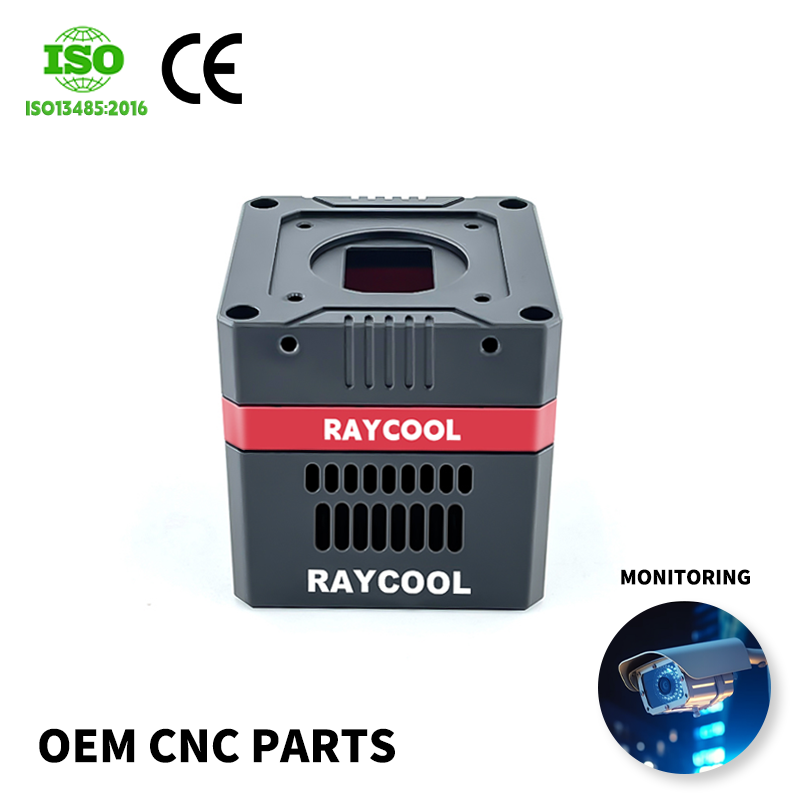
Sourcing reliable automation parts is one of the most critical decisions manufacturing facilities face today. The quality, precision, and reliability of these components directly impact production efficiency, equipment uptime, and overall operational cost. Whether you are building new assembly lines or replacing worn components, understanding how to source the right automation parts ensures your factory maintains competitive advantage and meets demanding production schedules.
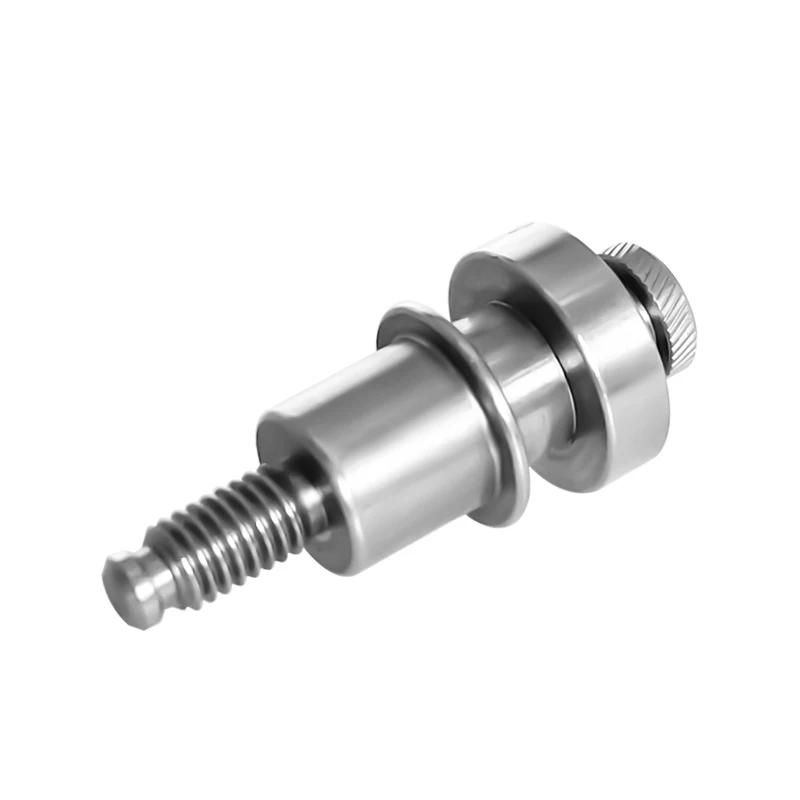
The procurement of precision automation parts requires a systematic approach that balances cost, quality, lead time, and supplier capability. Manufacturing environments demand components that perform consistently under demanding conditions, withstand thermal stress, and integrate seamlessly with existing systems. This comprehensive guide walks you through the essential steps for sourcing automation parts that meet your factory's exact specifications and long-term production goals.
Understanding Automation Parts Requirements
Defining Your Specification Needs
Before contacting suppliers, clearly define what you need from your automation parts. This involves documenting material composition, dimensional tolerances, surface finish requirements, and performance parameters specific to your machinery. For factory assembly operations, precision automation parts must meet ISO standards or customer-specific certifications. Many manufacturers overlook this step and end up with incompatible components that require costly modifications or replacements.
Material selection is particularly important when sourcing automation parts for demanding environments. Stainless steel offers superior corrosion resistance, while hardened alloys provide better wear resistance for high-speed applications. Understanding the operational environment—temperature ranges, exposure to moisture, chemical contact, or abrasive conditions—helps you specify the right material. Your documentation should include 3D drawings, technical specifications, material certs, and performance expectations to communicate clearly with potential suppliers.
Evaluating Precision and Quality Standards
Automation parts for factory assembly typically require tight tolerances measured in micrometers. CNC machining centers can achieve precision levels that manual processes cannot replicate consistently. When sourcing these components, verify that your supplier uses advanced manufacturing equipment like 5-axis CNC machines capable of producing the dimensional accuracy your assembly line demands. Quality certifications from ISO 9001, AS9100, or industry-specific standards provide confidence that the supplier maintains rigorous process controls.
Testing and inspection protocols matter as much as the manufacturing process itself. Request information about the supplier's quality assurance procedures, inspection frequency, and documentation practices. Reliable automation parts come with material certs, dimensional inspection reports, and traceability documentation. This documentation becomes essential for troubleshooting if performance issues arise and helps you maintain compliance with customer requirements or regulatory mandates in your industry.
Identifying and Evaluating Suppliers
Researching Supplier Capabilities
Finding qualified suppliers for automation parts requires research into their manufacturing capabilities, production volume, and technical expertise. Start by identifying suppliers who specialize in precision machining and demonstrate experience with factory assembly applications. Check their equipment inventory to ensure they have CNC capabilities matching your requirements. Many suppliers now showcase their manufacturing capabilities online, including machine specifications and material certifications.
Supplier reputation in your industry community provides valuable insight. Contact other manufacturing facilities using similar automation parts and ask about their sourcing experiences. Industry associations, trade shows, and procurement networks often connect manufacturers with vetted suppliers. Look for suppliers who can scale production with your needs—those capable of starting with prototype quantities and increasing volume as your production expands. This flexibility ensures continuity in supply chain relationships and prevents vendor lock-in situations.
Assessing Cost, Quality, and Delivery
Three factors determine supplier suitability: cost competitiveness, consistent quality delivery, and reliable lead times. While automation parts pricing varies by material, complexity, and volume, extremely low quotes often signal quality compromises or hidden costs. Request detailed quotes that break down material costs, machining fees, inspection charges, and shipping expenses. Compare quotes from multiple suppliers to establish market rates and identify outliers that warrant further investigation.
Lead time reliability is frequently overlooked but critically important for continuous production. Suppliers managing inventory effectively can typically deliver standard automation parts within two to four weeks. Longer lead times create production bottlenecks, particularly for time-sensitive assembly schedules. Discuss minimum order quantities, expedited delivery options, and inventory management practices. Some suppliers maintain stock of popular automation parts configurations, enabling faster fulfillment when your factory faces urgent requirements.
Implementing Effective Sourcing Processes
Establishing Long-Term Supplier Relationships
Transactional procurement approaches often result in inconsistent automation parts quality and supply disruptions. Instead, cultivate partnerships with suppliers who understand your business requirements and demonstrate commitment to continuous improvement. Schedule regular communication with key suppliers to discuss production forecasts, upcoming projects, and quality metrics. Suppliers informed about your pipeline can optimize their manufacturing schedules and anticipate your needs for automation parts.
Performance metrics should guide your supplier management process. Track on-time delivery rates, quality acceptance levels, and responsiveness to requests for automation parts. Provide feedback on issues and collaborate on corrective actions rather than simply switching suppliers. Long-term relationships often result in preferential pricing, priority scheduling, and willingness to accommodate custom modifications. Suppliers invested in your success become strategic partners rather than mere vendors.
Managing Inventory and Supply Chain Risk
Effective sourcing extends beyond initial procurement to include inventory management and supply chain resilience. Maintain appropriate stock levels of critical automation parts based on consumption rates and supplier lead times. However, excessive inventory ties up capital and increases storage costs. Many factories use just-in-time principles to balance availability against carrying costs, though this approach requires reliable supplier performance and shorter lead times.
Supply chain disruptions can halt production unexpectedly. Identify which automation parts are sole-sourced and develop contingency plans for alternative suppliers or inventory buffers. Diversifying your supplier base for critical components reduces dependency risk while maintaining competitive pricing. Document all supplier information, specifications, and performance data to enable quick transitions if primary suppliers face operational challenges. This proactive approach protects your factory's production continuity and revenue stability.
FAQ
What standards should automation parts meet for factory assembly?
Automation parts should comply with ISO 9001 quality management standards at minimum, with additional certifications depending on industry requirements. ISO 13849-1 governs safety of machinery, while AS9100 applies to aerospace applications. Your customer specifications and regulatory environment determine which standards apply to your automation parts procurement. Documentation proving compliance with applicable standards should accompany every delivery.
How do lead times for precision automation parts typically compare across suppliers?
Lead times for standard automation parts usually range from two to six weeks depending on complexity and supplier capacity. Simple turned parts may ship within ten business days, while complex assemblies requiring multiple machining operations might need eight to twelve weeks. Discussing lead time expectations upfront and negotiating expedited options helps align supplier capabilities with your production schedule for automation parts.
Should factories maintain inventory of automation parts or rely on just-in-time delivery?
The optimal approach depends on component criticality, supplier reliability, and production volume. Critical automation parts with long lead times or single suppliers warrant inventory buffers to prevent production disruptions. Less critical components with multiple reliable suppliers can follow just-in-time principles to reduce carrying costs. Most sophisticated operations use hybrid strategies, maintaining safety stock for high-risk items while minimizing inventory of commonly available automation parts.