
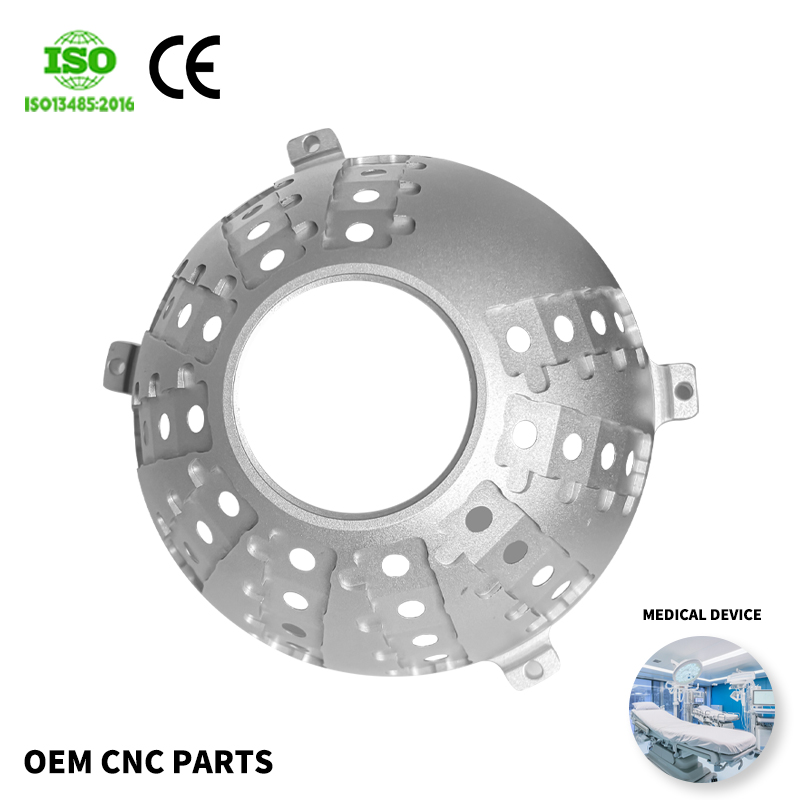
Selecting the right partner for high precision CNC machining requires careful evaluation of multiple technical and operational factors. Buyers who understand what to assess can avoid costly mistakes, ensure consistent quality, and build reliable long-term supplier relationships. This guide walks through the essential checkpoints every buyer should verify before committing to a high precision CNC machining provider.
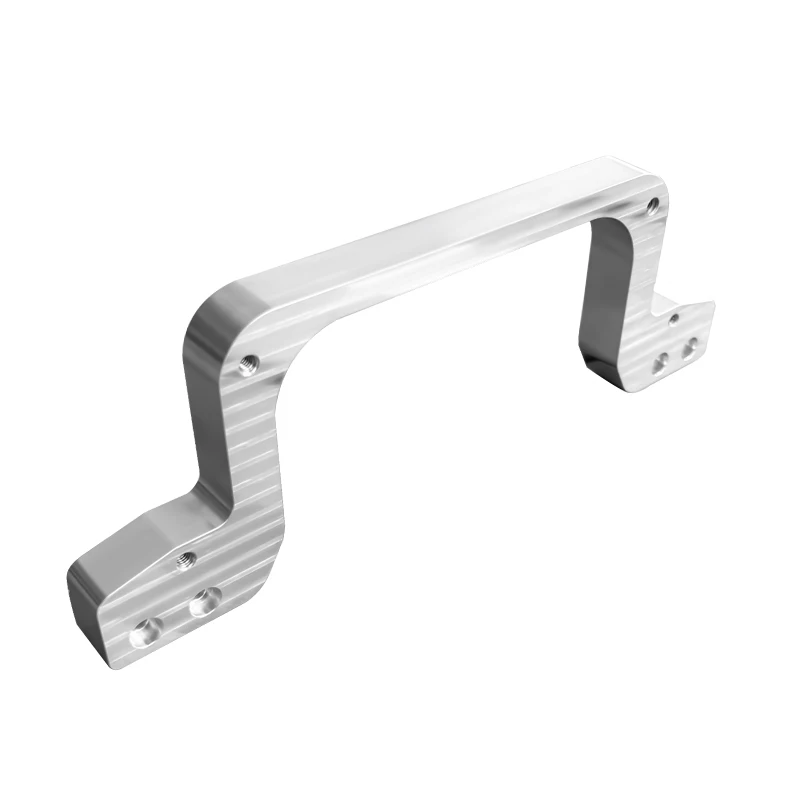
The quality of high precision CNC machining output depends on equipment capability, operator expertise, quality control processes, and material handling standards. Buyers must investigate these dimensions systematically to confirm a supplier can meet your exact specifications and deliver parts consistently within tolerance. Understanding what to evaluate ensures your production timelines stay on track and your product performance meets customer expectations.
Equipment Capability and Machine Specifications
Verifying Machine Accuracy and Resolution
The foundation of high precision CNC machining begins with machine tool specifications. Ask suppliers about spindle runout, positioning accuracy, repeatability, and axis resolution. Spindle runout directly influences surface finish quality and dimensional accuracy, particularly for tight tolerance work. A supplier should readily provide machine certification documents, calibration records, and technical datasheets that demonstrate their equipment meets or exceeds your tolerance requirements.
Modern CNC machines used for high precision CNC machining typically feature servo-controlled axes, advanced feedback systems, and thermal compensation technology. Inspect whether the supplier maintains regular preventive maintenance schedules and recalibration protocols. Machines that undergo routine inspections and calibration produce more consistent results and reduce scrap rates. Request information about machine age, upgrade history, and whether equipment is regularly updated to maintain competitiveness in precision standards.
Tool Management and Change Systems
High precision CNC machining requires strict tool management practices. Verify that suppliers use automated tool changers, maintain precise tool offsets, and track tool wear systematically. Tools that wear inconsistently or are changed at improper intervals introduce dimensional variations that violate tight tolerances. Suppliers should document tool selection rationale, expected tool life, and replacement intervals for each operation. Ask whether they utilize tool life management software and how they prevent tool-related defects from reaching your production.
Quality Control and Inspection Systems
Dimensional Verification Methods
High precision CNC machining demands rigorous dimensional verification at multiple stages. Buyers should verify that suppliers use coordinate measuring machines (CMMs), optical comparators, or laser measurement systems appropriate for your tolerance class. First-piece inspection protocols should be documented, showing how initial parts are verified before production runs commence. Additionally, high precision CNC machining providers should conduct periodic in-process checks to detect drift before scrap accumulates.
Ask suppliers about their sampling plans, whether they follow ANSI standards, and how inspection frequency adjusts based on process capability. Documentation should include measurement uncertainty analysis and traceability to calibrated standards. Suppliers conducting high precision CNC machining should maintain statistical process control (SPC) records that demonstrate consistent capability over time. Request access to recent inspection reports for similar parts to verify their ability to hold your specific tolerance bands.
Surface Finish and Material Integrity Assessment
Beyond dimensional accuracy, high precision CNC machining involves surface finish control. Suppliers should measure and document surface roughness values, verify material hardness where applicable, and inspect for subsurface defects caused by tool wear or improper feeds and speeds. Some applications require specialized inspections such as magnetic particle inspection for ferrous materials or fluorescent penetrant inspection for aluminum components. Confirm the supplier has access to these specialized capabilities or can outsource them reliably.
Material traceability is equally critical in high precision CNC machining. Verify that suppliers maintain material certificates of analysis, track lot numbers throughout production, and can demonstrate that raw material meets specification before machining begins. This traceability prevents downstream failures and supports compliance documentation for regulated industries such as aerospace and medical devices.
Process Control and Capability Documentation
Process Documentation and Standard Work
High precision CNC machining requires detailed process documentation that operators follow consistently. Request copies of setup sheets, work instructions, and tool path documentation that governs each job. Suppliers should maintain process capability studies (Cpk, Ppk values) demonstrating their machines can reliably produce parts within your tolerance bands. A Cpk of 1.33 or higher is typically required for high precision CNC machining in critical applications, though some industries demand even higher values.
Evaluate whether the supplier uses fixture design analysis, has established clocking procedures, and documents fixturing strategies for each part number. Poor fixturing introduces runout and clamping variation that compromises high precision CNC machining results. Ask how they validate fixtures before production and whether they have contingency plans if fixture wear occurs during long runs.
Throughput and Lead Time Commitment
Production capacity directly affects your ability to scale orders through a high precision CNC machining partner. Understand the supplier's current utilization, queue times, and whether they can accommodate rush orders. Discuss contingencies if their primary machines require maintenance during your production window. Suppliers serious about high precision CNC machining should offer realistic lead times backed by capacity planning, not optimistic estimates that create delivery risk.
FAQ
What tolerance levels constitute high precision CNC machining?
High precision CNC machining typically involves tolerances tighter than ±0.005 inches (±0.127 mm), though the specific threshold depends on your industry and application. Aerospace and medical device high precision CNC machining often requires tolerances of ±0.0005 inches or tighter. Always confirm your exact tolerance requirements and verify that the supplier has documented capability to achieve them consistently.
How should buyers validate a supplier's high precision CNC machining capability before full production?
Request a first-article inspection (FAI) sample run where the supplier machines a limited quantity under full production conditions. Inspect all dimensional, surface finish, and material specifications on these pilot parts. Review their complete inspection documentation, capability studies, and process records for the trial run. This real-world assessment reveals whether their high precision CNC machining process can reliably meet your requirements before committing to larger volumes.
What red flags suggest a supplier lacks genuine high precision CNC machining capability?
Be cautious if suppliers cannot provide machine specifications, calibration records, or recent capability studies. Inability to explain their inspection procedures, lack of CMM equipment, or reluctance to share process documentation are warning signs. Suppliers claiming high precision CNC machining capability should readily discuss their quality systems, maintenance protocols, and can demonstrate measurable process performance data. Vague responses or pricing that seems too low for the complexity indicated often precede quality problems.