
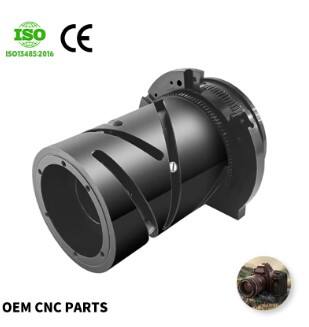
Why Invest in High-Quality Custom CNC Parts
Introduction to High-Quality Custom CNC Parts
High-quality custom CNC Parts have become an essential foundation for modern manufacturing, providing unmatched accuracy, consistency, and reliability for industries requiring stable and repeatable component performance. As global markets shift toward greater specialization, more businesses rely on CNC Parts to achieve better structural integrity, improved production efficiency, and superior product quality. Whether used in automotive engineering, industrial machinery, medical devices, aerospace structures, or consumer electronics, custom CNC Parts significantly influence both product innovation and long-term manufacturing stability.
Investing in custom CNC Parts allows companies to exceed traditional machining limits and achieve designs that match specific performance requirements. Customization supports improved durability, enhanced fit, and superior compatibility with unique equipment configurations. The increasing flexibility of CNC machining also enables businesses to adapt quickly to new production needs without sacrificing precision or quality. As manufacturing continues to evolve, custom CNC Parts represent a strategic investment that elevates overall operational capability.
Advantages of Choosing High-Quality Custom CNC Parts
Improved Dimensional Precision
High-quality custom CNC Parts deliver tight tolerances and consistent dimensions across multiple batches. This precision ensures better alignment, stability, and interaction between mechanical components in complex systems.
Increased Component Reliability
Reliable CNC Parts reduce system failures and maintenance requirements. Their structural strength and accurate geometry support long-term operational consistency.
Material Considerations for Custom CNC Part Production
Metal Options for Strength
Materials such as aluminum, stainless steel, titanium, and brass provide high durability and performance for custom CNC Parts. These metals maintain their integrity under extreme mechanical loads and environmental conditions.
Plastic Materials for Special Performance Needs
Engineering plastics like PEEK, nylon, and ABS offer lightweight, corrosion-resistant alternatives for CNC Parts. They are suitable for applications requiring insulation or chemical resistance.
Production Benefits of Using Custom CNC Parts
Enhanced Workflow Efficiency
Custom CNC Parts reduce the need for manual adjustments during assembly. Their precise fit improves workflow continuity and minimizes interruptions caused by component mismatch.
Reduced Rate of Rework
Because custom CNC Parts meet exact specifications, they reduce rework and minimize the risk of production defects. This directly supports cost efficiency and quality control goals.
Applications of Custom CNC Parts Across Industries
Use in Heavy Machinery and Industrial Equipment
Custom CNC Parts deliver the durability needed for heavy machinery that operates under demanding conditions. They ensure system stability and contribute to longer equipment lifespan.
Integration in High-Tech and Electronic Devices
The compact and intricate nature of modern electronic systems requires fine tolerance control. Custom CNC Parts enable complex designs for small-scale assemblies with dependable precision.
Customization Benefits for CNC Part Design
Tailored Features for Specific Requirements
Custom CNC Parts can be designed with unique shapes, structural reinforcements, or functional enhancements to match highly specialized applications. This level of customization helps companies outperform competitors.
Adaptability to Unique Assembly Systems
Custom CNC Parts allow designers to create complex assemblies without depending on off-the-shelf components. This adaptability ensures stronger product identity and better mechanical compatibility.
Long-Term Value of Investing in Custom CNC Parts
Increased Product Durability
High-quality CNC Parts enhance product durability by resisting deformation, wear, and operational fatigue. This supports higher product performance in long-term use.
Reduced Replacement Costs
Because custom CNC Parts last longer, businesses spend less on replacement components and maintenance. This contributes to long-term cost savings and operational predictability.
Quality Control Measures for CNC Parts
Dimensional Inspection Procedures
Quality inspections ensure custom CNC Parts meet required tolerances and specifications. Consistent measurement standards guarantee uniformity across production batches.
Surface Finish Assessment
Surface finish affects friction, motion, sealing, and joint integrity. Evaluating the finish quality of custom CNC Parts ensures smooth operation and reduced wear.
Cost Efficiency of High-Quality CNC Parts
Minimizing Waste Through Precision Machining
CNC machining uses optimized cutting paths and efficient material management, reducing waste. Custom CNC Parts benefit from increased accuracy, which helps companies manage production resources more effectively.
Maximizing Long-Term Operational Efficiency
Investing in durable CNC Parts prevents frequent breakdowns and improves system stability. This enhances the overall return on investment for equipment and production lines.
Design Flexibility Enabled by Custom CNC Parts
Support for Complex Structural Concepts
Custom CNC Parts allow for intricate geometries and advanced engineering concepts that would be difficult to achieve using conventional manufacturing methods.
Compatibility With Future System Upgrades
Custom CNC Parts can be designed to align with future modifications or expansions of machinery. This supports long-term flexibility in product development and equipment transitions.
Implementation Strategies for Custom CNC Parts
Collaboration With Engineering Teams
Working closely with design engineers ensures that custom CNC Parts achieve their intended functional goals. Early collaboration avoids design conflicts and streamlines machining processes.
Testing and Validation Steps
Testing custom CNC Parts in real-world conditions ensures reliability and performance. Validation guarantees compatibility and supports long-term product success.
Market Trends Influencing CNC Parts
Growth of Precision Manufacturing
Manufacturers increasingly rely on precision production technologies. The demand for high-quality custom CNC Parts continues to rise as industries pursue tighter tolerances and advanced product designs.
Development of Advanced Materials
New materials with superior strength, flexibility, and durability are expanding what CNC Parts can achieve. These materials enable greater performance and new application possibilities.
Best Practices for Maintaining Custom CNC Parts
Regular Performance Monitoring
Monitoring component performance over time helps manufacturers identify improvement opportunities and avoid operational risks.
Proper Cleaning and Storage
Maintaining clean and well-organized CNC Parts extends their lifespan and preserves surface quality, especially for parts requiring high-level accuracy.
FAQ
Frequently Asked Questions
What materials are most suitable for custom CNC Parts
Common materials include aluminum, stainless steel, brass, titanium, and engineering plastics. The best material depends on strength, temperature, and environmental requirements.
What industries benefit most from using custom CNC Parts
Industries such as automotive, aerospace, machinery, electronics, medical equipment, and automation rely heavily on custom CNC Parts for precise and reliable component performance.
How do custom CNC Parts reduce production costs
They improve component accuracy, reduce rework, extend product lifespan, and minimize assembly issues, which collectively reduce overall operational costs.
Do custom CNC Parts require long lead times
Lead times depend on design complexity, material availability, and order volume. However, CNC machining typically offers faster turnaround compared to many traditional manufacturing processes.
Table of Contents
- Introduction to High-Quality Custom CNC Parts
- Advantages of Choosing High-Quality Custom CNC Parts
- Material Considerations for Custom CNC Part Production
- Production Benefits of Using Custom CNC Parts
- Applications of Custom CNC Parts Across Industries
- Customization Benefits for CNC Part Design
- Long-Term Value of Investing in Custom CNC Parts
- Quality Control Measures for CNC Parts
- Cost Efficiency of High-Quality CNC Parts
- Design Flexibility Enabled by Custom CNC Parts
- Implementation Strategies for Custom CNC Parts
- Market Trends Influencing CNC Parts
- Best Practices for Maintaining Custom CNC Parts
- FAQ
- Frequently Asked Questions