Aerospace CNC Machined Parts | Precision Components

aerospace cnc machined parts

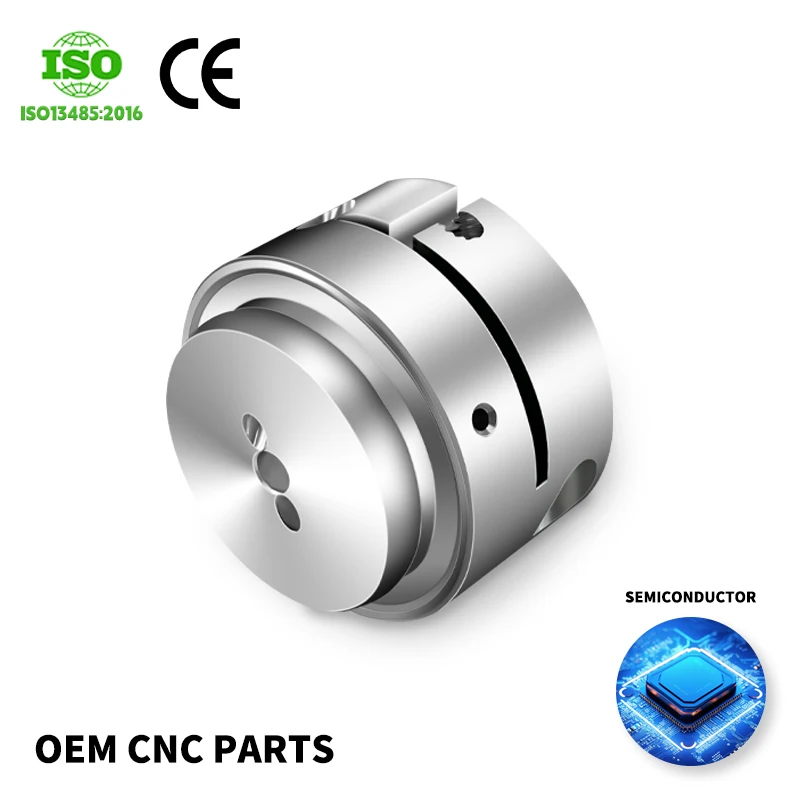
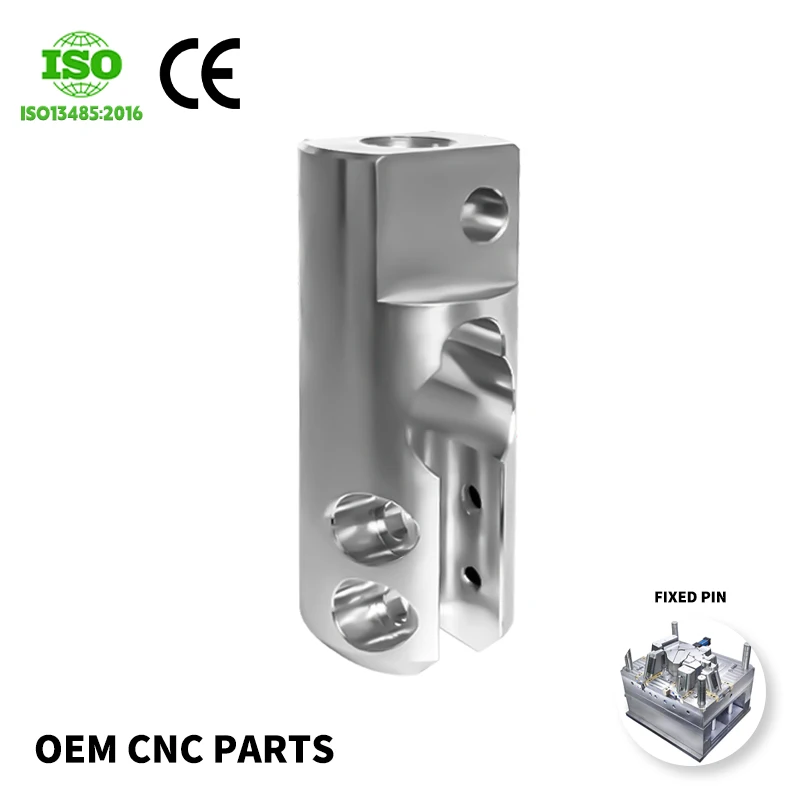
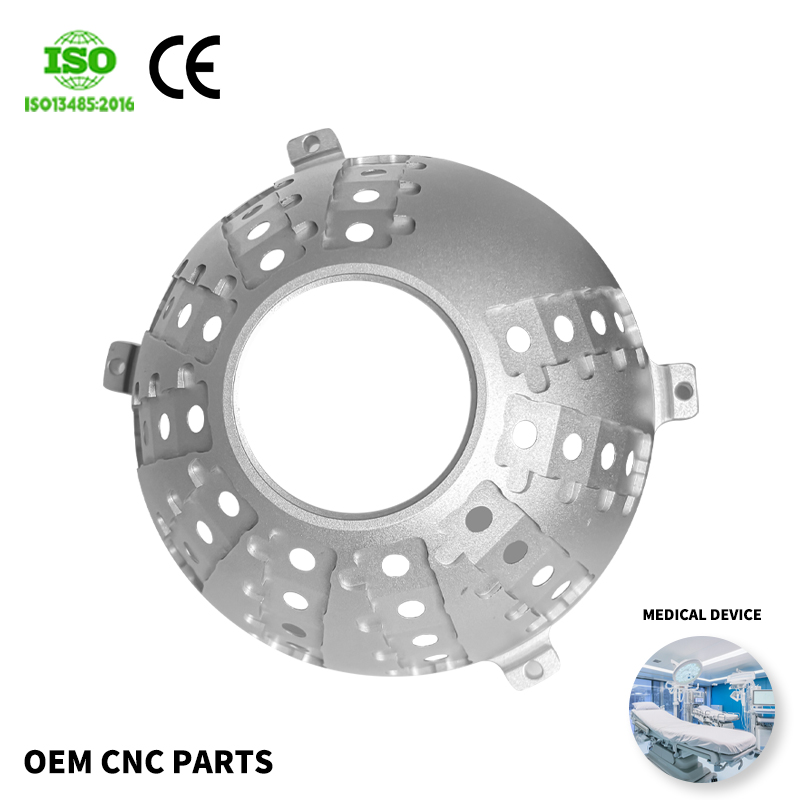
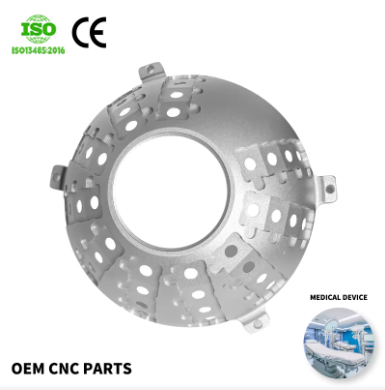
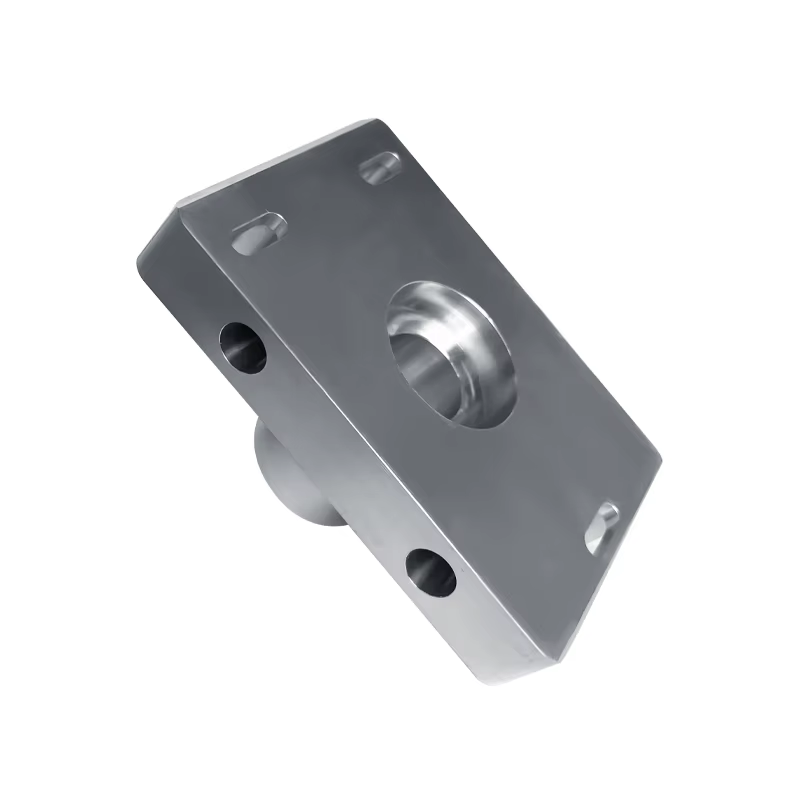
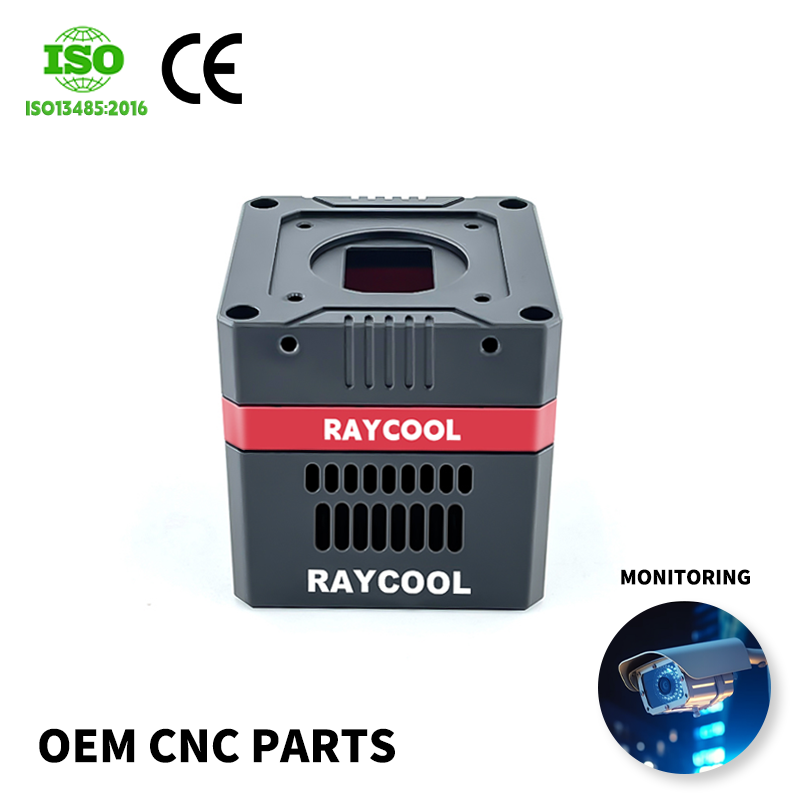
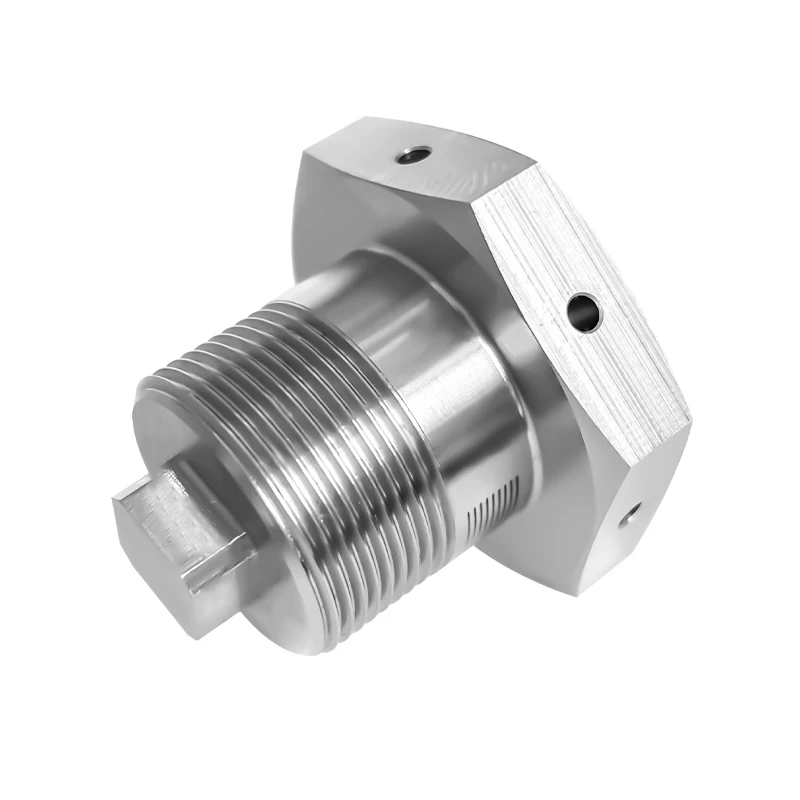
Aerospace CNC machined parts represent precision-engineered components manufactured through computer numerical control machining processes specifically designed for aviation and space applications. These critical parts meet the stringent requirements of the aerospace industry, where safety, reliability, and performance are paramount. The main functions of aerospace CNC machined parts include structural support, mechanical operation, fluid management, and electronic housing within aircraft, satellites, and spacecraft systems. Technological features encompass multi-axis machining capabilities, tight tolerance control typically within microns, advanced surface finishing techniques, and compatibility with specialized aerospace materials such as titanium alloys, aluminum alloys, stainless steel, and high-temperature superalloys. The manufacturing process utilizes state-of-the-art CNC equipment including 5-axis machining centers, turning centers, and Swiss-type lathes to achieve complex geometries and precise specifications. Applications for aerospace CNC machined parts span across commercial aviation, military aircraft, space exploration vehicles, and satellite systems. Common components include turbine blades, landing gear components, hydraulic fittings, valve bodies, structural brackets, engine mounts, fuel system parts, and avionics housings. These parts undergo rigorous quality control procedures, material certifications, and compliance testing to meet industry standards such as AS9100, NADCAP, and FAA regulations. The aerospace CNC machined parts sector continues to evolve with emerging technologies like additive-subtractive hybrid manufacturing and advanced inspection methods to support next-generation aerospace designs.

New Product Recommendations

Choosing aerospace CNC machined parts delivers exceptional value through superior precision that ensures perfect fit and function in critical aircraft systems, eliminating costly failures and reducing maintenance requirements. The manufacturing process provides remarkable consistency across production runs, meaning every part meets identical specifications whether you order ten or ten thousand units. This reliability translates directly into reduced inspection time and faster assembly processes for your operations. These parts offer outstanding material utilization efficiency, with CNC machining removing only necessary material to achieve final geometry, which minimizes waste and controls costs when working with expensive aerospace-grade materials. The operational benefits extend to enhanced production flexibility, allowing rapid design modifications without tooling changes, enabling you to respond quickly to engineering updates or customization requests. Aerospace CNC machined parts demonstrate excellent structural integrity because the machining process preserves material grain structure and mechanical properties, delivering components that withstand extreme operational stresses, temperature variations, and vibration encountered in flight environments. Application suitability covers diverse aerospace needs from small precision fittings to large structural components, with the capability to machine complex internal passages, undercuts, and intricate surface contours impossible with conventional manufacturing methods. Decision-useful context includes reduced lead times compared to casting or forging alternatives, especially for prototype development and low-to-medium volume production runs. You gain access to comprehensive documentation including material certifications, dimensional reports, and traceability records essential for regulatory compliance. The investment in aerospace CNC machined parts protects your reputation through proven quality, supports faster time-to-market for new aircraft programs, and provides long-term cost advantages through reduced warranty claims and extended service life of installed components.

Tips And Tricks

Best Practices for Machining Titanium Alloy Components in Precision Manufacturing

05

Dec

Best Practices for Machining Titanium Alloy Components in Precision Manufacturing

Titanium alloys have become indispensable materials in precision manufacturing, particularly in aerospace, medical, and automotive industries where exceptional strength-to-weight ratios and corrosion resistance are paramount. The unique properties of...
View More
Surface Finish and Tolerance Control for Aluminum in CNC Fabrication

05

Dec

Surface Finish and Tolerance Control for Aluminum in CNC Fabrication

Modern manufacturing demands exceptional precision, particularly when working with aluminum components that require tight tolerances and superior surface finishes. The aluminum CNC fabrication process has evolved dramatically over recent years, incor...
View More
Why 5-Axis CNC Machining Is Ideal for Complex Part Manufacturing

06

Jan

Why 5-Axis CNC Machining Is Ideal for Complex Part Manufacturing

Modern manufacturing demands precision, efficiency, and the ability to create intricate geometries that traditional machining methods simply cannot achieve. The evolution of computer numerical control technology has revolutionized how manufacturers a...
View More
When to Choose 5-Axis Machining for High-Tolerance CNC Components?

06

Feb

When to Choose 5-Axis Machining for High-Tolerance CNC Components?

Modern manufacturing demands precision components that meet increasingly stringent specifications across industries from aerospace to medical devices. Traditional 3-axis CNC machining, while effective for many applications, faces limitations when dea...
View More

Get a Free Quote

Our representative will contact you soon.
Email
Name
Company Name
Message
0/1000

aerospace cnc machined parts

Uncompromising Precision for Mission-Critical Performance

Uncompromising Precision for Mission-Critical Performance

Aerospace CNC machined parts achieve dimensional accuracy levels that define industry leadership, with standard tolerances reaching plus or minus 0.0005 inches and specialized capabilities extending to sub-micron precision when applications demand it. This extraordinary accuracy ensures that components integrate seamlessly into complex aerospace assemblies where even microscopic deviations can compromise safety or performance. The precision extends beyond basic dimensions to include critical geometric characteristics such as perpendicularity, concentricity, and surface parallelism, all verified through advanced metrology equipment including coordinate measuring machines and laser scanning systems. For aerospace applications involving rotating assemblies, hydraulic seals, or pressure vessels, this precision directly translates into optimal performance, extended operational life, and enhanced safety margins. The manufacturing process incorporates in-process inspection and statistical process control to maintain consistency throughout production, providing you with confidence that every aerospace CNC machined part meets your exact specifications. This precision capability eliminates the need for secondary fitting operations, reduces assembly time, and minimizes the risk of field failures, delivering measurable cost savings across your supply chain while maintaining the uncompromising quality standards aerospace applications require.
Advanced Material Expertise for Extreme Environments

Advanced Material Expertise for Extreme Environments

Manufacturing aerospace CNC machined parts requires specialized knowledge of exotic materials that perform reliably under the extreme conditions encountered in aviation and space applications. Expert machinists understand the unique characteristics of titanium alloys that offer exceptional strength-to-weight ratios, aluminum alloys that provide lightweight durability, inconel superalloys that withstand extreme temperatures, and specialized stainless steels resistant to corrosion in harsh environments. This material expertise encompasses proper cutting parameters, tool selection, and thermal management during machining to preserve material properties and prevent work hardening or microstructure damage that could compromise component performance. The capability extends to machining precipitation-hardened materials, heat-treated alloys, and exotic composites that challenge conventional manufacturing approaches. For aerospace applications, material selection directly impacts fuel efficiency, payload capacity, operational range, and maintenance intervals, making this expertise invaluable to your engineering objectives. Proper machining techniques ensure that aerospace CNC machined parts retain the mechanical properties, corrosion resistance, and fatigue strength engineered into the base material, delivering components that meet or exceed design life expectations. This advanced material capability provides you with access to the full range of aerospace-approved materials, supporting innovation in aircraft design while maintaining manufacturing feasibility and cost effectiveness for your specific application requirements.
Comprehensive Quality Assurance and Regulatory Compliance

Comprehensive Quality Assurance and Regulatory Compliance

Aerospace CNC machined parts undergo rigorous quality management systems that exceed standard manufacturing practices, ensuring every component meets the stringent requirements of aviation authorities and industry standards. Manufacturing facilities maintain AS9100 certification, demonstrating commitment to aerospace-specific quality management including risk assessment, configuration management, and counterfeit parts prevention. Each production run includes comprehensive documentation packages containing material certifications tracing raw material to mill source, dimensional inspection reports verifying conformance to drawings, and process travelers documenting all manufacturing operations. This traceability provides complete accountability should questions arise during assembly, testing, or operational service. Quality assurance includes first article inspection for new part numbers, in-process verification at critical manufacturing stages, and final inspection using calibrated measurement equipment with documented uncertainty analysis. For aerospace CNC machined parts destined for flight-critical applications, additional testing may include non-destructive evaluation such as fluorescent penetrant inspection, magnetic particle inspection, or ultrasonic testing to detect surface or subsurface defects. This comprehensive approach protects your organization from supply chain risks, supports regulatory compliance for aircraft certification, and provides the evidence-based confidence necessary when human lives depend on component reliability. The investment in quality assurance delivers long-term value through reduced warranty costs, enhanced brand reputation, and sustained airworthiness of your aerospace products.

Get a Free Quote

Our representative will contact you soon.
Email
Name
Company Name
Message
0/1000

Copyright © 2026 China Shanghai Raycool Industrial Co., Ltd. All rights reserved  -  Privacy policy