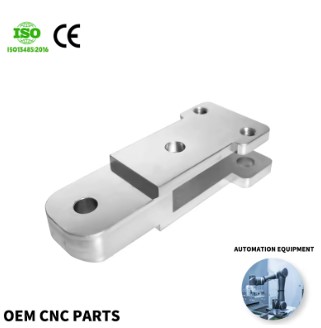
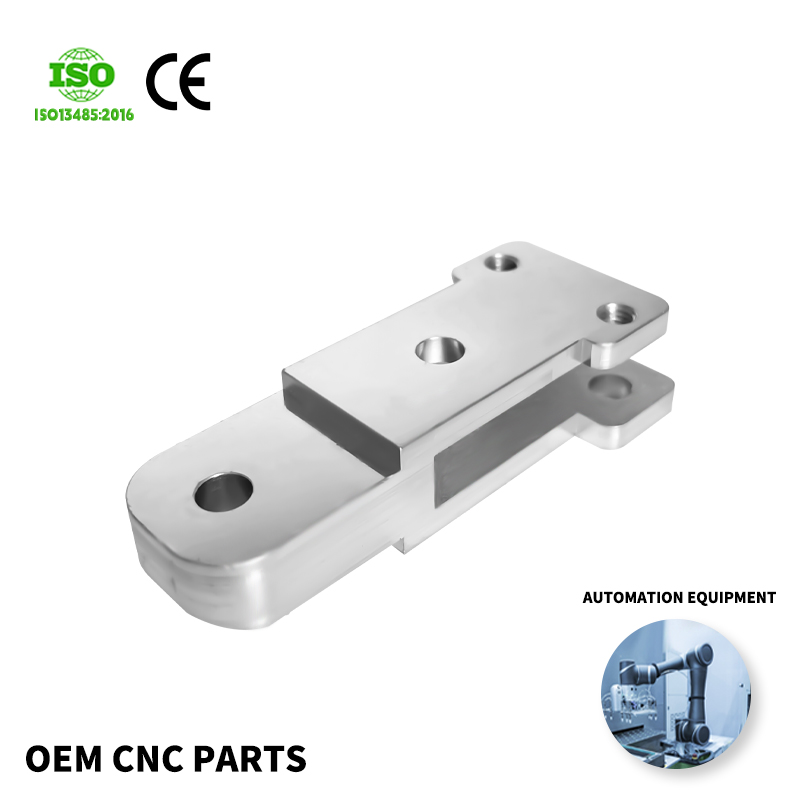
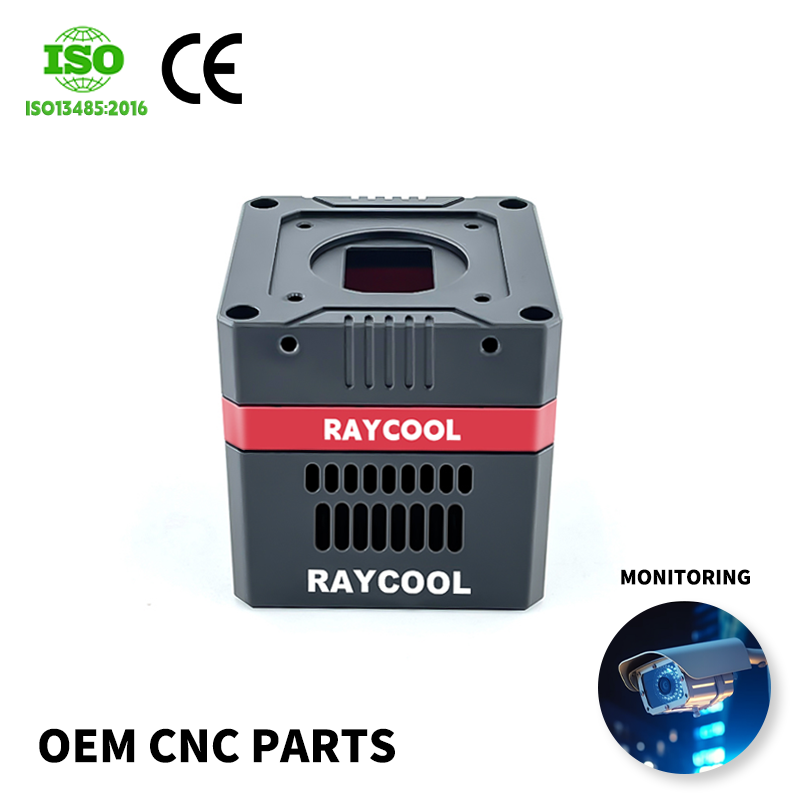
OEM CNC Solutions - Custom Precision Manufacturing

oem cnc

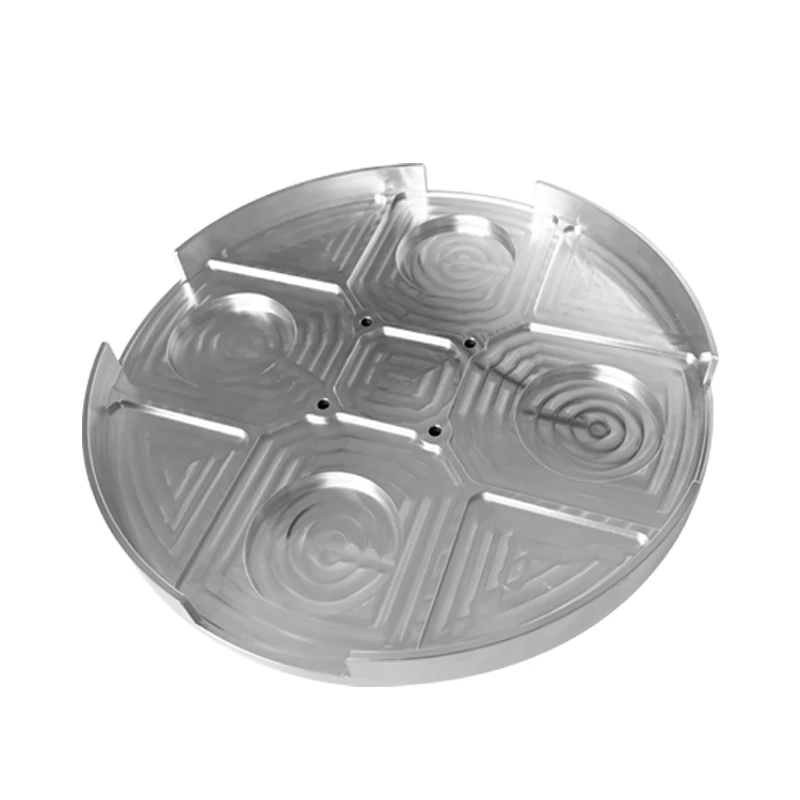
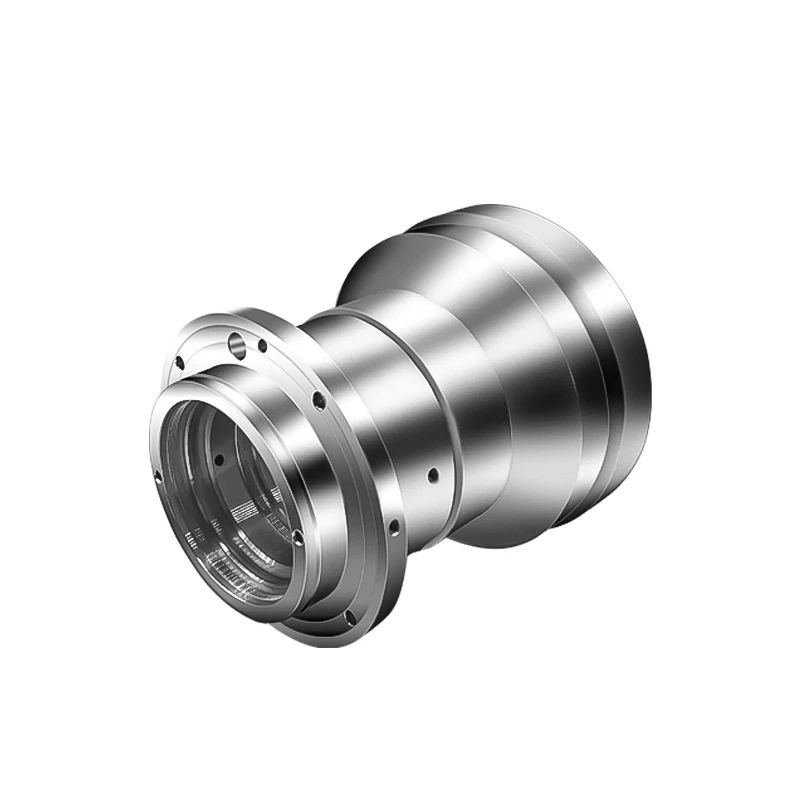
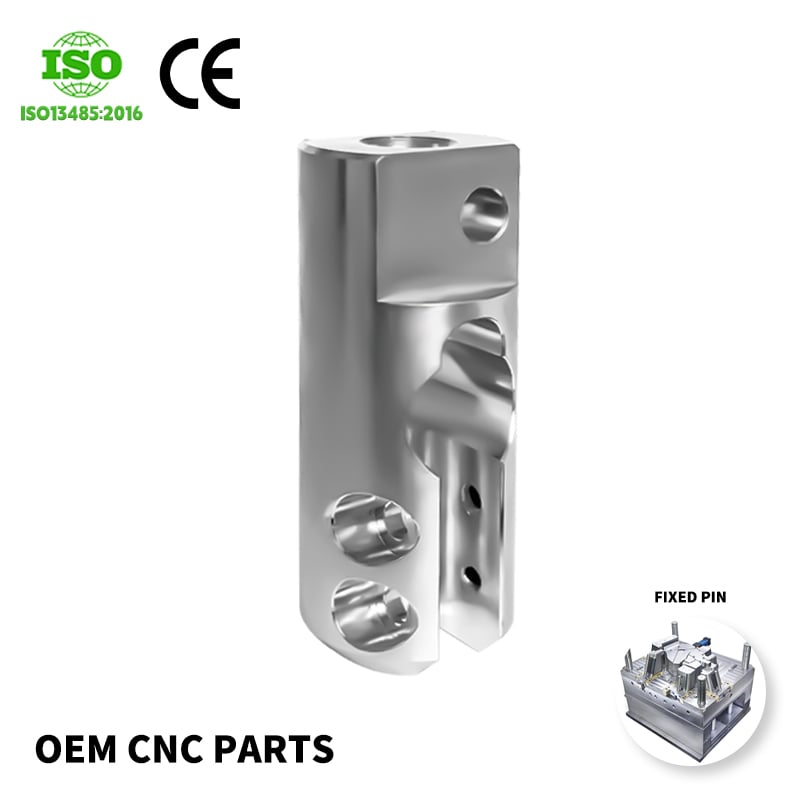
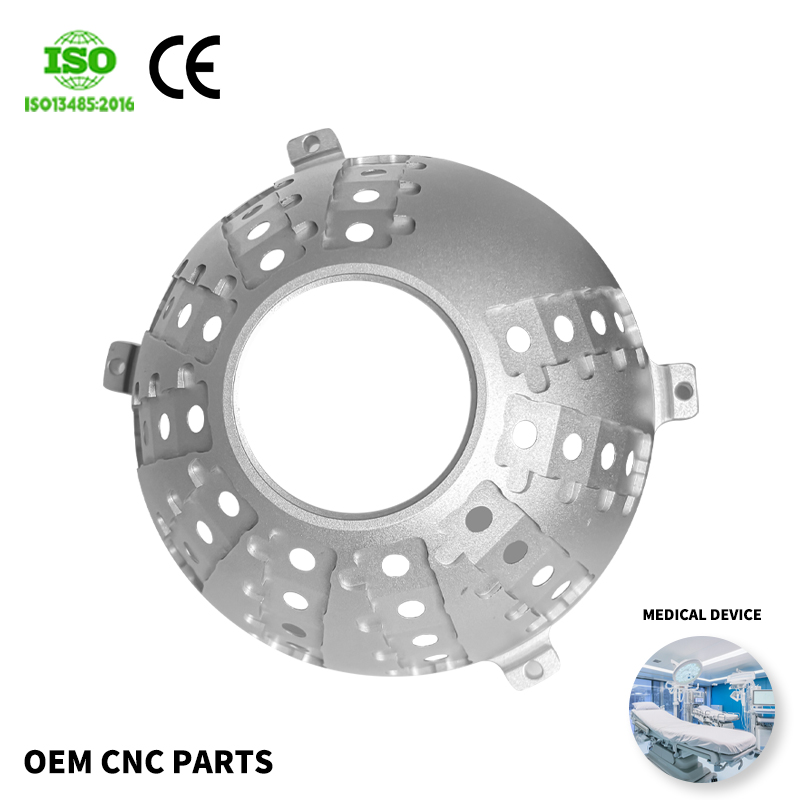
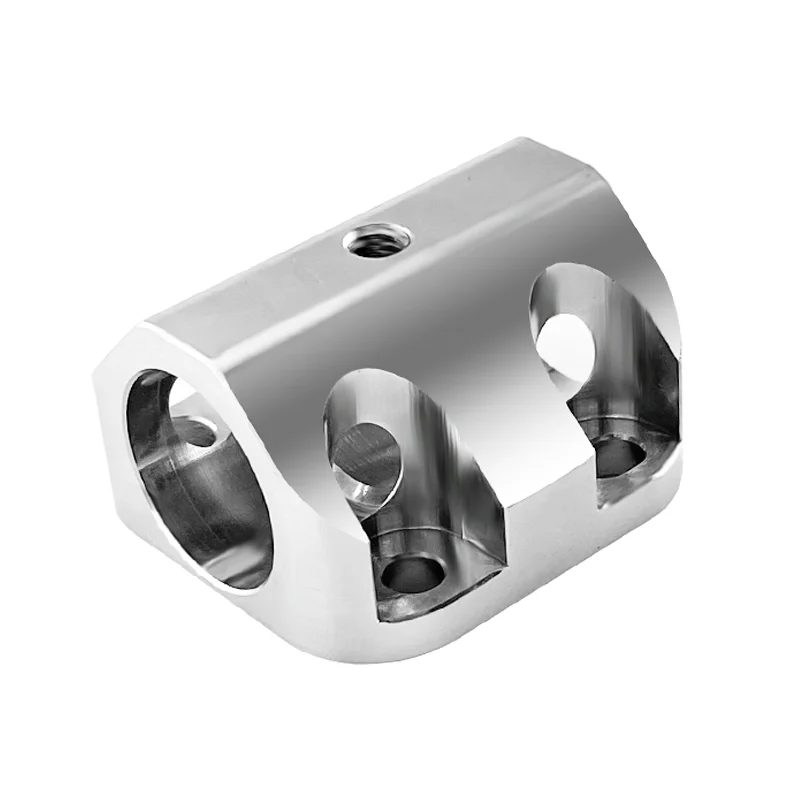
OEM CNC refers to original equipment manufacturer computer numerical control systems and machines that are custom-designed and manufactured to meet specific industrial requirements. An OEM CNC machine integrates advanced automation technology with precision engineering to deliver exceptional manufacturing capabilities across diverse industries. These systems utilize computer-controlled movements to execute complex machining operations with remarkable accuracy and repeatability. OEM CNC equipment encompasses milling machines, lathes, routers, plasma cutters, and multi-axis machining centers that transform raw materials into finished components. The technology behind OEM CNC systems combines sophisticated software programming with high-performance mechanical components to achieve micron-level precision. Manufacturers leverage OEM CNC solutions to produce parts with tight tolerances, intricate geometries, and consistent quality standards. These machines accept digital design files and automatically translate them into precise tool paths and cutting operations. OEM CNC technology supports various materials including metals, plastics, composites, and wood, making it versatile for automotive, aerospace, medical device, electronics, and general manufacturing applications. The customization aspect of OEM CNC allows businesses to specify exact machine configurations, work envelope dimensions, spindle specifications, and control system features that align with their production needs. This flexibility ensures optimal performance for particular manufacturing processes while maintaining cost-effectiveness and operational efficiency throughout the production lifecycle.
New Product Releases

Investing in OEM CNC technology delivers substantial benefits that directly impact your manufacturing capabilities and bottom line. First, you gain exceptional precision that eliminates human error and ensures every part matches exact specifications, reducing waste and rework costs significantly. The automation capabilities of OEM CNC systems allow your operation to run unattended for extended periods, maximizing productivity during nights and weekends without additional labor expenses. You will experience faster production cycles compared to manual machining, as OEM CNC equipment executes complex operations in fraction of the time traditional methods require. The consistency provided by OEM CNC machines means every component produced maintains identical quality standards, which is critical for meeting customer expectations and regulatory requirements. Your business benefits from reduced training costs since operators need less specialized machining knowledge to produce high-quality parts once programs are established. OEM CNC systems offer remarkable flexibility, allowing you to switch between different products quickly by simply loading new programs rather than retooling entire production lines. The customization aspect means you receive equipment specifically engineered for your applications, eliminating unnecessary features while optimizing capabilities that matter most to your operations. You gain competitive advantages through shorter lead times and ability to handle complex geometries that would be impossible or economically unfeasible with conventional methods. The technology also improves workplace safety by keeping operators away from cutting tools and hazardous machining zones. Long-term operational costs decrease due to reduced material waste, lower labor requirements, and minimal scrap rates. OEM CNC investments typically deliver rapid return through increased throughput, improved quality, and enhanced manufacturing capabilities that open new business opportunities.

Practical Tips

Best Practices for Machining Titanium Alloy Components in Precision Manufacturing

05

Dec

Best Practices for Machining Titanium Alloy Components in Precision Manufacturing

Titanium alloys have become indispensable materials in precision manufacturing, particularly in aerospace, medical, and automotive industries where exceptional strength-to-weight ratios and corrosion resistance are paramount. The unique properties of...
View More
Material Customization: How to Select Aluminum, Stainless Steel, Titanium, Copper, or Plastic

05

Dec

Material Customization: How to Select Aluminum, Stainless Steel, Titanium, Copper, or Plastic

Selecting the right material for manufacturing components requires careful consideration of multiple factors including mechanical properties, environmental conditions, cost constraints, and specific application requirements. Material customization ha...
View More
Optimizing Low-Volume Production with Multi-Process CNC Machining

06

Jan

Optimizing Low-Volume Production with Multi-Process CNC Machining

Manufacturing precision components for specialized industries requires sophisticated approaches that balance quality, efficiency, and cost-effectiveness. Multi-process CNC machining has emerged as a transformative solution for low-volume production r...
View More
CNC Machining Process Guide: Turning, Milling, and 5-Axis Explained

06

Feb

CNC Machining Process Guide: Turning, Milling, and 5-Axis Explained

Modern manufacturing relies heavily on precision engineering and automated production techniques. CNC machining stands at the forefront of this technological revolution, transforming raw materials into complex components with exceptional accuracy. Fr...
View More

Get a Free Quote

Our representative will contact you soon.
Email
Name
Company Name
Message
0/1000

oem cnc

Precision Engineering and Quality Consistency

Precision Engineering and Quality Consistency

OEM CNC machines deliver unmatched precision that transforms manufacturing quality standards across all production volumes. The computer-controlled positioning systems achieve tolerances measured in micrometers, ensuring dimensional accuracy that manual operations simply cannot replicate. This precision level remains consistent throughout production runs, whether manufacturing ten pieces or ten thousand, eliminating the variation inherent in human-operated equipment. The repeatability of OEM CNC technology means that once a program is validated, every subsequent part will match the original specifications exactly. This consistency reduces quality control overhead, minimizes rejection rates, and strengthens customer confidence in your products. Advanced feedback systems continuously monitor tool position and compensate for thermal expansion, tool wear, and other variables that might affect accuracy. The result is superior surface finishes, precise dimensional control, and complex geometries executed flawlessly. For industries where quality is non-negotiable such as aerospace, medical devices, and automotive safety components, OEM CNC precision provides the reliability necessary to meet stringent regulatory standards and certification requirements.
Customization for Specific Manufacturing Needs

Customization for Specific Manufacturing Needs

The OEM approach to CNC technology means you receive equipment engineered specifically for your unique manufacturing requirements rather than generic off-the-shelf solutions. Manufacturers can specify work envelope dimensions that match their typical part sizes, eliminating wasted capacity or size limitations. You select spindle power, speed ranges, and tooling configurations optimized for the materials and processes central to your operations. Control system features can be tailored to include specialized functions, custom interfaces, and integration capabilities that align with existing production infrastructure. This customization extends to automation features such as automatic tool changers, pallet systems, and robotic loading that streamline your specific workflow patterns. OEM CNC suppliers work closely with your engineering team to understand production challenges and design solutions that address bottlenecks, quality issues, or capacity constraints. The result is machinery that operates at peak efficiency for your applications without unnecessary complexity or features that add cost without value. This targeted approach maximizes return on investment by ensuring every aspect of the OEM CNC system contributes directly to your manufacturing objectives and competitive positioning.
Operational Efficiency and Cost Reduction

Operational Efficiency and Cost Reduction

OEM CNC technology fundamentally improves operational efficiency by automating complex machining processes that would otherwise require significant manual labor and expertise. These systems operate continuously with minimal supervision, allowing manufacturers to maximize equipment utilization and achieve higher output from existing floor space. The automation reduces labor costs per part while simultaneously improving throughput and consistency. Setup times decrease dramatically compared to conventional machining since tool paths and parameters are stored digitally and recalled instantly for repeat jobs. Material utilization improves through optimized cutting strategies that minimize waste and extract maximum value from raw stock. Energy efficiency features in modern OEM CNC equipment reduce operating costs while supporting sustainability initiatives. The diagnostic capabilities built into these systems provide early warning of maintenance needs, preventing unexpected downtime and extending equipment lifespan. Operators can manage multiple OEM CNC machines simultaneously, further improving labor productivity and reducing per-unit manufacturing costs. The data collection features enable continuous process improvement by identifying inefficiencies and optimization opportunities. These combined efficiency gains translate directly into competitive pricing, faster delivery times, and improved profitability for manufacturers across all industry sectors.

Get a Free Quote

Our representative will contact you soon.
Email
Name
Company Name
Message
0/1000

Copyright © 2026 China Shanghai Raycool Industrial Co., Ltd. All rights reserved  -  Privacy policy