Aluminum CNC Machining Factory Services

aluminum cnc machining factory

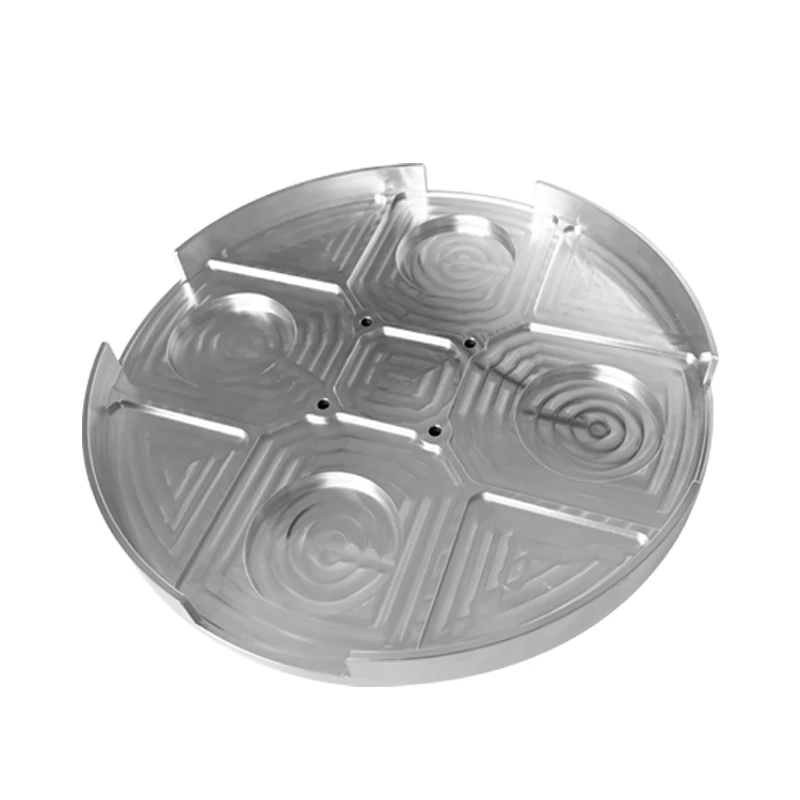
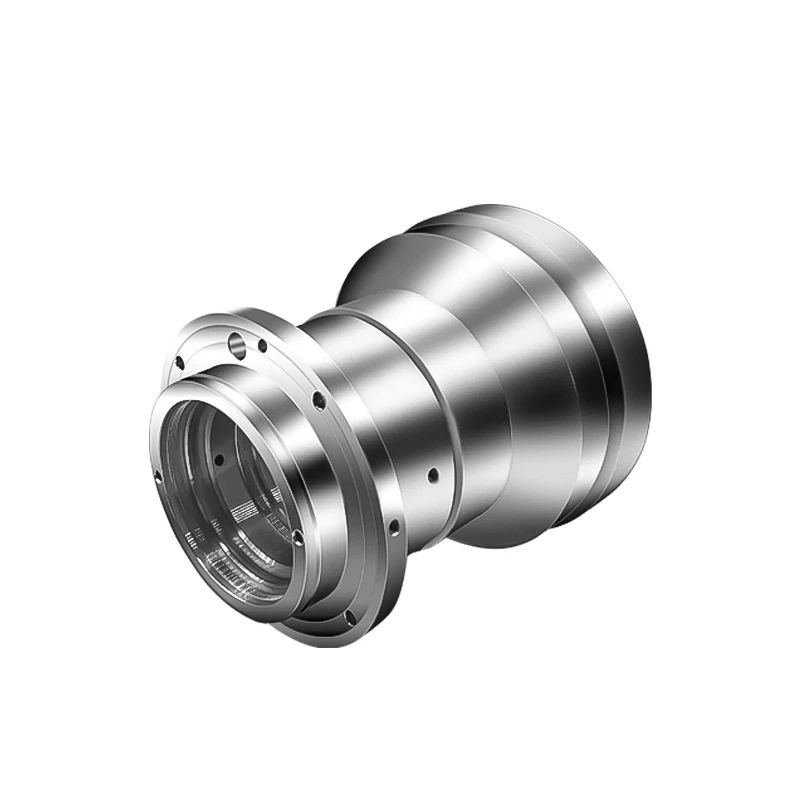
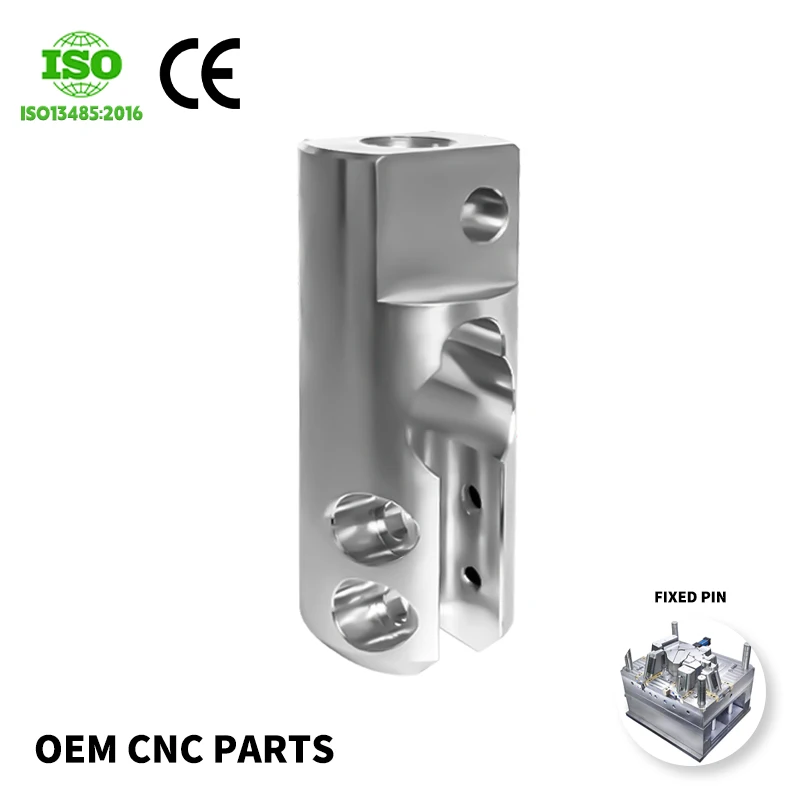
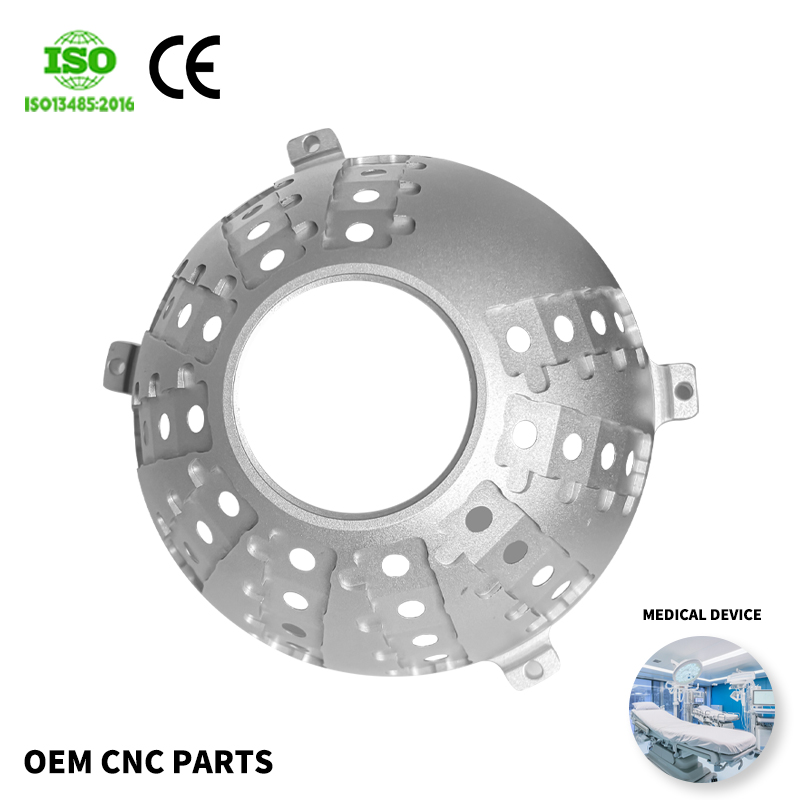
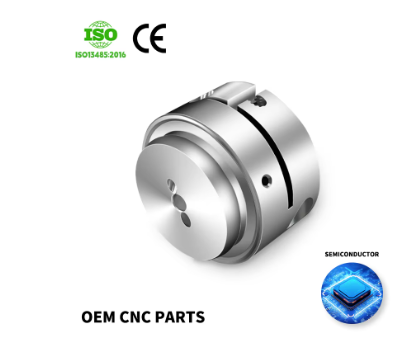
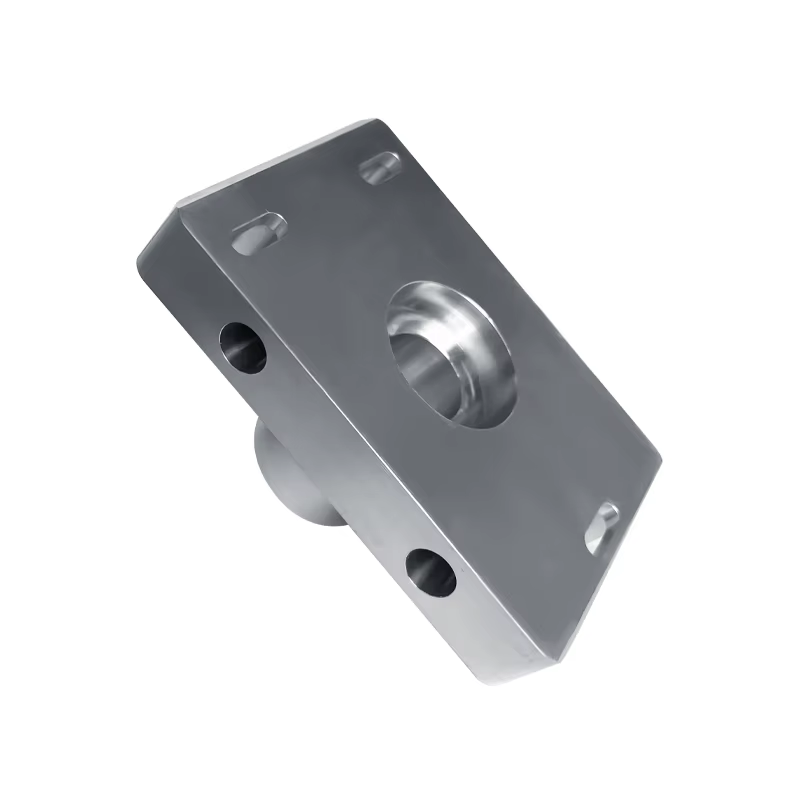
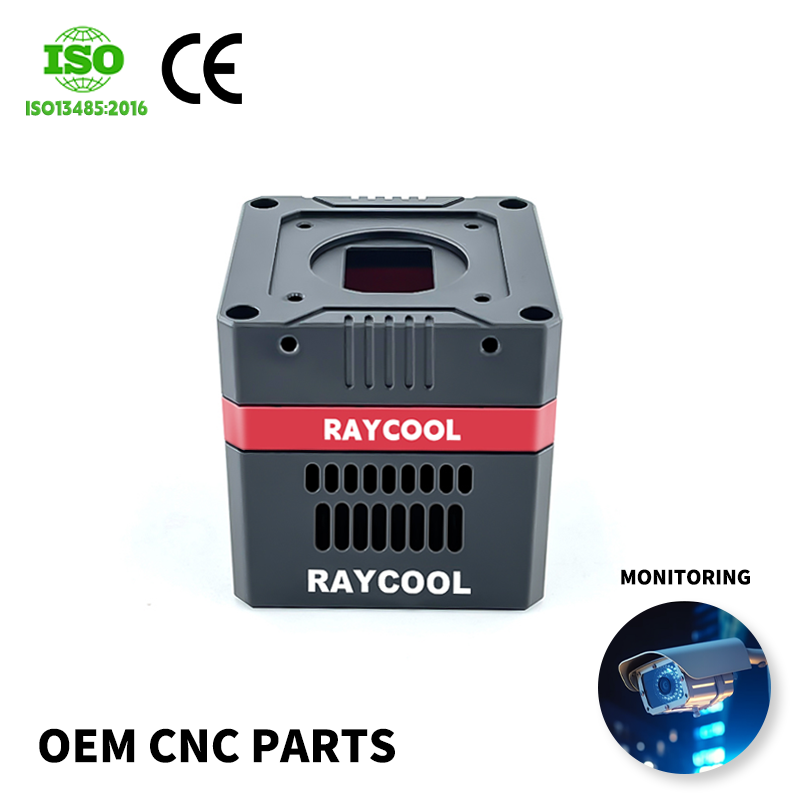
An aluminum cnc machining factory specializes in precision manufacturing of aluminum components using computer numerical control technology. This advanced manufacturing facility combines state-of-the-art CNC equipment with specialized expertise to transform raw aluminum materials into high-precision parts across multiple industries. The factory operates multi-axis CNC machines including milling centers, turning centers, and Swiss-style lathes that deliver exceptional accuracy for complex geometries. Modern aluminum cnc machining factory operations integrate CAD/CAM software systems that enable seamless transition from digital designs to finished products with minimal human intervention. The primary functions include prototyping, small batch production, and high-volume manufacturing runs tailored to customer specifications. These facilities handle various aluminum grades from 6061 and 7075 to specialized alloys, selecting materials based on strength requirements, corrosion resistance, and weight considerations. Technological features include automated tool changers, real-time quality monitoring systems, and climate-controlled environments that maintain consistent machining conditions. Applications span aerospace components requiring tight tolerances, automotive parts demanding durability, medical device housings needing biocompatibility, electronic enclosures providing electromagnetic shielding, and consumer products balancing aesthetics with functionality. An aluminum cnc machining factory serves as a critical manufacturing partner for businesses requiring reliable, repeatable production of aluminum parts with dimensional accuracy measured in microns. The combination of advanced machinery, skilled technicians, and quality assurance protocols ensures consistent output that meets international standards and customer expectations across diverse industrial sectors.

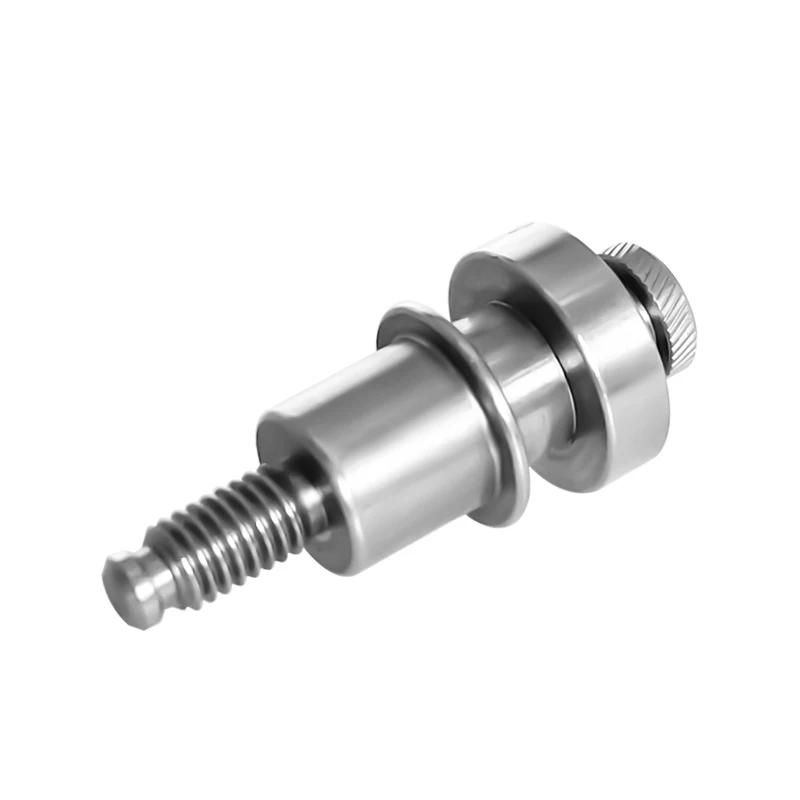
New Product Releases

Choosing an aluminum cnc machining factory provides significant cost savings through efficient material utilization and reduced waste generation compared to traditional manufacturing methods. The precision nature of CNC machining minimizes material removal errors, allowing factories to maximize usable material from each aluminum blank while recycling chips and scrap for additional revenue recovery. Production speed represents another practical benefit, as automated CNC processes run continuously with minimal supervision, enabling faster turnaround times from order placement to delivery. This operational efficiency translates directly into shorter lead times for customers needing quick-turn prototypes or emergency replacement parts. Quality consistency stands as a fundamental advantage, since aluminum cnc machining factory operations eliminate human error variability through programmed precision. Every part produced matches the original specifications exactly, reducing rejection rates and ensuring perfect interchangeability in assembly operations. The versatility of CNC machining accommodates design changes rapidly through simple program modifications rather than expensive tooling replacements, giving product developers flexibility during iterative design phases. Aluminum's natural properties combine perfectly with CNC precision, offering excellent strength-to-weight ratios ideal for applications where weight reduction improves performance or reduces operational costs. Surface finish quality achieved by an aluminum cnc machining factory often eliminates secondary finishing operations, saving additional processing time and expense. Scalability provides decision-useful context, as production volumes easily adjust from single prototypes to thousands of units without compromising quality or requiring significant setup changes. The digital nature of CNC programming enables easy storage and retrieval of part specifications, facilitating reorders years later with identical results. Environmental considerations favor CNC machining since aluminum remains infinitely recyclable without property degradation, and modern factories implement sustainable practices that minimize energy consumption and environmental impact throughout production cycles.

Tips And Tricks

Key Considerations When CNC Processing Stainless Steel Components for Manufacturing

05

Dec

Key Considerations When CNC Processing Stainless Steel Components for Manufacturing

CNC processing stainless steel has become a cornerstone of modern manufacturing, offering unprecedented precision and repeatability for critical components across industries. From aerospace applications to medical devices, stainless steel's corrosion...
View More
Material Customization: How to Select Aluminum, Stainless Steel, Titanium, Copper, or Plastic

05

Dec

Material Customization: How to Select Aluminum, Stainless Steel, Titanium, Copper, or Plastic

Selecting the right material for manufacturing components requires careful consideration of multiple factors including mechanical properties, environmental conditions, cost constraints, and specific application requirements. Material customization ha...
View More
CNC Machining Guide: Turning, Milling, and 5-Axis Processes Explained

06

Jan

CNC Machining Guide: Turning, Milling, and 5-Axis Processes Explained

CNC machining represents the backbone of modern manufacturing, transforming raw materials into precision components through computer-controlled cutting processes. This advanced manufacturing technique has revolutionized industries from aerospace to m...
View More
When to Choose 5-Axis Machining for High-Tolerance CNC Components?

06

Feb

When to Choose 5-Axis Machining for High-Tolerance CNC Components?

Modern manufacturing demands precision components that meet increasingly stringent specifications across industries from aerospace to medical devices. Traditional 3-axis CNC machining, while effective for many applications, faces limitations when dea...
View More

Get a Free Quote

Our representative will contact you soon.
Email
Name
Company Name
Message
0/1000

aluminum cnc machining factory

Advanced Multi-Axis Machining Capabilities

Advanced Multi-Axis Machining Capabilities

An aluminum cnc machining factory equipped with multi-axis capabilities delivers unmatched geometric complexity and manufacturing efficiency for intricate aluminum components. Five-axis CNC machines enable simultaneous cutting from multiple angles, eliminating the need for multiple setups and repositioning that introduce cumulative positioning errors. This advanced capability proves essential for aerospace brackets, medical implant components, and specialized automotive parts featuring compound curves, undercuts, and complex internal passages that three-axis machines cannot access efficiently. The continuous tool engagement reduces cycle times significantly while maintaining superior surface finishes across all machined surfaces. Multi-axis technology within an aluminum cnc machining factory allows single-setup completion of parts that traditionally required multiple operations, reducing handling damage risks and improving overall dimensional accuracy. Operators program tool paths that optimize cutting conditions specifically for aluminum alloys, preventing built-up edge formation and ensuring clean cuts throughout production runs. This technological sophistication translates into tangible customer benefits including reduced production costs, shorter manufacturing timelines, and enhanced part performance through improved structural integrity. The investment in multi-axis equipment demonstrates a factory's commitment to handling the most demanding aluminum machining projects with precision and reliability.
Rigorous Quality Control and Inspection Systems

Rigorous Quality Control and Inspection Systems

Quality assurance distinguishes exceptional aluminum cnc machining factory operations through comprehensive inspection protocols and advanced metrology equipment. Coordinate measuring machines with tactile probes and optical scanners verify dimensional accuracy across hundreds of measurement points, ensuring every critical feature meets specification tolerances. Statistical process control systems monitor production trends in real-time, detecting subtle variations before they result in out-of-specification parts. First article inspections validate new programs before production runs commence, while in-process checks during manufacturing catch any deviations immediately. Final inspections verify complete conformance to customer drawings and industry standards including ISO 9001 and AS9100 certifications for aerospace applications. Material certifications accompany each shipment, documenting aluminum alloy composition and mechanical properties through mill test reports. Surface finish measurements using profilometers quantify roughness values, ensuring components meet functional requirements for sealing, bearing surfaces, or aesthetic appearance. An aluminum cnc machining factory with robust quality systems provides customers with documented evidence of compliance, reducing receiving inspection burdens and enabling direct-to-assembly workflows. Traceability systems track each part through production stages, facilitating root cause analysis if issues arise and demonstrating due diligence for regulated industries. This quality-focused approach builds customer confidence and establishes long-term manufacturing partnerships based on consistent, reliable performance delivery.
Rapid Prototyping to Production Scalability

Rapid Prototyping to Production Scalability

The flexibility inherent in an aluminum cnc machining factory enables seamless transitions from initial prototype development through full-scale production without tooling changes or process disruptions. Engineering teams benefit from quick-turn prototype services that deliver functional aluminum parts within days, allowing design validation and testing before committing to high-volume production. CNC programming accepts direct CAD file inputs, eliminating traditional pattern-making or tooling fabrication delays associated with casting or forging processes. Design iterations occur rapidly through simple program edits, enabling optimization cycles that refine part geometry, reduce weight, or enhance functionality based on test results. When designs finalize and production demands increase, the same aluminum cnc machining factory scales output by extending machine run times or adding parallel machining operations without quality compromises. This scalability proves particularly valuable for companies launching new products with uncertain demand forecasts, as production volumes adjust responsively to market reception. The digital nature of CNC manufacturing preserves institutional knowledge through stored programs, ensuring that reorders months or years later produce identical results regardless of personnel changes. Customers avoid minimum order quantities common with traditional manufacturing methods, ordering precisely the quantities needed to match inventory strategies and cash flow requirements. This production flexibility combined with aluminum's favorable machining characteristics creates an ideal manufacturing solution for innovative companies requiring responsive, reliable manufacturing partnerships.

Get a Free Quote

Our representative will contact you soon.
Email
Name
Company Name
Message
0/1000

Copyright © 2026 China Shanghai Raycool Industrial Co., Ltd. All rights reserved  -  Privacy policy