Custom Machined Aluminum Parts | Precision CNC

custom machined aluminum parts

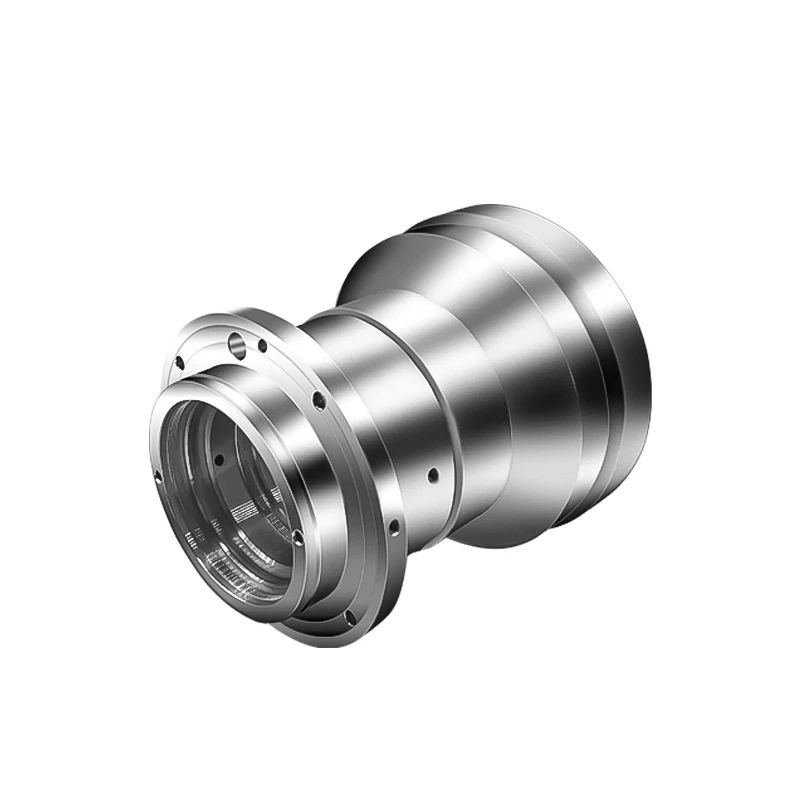
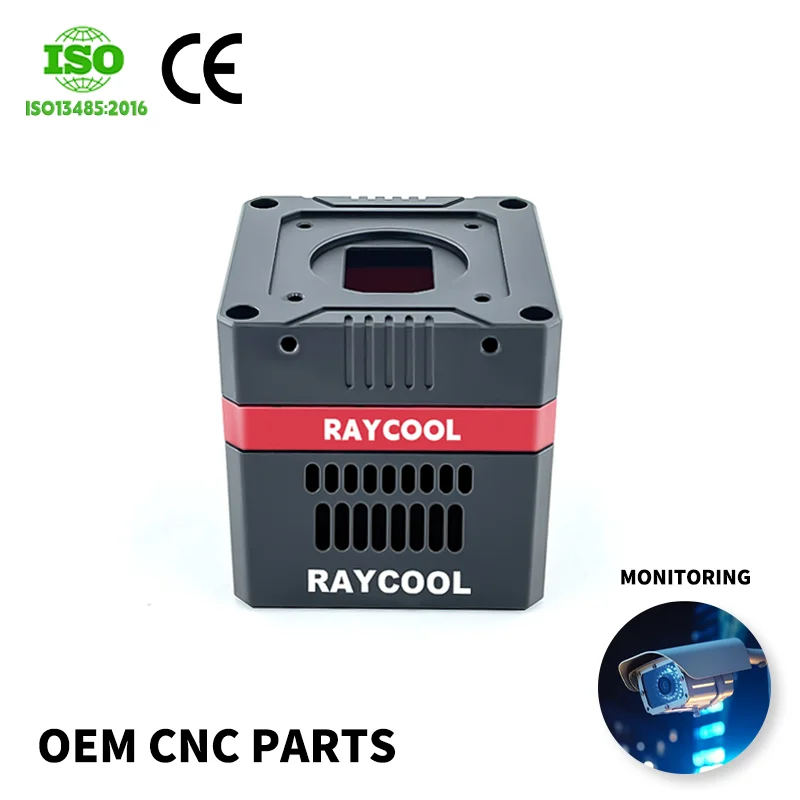
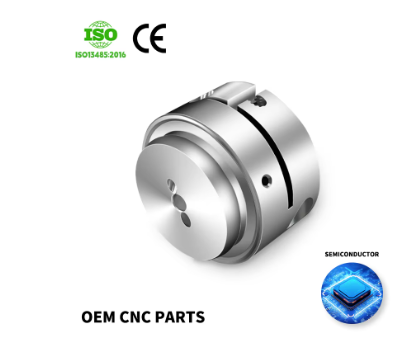
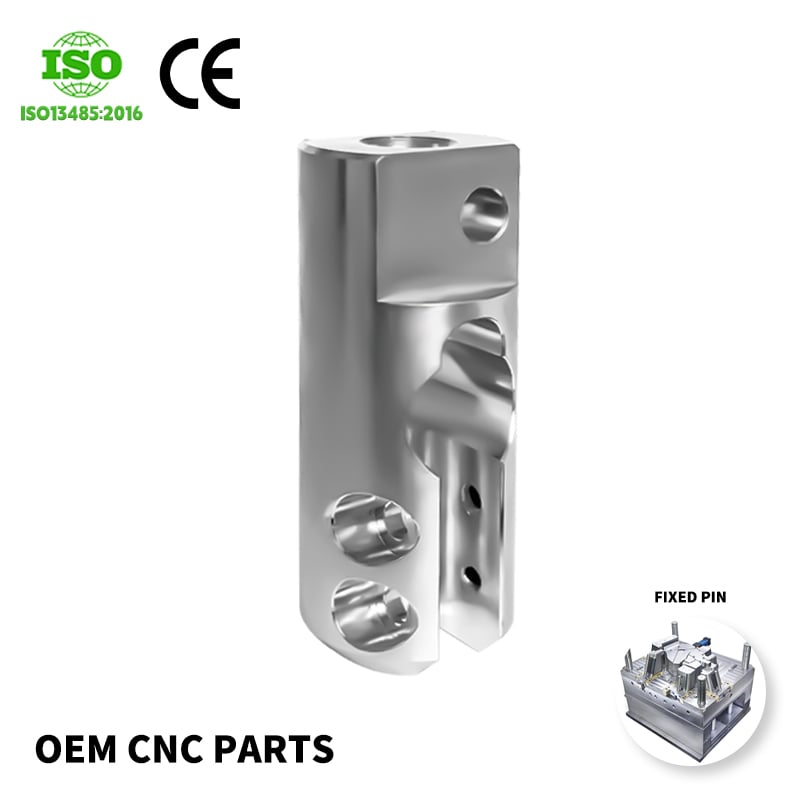
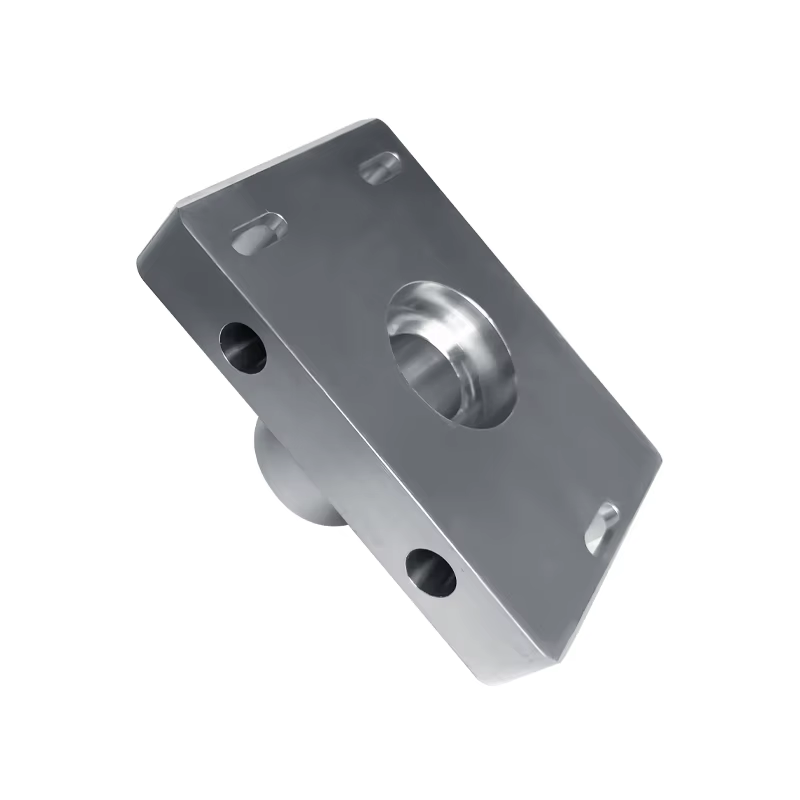
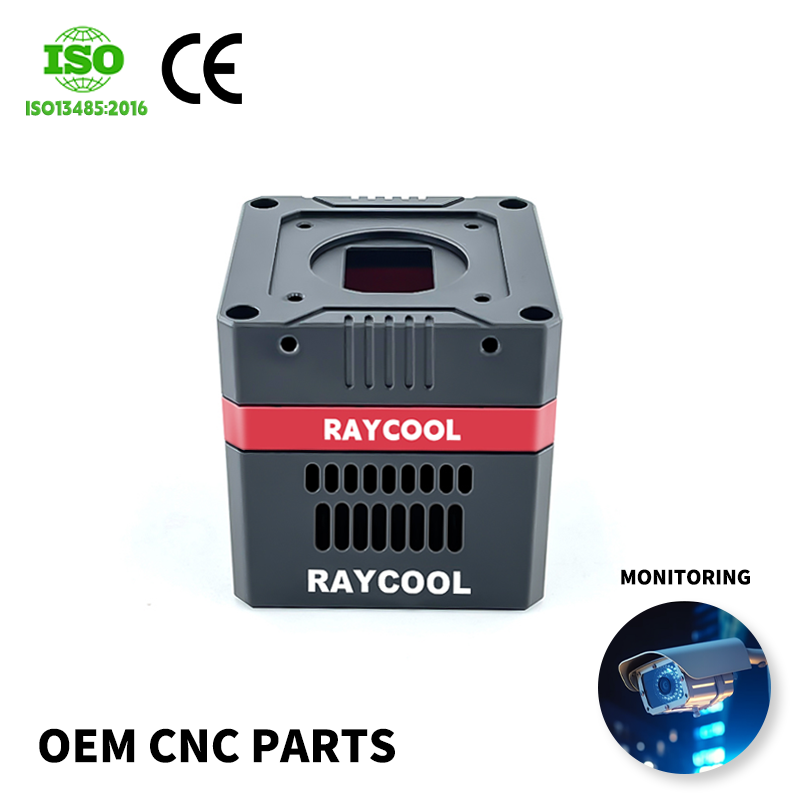
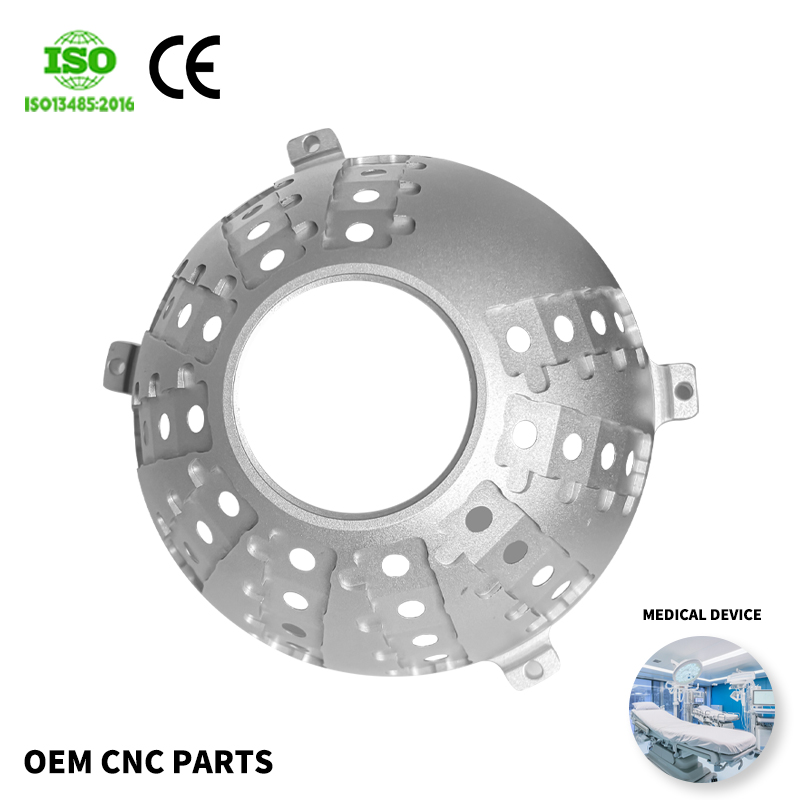
Custom machined aluminum parts are precision-engineered components manufactured through advanced CNC machining processes to meet exact specifications for diverse industrial applications. These parts are created by removing material from aluminum stock using computer-controlled cutting tools, resulting in components with tight tolerances and complex geometries. The main functions include providing lightweight yet durable solutions for mechanical assemblies, structural supports, housings, brackets, and specialized equipment components across multiple industries. Custom machined aluminum parts offer exceptional versatility, allowing manufacturers to produce everything from simple brackets to intricate multi-axis components with detailed features. The technological features encompass high-precision CNC milling and turning capabilities, multi-axis machining for complex geometries, and various surface finishing options including anodizing, powder coating, and bead blasting. These parts utilize different aluminum grades such as 6061, 7075, and 2024, each selected based on specific strength, corrosion resistance, and machinability requirements. Applications span aerospace components, automotive parts, medical device housings, electronics enclosures, robotics assemblies, and industrial machinery. Custom machined aluminum parts are essential in industries requiring lightweight construction without compromising structural integrity. The combination of aluminum's natural properties and precision machining delivers components that meet stringent quality standards while maintaining cost-effectiveness for both prototype development and high-volume production runs.
Popular Products

Choosing custom machined aluminum parts delivers significant value through multiple practical benefits that directly impact your production efficiency and bottom line. The lightweight nature of aluminum reduces overall assembly weight by up to 65 percent compared to steel alternatives, leading to improved fuel efficiency in transportation applications and easier handling during installation. This weight reduction translates to lower shipping costs and reduced energy consumption throughout the product lifecycle. The excellent machinability of aluminum allows faster production cycles, meaning you receive your custom machined aluminum parts quicker than components made from harder metals, reducing lead times and accelerating your time to market. Corrosion resistance ensures long-term durability without requiring extensive protective treatments, reducing maintenance costs and extending component lifespan in challenging environments. The material's superior thermal conductivity makes these parts ideal for heat dissipation applications, protecting sensitive electronics and improving operational reliability. Cost-effectiveness emerges from aluminum's abundance and recyclability, with scrap material retaining significant value and reducing waste disposal expenses. Custom machined aluminum parts accommodate design flexibility, enabling you to optimize components for specific functions without tooling constraints associated with casting or forging. The precision achievable through CNC machining ensures consistent quality across production runs, minimizing rejection rates and assembly issues. Surface treatment options provide aesthetic appeal and additional protection, enhancing brand presentation while meeting functional requirements. These parts suit applications ranging from high-stress aerospace environments to consumer electronics, offering scalability from prototype quantities to mass production. The combination of performance characteristics, production efficiency, and economic advantages makes custom machined aluminum parts a strategic choice for businesses seeking competitive advantages through optimized component solutions.

Practical Tips

CNC Machining Guide: Turning, Milling, and 5-Axis Processes Explained

06

Jan

CNC Machining Guide: Turning, Milling, and 5-Axis Processes Explained

CNC machining represents the backbone of modern manufacturing, transforming raw materials into precision components through computer-controlled cutting processes. This advanced manufacturing technique has revolutionized industries from aerospace to m...
View More
How to Choose Between CNC Turning, Milling, and 5-Axis for Your Part

06

Jan

How to Choose Between CNC Turning, Milling, and 5-Axis for Your Part

Manufacturing precision components requires careful consideration of machining processes, with CNC turning milling 5-axis representing the three fundamental approaches to modern subtractive manufacturing. Each method offers distinct advantages and li...
View More
When to Choose 5-Axis Machining for High-Tolerance CNC Components?

06

Feb

When to Choose 5-Axis Machining for High-Tolerance CNC Components?

Modern manufacturing demands precision components that meet increasingly stringent specifications across industries from aerospace to medical devices. Traditional 3-axis CNC machining, while effective for many applications, faces limitations when dea...
View More
How to Choose Anodized Materials for Industrial Applications?

06

Feb

How to Choose Anodized Materials for Industrial Applications?

Selecting the right anodized materials for industrial applications requires careful consideration of multiple factors that directly impact performance, durability, and cost-effectiveness. Anodized aluminum and other metals have revolutionized manufac...
View More

Get a Free Quote

Our representative will contact you soon.
Email
Name
Company Name
Message
0/1000

custom machined aluminum parts

Superior Precision and Dimensional Accuracy

Superior Precision and Dimensional Accuracy

Custom machined aluminum parts achieve exceptional dimensional accuracy through advanced CNC machining technology, delivering tolerances as tight as plus or minus 0.001 inches for critical applications. This precision level ensures perfect fit and function in complex assemblies where component interaction demands exact specifications. The computer-controlled manufacturing process eliminates human error and maintains consistency across thousands of parts, reducing assembly time and eliminating costly rework. Tight tolerances prove essential in industries like aerospace and medical devices where safety and performance depend on exact dimensions. The ability to machine complex geometries with multiple features in a single setup reduces cumulative tolerancing errors common in multi-process manufacturing. This precision capability extends to surface finish quality, with machined surfaces achieving smoothness levels suitable for sealing applications and aesthetic requirements. Repeatability across production runs ensures that replacement parts manufactured months or years later maintain identical specifications, simplifying inventory management and maintenance operations. The dimensional stability of aluminum combined with precision machining creates components that maintain their accuracy throughout their service life, resisting warping and deformation under normal operating conditions.
Rapid Prototyping and Production Flexibility

Rapid Prototyping and Production Flexibility

Custom machined aluminum parts offer unmatched flexibility for rapid prototyping and seamless transition to production volumes, enabling faster product development cycles and reduced market entry times. Unlike casting or forging which require expensive tooling and long lead times, CNC machining produces functional prototypes directly from digital designs within days, allowing engineers to test and refine concepts quickly. Design modifications require only program changes rather than new tooling, dramatically reducing iteration costs and encouraging innovation. This agility proves invaluable when responding to customer feedback or adapting to changing market requirements. The same manufacturing process scales efficiently from single prototypes to thousands of production units without compromising quality or requiring process changes. Mixed production runs can accommodate multiple part variations simultaneously, supporting product customization and just-in-time manufacturing strategies. Custom machined aluminum parts enable cost-effective small-batch production for specialized applications or limited-edition products where traditional manufacturing methods prove economically unfeasible. The elimination of minimum order quantities associated with tooling-dependent processes reduces inventory carrying costs and obsolescence risks. This production flexibility empowers businesses to test market demand with minimal investment while maintaining the capability to scale rapidly when products succeed.
Enhanced Strength-to-Weight Performance

Enhanced Strength-to-Weight Performance

Custom machined aluminum parts deliver exceptional strength-to-weight ratios that optimize performance across demanding applications from automotive racing to portable medical equipment. Aluminum alloys like 7075 provide tensile strength approaching some steel grades while weighing one-third as much, enabling designers to achieve structural requirements without weight penalties. This performance characteristic translates to improved energy efficiency in moving applications, reduced material costs in stationary structures, and enhanced portability for handheld devices. The machining process allows strategic material placement through features like ribbing and lightening pockets, further optimizing strength exactly where needed while removing excess weight from non-critical areas. Custom machined aluminum parts resist fatigue failure better than many alternatives, maintaining structural integrity through millions of stress cycles in vibration-prone environments. The material's ductility provides some deformation before failure, offering safety advantages over brittle materials in critical applications. Specific aluminum grades can be selected to prioritize different properties, with 6061 offering excellent general-purpose performance and 2024 providing superior strength for aerospace applications. This strength-to-weight optimization enables innovation in weight-sensitive industries, allowing engineers to reimagine product possibilities without compromising safety or durability while achieving performance targets previously unattainable with heavier materials.

Get a Free Quote

Our representative will contact you soon.
Email
Name
Company Name
Message
0/1000

Copyright © 2026 China Shanghai Raycool Industrial Co., Ltd. All rights reserved  -  Privacy policy