Automation Parts: Components for Industrial Control

automation parts

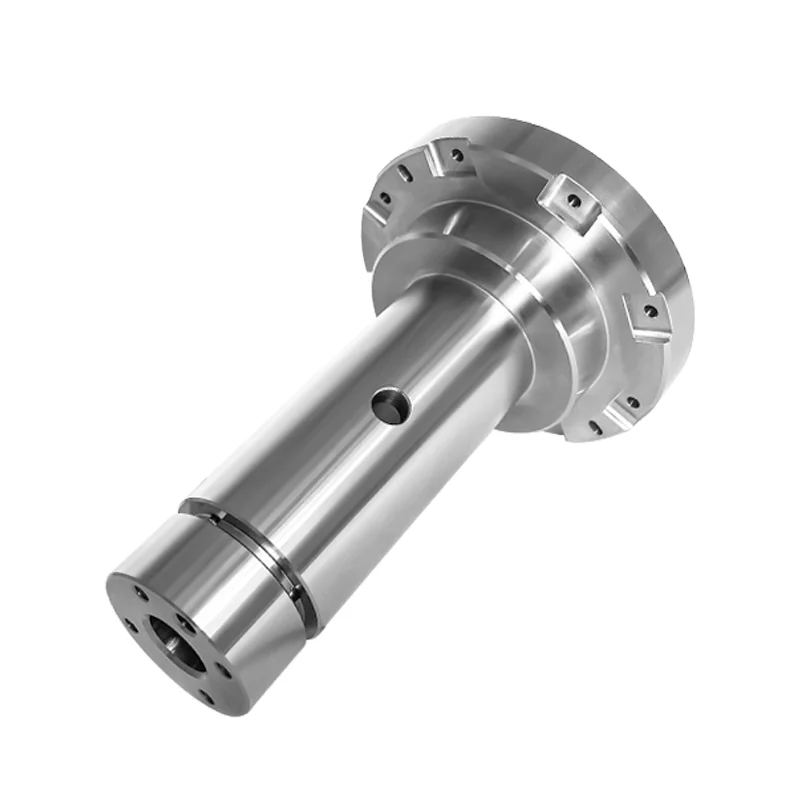
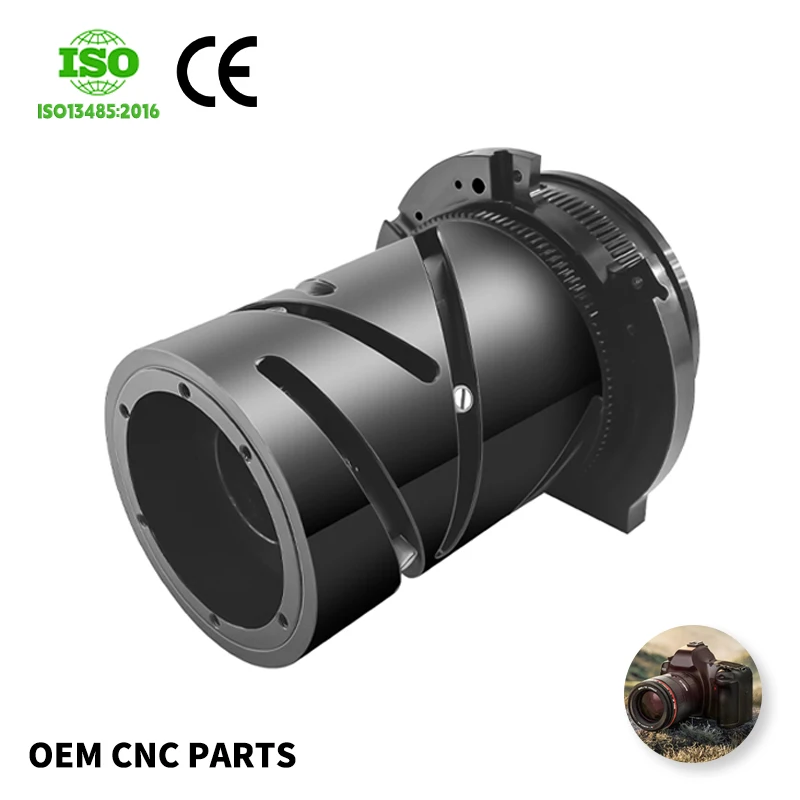
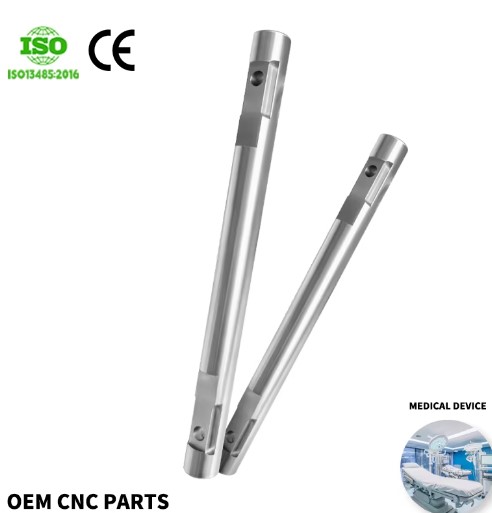
Automation parts are essential components that form the backbone of modern industrial control systems and manufacturing processes. These specialized parts include sensors, actuators, controllers, relays, valves, motors, drives, and communication modules that work together to create efficient automated systems. Automation parts enable machinery and equipment to operate with minimal human intervention, performing repetitive tasks with precision and consistency. The technological features of automation parts encompass advanced microprocessor control, real-time data processing, and seamless integration capabilities with programmable logic controllers and distributed control systems. Modern automation parts utilize cutting-edge technologies such as industrial Ethernet protocols, wireless communication standards, and smart sensing capabilities that enhance operational intelligence. These components are designed to withstand harsh industrial environments, offering durability, reliability, and long service life. Applications of automation parts span across numerous industries including automotive manufacturing, food and beverage processing, pharmaceutical production, packaging operations, material handling systems, and energy management facilities. In automotive plants, automation parts control robotic assembly lines and precision welding operations. Food processing facilities rely on automation parts for accurate filling, sealing, and quality inspection processes. Pharmaceutical manufacturers use these components to ensure sterile production environments and precise dosing operations. The versatility of automation parts makes them indispensable for businesses seeking to improve productivity, reduce operational costs, and maintain competitive advantages in today's fast-paced industrial landscape.

New Product Releases

Investing in quality automation parts delivers substantial benefits that directly impact your bottom line and operational efficiency. These components significantly reduce labor costs by enabling machines to perform tasks that would otherwise require multiple operators working in shifts. You gain improved production consistency because automation parts execute processes with repeatable precision, eliminating the variations inherent in manual operations. This consistency translates to fewer defective products, reduced material waste, and higher customer satisfaction rates. Automation parts enhance workplace safety by handling dangerous tasks such as working with hazardous chemicals, operating in extreme temperatures, or managing heavy lifting operations. Your employees can focus on supervisory roles and value-added activities rather than repetitive manual tasks. The operational benefits extend to increased production speed, as automation parts work continuously without fatigue or breaks, maximizing equipment utilization rates. You achieve faster return on investment through reduced downtime, as modern automation parts feature self-diagnostic capabilities that predict maintenance needs before failures occur. These components integrate seamlessly with existing equipment, allowing gradual automation implementation without complete system overhauls. Automation parts provide valuable operational data through built-in monitoring functions, enabling you to analyze performance metrics, identify bottlenecks, and optimize processes based on real-time information. The scalability of automation parts systems means you can start with basic implementations and expand capabilities as your business grows. Energy efficiency represents another practical advantage, as automation parts optimize power consumption by operating equipment only when needed and at optimal performance levels. This decision-useful context helps you understand that automation parts are not just technical components but strategic investments that improve competitiveness, profitability, and long-term business sustainability.

Tips And Tricks

Future Trends in Custom CNC Machining: What to Expect

26

Nov

Future Trends in Custom CNC Machining: What to Expect

AI and Machine Learning Revolutionizing Custom CNC Machining Adaptive Machining Processes for Custom CNC Parts AI is playing a pivotal role in revolutionizing custom CNC machining through adaptive processes. By leveraging AI algorithms, CNC machines...
View More
Future Trends in CNC Machining Precision Parts: What to Expect

26

Nov

Future Trends in CNC Machining Precision Parts: What to Expect

Global CNC Machining Market Growth and Projections Current Valuation and Forecasted Expansion (2023-2030) The global CNC machining market is projected to undergo significant growth, building upon its current valuation of approximately $55.1 billion ...
View More
How to Choose Between CNC Turning, Milling, and 5-Axis for Your Part

06

Jan

How to Choose Between CNC Turning, Milling, and 5-Axis for Your Part

Manufacturing precision components requires careful consideration of machining processes, with CNC turning milling 5-axis representing the three fundamental approaches to modern subtractive manufacturing. Each method offers distinct advantages and li...
View More
Why 5-Axis CNC Machining Is Ideal for Complex Part Manufacturing

06

Jan

Why 5-Axis CNC Machining Is Ideal for Complex Part Manufacturing

Modern manufacturing demands precision, efficiency, and the ability to create intricate geometries that traditional machining methods simply cannot achieve. The evolution of computer numerical control technology has revolutionized how manufacturers a...
View More

Get a Free Quote

Our representative will contact you soon.
Email
Name
Company Name
Message
0/1000

automation parts

Precision Control and Repeatability

Precision Control and Repeatability

Automation parts deliver exceptional precision control that fundamentally transforms manufacturing quality and process reliability. These components utilize advanced feedback mechanisms and closed-loop control systems that continuously monitor and adjust operations to maintain exact specifications. When you implement automation parts in your production line, you eliminate the inconsistencies associated with human operators, ensuring that every product meets identical quality standards regardless of production volume or shift changes. The repeatability factor becomes particularly valuable in industries where tight tolerances are critical, such as electronics assembly, medical device manufacturing, and aerospace component production. Automation parts achieve positional accuracy measured in micrometers and timing precision measured in milliseconds, capabilities impossible to replicate manually. This level of control extends to complex multi-axis operations, temperature regulation, pressure management, and flow control applications. The precision offered by automation parts reduces scrap rates, minimizes rework requirements, and ensures regulatory compliance in quality-sensitive industries. Your production data becomes more reliable for statistical process control and continuous improvement initiatives. The consistent performance of automation parts also extends equipment lifespan by preventing operator errors that might cause mechanical stress or damage to machinery components.
Flexible Integration and Scalability

Flexible Integration and Scalability

Modern automation parts are engineered with flexible integration capabilities that accommodate diverse industrial environments and evolving business requirements. These components support multiple communication protocols including Modbus, Profibus, EtherNet/IP, and OPC UA, enabling seamless connectivity with equipment from different manufacturers. This interoperability means you avoid vendor lock-in situations and can select the best automation parts for each specific application within your facility. The modular design philosophy of contemporary automation parts allows you to build systems incrementally, starting with critical processes and expanding automation coverage as budgets permit and operational confidence grows. You can retrofit existing machinery with automation parts rather than replacing entire production lines, protecting your capital equipment investments while gaining automation benefits. The scalability extends to control architecture, where automation parts support both centralized and distributed control strategies depending on your facility layout and operational preferences. Cloud connectivity features in advanced automation parts enable remote monitoring, predictive maintenance, and integration with enterprise resource planning systems. This flexibility proves invaluable when responding to market changes, introducing new product lines, or adjusting production volumes. The standardized mounting dimensions and electrical interfaces of automation parts simplify replacement and upgrades, reducing maintenance complexity and spare parts inventory requirements.
Enhanced Diagnostics and Maintenance

Enhanced Diagnostics and Maintenance

Automation parts incorporate intelligent diagnostic features that revolutionize maintenance strategies and minimize unplanned downtime. These components continuously monitor their own operational parameters, detecting anomalies such as excessive vibration, temperature variations, electrical irregularities, or performance degradation that indicate potential failures. The predictive maintenance capabilities of automation parts allow you to schedule servicing during planned production breaks rather than responding to emergency breakdowns that halt operations and require expensive rush repairs. Diagnostic information from automation parts appears on human-machine interfaces or transmits directly to maintenance management systems, providing technicians with specific fault codes and troubleshooting guidance. This intelligence reduces the expertise required for maintenance activities and accelerates repair times, as technicians know exactly which component needs attention before they arrive at the equipment. The self-diagnostic functions of automation parts also validate proper installation and commissioning, catching configuration errors before they affect production. Historical data logging capabilities enable trend analysis that reveals gradual performance changes, supporting root cause analysis and continuous improvement efforts. Many automation parts feature built-in redundancy and fail-safe modes that maintain critical operations even when components experience partial failures, protecting your production schedule and preventing safety incidents. These diagnostic and maintenance advantages translate directly to higher overall equipment effectiveness and lower total cost of ownership.

Get a Free Quote

Our representative will contact you soon.
Email
Name
Company Name
Message
0/1000

Copyright © 2026 China Shanghai Raycool Industrial Co., Ltd. All rights reserved  -  Privacy policy