CNC Machining Turning Solutions & Services

cnc machining turning

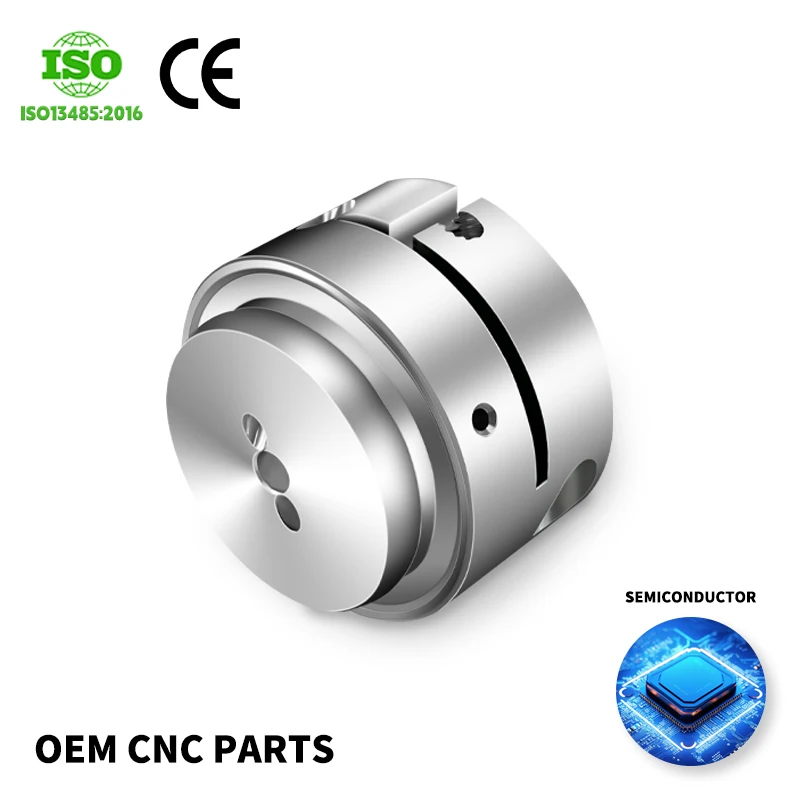
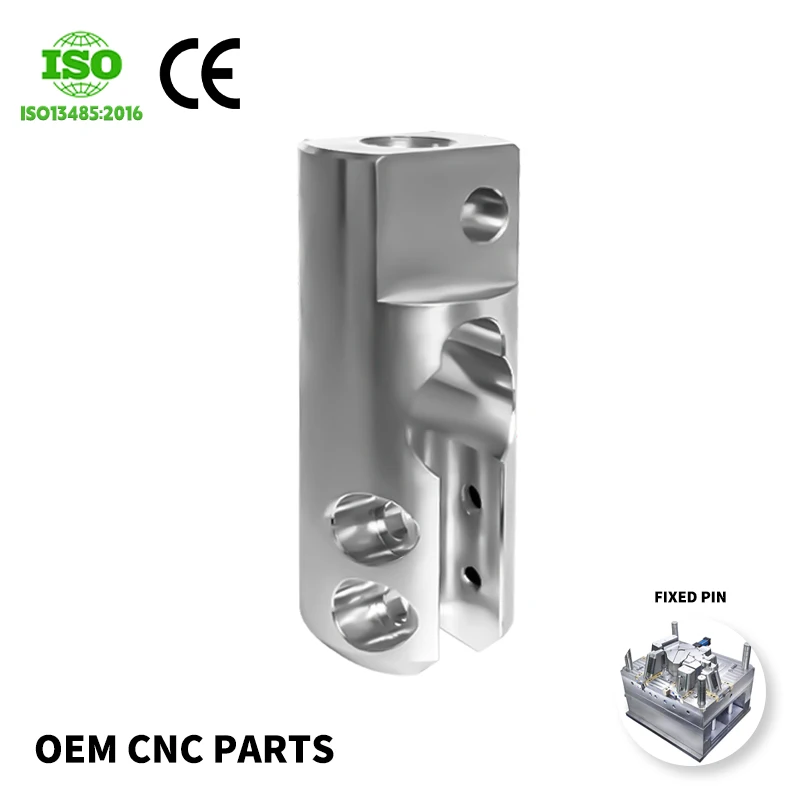
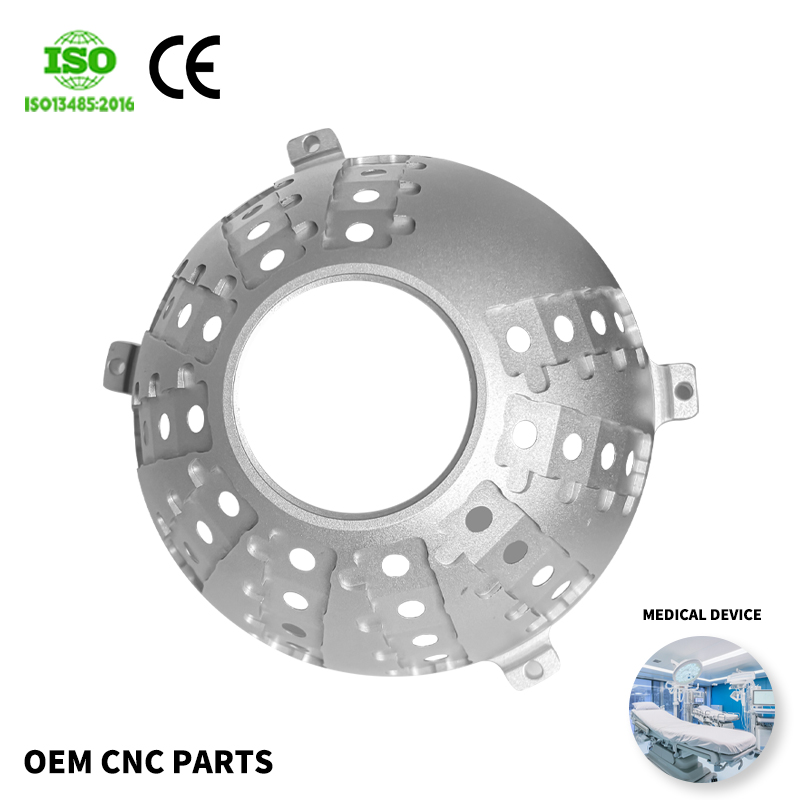
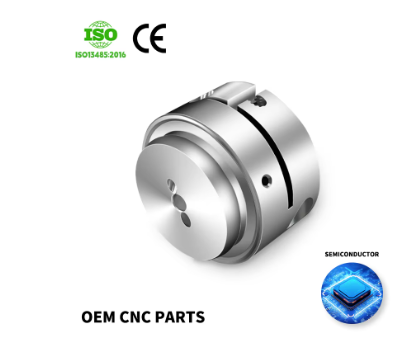
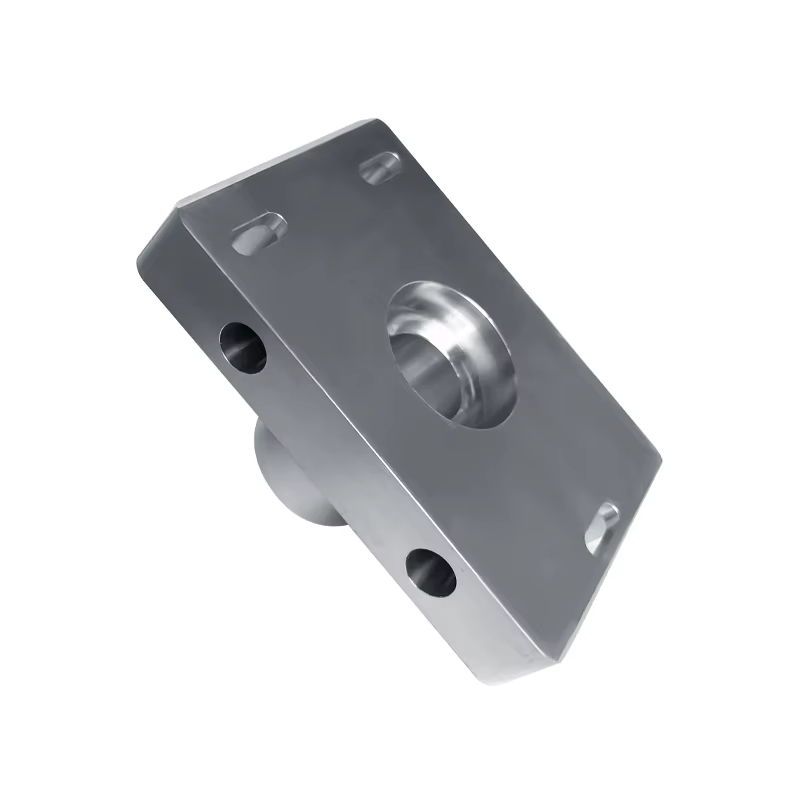
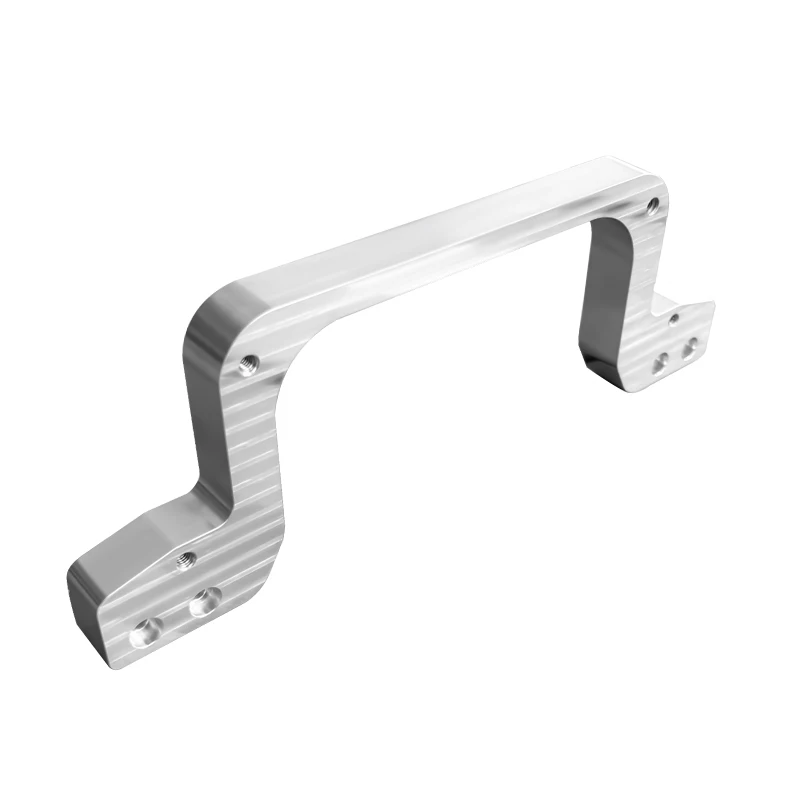
CNC machining turning is a precision manufacturing process that utilizes computer numerical control technology to rotate workpieces while cutting tools remove material to create cylindrical or conical shapes. This subtractive manufacturing method excels at producing parts with circular cross-sections, including shafts, pins, rods, and custom components with intricate geometries. The process involves securing the workpiece in a chuck that rotates at high speeds while stationary cutting tools shape the material according to programmed specifications. CNC machining turning offers exceptional accuracy with tolerances as tight as 0.001 inches, making it ideal for industries requiring precision components. The technology supports various materials including metals like aluminum, steel, brass, titanium, and plastics, providing versatility across manufacturing applications. Modern CNC turning centers feature multi-axis capabilities, live tooling, and automated tool changers that enable complex operations in a single setup. The process delivers superior surface finishes ranging from rough cuts to mirror-like polishes depending on project requirements. CNC machining turning significantly reduces production time compared to manual methods while maintaining consistent quality across large production runs. The technology integrates seamlessly with CAD/CAM software, allowing engineers to translate digital designs directly into physical components with minimal human intervention. This manufacturing solution serves aerospace, automotive, medical device, electronics, and general manufacturing sectors where precision, repeatability, and efficiency are paramount.

New Product Releases

The primary advantage of CNC machining turning lies in its exceptional precision and consistency, ensuring every component meets exact specifications without variation between pieces. This reliability eliminates costly errors and reduces material waste, directly impacting your bottom line through improved operational efficiency. The automated nature of CNC machining turning dramatically reduces labor costs while increasing production speed, allowing you to fulfill orders faster and scale operations without proportional increases in workforce. Your production facility benefits from 24/7 operation capability since CNC turning centers can run unattended during off-hours with proper setup, maximizing equipment utilization and return on investment. The technology handles complex geometries that would be difficult or impossible with manual turning, expanding your product offerings and competitive capabilities in the marketplace. Material versatility means you can work with hard metals, exotic alloys, and engineering plastics using the same equipment, reducing capital expenditure on specialized machinery. CNC machining turning delivers superior surface finishes that often eliminate secondary finishing operations, shortening lead times and reducing handling costs. The digital programming aspect allows rapid design iterations and easy modification of existing parts without retooling expenses, providing flexibility in product development and customization. Quality control becomes more manageable as the process produces measurable, traceable results with built-in inspection capabilities that catch defects before they become expensive problems. Small businesses gain access to manufacturing capabilities previously available only to large corporations, leveling the competitive playing field. The process generates minimal operator fatigue-related errors since machines execute programmed instructions precisely, ensuring workplace safety while maintaining productivity standards throughout extended production runs.

Latest News

Key Considerations When CNC Processing Stainless Steel Components for Manufacturing

05

Dec

Key Considerations When CNC Processing Stainless Steel Components for Manufacturing

CNC processing stainless steel has become a cornerstone of modern manufacturing, offering unprecedented precision and repeatability for critical components across industries. From aerospace applications to medical devices, stainless steel's corrosion...
View More
Surface Finish and Tolerance Control for Aluminum in CNC Fabrication

05

Dec

Surface Finish and Tolerance Control for Aluminum in CNC Fabrication

Modern manufacturing demands exceptional precision, particularly when working with aluminum components that require tight tolerances and superior surface finishes. The aluminum CNC fabrication process has evolved dramatically over recent years, incor...
View More
CNC Machining Guide: Turning, Milling, and 5-Axis Processes Explained

06

Jan

CNC Machining Guide: Turning, Milling, and 5-Axis Processes Explained

CNC machining represents the backbone of modern manufacturing, transforming raw materials into precision components through computer-controlled cutting processes. This advanced manufacturing technique has revolutionized industries from aerospace to m...
View More
When to Choose 5-Axis Machining for High-Tolerance CNC Components?

06

Feb

When to Choose 5-Axis Machining for High-Tolerance CNC Components?

Modern manufacturing demands precision components that meet increasingly stringent specifications across industries from aerospace to medical devices. Traditional 3-axis CNC machining, while effective for many applications, faces limitations when dea...
View More

Get a Free Quote

Our representative will contact you soon.
Email
Name
Company Name
Message
0/1000

cnc machining turning

Unmatched Precision and Repeatability

Unmatched Precision and Repeatability

CNC machining turning delivers micron-level accuracy that transforms how manufacturers approach component production. The computerized control system eliminates human error variables that plague manual turning operations, ensuring dimensional consistency across thousands of identical parts. This precision capability proves invaluable when producing components for assemblies where tight tolerances determine proper fit and function. Advanced feedback systems continuously monitor cutting conditions and make real-time adjustments to maintain accuracy throughout the machining cycle. The repeatability factor means your first part matches your ten-thousandth part with identical specifications, eliminating quality variation that causes assembly problems and customer dissatisfaction. This consistency reduces inspection time and costs since statistical process control confirms ongoing accuracy rather than requiring individual part verification. Manufacturers working with CNC machining turning can confidently quote tight tolerances knowing their equipment will deliver, opening opportunities in precision-dependent industries like aerospace and medical devices where quality standards are non-negotiable.
Operational Efficiency and Cost Reduction

Operational Efficiency and Cost Reduction

CNC machining turning revolutionizes production economics through automation that maximizes throughput while minimizing labor investment. A single skilled operator can supervise multiple CNC turning centers simultaneously, multiplying productivity without proportional staffing increases. The rapid setup times enabled by digital programming mean quick transitions between different part runs, reducing idle time and increasing billable machine hours. Tool life extends significantly compared to manual operations because computerized control optimizes cutting parameters for each material and geometry, reducing tooling costs over time. The elimination of fixtures and jigs for many operations further decreases setup expenses and storage requirements. Energy efficiency built into modern CNC turning centers reduces utility costs while meeting environmental responsibility goals. Scrap rates drop dramatically as programmed precision prevents the measurement errors and calculation mistakes that waste expensive raw materials. These combined efficiencies create compelling return on investment calculations that justify equipment purchases even for medium-volume production scenarios, making CNC machining turning accessible to businesses across the manufacturing spectrum.
Design Flexibility and Innovation Enablement

Design Flexibility and Innovation Enablement

CNC machining turning empowers product designers and engineers to pursue complex geometries that push innovation boundaries without manufacturing constraints limiting creativity. The technology handles intricate contours, multiple diameter transitions, threading operations, and eccentric features within single setups that would require multiple manual operations and fixtures. This capability accelerates product development cycles since prototypes translate directly from CAD models to physical parts without lengthy tooling development. Design modifications implement quickly through program changes rather than physical retooling, supporting agile development methodologies and rapid market response. The multi-axis capabilities of advanced CNC turning centers enable undercuts, cross-holes, and off-center features that expand design possibilities. Engineers can optimize parts for performance rather than manufacturing ease, knowing CNC machining turning handles complexity efficiently. This design freedom drives competitive advantage through product differentiation and performance enhancement. Small batch production becomes economically viable, supporting customization strategies and niche market penetration. The combination of precision and flexibility positions CNC machining turning as the ideal bridge between digital design and physical reality.

Get a Free Quote

Our representative will contact you soon.
Email
Name
Company Name
Message
0/1000

Copyright © 2026 China Shanghai Raycool Industrial Co., Ltd. All rights reserved  -  Privacy policy