CNC Metal Processing Solutions | Precision Manufacturing

cnc metal processing

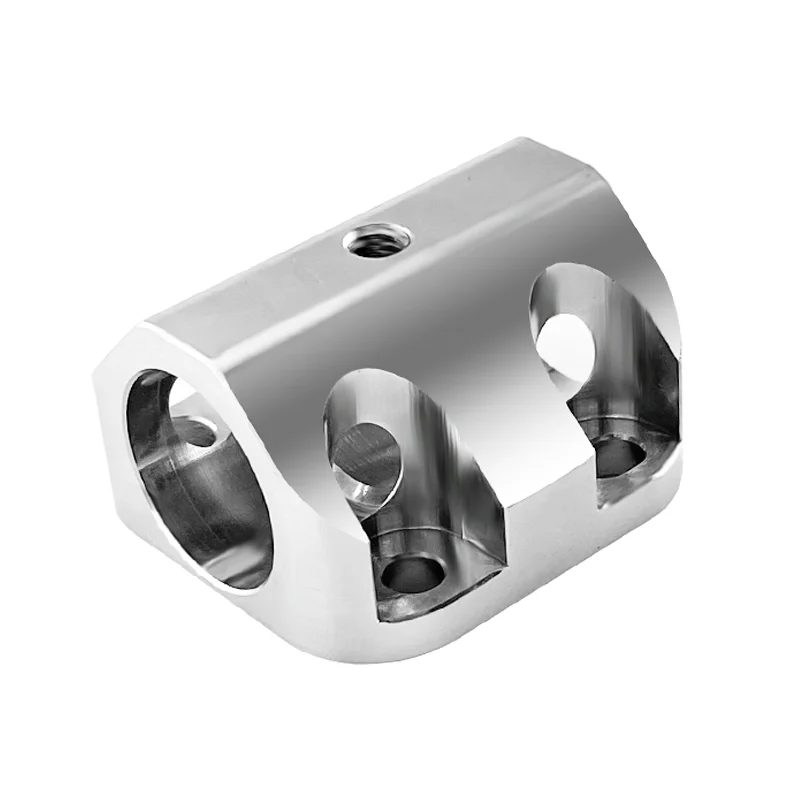
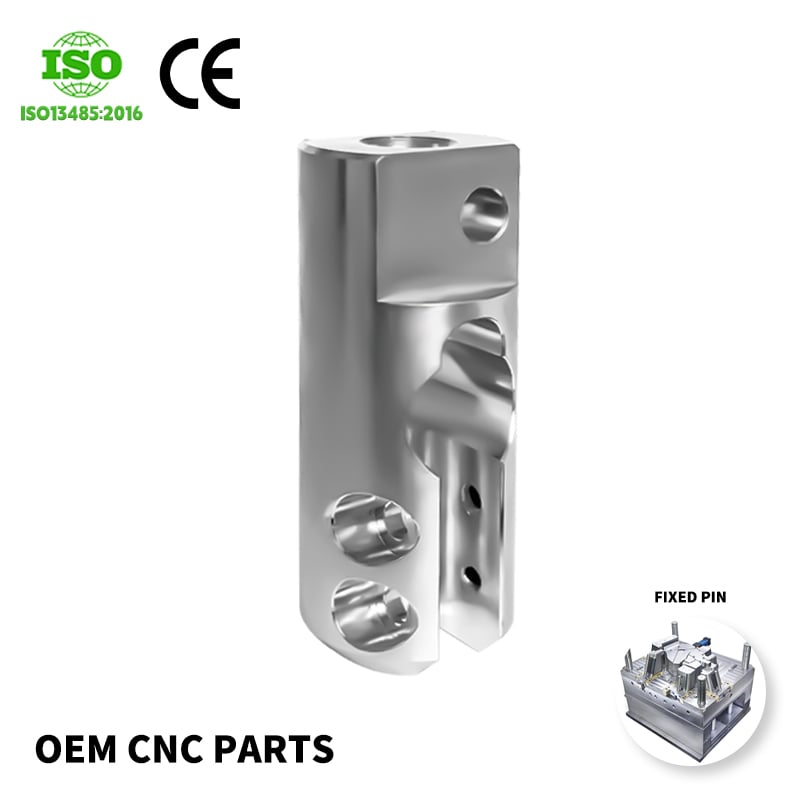
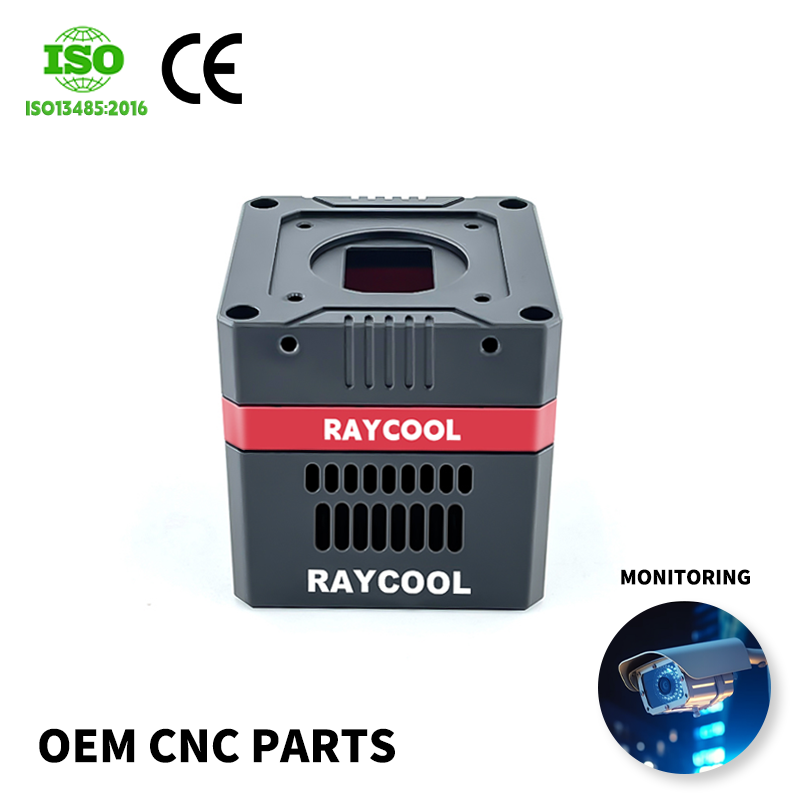
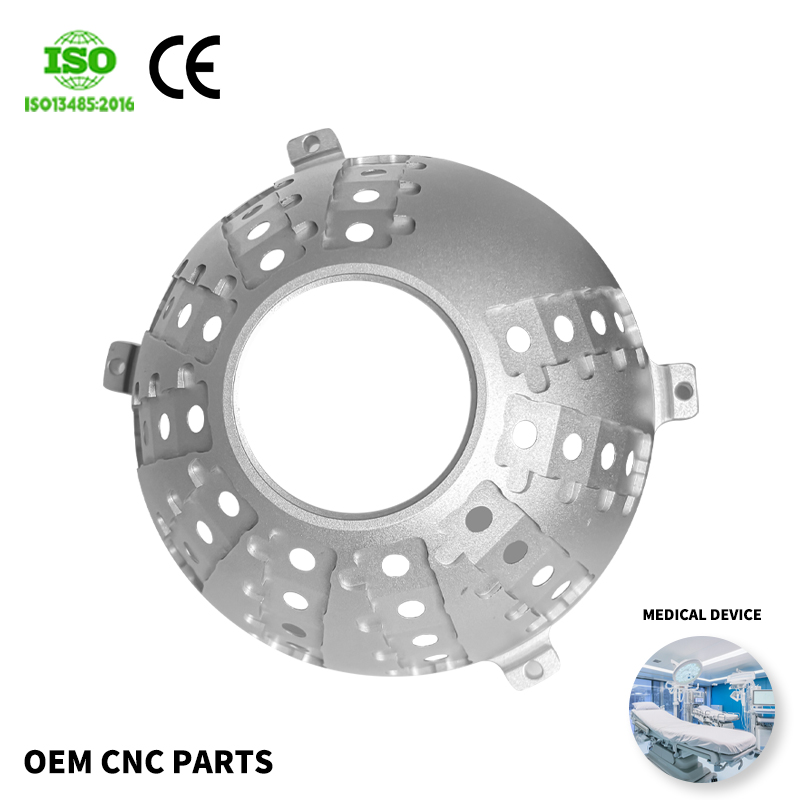
CNC metal processing represents a revolutionary approach to manufacturing that uses computer numerical control technology to automate and precisely control metal fabrication operations. This advanced manufacturing method transforms raw metal materials into finished components through subtractive processes including milling, turning, drilling, and cutting. CNC metal processing systems operate by following programmed instructions that guide cutting tools along predetermined paths with exceptional accuracy, typically achieving tolerances within micrometers. The technology accommodates various metals such as aluminum, steel, stainless steel, brass, copper, and titanium, making it versatile for diverse industrial applications. Modern CNC metal processing centers feature multi-axis capabilities, allowing simultaneous operations from multiple angles to create complex geometries that would be impossible with conventional machining. The process begins with digital design files, usually in CAD format, which are converted into machine-readable G-code instructions. Operators load metal workpieces onto the machine bed, secure them with fixtures, and initiate the automated cutting sequence. Throughout the operation, the CNC system maintains consistent speed, pressure, and positioning, ensuring uniform quality across production runs. This manufacturing method serves industries ranging from aerospace and automotive to medical devices and electronics, where precision, repeatability, and material integrity are critical requirements for component performance and safety standards.

New Products

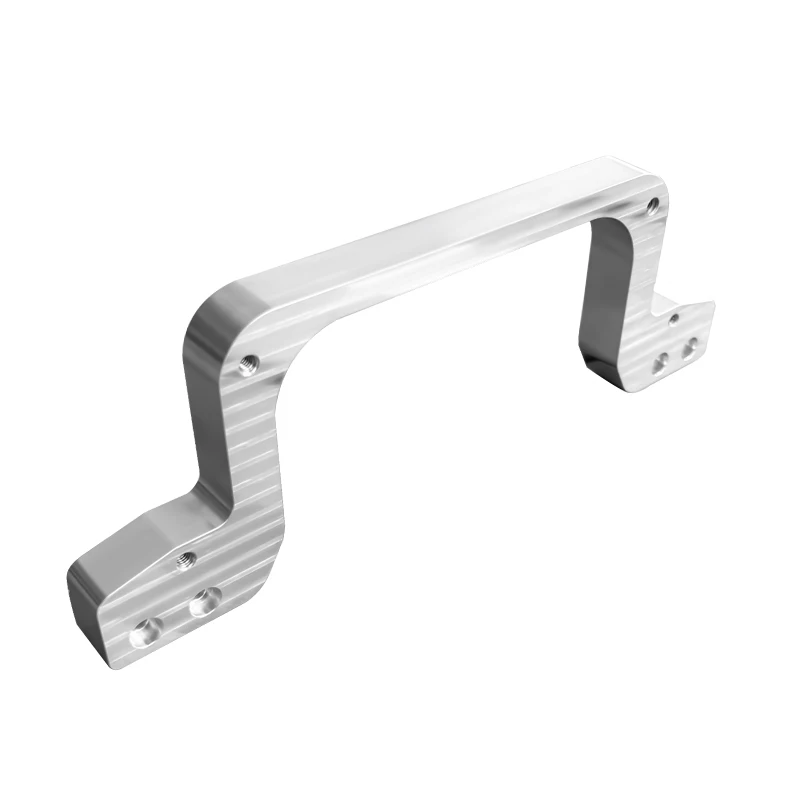
CNC metal processing delivers substantial cost savings by reducing labor requirements and minimizing material waste through optimized cutting paths and precise dimensional control. Unlike manual machining that depends on operator skill levels, this automated approach ensures consistent quality across thousands of parts, eliminating variations that lead to rejection rates and rework expenses. Production efficiency increases dramatically since CNC equipment operates continuously with minimal supervision, running unattended during night shifts and weekends to maximize output. The technology enables rapid prototyping, allowing businesses to test designs quickly and bring products to market faster than competitors using traditional methods. Complex geometries that require extensive setup time on conventional machines are completed in single operations, reducing handling steps and associated labor costs. CNC metal processing adapts easily to design changes through simple program modifications rather than retooling entire production lines, providing flexibility for custom orders and small batch manufacturing. The precision capabilities prevent assembly problems caused by parts that do not fit together properly, saving time and money in downstream operations. Enhanced workplace safety results from separating operators from active cutting zones, reducing injury risks associated with manual machining. Material versatility allows manufacturers to work with exotic alloys and hardened metals that challenge conventional methods, expanding product possibilities. The digital nature of CNC metal processing creates detailed production records for quality control, traceability, and continuous improvement initiatives. Businesses gain competitive advantages through shorter lead times, superior product quality, and the ability to undertake projects requiring tight tolerances that manual operations cannot reliably achieve.

Latest News

Key Considerations When CNC Processing Stainless Steel Components for Manufacturing

05

Dec

Key Considerations When CNC Processing Stainless Steel Components for Manufacturing

CNC processing stainless steel has become a cornerstone of modern manufacturing, offering unprecedented precision and repeatability for critical components across industries. From aerospace applications to medical devices, stainless steel's corrosion...
View More
How to Choose Between CNC Turning, Milling, and 5-Axis for Your Part

06

Jan

How to Choose Between CNC Turning, Milling, and 5-Axis for Your Part

Manufacturing precision components requires careful consideration of machining processes, with CNC turning milling 5-axis representing the three fundamental approaches to modern subtractive manufacturing. Each method offers distinct advantages and li...
View More
Why 5-Axis CNC Machining Is Ideal for Complex Part Manufacturing

06

Jan

Why 5-Axis CNC Machining Is Ideal for Complex Part Manufacturing

Modern manufacturing demands precision, efficiency, and the ability to create intricate geometries that traditional machining methods simply cannot achieve. The evolution of computer numerical control technology has revolutionized how manufacturers a...
View More
Optimizing Low-Volume Production with Multi-Process CNC Machining

06

Jan

Optimizing Low-Volume Production with Multi-Process CNC Machining

Manufacturing precision components for specialized industries requires sophisticated approaches that balance quality, efficiency, and cost-effectiveness. Multi-process CNC machining has emerged as a transformative solution for low-volume production r...
View More

Get a Free Quote

Our representative will contact you soon.
Email
Name
Company Name
Message
0/1000

cnc metal processing

Unmatched Precision and Repeatability

Unmatched Precision and Repeatability

CNC metal processing achieves dimensional accuracy that exceeds human capabilities, consistently producing parts with tolerances as tight as 0.001 inches across entire production runs. This extraordinary precision stems from computer-controlled movements that eliminate the tremors, fatigue, and judgment variations inherent in manual operations. For industries like aerospace and medical manufacturing where component specifications directly impact safety and performance, this reliability is non-negotiable. The technology records exact tool positions throughout each operation, ensuring that the ten-thousandth part matches the first with identical specifications. This repeatability reduces inspection requirements since statistical process control confirms that machines maintain accuracy over extended periods. Manufacturers benefit from lower scrap rates because dimensional errors become rare events rather than expected occurrences. The precision of CNC metal processing enables tighter assembly fits, reducing the need for secondary operations like hand-fitting or adjustment. Complex features such as internal channels, angled holes, and intricate surface profiles are reproduced perfectly every time, expanding design possibilities for engineers who previously faced manufacturing constraints.
Versatile Multi-Axis Machining Capabilities

Versatile Multi-Axis Machining Capabilities

Modern CNC metal processing equipment features three-axis, four-axis, and five-axis configurations that simultaneously control tool movement across multiple planes, creating complex contours and undercuts in single setups. This multi-directional capability eliminates the need to repeatedly reposition workpieces, which introduces positioning errors and extends production time in conventional machining. Five-axis CNC systems can approach workpiece surfaces from virtually any angle, producing sculptured forms and compound angles that would require multiple machines and setups using traditional methods. The ability to machine all features without removing parts from fixtures ensures geometric relationships remain accurate, critical for assemblies with tight interface requirements. This versatility makes CNC metal processing ideal for prototyping since design iterations are accommodated through programming changes rather than creating new fixtures or tooling. Manufacturers can efficiently produce both simple prismatic parts and organic freeform shapes using the same equipment, maximizing capital investment returns. The technology handles everything from large structural components to miniature precision parts, serving diverse market segments with a single manufacturing platform.
Automated Operation with Minimal Supervision

Automated Operation with Minimal Supervision

CNC metal processing systems run complete production cycles with limited human intervention, allowing single operators to oversee multiple machines simultaneously and dramatically improving labor productivity. Once programs are verified and fixtures are set up, the equipment executes machining operations automatically, freeing skilled personnel for higher-value tasks like programming, quality analysis, and process optimization. Many CNC installations incorporate automatic tool changers with dozens of cutting implements, enabling the machine to select appropriate tools for each operation without operator assistance. Advanced systems feature pallet changers that automatically load new workpieces while continuing to machine the current part, virtually eliminating non-productive changeover time. This automation maintains consistent cutting parameters throughout production, preventing the speed and feed variations that occur when operators manually adjust machines. Unattended operation during off-shifts multiplies production capacity without proportional labor cost increases, improving competitiveness in price-sensitive markets. Built-in monitoring systems detect tool wear, dimensional drift, and potential collisions, alerting operators to conditions requiring attention before defects occur. The reduced physical demands of CNC metal processing compared to manual machining help manufacturers address skilled labor shortages while maintaining production volumes.

Get a Free Quote

Our representative will contact you soon.
Email
Name
Company Name
Message
0/1000

Copyright © 2026 China Shanghai Raycool Industrial Co., Ltd. All rights reserved  -  Privacy policy