complex precision machining
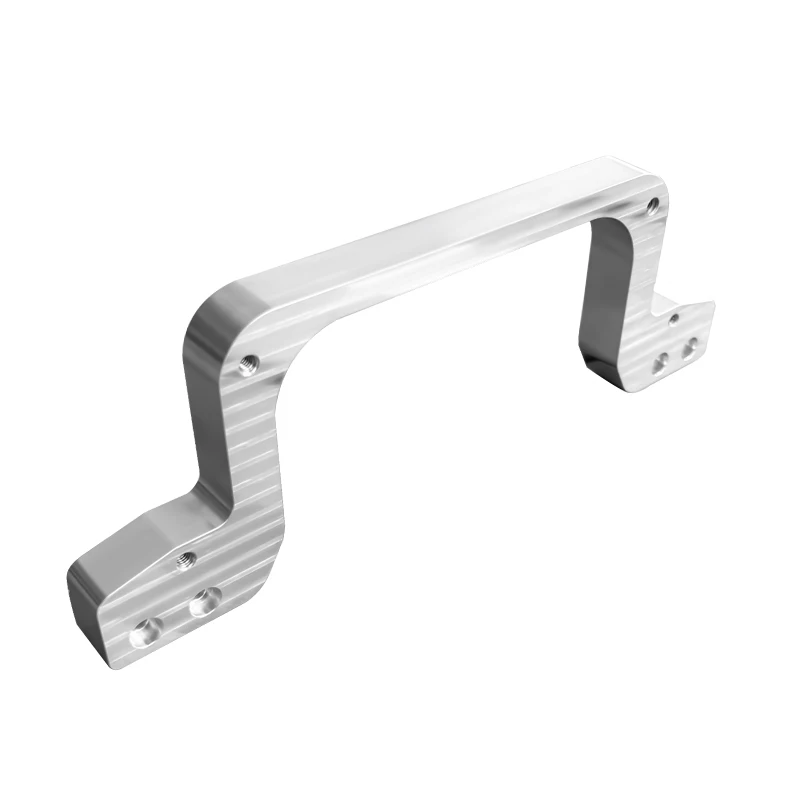
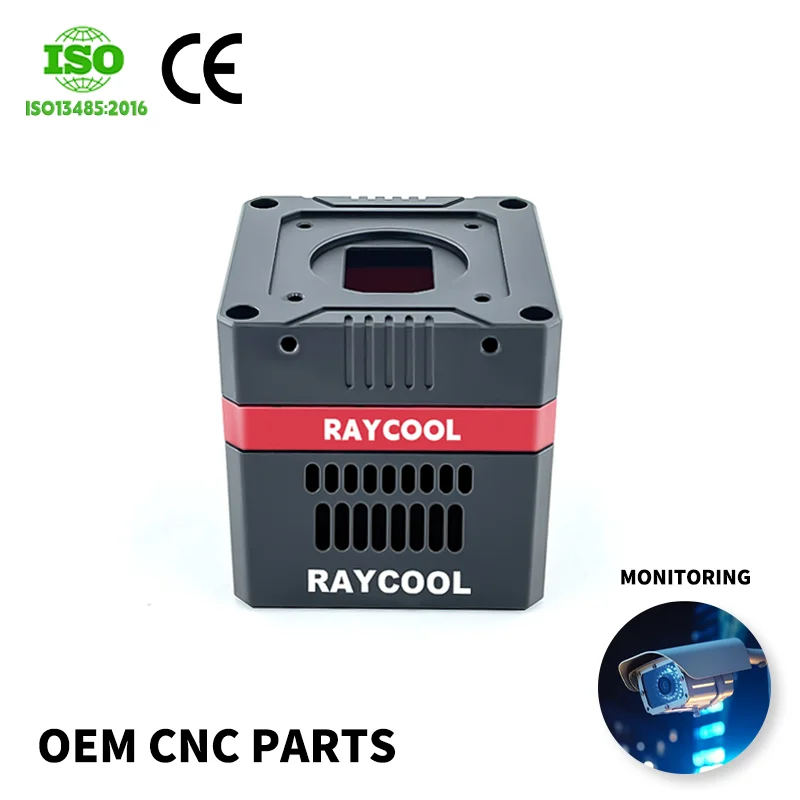
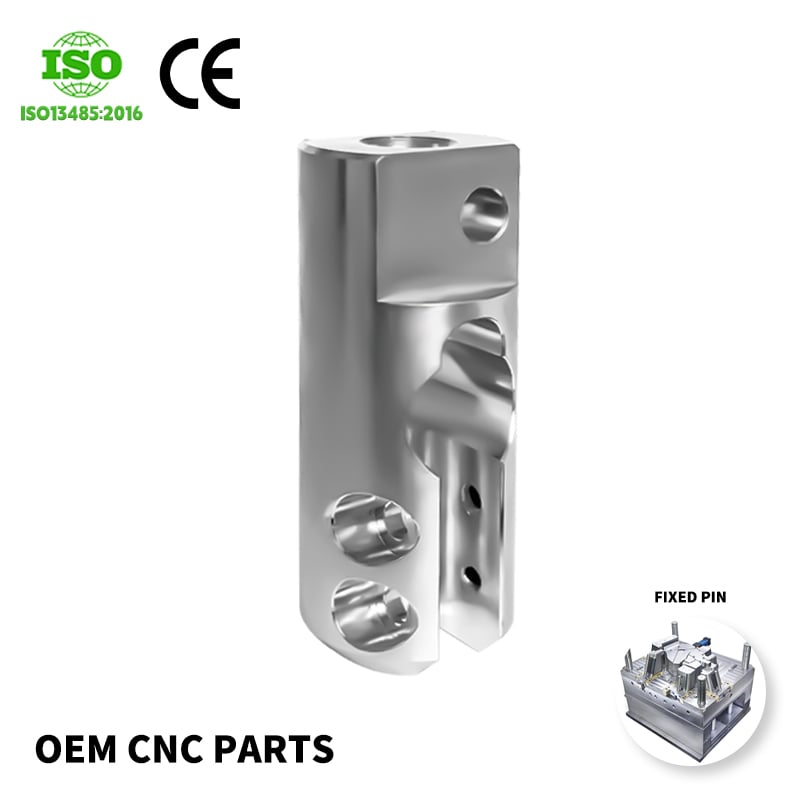
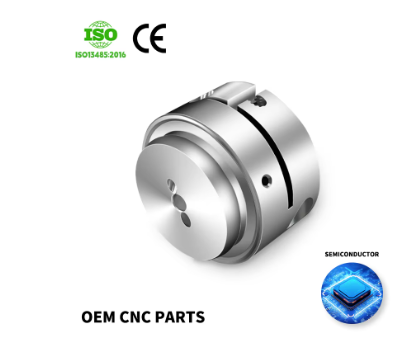
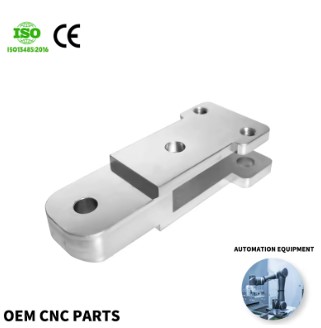
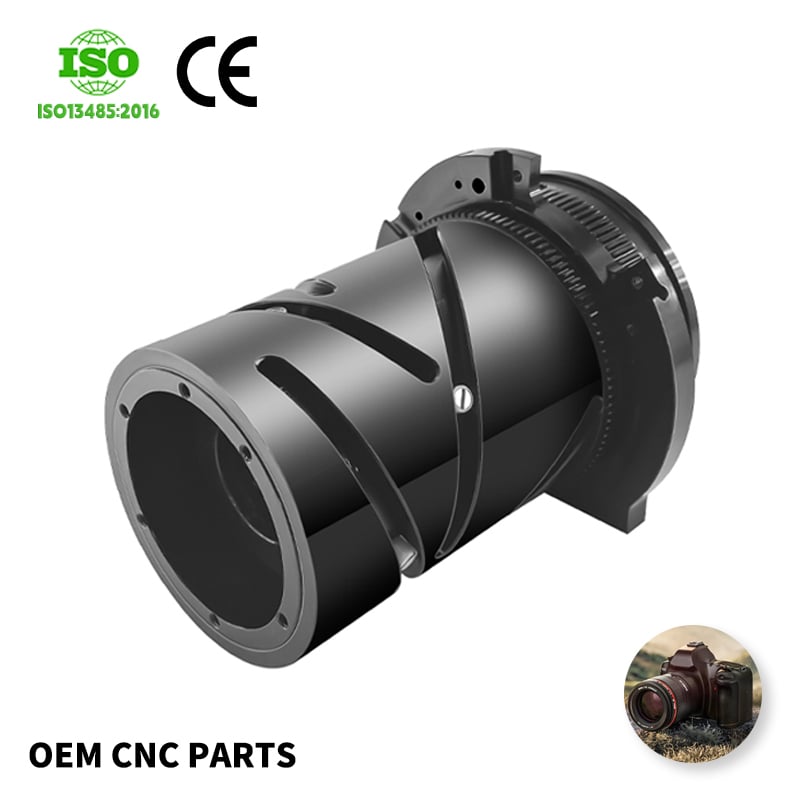
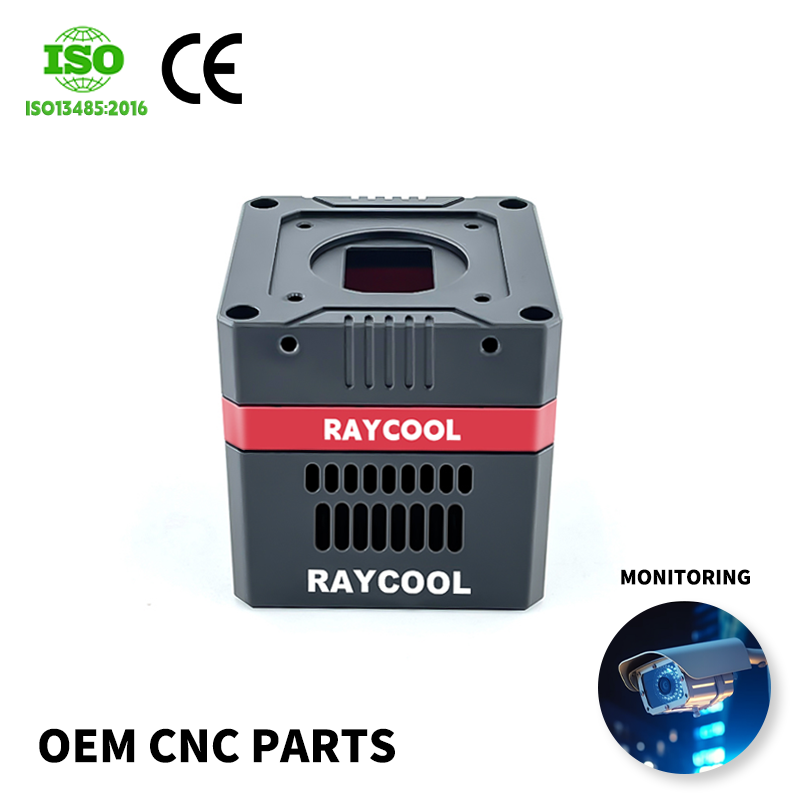
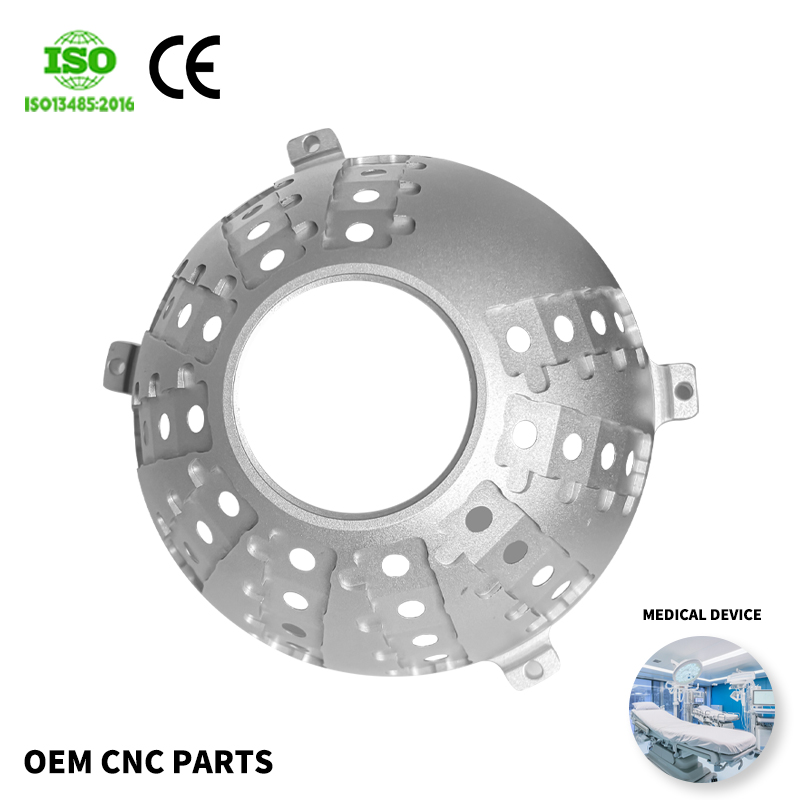
Complex precision machining represents an advanced manufacturing process that transforms raw materials into intricate components with exceptionally tight tolerances and superior surface finishes. This sophisticated technique combines computer numerical control technology, multi-axis capabilities, and specialized tooling to produce parts with geometric complexities that conventional methods cannot achieve. Complex precision machining encompasses operations including milling, turning, grinding, electrical discharge machining, and wire cutting, all orchestrated to create components with dimensional accuracies measured in microns. The main functions include producing intricate geometries with multiple features, maintaining consistent quality across production runs, and delivering parts that meet stringent aerospace, medical, automotive, and electronics industry standards. Technological features distinguish complex precision machining through its ability to handle difficult materials such as titanium alloys, hardened steels, and exotic composites while maintaining dimensional stability. Advanced systems integrate real-time monitoring, adaptive controls, and precision measurement technologies that ensure every component meets exact specifications. Applications span critical industries where failure is not an option, including surgical instruments, aerospace engine components, defense systems, semiconductor equipment, and high-performance automotive parts. The process excels in producing prototypes, low-volume specialized components, and high-volume production runs where consistency and accuracy determine product success. Complex precision machining delivers the capability to manufacture parts with features including undercuts, deep cavities, thin walls, and intricate surface textures that demand exceptional skill and technological sophistication.