Precision Metal Machining Solutions

precision metal machining

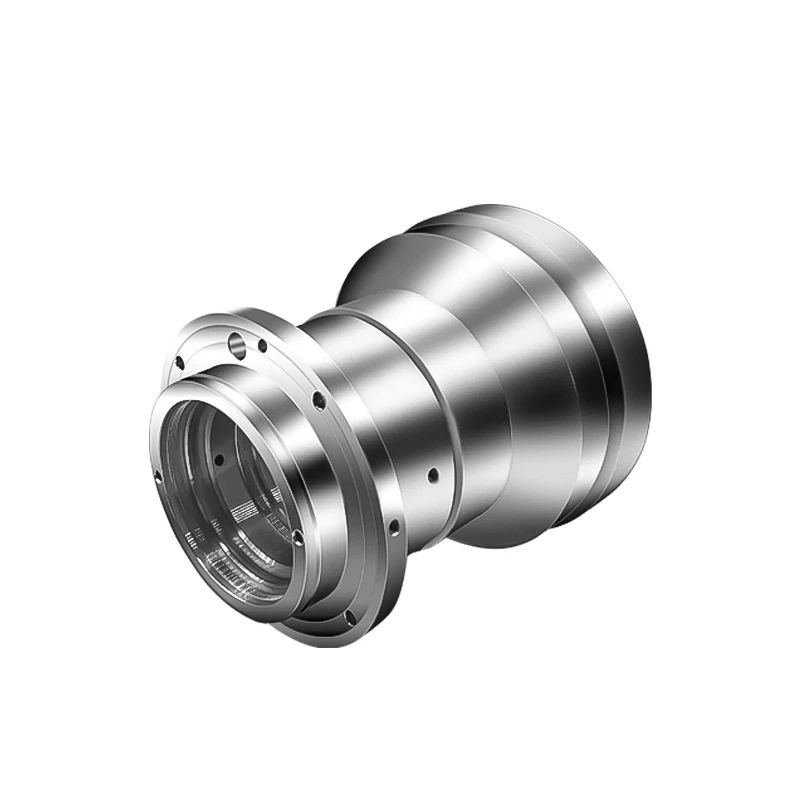
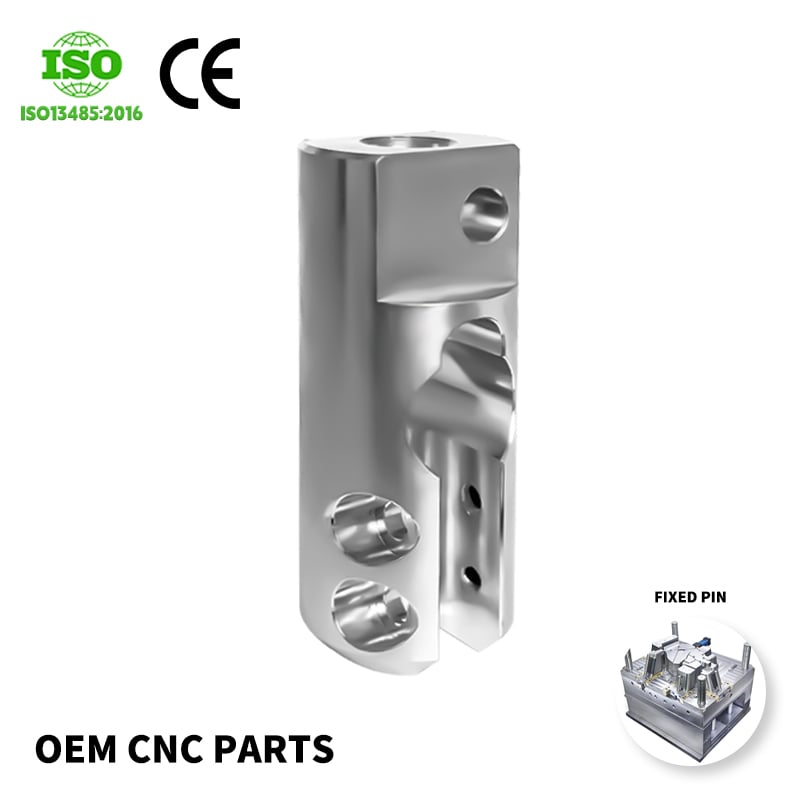
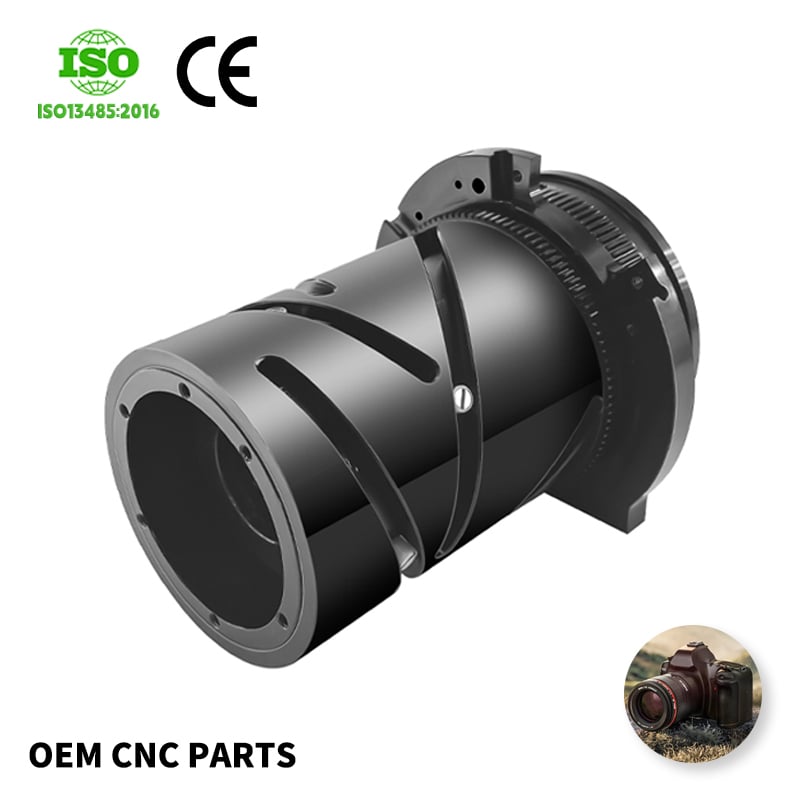
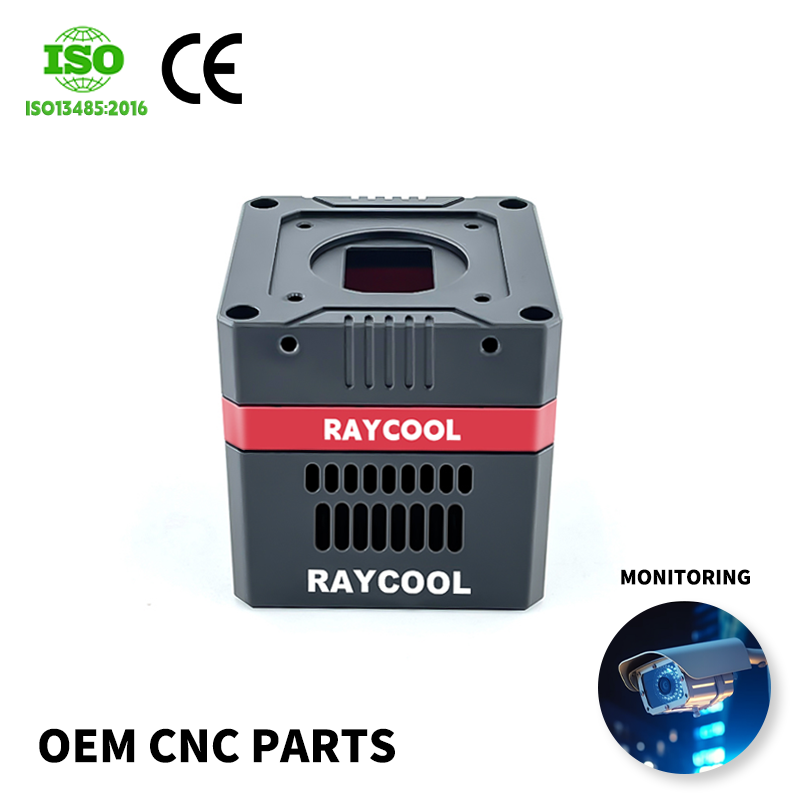
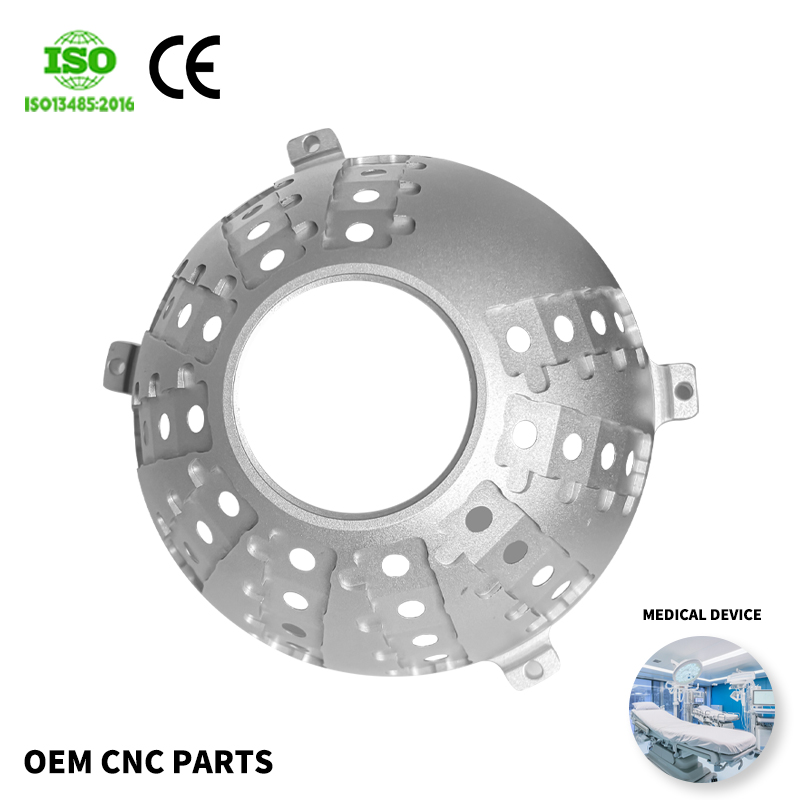
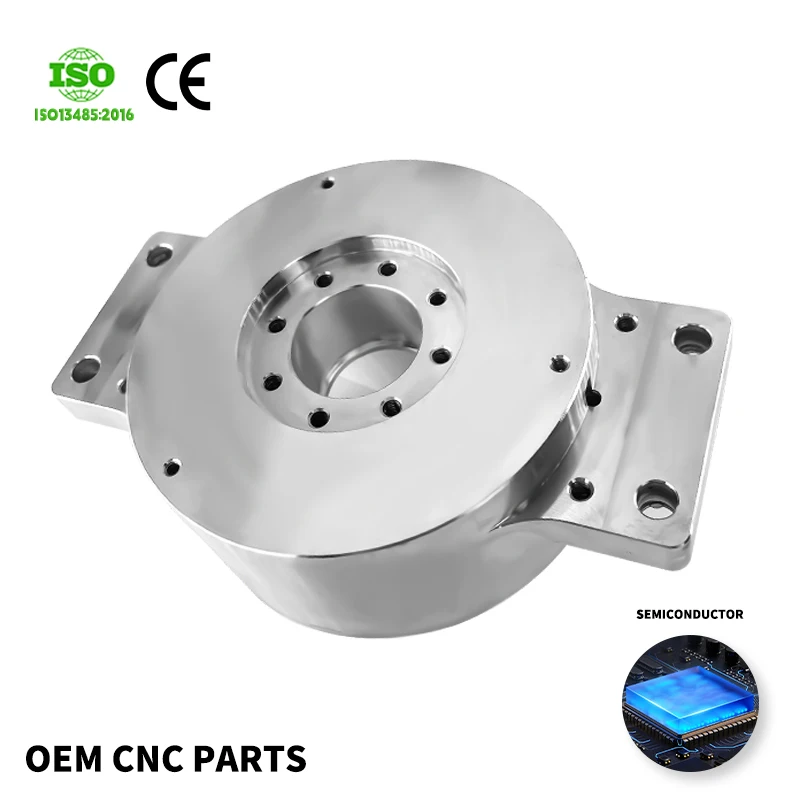
Precision metal machining is an advanced manufacturing process that transforms raw metal materials into highly accurate components with tight tolerances and superior surface finishes. This sophisticated technique employs computer-controlled equipment and cutting-edge tools to remove material systematically, creating parts that meet exact specifications down to micrometers. The main functions of precision metal machining include turning, milling, drilling, grinding, and electrical discharge machining, each serving specific purposes in component fabrication. These operations work together to produce intricate geometries and complex features that manual methods cannot achieve consistently. Technological features of precision metal machining encompass CNC automation, multi-axis capabilities, real-time monitoring systems, and adaptive tooling technologies that ensure repeatability and consistency across production runs. Modern precision metal machining centers integrate CAD/CAM software, allowing seamless transition from digital designs to finished products while minimizing human error. Applications span numerous industries including aerospace, medical devices, automotive, electronics, defense, and energy sectors. In aerospace, precision metal machining creates turbine blades and structural components that withstand extreme conditions. Medical device manufacturers rely on this process for surgical instruments and implantable components requiring biocompatibility and exact dimensions. Automotive applications include engine components, transmission parts, and safety-critical systems. The electronics industry uses precision metal machining for heat sinks, connectors, and housing components. This versatile manufacturing method continues evolving with technological advancements, incorporating artificial intelligence and machine learning to optimize cutting parameters and predict tool wear, further enhancing accuracy and efficiency.

New Product Releases

Choosing precision metal machining delivers measurable benefits that directly impact your bottom line and product quality. The primary advantage lies in dimensional accuracy, with tolerances achievable within 0.0001 inches, ensuring components fit perfectly in assemblies without costly rework or adjustments. This accuracy translates to reduced waste, lower rejection rates, and significant material savings over time. Operational benefits include remarkable consistency across large production volumes, meaning the first part matches the ten-thousandth part identically, eliminating quality variations that plague manual processes. Your production becomes predictable and reliable, allowing confident commitments to delivery schedules and quality standards. The process handles diverse metals including aluminum, steel, titanium, brass, and exotic alloys, giving you material flexibility to optimize performance and cost simultaneously. Surface finish quality from precision metal machining often eliminates secondary operations like polishing or grinding, reducing handling time and associated labor costs. Application suitability extends from prototype development through high-volume manufacturing, making it scalable for businesses at any growth stage. You can test designs with small batches before committing to large-scale production, minimizing financial risk. Faster turnaround times compared to traditional machining methods accelerate your time-to-market, providing competitive advantages in rapidly evolving industries. The automated nature of precision metal machining reduces dependency on highly specialized manual labor, addressing workforce challenges while maintaining superior quality standards. Long-term cost efficiency emerges from extended tool life, reduced scrap rates, and minimal supervision requirements. These combined benefits create compelling value propositions for buyers seeking reliability, quality assurance, and operational excellence in their manufacturing partners.

Latest News

Key Considerations When CNC Processing Stainless Steel Components for Manufacturing

05

Dec

Key Considerations When CNC Processing Stainless Steel Components for Manufacturing

CNC processing stainless steel has become a cornerstone of modern manufacturing, offering unprecedented precision and repeatability for critical components across industries. From aerospace applications to medical devices, stainless steel's corrosion...
View More
How to Choose Between CNC Turning, Milling, and 5-Axis for Your Part

06

Jan

How to Choose Between CNC Turning, Milling, and 5-Axis for Your Part

Manufacturing precision components requires careful consideration of machining processes, with CNC turning milling 5-axis representing the three fundamental approaches to modern subtractive manufacturing. Each method offers distinct advantages and li...
View More
Optimizing Low-Volume Production with Multi-Process CNC Machining

06

Jan

Optimizing Low-Volume Production with Multi-Process CNC Machining

Manufacturing precision components for specialized industries requires sophisticated approaches that balance quality, efficiency, and cost-effectiveness. Multi-process CNC machining has emerged as a transformative solution for low-volume production r...
View More
5-Axis Machining Advantages for Complex Parts and Precision Manufacturing

06

Feb

5-Axis Machining Advantages for Complex Parts and Precision Manufacturing

Modern manufacturing demands have pushed the boundaries of traditional machining methods, leading to revolutionary advances in precision engineering. 5-Axis Machining has emerged as the gold standard for producing complex geometries and intricate com...
View More

Get a Free Quote

Our representative will contact you soon.
Email
Name
Company Name
Message
0/1000

precision metal machining

Unmatched Dimensional Accuracy and Repeatability

Unmatched Dimensional Accuracy and Repeatability

Precision metal machining delivers exceptional dimensional accuracy that fundamentally transforms manufacturing capabilities and product performance. Modern CNC systems maintain tolerances within microns, ensuring every component meets exact specifications regardless of complexity or production volume. This accuracy stems from advanced servo motor controls, high-resolution encoders, and thermal compensation systems that adjust for temperature fluctuations during operation. The repeatability factor means identical parts emerge consistently, eliminating dimensional drift common in conventional methods. For industries where component failure carries severe consequences, such as aerospace or medical devices, this reliability proves invaluable. Quality assurance becomes streamlined since parts require minimal inspection, reducing quality control costs and accelerating production workflows. The precision achieved through this machining method enables tighter assemblies, improved functionality, and enhanced product longevity. Engineers gain confidence designing components with minimal clearances, optimizing space utilization and weight reduction. This capability particularly benefits miniaturization efforts in electronics and medical devices where every millimeter matters. Furthermore, consistent accuracy reduces warranty claims and product recalls, protecting brand reputation and customer satisfaction.
Superior Surface Quality and Material Versatility

Superior Surface Quality and Material Versatility

Precision metal machining produces exceptional surface finishes that often eliminate post-processing requirements, saving time and costs throughout production cycles. Advanced cutting tools and optimized feed rates create smooth surfaces with minimal tool marks, achieving surface roughness values below 0.8 micrometers when required. This superior finish quality proves critical for components experiencing friction, wear, or requiring aesthetic appeal. The process accommodates an extensive range of materials from soft aluminum alloys to hardened tool steels and exotic superalloys like Inconel and Hastelloy. Material versatility allows manufacturers to select optimal materials balancing performance requirements with budget constraints. Difficult-to-machine materials that challenge conventional methods become manageable through specialized tooling, cutting strategies, and coolant systems integrated into precision metal machining operations. This adaptability supports innovation, enabling engineers to specify materials based purely on functional requirements rather than manufacturing limitations. Whether producing corrosion-resistant marine components, high-temperature aerospace parts, or biocompatible medical implants, precision metal machining handles diverse material challenges effectively. The ability to machine multiple materials on the same equipment provides operational flexibility, reducing capital investment requirements while expanding manufacturing capabilities across varied applications and industries.
Enhanced Production Efficiency and Cost Effectiveness

Enhanced Production Efficiency and Cost Effectiveness

Precision metal machining revolutionizes production efficiency through automation, reducing cycle times while maintaining superior quality standards. CNC systems operate continuously with minimal supervision, maximizing equipment utilization and throughput compared to manual alternatives. Automated tool changers, pallet systems, and lights-out manufacturing capabilities enable extended unattended operation, dramatically increasing productivity per machine investment. Setup times decrease significantly through digital programming and stored machining routines, allowing rapid transitions between different components without lengthy manual adjustments. This flexibility supports economical small-batch production and customization while remaining competitive for high-volume runs. The precision inherent in these systems minimizes material waste through optimized tool paths and accurate first-pass production, reducing raw material consumption and disposal costs. Predictive maintenance capabilities monitor tool wear and machine conditions, preventing unexpected downtime and costly emergency repairs. Energy efficiency improvements in modern precision metal machining equipment lower operational expenses while supporting sustainability initiatives. The combination of reduced labor requirements, minimized scrap, faster cycle times, and improved utilization creates compelling economic advantages. Businesses achieve faster return on investment while gaining manufacturing capacity to support growth without proportional increases in overhead costs or facility expansion.

Get a Free Quote

Our representative will contact you soon.
Email
Name
Company Name
Message
0/1000

Copyright © 2026 China Shanghai Raycool Industrial Co., Ltd. All rights reserved  -  Privacy policy