Custom Mechanical Parts - Precision Engineered

custom mechanical parts

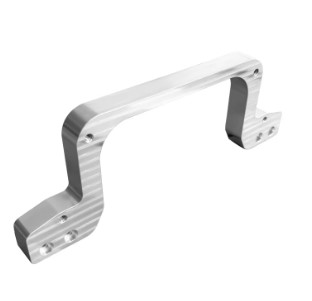
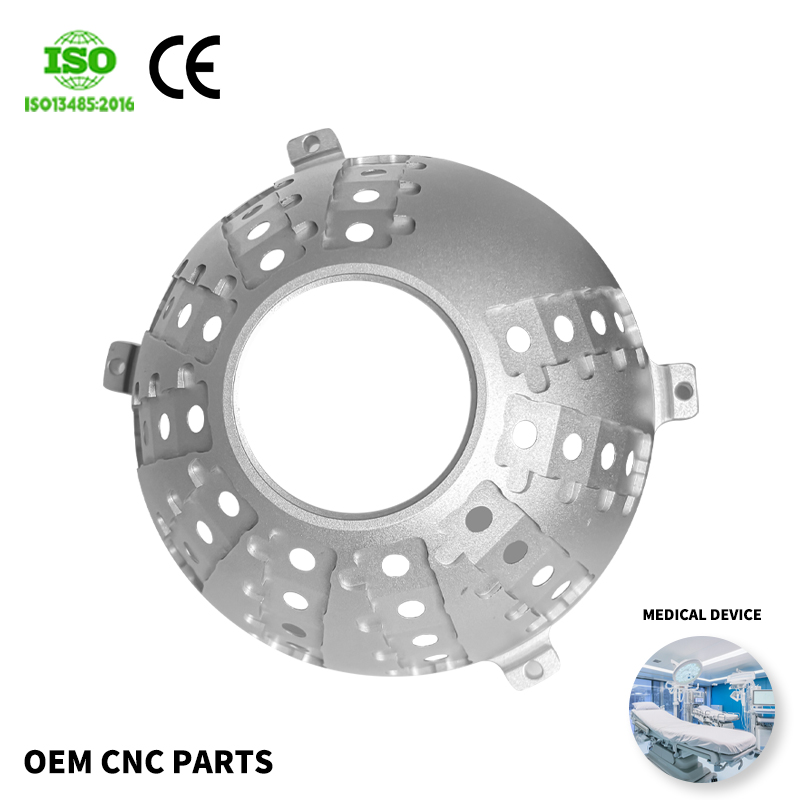
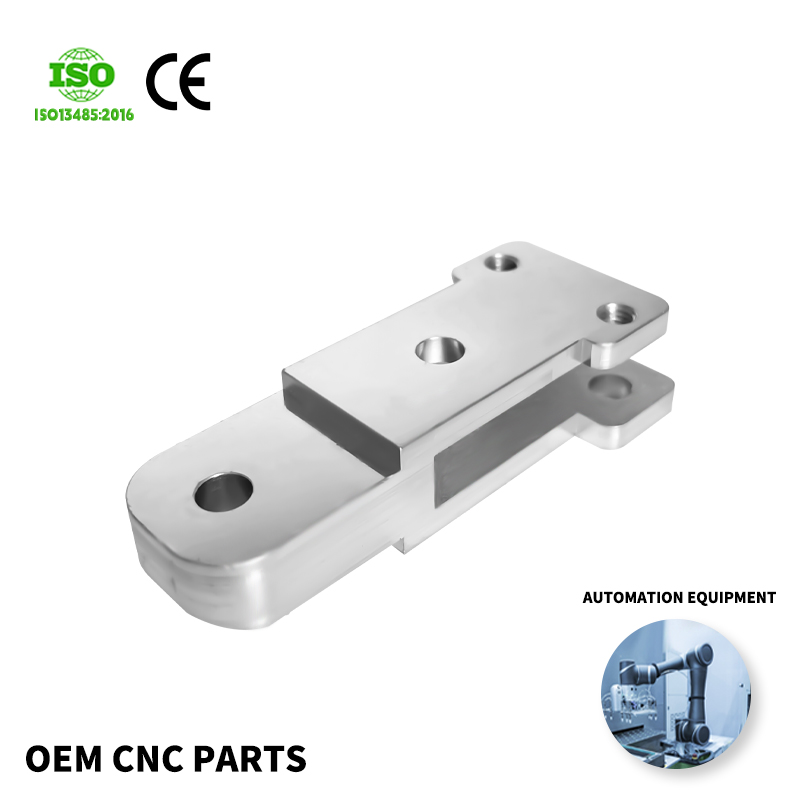
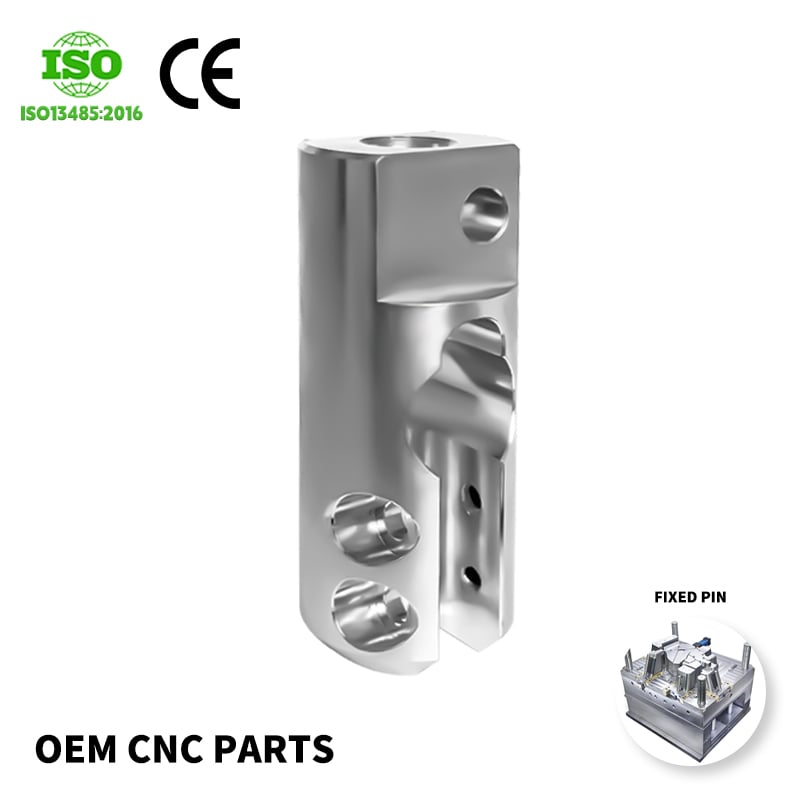
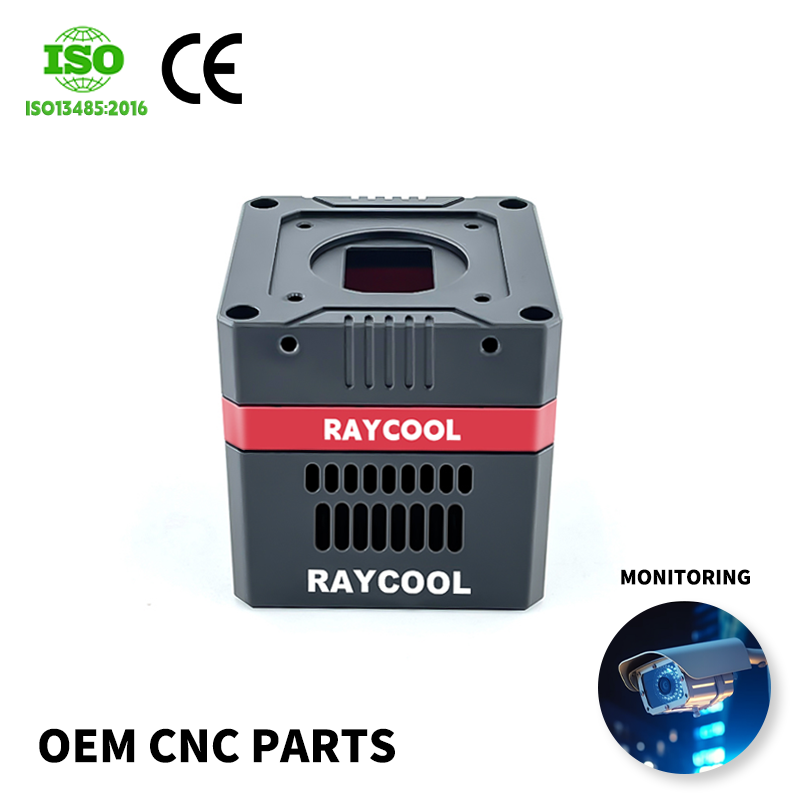
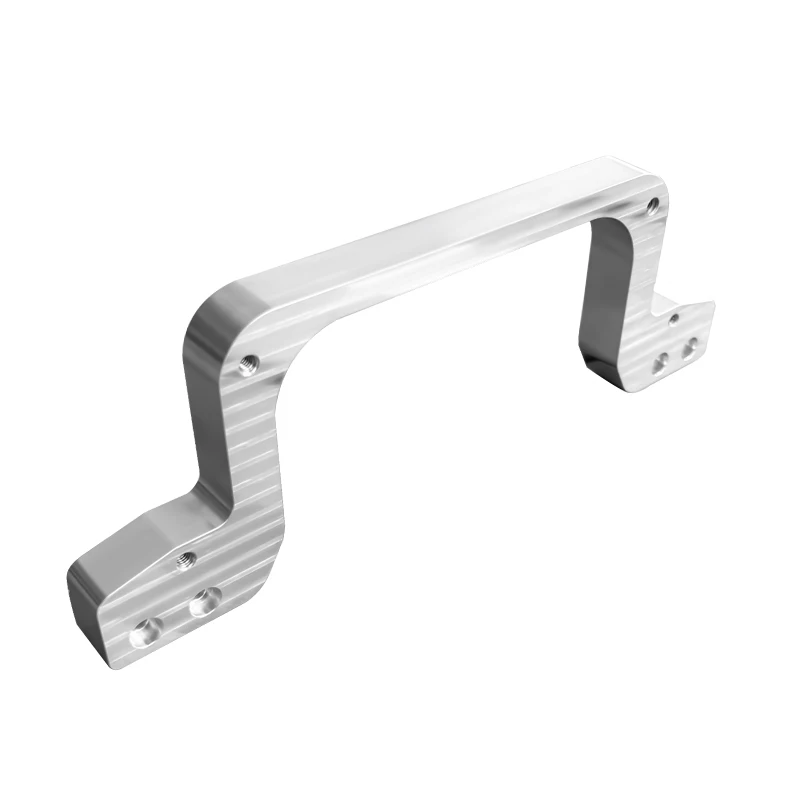
Custom mechanical parts are precision-engineered components manufactured to exact specifications for unique industrial applications. These specialized parts are designed and produced according to customer requirements, addressing specific operational challenges that standard off-the-shelf components cannot solve. Custom mechanical parts encompass a wide range of products including gears, shafts, bearings, bushings, fasteners, housings, and complex assemblies tailored for machinery across diverse sectors. The manufacturing process combines advanced technologies such as CNC machining, precision turning, milling, grinding, and metal fabrication to achieve tight tolerances and superior quality. Engineers work closely with clients to understand technical requirements, material preferences, dimensional accuracy needs, and performance expectations. Custom mechanical parts serve critical functions in equipment reliability, operational efficiency, and system integration. They enable manufacturers to optimize machine performance, reduce downtime, and extend equipment lifespan through perfectly fitted components. Industries relying on these solutions include automotive, aerospace, medical devices, robotics, energy production, food processing, and industrial automation. The technological features of custom mechanical parts include material versatility spanning metals like steel, aluminum, brass, titanium, and specialized alloys, plus engineered plastics for specific applications. Surface treatments, heat treatments, and finishing processes enhance durability, corrosion resistance, and functional characteristics. Applications range from prototype development and small batch production to large-scale manufacturing runs, providing flexibility for businesses at every stage of product development and production scaling.

New Product Recommendations

Custom mechanical parts deliver substantial value by solving unique engineering challenges that generic components cannot address. When your equipment requires specific dimensions, unusual geometries, or specialized materials, these tailored solutions eliminate compromises and ensure optimal fit and function. Businesses benefit from reduced assembly time since components arrive ready for installation without modification or adaptation. This precision fit minimizes wear, vibration, and mechanical stress, directly extending equipment operational life and reducing maintenance costs. Operational benefits include improved machine performance through optimized component design that enhances efficiency, power transmission, and load distribution. Custom mechanical parts enable you to source exactly what your application demands rather than settling for approximate solutions that compromise performance. You gain competitive advantages through product differentiation, as customized components allow unique machine capabilities that distinguish your offerings in the marketplace. Application suitability spans prototype testing, where low-volume custom parts validate designs before mass production, to high-volume manufacturing where consistency and repeatability are paramount. Decision-makers appreciate the flexibility to specify materials based on environmental conditions, chemical exposure, temperature extremes, or regulatory requirements like food-grade or medical certifications. Working with experienced manufacturers of custom mechanical parts means accessing engineering support throughout the design process, receiving recommendations on material selection, manufacturability improvements, and cost optimization. This collaborative approach reduces development time and accelerates time-to-market for new products. Quality assurance processes including dimensional inspection, material verification, and performance testing ensure components meet exacting standards. The investment in custom mechanical parts pays dividends through reduced equipment downtime, lower total cost of ownership, enhanced reliability, and the ability to maintain older equipment by replacing obsolete parts no longer available through standard channels.

Practical Tips

Unlocking Precision: The Power of Custom CNC Machining

26

Nov

Unlocking Precision: The Power of Custom CNC Machining

Precision and Accuracy in Custom CNC Operations Achieving Micron-Level Tolerances Micron-level tolerances are crucial in high-precision industries like aerospace and medical devices, where even minute discrepancies can impact performance and safety....
View More
How to Machine Aluminum Alloys for High-Precision Industrial Parts

05

Dec

How to Machine Aluminum Alloys for High-Precision Industrial Parts

Aluminum alloy machining has become an essential process in modern manufacturing, particularly for industries requiring lightweight yet durable components. The unique properties of aluminum alloys make them ideal for applications ranging from aerospa...
View More
Optimizing Low-Volume Production with Multi-Process CNC Machining

06

Jan

Optimizing Low-Volume Production with Multi-Process CNC Machining

Manufacturing precision components for specialized industries requires sophisticated approaches that balance quality, efficiency, and cost-effectiveness. Multi-process CNC machining has emerged as a transformative solution for low-volume production r...
View More
CNC Machining Process Guide: Turning, Milling, and 5-Axis Explained

06

Feb

CNC Machining Process Guide: Turning, Milling, and 5-Axis Explained

Modern manufacturing relies heavily on precision engineering and automated production techniques. CNC machining stands at the forefront of this technological revolution, transforming raw materials into complex components with exceptional accuracy. Fr...
View More

Get a Free Quote

Our representative will contact you soon.
Email
Name
Company Name
Message
0/1000

custom mechanical parts

Precision Engineering for Perfect Fit

Precision Engineering for Perfect Fit

Custom mechanical parts are manufactured using advanced CNC machining and precision manufacturing technologies that achieve tolerances measured in thousandths of an inch. This exceptional accuracy ensures components integrate seamlessly into your existing equipment or new designs without gaps, misalignment, or interference issues that plague generic parts. The precision engineering process begins with detailed technical drawings or 3D CAD models that capture every dimensional requirement, surface finish specification, and geometric tolerance. Skilled machinists program sophisticated equipment to execute complex operations including multi-axis milling, precision boring, thread cutting, and contour grinding. Quality control measures verify each dimension against specifications using coordinate measuring machines and precision gauges. This meticulous approach eliminates the trial-and-error fitting often required with standard parts, saving installation time and preventing costly rework. The perfect fit achieved through custom mechanical parts reduces mechanical play, minimizes vibration transmission, and ensures optimal load distribution across mating surfaces. These factors collectively enhance equipment performance, reduce energy consumption, and extend component service life significantly beyond what approximate-fit alternatives deliver.
Material Selection Tailored to Your Application

Material Selection Tailored to Your Application

Custom mechanical parts offer unlimited material options matched precisely to operational demands, environmental conditions, and performance requirements of your specific application. Unlike standard parts limited to common materials, custom manufacturing accommodates specialized alloys, exotic metals, engineered plastics, and composite materials with properties optimized for your needs. Applications requiring high strength-to-weight ratios benefit from aluminum or titanium alloys, while corrosive environments demand stainless steel grades or specialized coatings. High-temperature operations utilize heat-resistant alloys, and electrical applications may require non-conductive plastics or brass for conductivity. Material selection considers mechanical properties including tensile strength, hardness, ductility, and fatigue resistance alongside environmental factors like chemical exposure, moisture, temperature cycling, and UV radiation. Surface treatments such as anodizing, plating, heat treating, or specialized coatings further enhance performance characteristics. This material flexibility ensures custom mechanical parts withstand operational stresses without premature failure, maintaining dimensional stability and functional integrity throughout their service life. Engineers guide material selection based on proven performance data, helping you balance technical requirements with cost considerations to achieve optimal value without over-engineering or under-specifying component capabilities.
Scalable Production from Prototype to Volume

Scalable Production from Prototype to Volume

Custom mechanical parts manufacturing adapts seamlessly to production requirements ranging from single prototype units through mid-volume batches to large-scale production runs. This scalability provides flexibility throughout product development cycles and changing business demands. During early development stages, you can order small quantities of custom mechanical parts to validate designs, test functionality, and refine specifications without committing to expensive tooling or minimum order quantities. As designs mature and demand increases, manufacturing processes transition smoothly to higher volumes while maintaining consistent quality and dimensional accuracy. Advanced manufacturers employ flexible production systems that optimize processes based on order size, balancing cost efficiency with delivery speed. Low-volume orders utilize versatile CNC equipment programmed for quick changeovers, while high-volume production may incorporate dedicated tooling, automated handling, and streamlined workflows that reduce per-unit costs. This approach eliminates the barriers traditionally associated with custom manufacturing, where high setup costs made small orders prohibitively expensive. Businesses benefit from inventory flexibility, ordering custom mechanical parts as needed rather than warehousing large quantities of specialized components. Rapid prototyping capabilities compress development timelines, while scalable production supports business growth without requiring new supplier relationships or quality requalification as volumes increase.

Get a Free Quote

Our representative will contact you soon.
Email
Name
Company Name
Message
0/1000

Copyright © 2026 China Shanghai Raycool Industrial Co., Ltd. All rights reserved  -  Privacy policy