Custom CNC Parts Price Guide & Cost Factors

custom cnc parts price

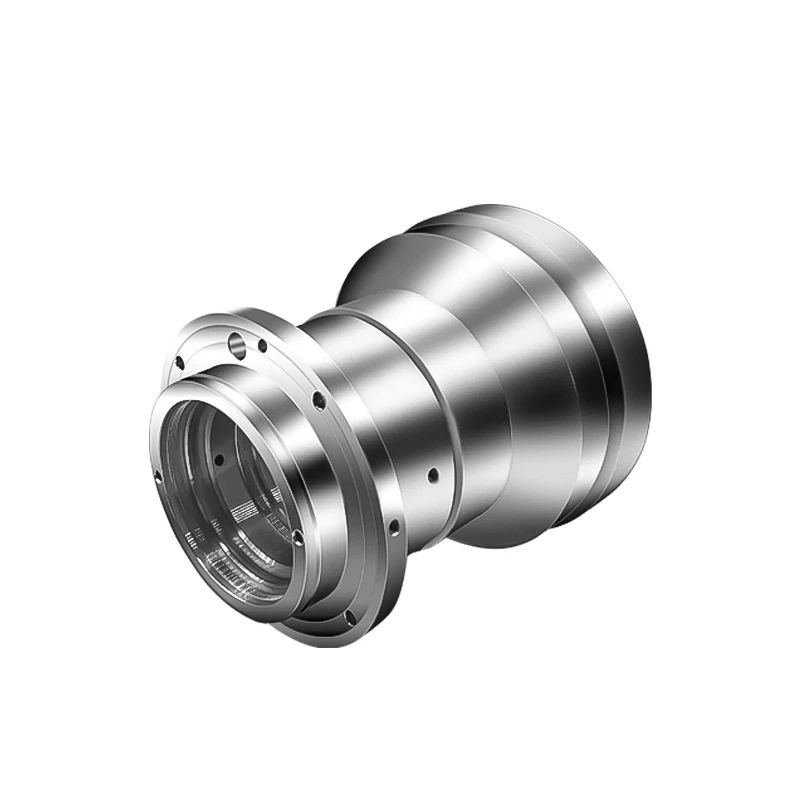
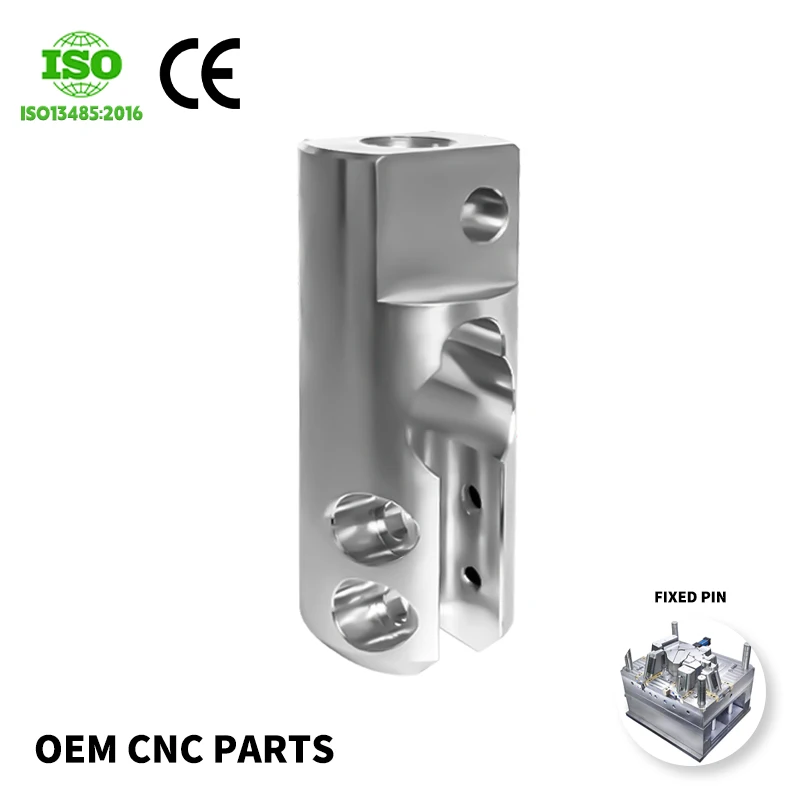
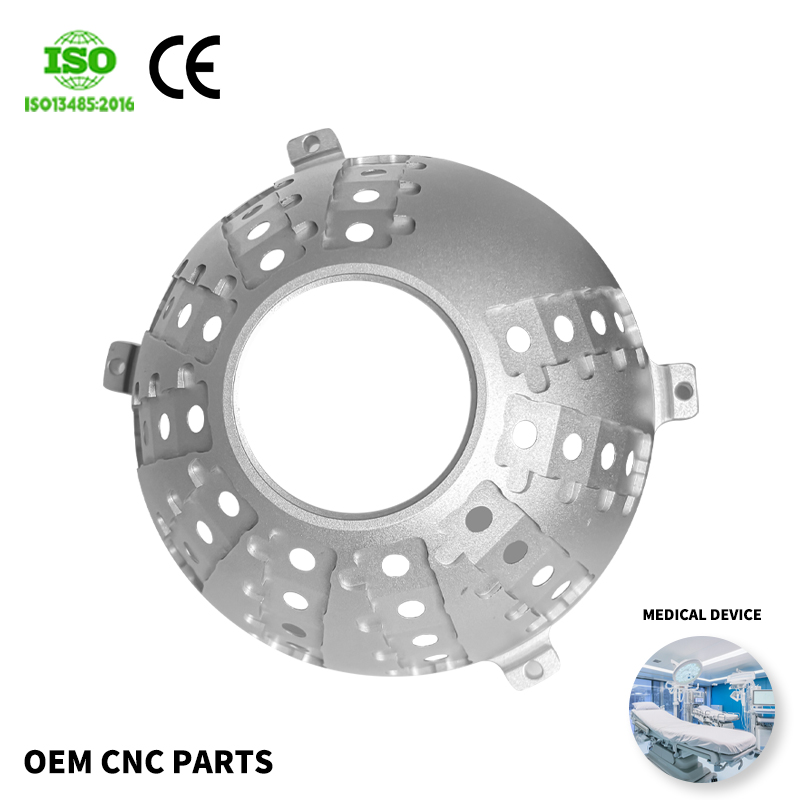
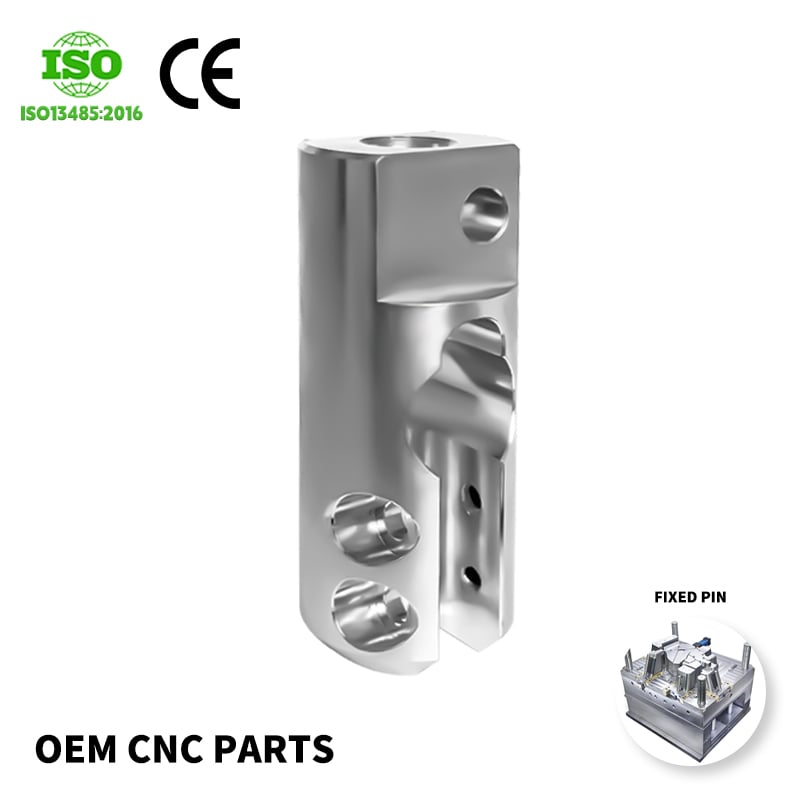
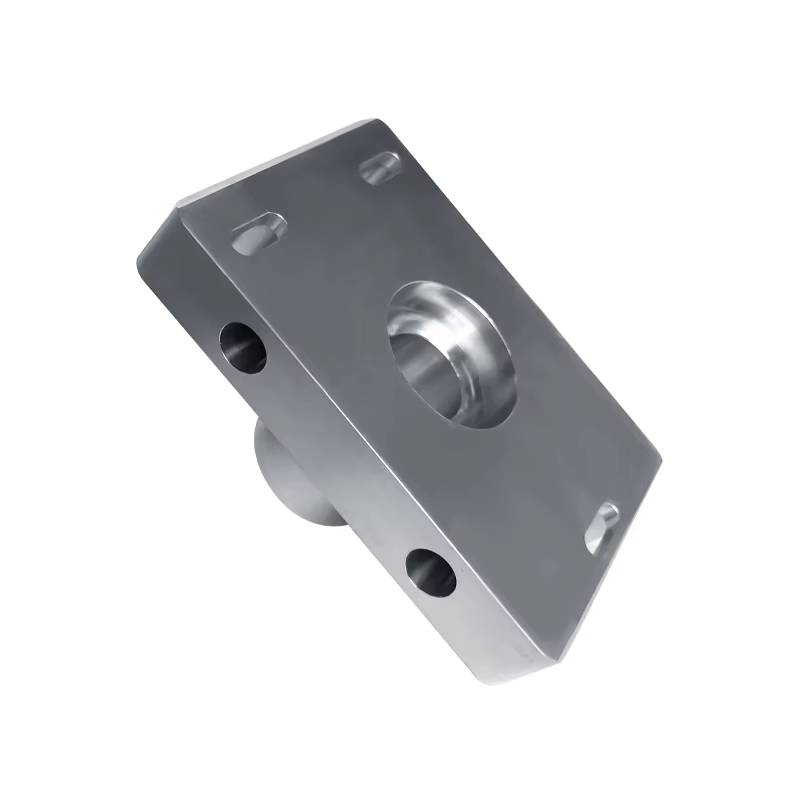
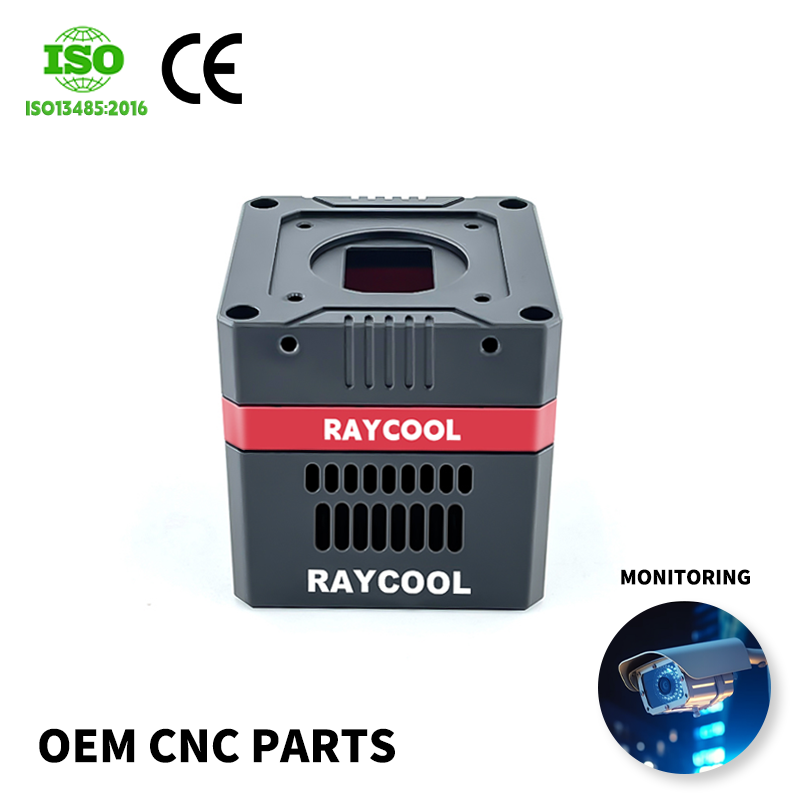
Understanding custom cnc parts price is essential for businesses seeking precision-manufactured components tailored to their specific requirements. Custom CNC (Computer Numerical Control) machining delivers parts fabricated from raw materials using automated, computer-controlled tools that ensure exceptional accuracy and repeatability. The pricing structure for custom CNC parts depends on multiple factors including material selection, part complexity, production volume, machining time, finishing requirements, and tolerance specifications. Materials range from aluminum and steel to plastics and exotic alloys, each affecting the final custom cnc parts price differently. Technological features include multi-axis machining capabilities, tight tolerance control typically within 0.001 inches, surface finish options, and compatibility with various CAD file formats. Custom CNC parts serve diverse applications across aerospace, medical devices, automotive manufacturing, electronics, robotics, and industrial equipment sectors. The pricing model typically accounts for setup costs, programming time, machine operation hours, tooling expenses, material costs, and post-processing treatments like anodizing or powder coating. Understanding custom cnc parts price helps procurement professionals make informed decisions when sourcing components. Manufacturers usually provide detailed quotes based on technical drawings, specifying all dimensions, tolerances, and material requirements. Volume production generally reduces per-unit costs, while prototype runs or small batches carry higher individual pricing due to setup investments. Evaluating custom cnc parts price requires consideration of quality standards, lead times, supplier capabilities, and long-term partnership potential beyond initial cost comparisons.

New Product Recommendations

When evaluating custom cnc parts price, buyers gain significant operational advantages that extend beyond simple cost considerations. Transparent pricing structures allow accurate budget forecasting and cost management across projects, enabling better financial planning for engineering and procurement teams. Understanding the factors influencing custom cnc parts price empowers buyers to optimize designs for manufacturability, potentially reducing costs without compromising functionality. This knowledge helps identify cost-saving opportunities such as material substitutions, tolerance relaxation where appropriate, or batch size optimization. Competitive pricing analysis ensures your organization receives fair market value while maintaining quality standards essential for critical applications. Working with suppliers who provide detailed custom cnc parts price breakdowns builds trust and facilitates collaborative problem-solving when design modifications become necessary. The pricing transparency supports faster decision-making during product development cycles, reducing time-to-market for new products. Buyers who understand custom cnc parts price components can negotiate more effectively, leveraging volume commitments or long-term contracts for preferential rates. This pricing knowledge also enables accurate comparison between multiple suppliers, ensuring selection based on total value rather than lowest price alone. Furthermore, understanding how design choices affect custom cnc parts price encourages cross-functional collaboration between engineering, procurement, and manufacturing teams. This collaborative approach often uncovers innovation opportunities that simultaneously improve part performance and reduce costs. The predictability of custom cnc parts price for recurring orders simplifies inventory planning and supports lean manufacturing initiatives. Ultimately, price transparency combined with quality assurance creates sustainable supplier relationships that deliver consistent value, reliable delivery schedules, and responsive technical support throughout the product lifecycle.

Latest News

Surface Finish and Tolerance Control for Aluminum in CNC Fabrication

05

Dec

Surface Finish and Tolerance Control for Aluminum in CNC Fabrication

Modern manufacturing demands exceptional precision, particularly when working with aluminum components that require tight tolerances and superior surface finishes. The aluminum CNC fabrication process has evolved dramatically over recent years, incor...
View More
CNC Machining Guide: Turning, Milling, and 5-Axis Processes Explained

06

Jan

CNC Machining Guide: Turning, Milling, and 5-Axis Processes Explained

CNC machining represents the backbone of modern manufacturing, transforming raw materials into precision components through computer-controlled cutting processes. This advanced manufacturing technique has revolutionized industries from aerospace to m...
View More
How to Choose Between CNC Turning, Milling, and 5-Axis for Your Part

06

Jan

How to Choose Between CNC Turning, Milling, and 5-Axis for Your Part

Manufacturing precision components requires careful consideration of machining processes, with CNC turning milling 5-axis representing the three fundamental approaches to modern subtractive manufacturing. Each method offers distinct advantages and li...
View More
When to Choose 5-Axis Machining for High-Tolerance CNC Components?

06

Feb

When to Choose 5-Axis Machining for High-Tolerance CNC Components?

Modern manufacturing demands precision components that meet increasingly stringent specifications across industries from aerospace to medical devices. Traditional 3-axis CNC machining, while effective for many applications, faces limitations when dea...
View More

Get a Free Quote

Our representative will contact you soon.
Email
Name
Company Name
Message
0/1000

custom cnc parts price

Material Selection Impact on Pricing

Material Selection Impact on Pricing

Material choice represents one of the most significant factors influencing custom cnc parts price, with options ranging from economical plastics to premium aerospace-grade alloys. Common materials like aluminum 6061 offer excellent machinability and cost-effectiveness, making them ideal for prototypes and medium-strength applications. Steel variants including stainless steel 304 or 316 provide superior strength and corrosion resistance but increase machining time and tool wear, thereby raising the custom cnc parts price. Engineering plastics such as PEEK, Delrin, or nylon deliver lightweight solutions with good chemical resistance at moderate price points. Exotic materials like titanium, Inconel, or specialized composites command premium pricing due to material costs, challenging machinability, and specialized tooling requirements. Understanding how material properties affect both performance and custom cnc parts price enables informed trade-off decisions during design phases. Suppliers often maintain inventory of common materials, reducing lead times and costs, while special-order materials add procurement time and minimum order requirements that impact pricing. The material thickness and waste generation during machining also influence final costs, as efficient nesting and programming minimize scrap material expenses reflected in the custom cnc parts price structure.
Complexity and Tolerance Requirements

Complexity and Tolerance Requirements

Part complexity and dimensional tolerances directly correlate with custom cnc parts price through increased machining time, specialized tooling, and quality control requirements. Simple geometries with standard tolerances machine quickly using basic tool paths, minimizing production time and associated costs. Complex features including undercuts, deep cavities, intricate internal channels, or multi-sided machining necessitate advanced programming, multiple setups, and potentially specialized fixtures that elevate the custom cnc parts price. Tight tolerances below standard machining capabilities require slower feed rates, additional finishing passes, premium cutting tools, and extensive quality inspection procedures. Geometric dimensioning and tolerancing (GD&T) specifications for features like flatness, perpendicularity, or concentricity demand sophisticated measurement equipment and skilled inspection, adding to overall costs. Surface finish requirements also impact custom cnc parts price, as achieving mirror-like finishes or specific roughness values requires additional machining operations or secondary processes. Understanding the relationship between design complexity and pricing encourages designers to specify tolerances appropriately, applying tight controls only where functionally necessary. This balanced approach optimizes custom cnc parts price while maintaining essential performance characteristics. Communicating clearly with manufacturers about critical versus non-critical features enables cost-effective solutions that meet functional requirements without unnecessary expense.
Volume-Based Pricing Advantages

Volume-Based Pricing Advantages

Production volume fundamentally affects custom cnc parts price through economies of scale that distribute fixed costs across larger quantities. Prototype and low-volume orders carry higher per-unit costs because setup expenses, programming time, and tooling investments apply to fewer parts. As production quantities increase, these fixed costs amortize across more units, substantially reducing the individual custom cnc parts price. High-volume production runs justify investments in dedicated fixtures, optimized tool paths, and automated loading systems that further enhance efficiency and reduce costs. Many manufacturers offer tiered pricing structures where unit costs decrease at specific volume thresholds, encouraging buyers to consolidate orders strategically. Understanding volume-based custom cnc parts price dynamics helps procurement teams plan inventory strategies that balance carrying costs against unit price savings. Long-term production agreements for recurring parts often secure preferential pricing and priority scheduling, providing predictable costs and reliable supply. Some suppliers offer volume flexibility through blanket purchase orders with scheduled releases, combining volume pricing benefits with just-in-time delivery advantages. Accurate demand forecasting becomes crucial for maximizing volume-based pricing benefits while avoiding excess inventory. Discussing projected volumes transparently with suppliers enables realistic custom cnc parts price quotes and identifies optimal order quantities that benefit both parties through operational efficiency and cost optimization.

Get a Free Quote

Our representative will contact you soon.
Email
Name
Company Name
Message
0/1000

Copyright © 2026 China Shanghai Raycool Industrial Co., Ltd. All rights reserved  -  Privacy policy