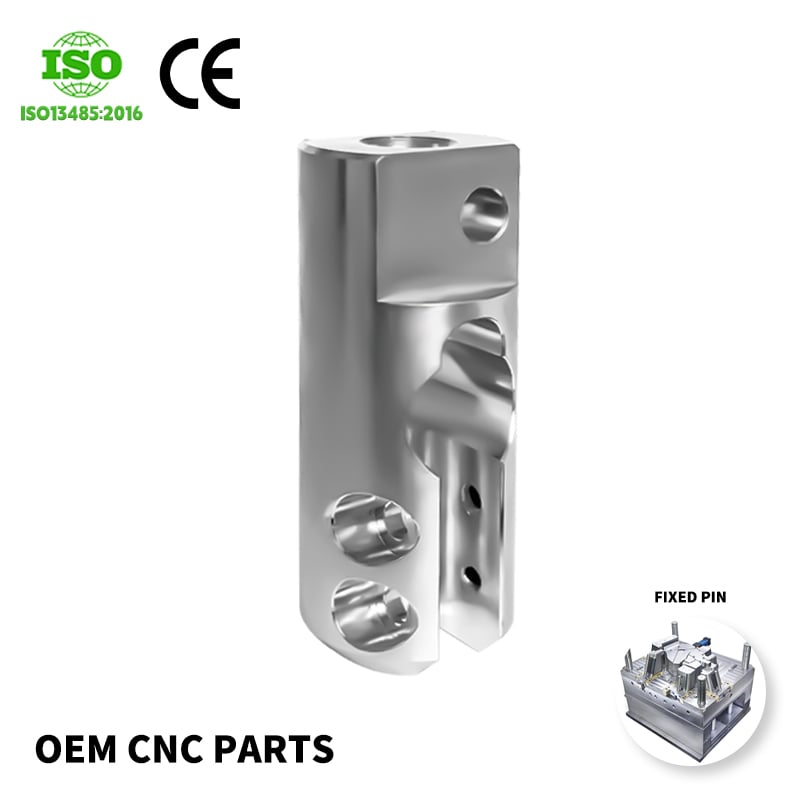
Custom Precision Machining Services & Solutions

custom precision machining

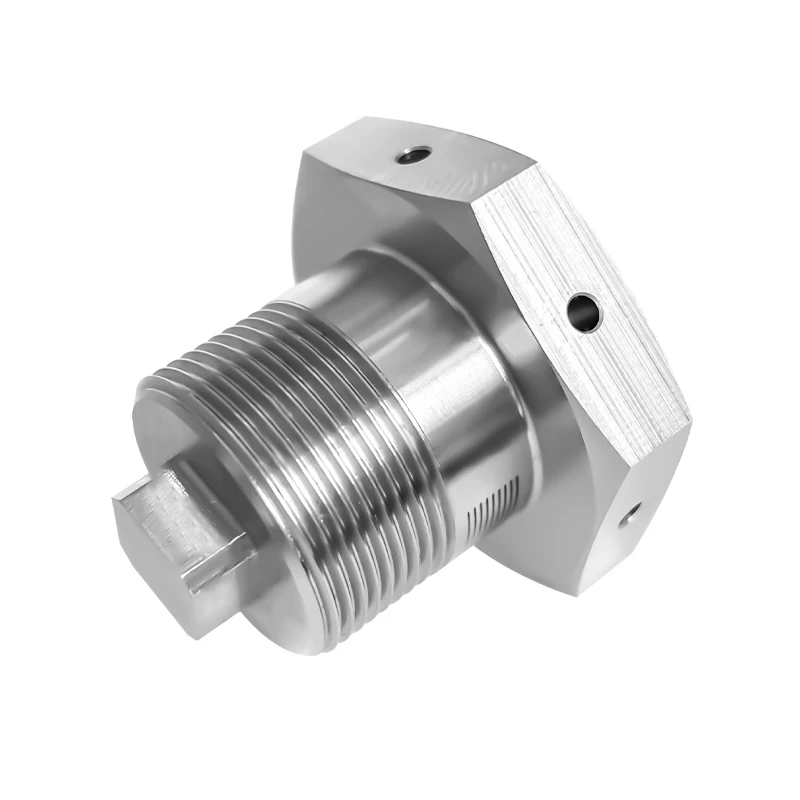
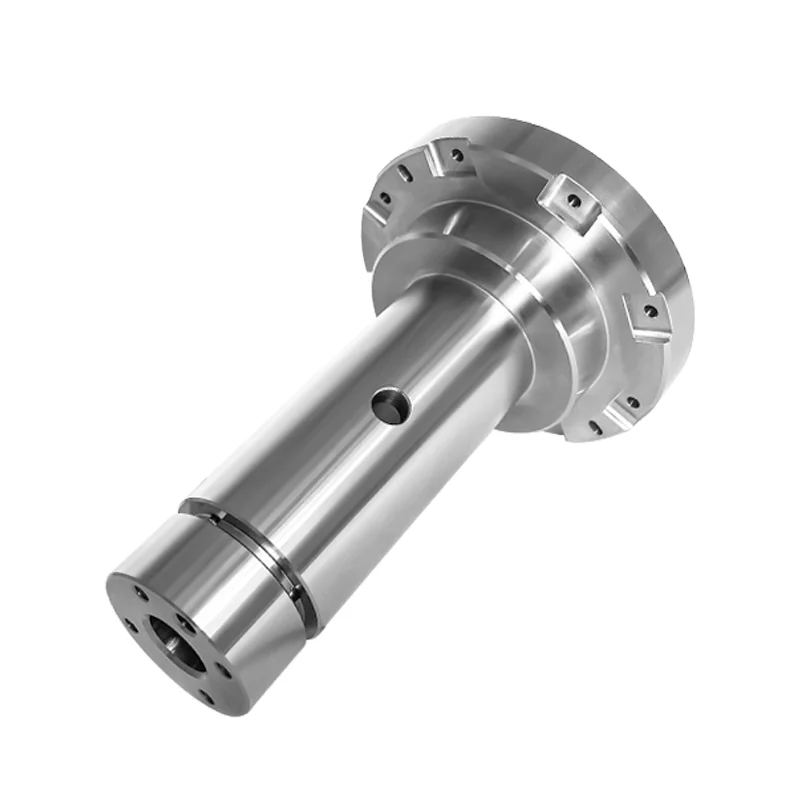
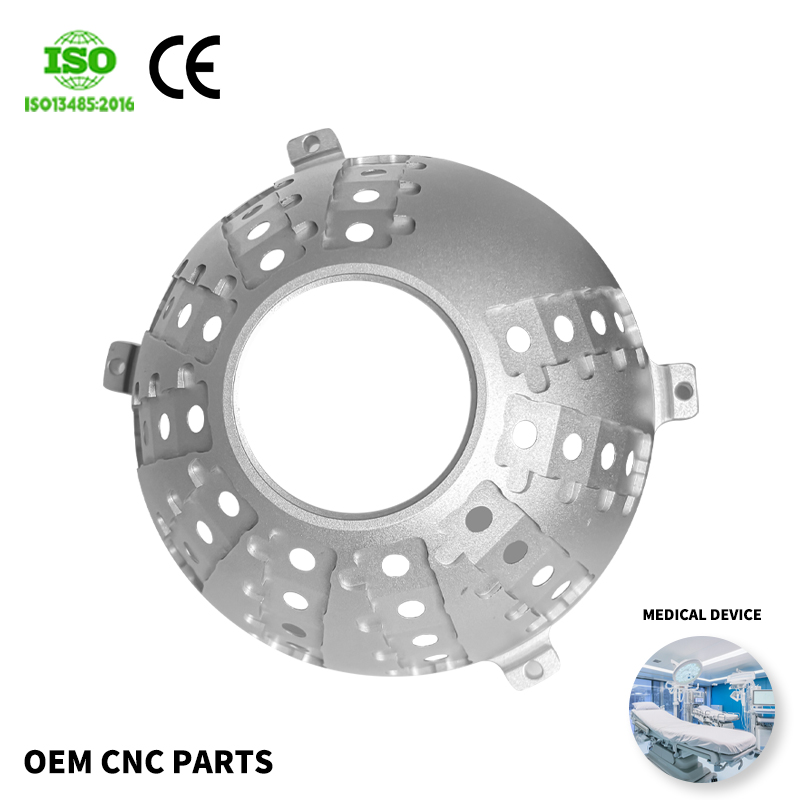
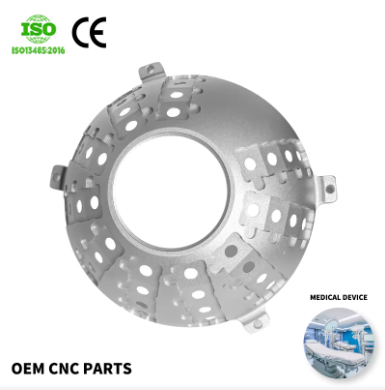
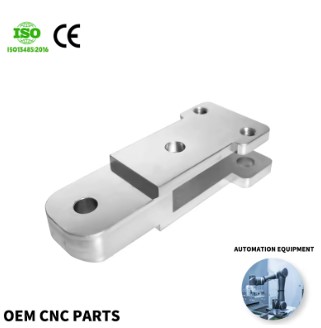
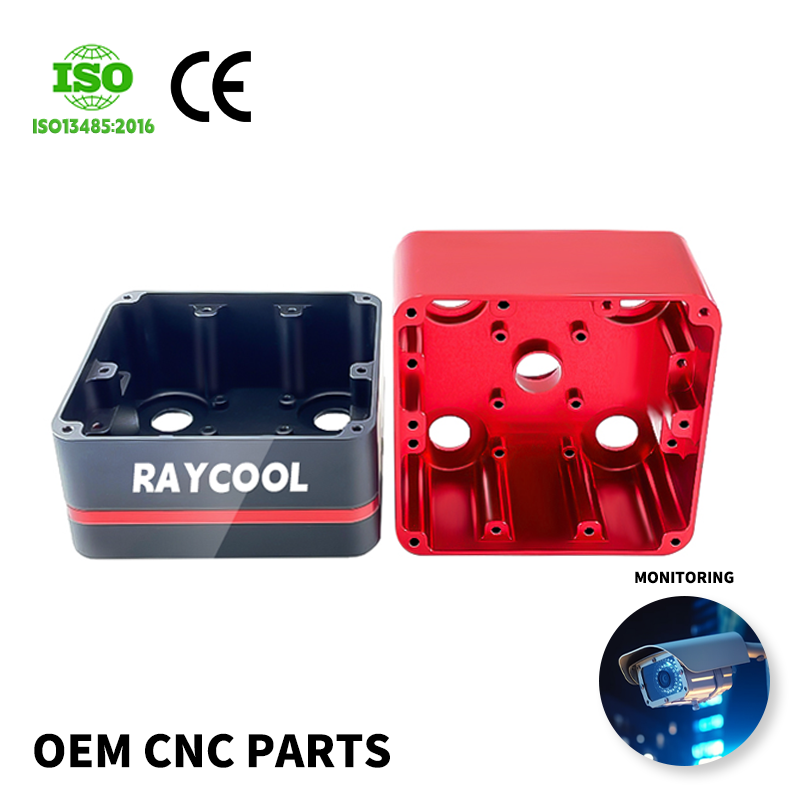
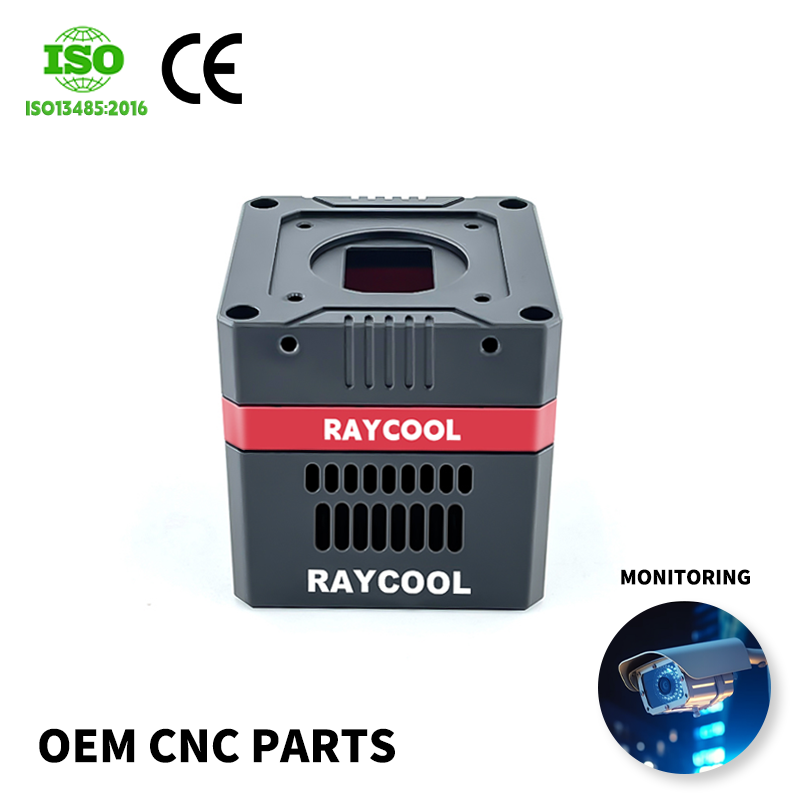
Custom precision machining is a specialized manufacturing process that produces highly accurate components tailored to exact specifications. This advanced technique involves removing material from metal, plastic, or composite workpieces using computer-controlled equipment to create parts with tight tolerances and complex geometries. The main functions of custom precision machining include producing components that meet strict dimensional requirements, creating intricate features that standard manufacturing cannot achieve, and delivering parts that fit seamlessly into larger assemblies. Technological features of custom precision machining encompass CNC milling, turning, grinding, and electrical discharge machining, all controlled by sophisticated software that ensures repeatability and consistency. Modern custom precision machining facilities utilize multi-axis equipment capable of performing multiple operations in a single setup, significantly reducing production time and improving accuracy. The process accommodates various materials including aluminum, stainless steel, titanium, brass, and engineering plastics, making it versatile for diverse applications. Custom precision machining finds applications across aerospace, medical devices, automotive, electronics, defense, and industrial equipment sectors. In aerospace, it produces critical flight components requiring exceptional accuracy. Medical device manufacturers rely on this process for surgical instruments and implant components. Automotive applications include engine parts, transmission components, and specialized fasteners. The electronics industry uses custom precision machining for housings, connectors, and heat sinks, while defense applications demand components meeting stringent military specifications.

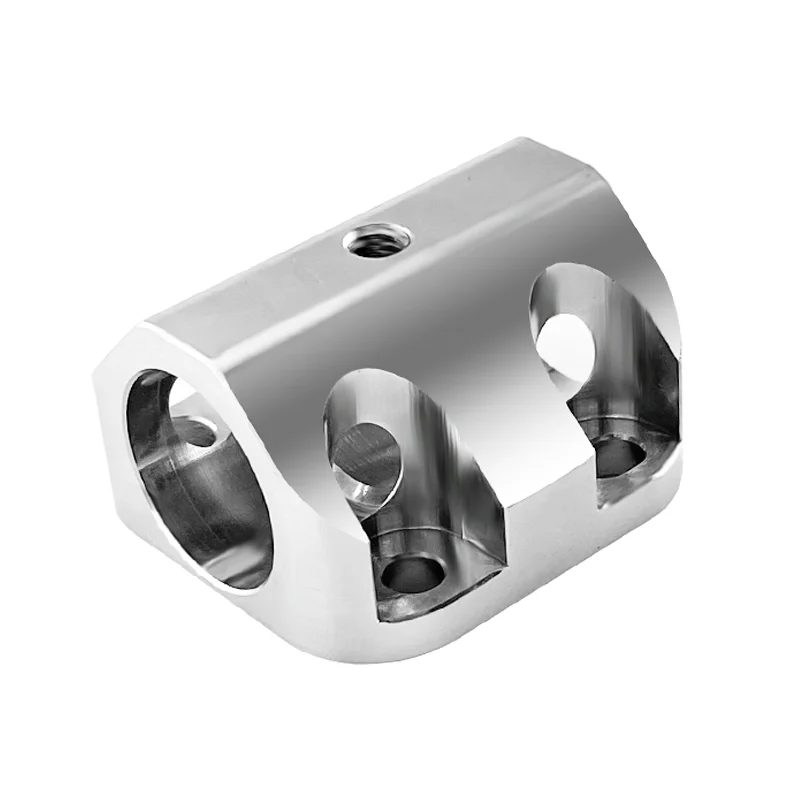
New Product Recommendations

Custom precision machining delivers exceptional value by producing parts that exactly match your design requirements, eliminating the compromises often associated with off-the-shelf components. This manufacturing approach provides operational benefits through reduced assembly time, as precisely machined parts fit together perfectly without additional modification or adjustment. You gain the ability to prototype quickly, test designs in real-world conditions, and make iterative improvements before committing to large production runs. The precision achieved through custom precision machining minimizes waste in your production process, as parts function correctly the first time without requiring rework or replacement. Your supply chain becomes more efficient because you can order exactly the quantities you need, avoiding excess inventory costs and storage requirements. The flexibility of custom precision machining allows you to specify materials that match your application requirements, whether you need corrosion resistance, high strength-to-weight ratios, or specialized thermal properties. This manufacturing method supports both prototype development and full-scale production, scaling seamlessly as your business grows. Quality control is inherent to the process, with computer-controlled equipment maintaining consistency across every piece produced. You benefit from working directly with manufacturing experts who understand your technical challenges and can suggest design optimizations that improve performance while reducing costs. The precision tolerances achievable through custom precision machining enable you to create products that outperform competitors, differentiate your brand, and command premium pricing. Long-term cost savings result from durable, accurately manufactured components that require less maintenance and deliver extended service life in demanding applications.

Tips And Tricks

Material Customization: How to Select Aluminum, Stainless Steel, Titanium, Copper, or Plastic

05

Dec

Material Customization: How to Select Aluminum, Stainless Steel, Titanium, Copper, or Plastic

Selecting the right material for manufacturing components requires careful consideration of multiple factors including mechanical properties, environmental conditions, cost constraints, and specific application requirements. Material customization ha...
View More
Why 5-Axis CNC Machining Is Ideal for Complex Part Manufacturing

06

Jan

Why 5-Axis CNC Machining Is Ideal for Complex Part Manufacturing

Modern manufacturing demands precision, efficiency, and the ability to create intricate geometries that traditional machining methods simply cannot achieve. The evolution of computer numerical control technology has revolutionized how manufacturers a...
View More
Optimizing Low-Volume Production with Multi-Process CNC Machining

06

Jan

Optimizing Low-Volume Production with Multi-Process CNC Machining

Manufacturing precision components for specialized industries requires sophisticated approaches that balance quality, efficiency, and cost-effectiveness. Multi-process CNC machining has emerged as a transformative solution for low-volume production r...
View More
Key Considerations When Sourcing Anodized Parts from Manufacturers?

06

Feb

Key Considerations When Sourcing Anodized Parts from Manufacturers?

Manufacturing industries increasingly rely on anodized components to enhance product durability, aesthetic appeal, and corrosion resistance. The anodizing process creates a protective oxide layer on aluminum surfaces, making these parts essential for...
View More

Get a Free Quote

Our representative will contact you soon.
Email
Name
Company Name
Message
0/1000

custom precision machining

Unmatched Accuracy and Repeatability

Unmatched Accuracy and Repeatability

Custom precision machining achieves dimensional tolerances as tight as plus or minus 0.0001 inches, ensuring every component meets exact specifications regardless of complexity. This extraordinary accuracy stems from advanced CNC technology that eliminates human error and maintains consistency across production runs of any size. The computer-controlled nature of custom precision machining means that once your design is programmed, the equipment reproduces it with perfect fidelity thousands of times. This repeatability is crucial for industries where component interchangeability is essential, such as aerospace and medical devices. You avoid the quality variations common in manual machining processes, reducing rejection rates and ensuring that every part performs as intended. The precision of custom precision machining extends to surface finishes, with capabilities ranging from standard mill finishes to mirror-polished surfaces measured in microinches. This level of control over both dimensions and surface characteristics enables you to optimize component performance, whether you need minimal friction, specific aesthetic qualities, or precise mating surfaces for seals and gaskets.
Design Flexibility and Complex Geometry Capabilities

Design Flexibility and Complex Geometry Capabilities

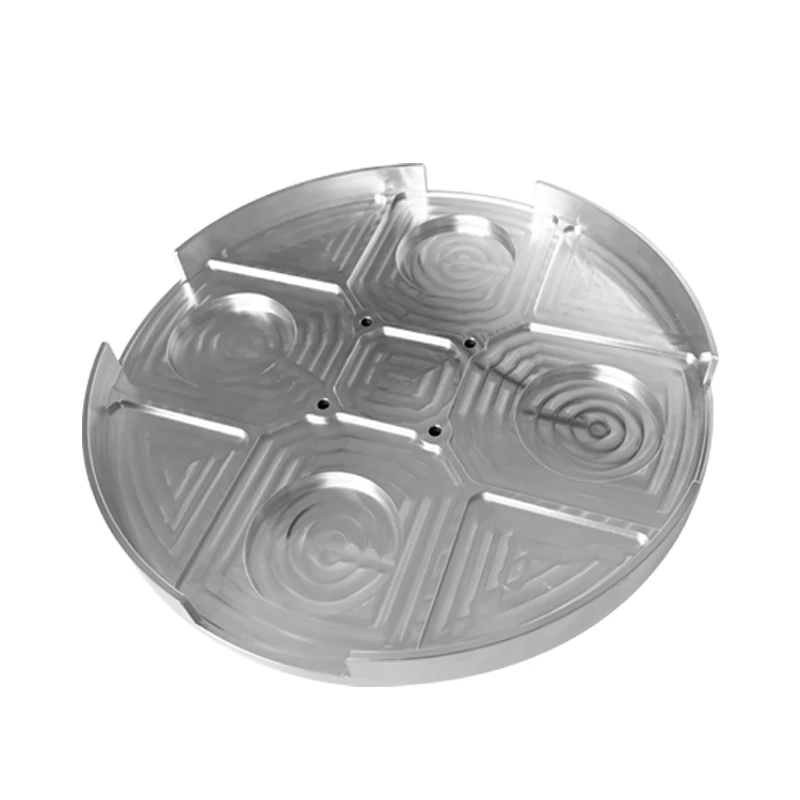
Custom precision machining empowers you to realize complex designs that would be impossible or prohibitively expensive with other manufacturing methods. Multi-axis CNC equipment can create intricate internal passages, undercuts, compound angles, and three-dimensional contours in a single setup, eliminating the need for multiple operations and reducing production time. This capability is particularly valuable when designing components that must integrate multiple functions into a single part, reducing assembly requirements and potential failure points. Custom precision machining accommodates design changes quickly, as modifications require only software updates rather than expensive tooling changes. This flexibility accelerates your product development cycle, allowing rapid iteration based on testing feedback. You can optimize designs for performance without worrying about manufacturing constraints that limit other processes. The ability to machine features at various angles and orientations means you can consolidate parts, reducing your bill of materials and simplifying inventory management. Custom precision machining also enables you to add branding elements, part numbers, and identification features directly into components during the manufacturing process.
Material Versatility and Application Adaptability

Material Versatility and Application Adaptability

Custom precision machining works with an extensive range of materials, giving you complete freedom to select substances that perfectly match your application requirements. Whether you need the lightweight strength of titanium for aerospace applications, the biocompatibility of medical-grade stainless steel, the electrical conductivity of brass, or the chemical resistance of specialized plastics, custom precision machining delivers consistent results across all material types. This versatility extends to exotic alloys and advanced composites that newer manufacturing technologies cannot process effectively. You can specify materials based on performance criteria such as thermal expansion coefficients, magnetic properties, electrical characteristics, or environmental resistance without compromising on precision. Custom precision machining adapts to your industry's specific standards and certifications, whether you require FDA-compliant materials for medical devices, aerospace-grade alloys with full traceability, or RoHS-compliant materials for electronics. The process accommodates both small prototype quantities in expensive materials and large production runs in cost-effective alternatives, providing flexibility as your product evolves from development through market maturity.

Get a Free Quote

Our representative will contact you soon.
Email
Name
Company Name
Message
0/1000

Copyright © 2026 China Shanghai Raycool Industrial Co., Ltd. All rights reserved  -  Privacy policy