Premium Milling Part Solutions | Precision CNC

milling part

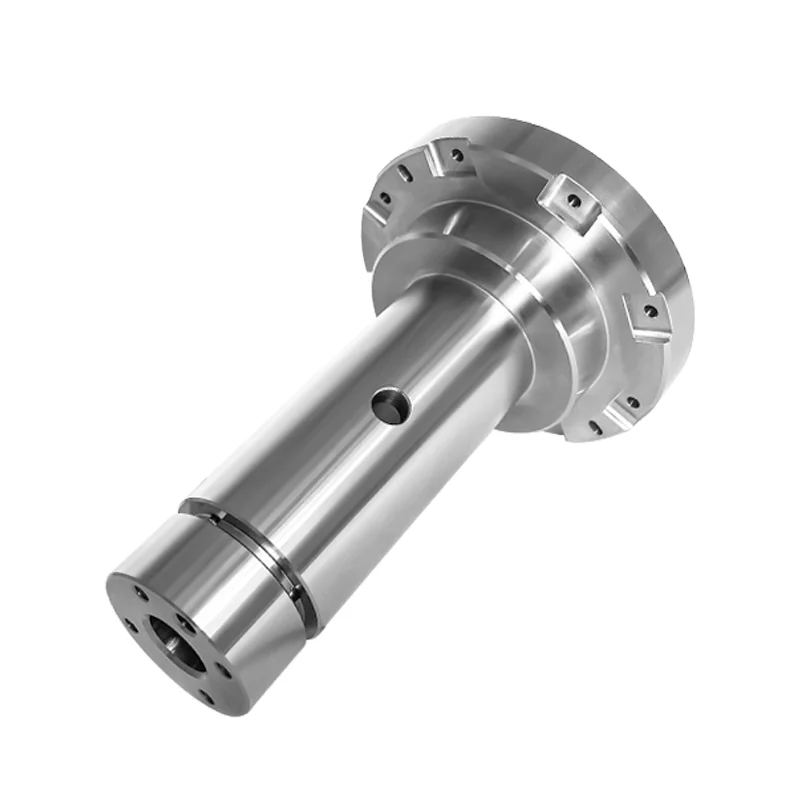
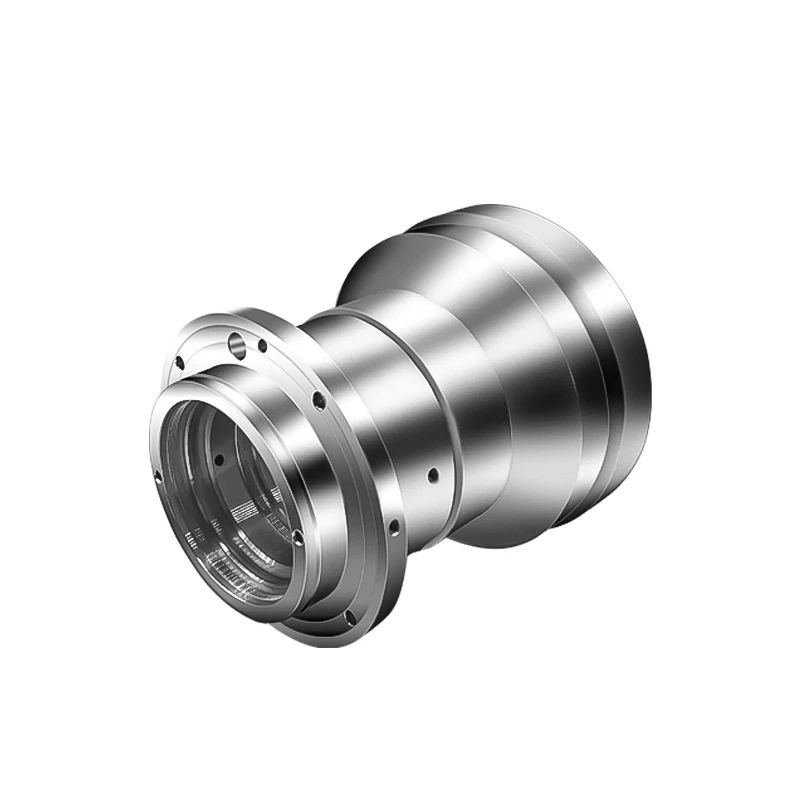
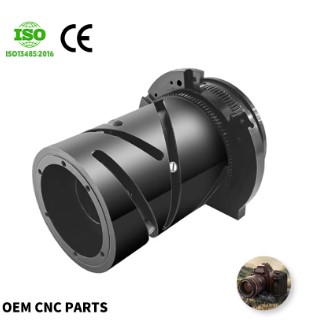
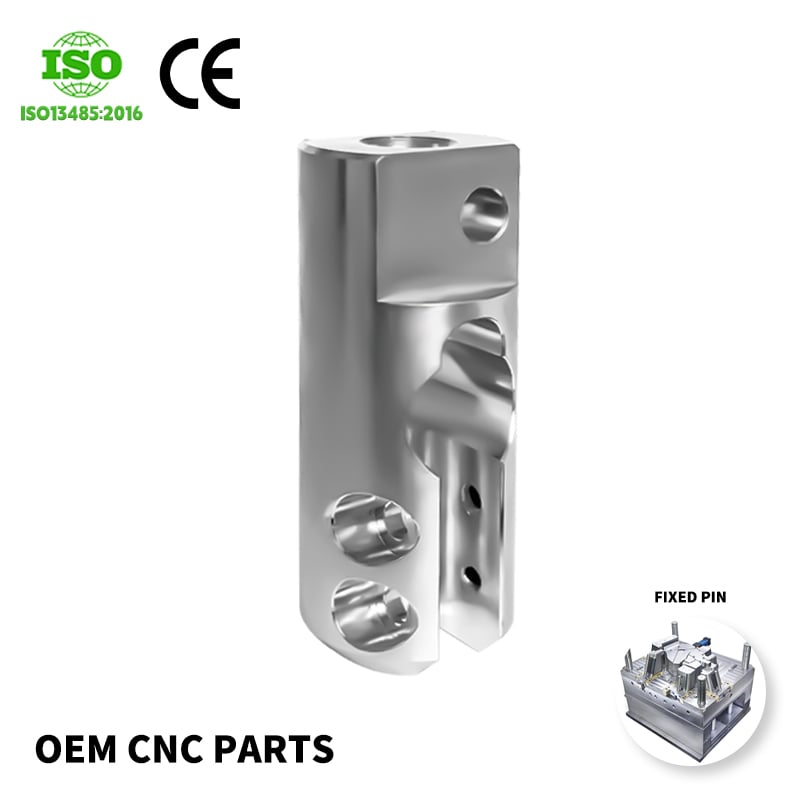
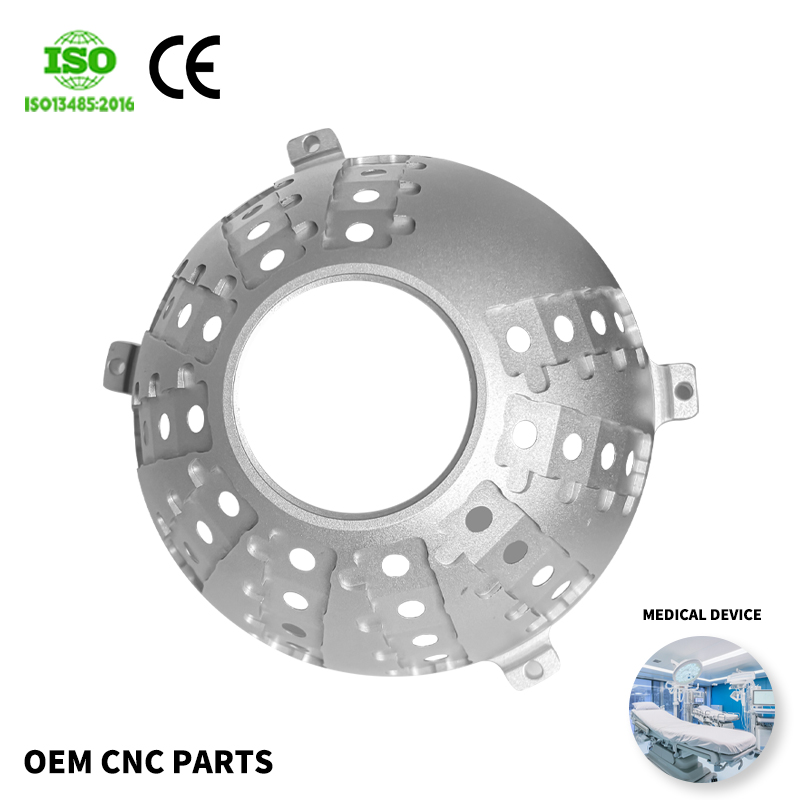
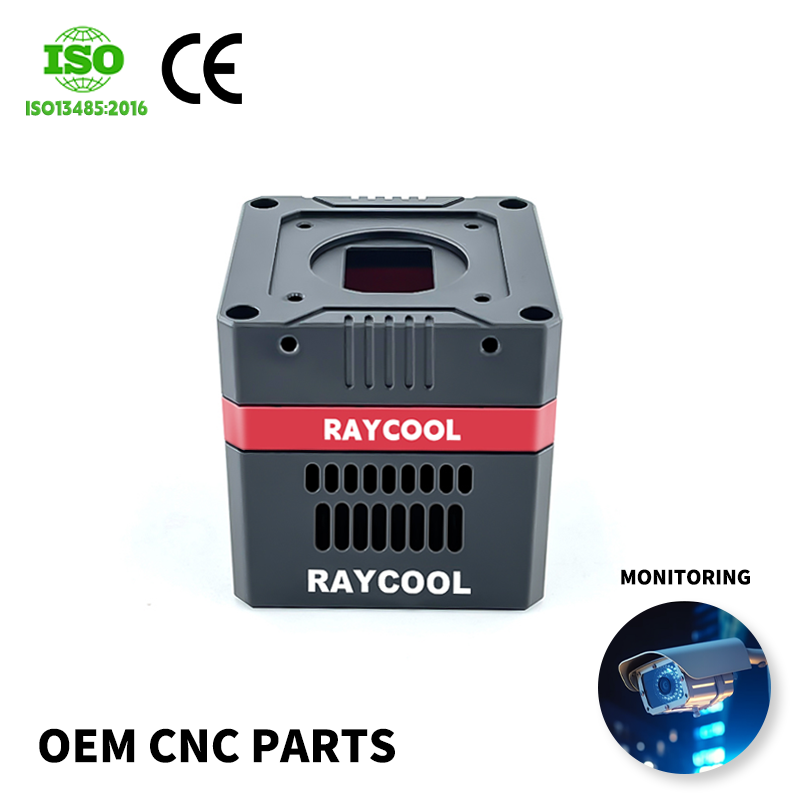
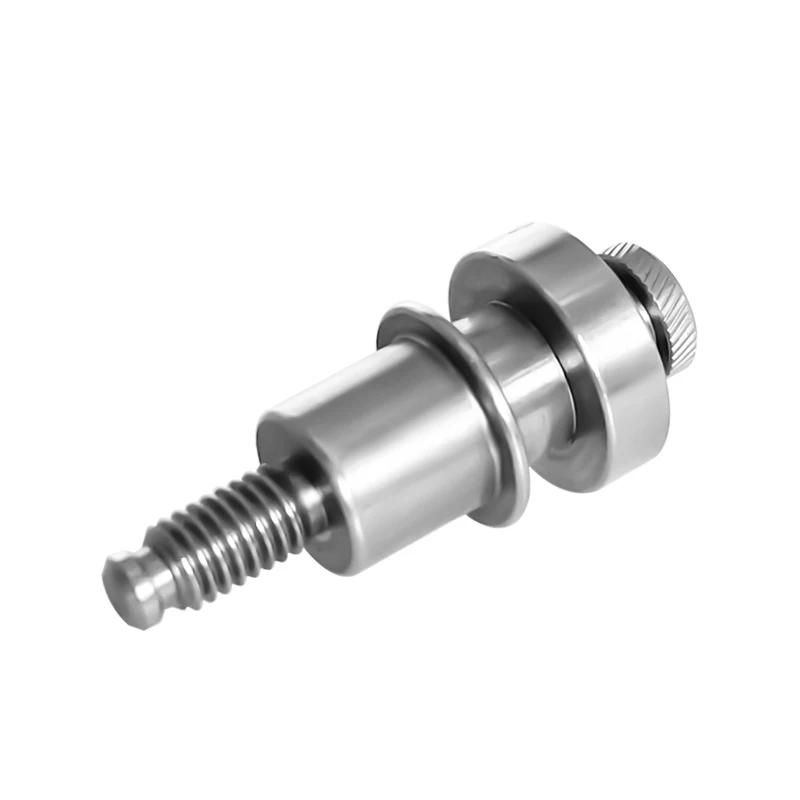
A milling part is a precision-engineered component manufactured through the milling process, which involves removing material from a workpiece using rotary cutters to achieve desired shapes, dimensions, and surface finishes. This manufacturing method produces parts with exceptional accuracy and consistency across various industries. The milling part serves as a critical element in mechanical assemblies, machinery systems, and industrial equipment where precise tolerances and complex geometries are essential. The technological features of a milling part include superior dimensional accuracy, excellent surface quality, and the ability to create intricate designs that would be difficult or impossible to achieve through other manufacturing methods. Modern CNC milling technology enables the production of parts with tolerances as tight as 0.001 inches, ensuring perfect fit and function in demanding applications. These components can be manufactured from diverse materials including metals like aluminum, steel, titanium, and brass, as well as engineering plastics and composite materials. Applications for milling parts span numerous sectors such as aerospace, automotive, medical devices, electronics, energy systems, and industrial machinery. In aerospace applications, milling parts form structural components and engine parts requiring extreme precision. Automotive manufacturers rely on milling parts for transmission components, engine blocks, and suspension systems. The medical industry utilizes these precision components in surgical instruments and implantable devices. The versatility of the milling part makes it indispensable across manufacturing sectors where quality, precision, and reliability are paramount requirements.

Popular Products

Choosing a milling part offers substantial practical benefits that directly impact your operational efficiency and product quality. The precision manufacturing process ensures each milling part meets exact specifications, reducing assembly problems and minimizing costly rework or rejection rates. This accuracy translates into improved product performance and extended service life, delivering significant long-term value for your investment. The dimensional consistency of milling parts means you can confidently integrate them into your assemblies knowing they will fit perfectly every time, streamlining your production workflow and reducing downtime caused by component incompatibility. The superior surface finish achieved through milling eliminates the need for additional finishing operations in many cases, saving both time and money in your manufacturing process. You gain flexibility in material selection, allowing you to choose the optimal material for your specific application requirements, whether you need lightweight aluminum for reduced weight, stainless steel for corrosion resistance, or titanium for high-strength applications. The milling part manufacturing process accommodates complex geometries and intricate features that other methods cannot achieve, enabling innovative design solutions that enhance your product functionality and competitive advantage. Production scalability represents another key benefit, as milling processes efficiently handle both prototype quantities and high-volume production runs, supporting your business growth without requiring process changes. The repeatability of CNC milling ensures every milling part in a production batch maintains identical specifications, providing the consistency essential for quality control and customer satisfaction. You also benefit from faster time-to-market since milling technology can quickly transition from design to finished parts, helping you respond rapidly to market demands and stay ahead of competitors. The durability and reliability of precision milling parts reduce maintenance requirements and warranty claims, protecting your brand reputation and customer relationships.

Tips And Tricks

The Global Impact of Custom CNC Machining

26

Nov

The Global Impact of Custom CNC Machining

Economic Transformation Through CNC Automation Global Market Growth and Projections The CNC automation market is on a promising growth trajectory, with projections indicating it will reach $140.78 billion by 2028, marking a compound annual growth ra...
View More
Best Practices for Machining Titanium Alloy Components in Precision Manufacturing

05

Dec

Best Practices for Machining Titanium Alloy Components in Precision Manufacturing

Titanium alloys have become indispensable materials in precision manufacturing, particularly in aerospace, medical, and automotive industries where exceptional strength-to-weight ratios and corrosion resistance are paramount. The unique properties of...
View More
Material Customization: How to Select Aluminum, Stainless Steel, Titanium, Copper, or Plastic

05

Dec

Material Customization: How to Select Aluminum, Stainless Steel, Titanium, Copper, or Plastic

Selecting the right material for manufacturing components requires careful consideration of multiple factors including mechanical properties, environmental conditions, cost constraints, and specific application requirements. Material customization ha...
View More
Why 5-Axis CNC Machining Is Ideal for Complex Part Manufacturing

06

Jan

Why 5-Axis CNC Machining Is Ideal for Complex Part Manufacturing

Modern manufacturing demands precision, efficiency, and the ability to create intricate geometries that traditional machining methods simply cannot achieve. The evolution of computer numerical control technology has revolutionized how manufacturers a...
View More

Get a Free Quote

Our representative will contact you soon.
Email
Name
Company Name
Message
0/1000

milling part

Exceptional Precision and Dimensional Accuracy

Exceptional Precision and Dimensional Accuracy

Every milling part delivers outstanding precision that meets the most demanding engineering specifications. The CNC milling process controls cutting tools with computer-guided accuracy, achieving tolerances within thousandths of an inch consistently across entire production runs. This level of precision ensures your milling part fits perfectly into assemblies without adjustment or modification, eliminating the frustration and expense of rework. The multi-axis capabilities of modern milling machines allow creation of complex three-dimensional geometries with uniform accuracy on all surfaces and features. Whether your application requires intricate pockets, precise bore dimensions, or exact angular features, the milling part maintains specifications throughout the manufacturing process. This precision directly benefits your operations by reducing assembly time, improving product performance, and decreasing failure rates in the field. For industries where safety and reliability are critical concerns, such as aerospace and medical applications, the dimensional accuracy of a milling part provides the confidence that components will function exactly as designed under all operating conditions. The measurement and inspection capabilities integrated into modern milling operations verify that every dimension meets your specifications before the part leaves the production facility.
Superior Surface Quality and Finish

Superior Surface Quality and Finish

The milling part achieves exceptional surface quality that often eliminates the need for secondary finishing operations, saving you both time and production costs. The controlled cutting action of milling tools creates smooth, uniform surfaces with minimal tool marks or imperfections, resulting in aesthetically pleasing components that also perform better in functional applications. This superior surface finish reduces friction in moving parts, improves sealing surfaces, and enhances corrosion resistance by eliminating microscopic irregularities where degradation can begin. For visible components in consumer products, the finish quality of a milling part contributes to perceived value and brand image. The consistent surface texture across all features of the part ensures uniform coating adhesion if additional treatments like anodizing, plating, or painting are required for your application. You benefit from reduced surface preparation time before assembly or finishing, accelerating your production schedule and improving throughput. The quality of the milled surface also impacts measurement accuracy during inspection, ensuring reliable quality control results. In applications involving fluid flow or air movement, the smooth surfaces of milling parts minimize turbulence and pressure losses, improving system efficiency. This attention to surface quality demonstrates how every aspect of the milling part contributes tangible value to your manufacturing operations and final product performance.
Material Versatility and Application Flexibility

Material Versatility and Application Flexibility

A milling part can be manufactured from virtually any machinable material, giving you complete freedom to select the optimal material for your specific performance requirements and operating environment. This versatility allows you to balance factors like strength, weight, corrosion resistance, thermal properties, and cost to achieve the ideal solution for your application. Aluminum milling parts offer excellent strength-to-weight ratios for applications where reduced mass improves performance or reduces energy consumption. Steel milling parts provide superior strength and durability for high-stress applications and harsh operating conditions. Stainless steel options deliver corrosion resistance essential in food processing, marine, and chemical environments. Titanium milling parts combine exceptional strength with outstanding corrosion resistance for aerospace and medical applications where performance cannot be compromised. Engineering plastics offer advantages in electrical insulation, chemical resistance, and cost-effectiveness for appropriate applications. The milling process adapts easily to different material characteristics, maintaining the same precision and quality standards regardless of material selection. This flexibility extends to your ability to prototype with one material and transition to another for production without changing the manufacturing process or tooling significantly. You can also optimize different features of an assembly by using the most appropriate milling part material for each component, rather than compromising with a single material throughout. This material versatility positions the milling part as the ideal solution across diverse industries and applications.

Get a Free Quote

Our representative will contact you soon.
Email
Name
Company Name
Message
0/1000

Copyright © 2026 China Shanghai Raycool Industrial Co., Ltd. All rights reserved  -  Privacy policy