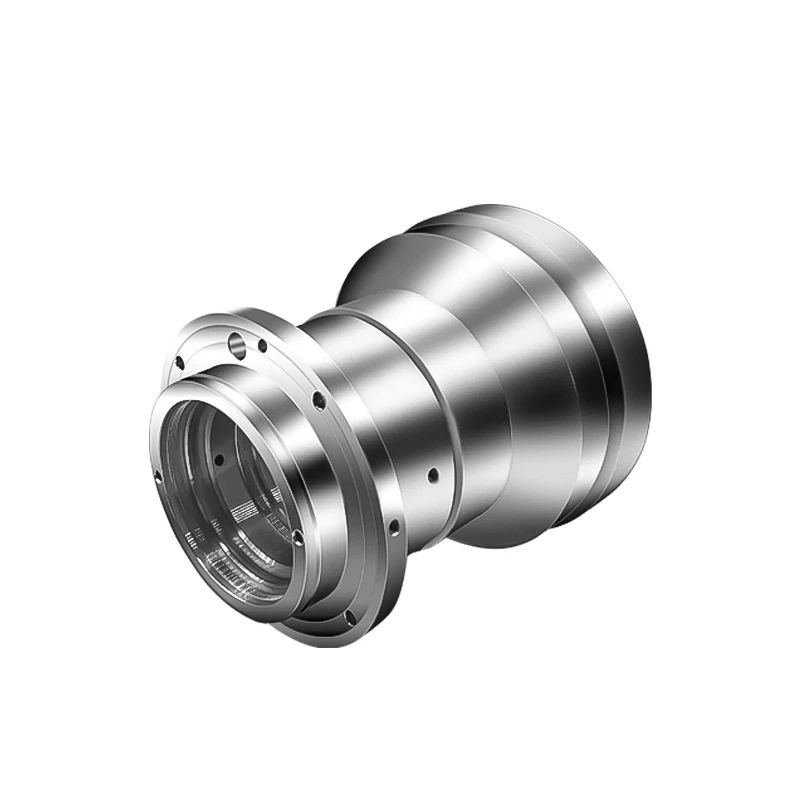
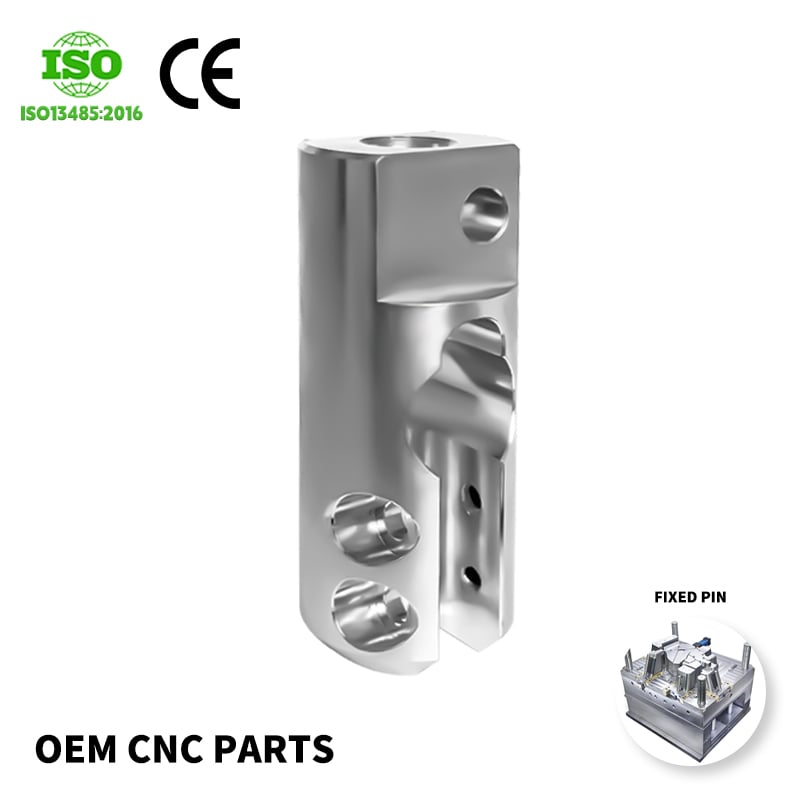
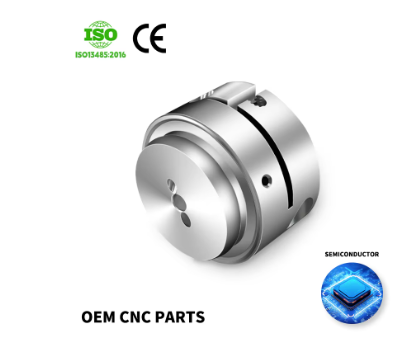
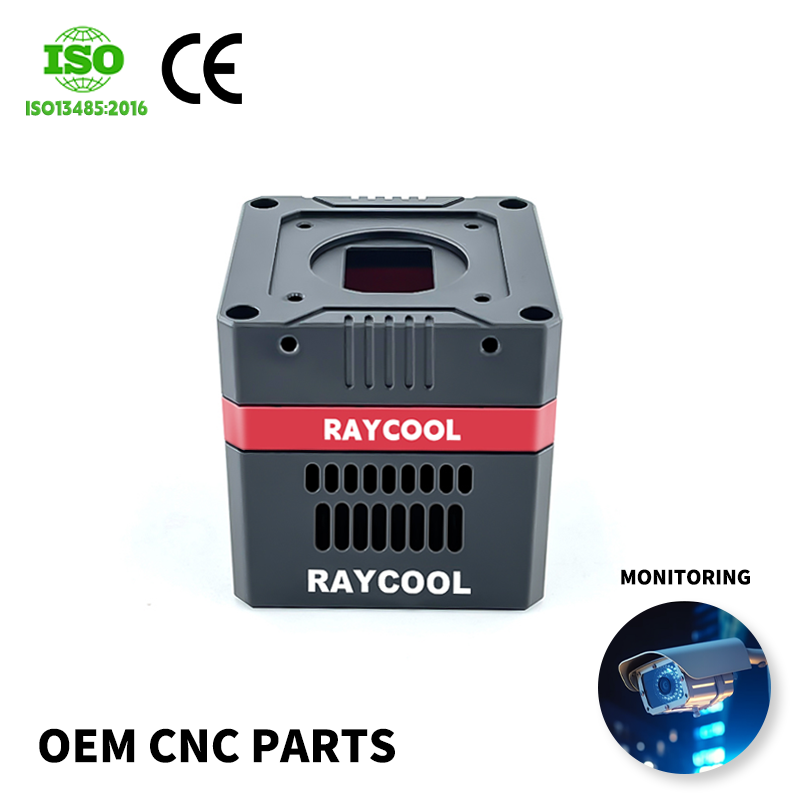
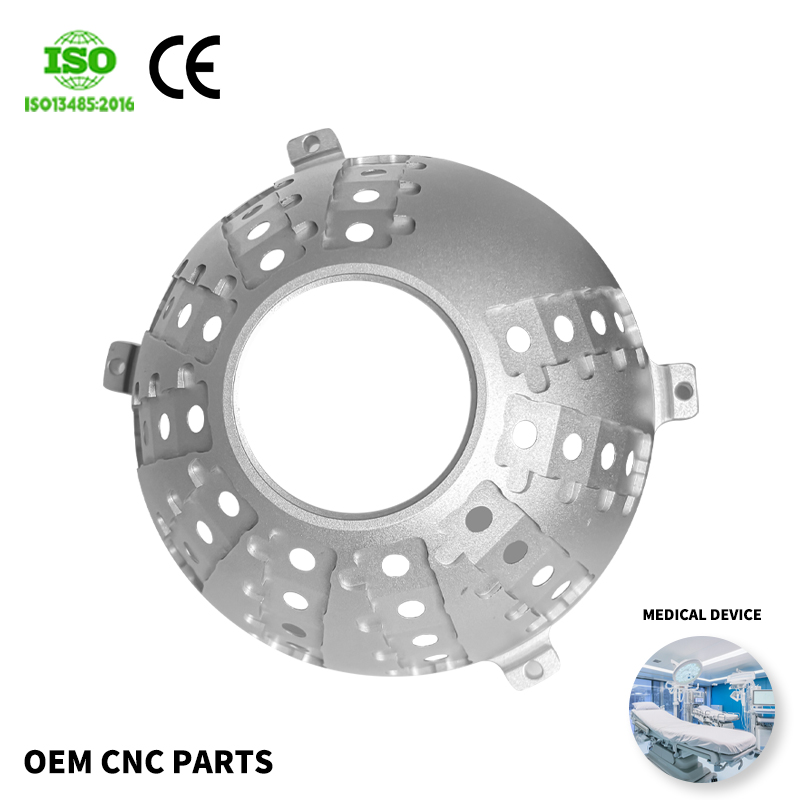
Aerospace Parts CNC Machining Solutions

aerospace parts cnc machining

Aerospace parts CNC machining represents a sophisticated manufacturing process that utilizes computer numerical control technology to produce precision components for aircraft, satellites, and spacecraft. This advanced method involves automated machine tools that remove material from solid blocks of aluminum, titanium, stainless steel, and specialized alloys to create complex geometries with exceptional accuracy. Aerospace parts CNC machining enables manufacturers to achieve tolerances as tight as 0.0001 inches, ensuring components meet the rigorous standards required for flight safety and performance. The technology features multi-axis capabilities, allowing simultaneous machining operations on multiple surfaces, which significantly reduces production time while maintaining consistency across large production runs. Key applications include structural components such as engine mounts, landing gear parts, turbine blades, fuel system components, hydraulic fittings, and avionics housings. The process supports both prototyping and full-scale production, accommodating materials with challenging properties like heat-resistant superalloys and lightweight composites. Advanced tooling strategies, real-time monitoring systems, and quality verification protocols ensure every part meets aerospace industry certifications including AS9100 standards. Aerospace parts CNC machining integrates CAD/CAM software for precise programming, automated tool changers for efficiency, and coolant systems that maintain optimal cutting conditions, making it indispensable for modern aerospace manufacturing where reliability and performance cannot be compromised.

New Product Recommendations

Choosing aerospace parts CNC machining delivers measurable benefits that directly impact your production efficiency, cost management, and product quality. This manufacturing approach provides unmatched dimensional accuracy, eliminating the inconsistencies common in manual machining and ensuring every component fits perfectly during assembly, which reduces costly rework and delays. The automated nature of aerospace parts CNC machining means your production runs with minimal human intervention, lowering labor costs while increasing output capacity and allowing skilled personnel to focus on quality assurance and process optimization. Material waste decreases significantly because programmed tool paths optimize cutting sequences, converting expensive aerospace-grade materials into finished parts with maximum yield. Production flexibility stands out as another practical advantage since the same machine can quickly switch between different part designs by simply loading new programs, eliminating lengthy setup times and enabling responsive manufacturing that adapts to changing project requirements. Quality consistency remains constant regardless of production volume, whether you need a single prototype or thousands of identical components, because the machine executes the exact same movements every time. Lead times shorten considerably compared to traditional methods, as aerospace parts CNC machining operates continuously with lights-out manufacturing capabilities, accelerating your time-to-market and helping meet tight delivery schedules. The process accommodates design complexity that would be impossible or prohibitively expensive with conventional techniques, opening new possibilities for weight reduction, performance enhancement, and innovation in aerospace engineering. Investment in aerospace parts CNC machining positions your operation to meet current demands while scaling efficiently for future growth, providing competitive advantages in an industry where precision, reliability, and efficiency determine success.

Practical Tips

Future Trends in CNC Machining Precision Parts: What to Expect

26

Nov

Future Trends in CNC Machining Precision Parts: What to Expect

Global CNC Machining Market Growth and Projections Current Valuation and Forecasted Expansion (2023-2030) The global CNC machining market is projected to undergo significant growth, building upon its current valuation of approximately $55.1 billion ...
View More
Best Practices for Machining Titanium Alloy Components in Precision Manufacturing

05

Dec

Best Practices for Machining Titanium Alloy Components in Precision Manufacturing

Titanium alloys have become indispensable materials in precision manufacturing, particularly in aerospace, medical, and automotive industries where exceptional strength-to-weight ratios and corrosion resistance are paramount. The unique properties of...
View More
CNC Machining Guide: Turning, Milling, and 5-Axis Processes Explained

06

Jan

CNC Machining Guide: Turning, Milling, and 5-Axis Processes Explained

CNC machining represents the backbone of modern manufacturing, transforming raw materials into precision components through computer-controlled cutting processes. This advanced manufacturing technique has revolutionized industries from aerospace to m...
View More
How to Choose Between CNC Turning, Milling, and 5-Axis for Your Part

06

Jan

How to Choose Between CNC Turning, Milling, and 5-Axis for Your Part

Manufacturing precision components requires careful consideration of machining processes, with CNC turning milling 5-axis representing the three fundamental approaches to modern subtractive manufacturing. Each method offers distinct advantages and li...
View More

Get a Free Quote

Our representative will contact you soon.
Email
Name
Company Name
Message
0/1000

aerospace parts cnc machining

Exceptional Precision for Critical Applications

Exceptional Precision for Critical Applications

Aerospace parts CNC machining achieves micron-level accuracy that meets the stringent requirements of aviation and space applications where component failure is not an option. The technology employs closed-loop feedback systems that continuously monitor tool position and adjust for thermal expansion, tool wear, and material variations during the cutting process. This real-time compensation ensures dimensional stability throughout production runs, maintaining tolerances that guarantee proper fit and function in assemblies where clearances are measured in thousandths of an inch. Advanced five-axis machines access complex surfaces from multiple angles without repositioning the workpiece, eliminating cumulative errors that occur when parts are manually relocated between operations. Quality verification integrates coordinate measuring machines and laser scanning that validate geometry against original CAD models, providing documented proof of compliance with aerospace specifications. The precision capabilities of aerospace parts CNC machining translate directly into enhanced safety, improved performance, and extended service life for aircraft components, making it the preferred manufacturing method for critical systems including flight controls, propulsion assemblies, and structural elements that must perform flawlessly under extreme conditions.
Material Versatility for Diverse Requirements

Material Versatility for Diverse Requirements

Aerospace parts CNC machining handles an extensive range of materials essential to modern aircraft and spacecraft design, from lightweight aluminum alloys to exotic superalloys that withstand extreme temperatures and corrosive environments. The process adapts cutting parameters including spindle speed, feed rate, and tool geometry to optimize machining of each specific material, whether working with soft aluminum that requires high-speed cutting or tough Inconel that demands specialized carbide tooling and careful heat management. Titanium components benefit from controlled cutting speeds that prevent work hardening while maintaining tool life, producing parts with excellent strength-to-weight ratios critical for aerospace applications. Composite materials and plastics used in interior components and electronics housings machine cleanly without delamination when proper techniques are applied. This material flexibility enables aerospace parts CNC machining to support complete assemblies where different materials serve specific functions, from structural strength to thermal management to corrosion resistance. Manufacturers can optimize component design by selecting ideal materials for each application without manufacturing constraints, knowing the CNC process will deliver required quality regardless of material challenges, supporting innovation in aerospace engineering where performance improvements often depend on advanced material utilization.
Scalable Production from Prototype to Volume

Scalable Production from Prototype to Volume

Aerospace parts CNC machining provides seamless transition from initial prototypes through low-volume production to full-scale manufacturing without requiring different equipment or processes, offering flexibility that accelerates product development and reduces capital investment. Early design phases benefit from rapid prototyping capabilities that produce functional parts for testing and validation within days, allowing engineers to evaluate performance, identify improvements, and refine designs before committing to production tooling. The same programs and setups used for prototypes scale directly to production quantities, ensuring consistency between test articles and delivered components while eliminating redesign risks associated with changing manufacturing methods. This scalability proves particularly valuable for aerospace applications where production volumes vary widely, from specialized military aircraft with limited production runs to commercial components requiring thousands of units annually. Aerospace parts CNC machining accommodates both scenarios efficiently, adjusting production schedules without sacrificing quality or incurring penalty costs for small batches. Manufacturers maintain lean inventory by producing components on-demand rather than stockpiling large quantities, reducing working capital requirements and minimizing obsolescence risks in an industry where design changes occur frequently. The ability to scale production responsively provides strategic advantages in managing costs, meeting delivery commitments, and supporting customer requirements throughout product lifecycles.

Get a Free Quote

Our representative will contact you soon.
Email
Name
Company Name
Message
0/1000

Copyright © 2026 China Shanghai Raycool Industrial Co., Ltd. All rights reserved  -  Privacy policy