Precision Turned Parts Manufacturers | Expert CNC

precision turned parts manufacturers

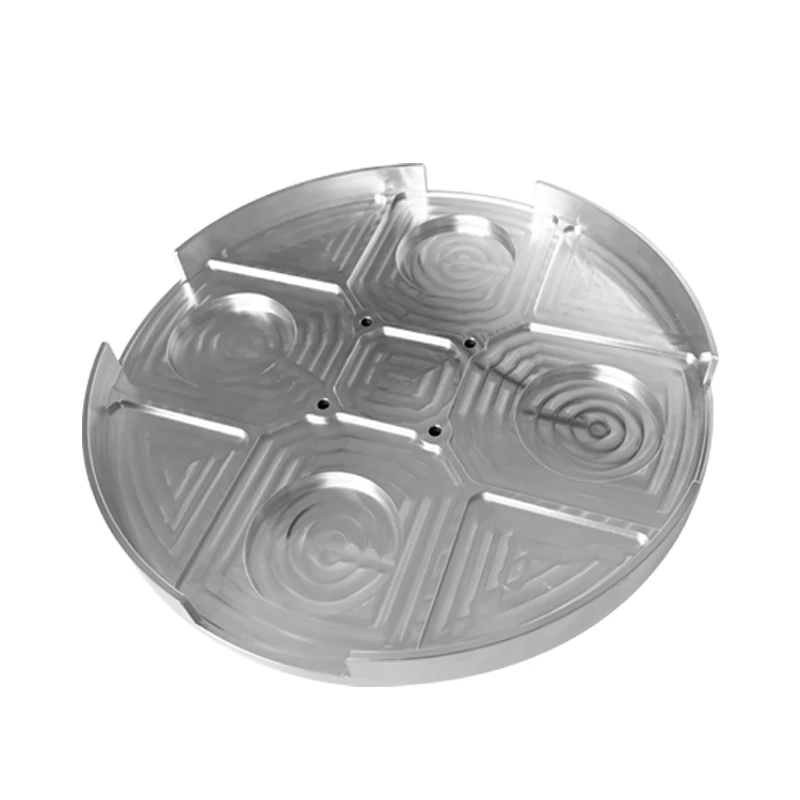
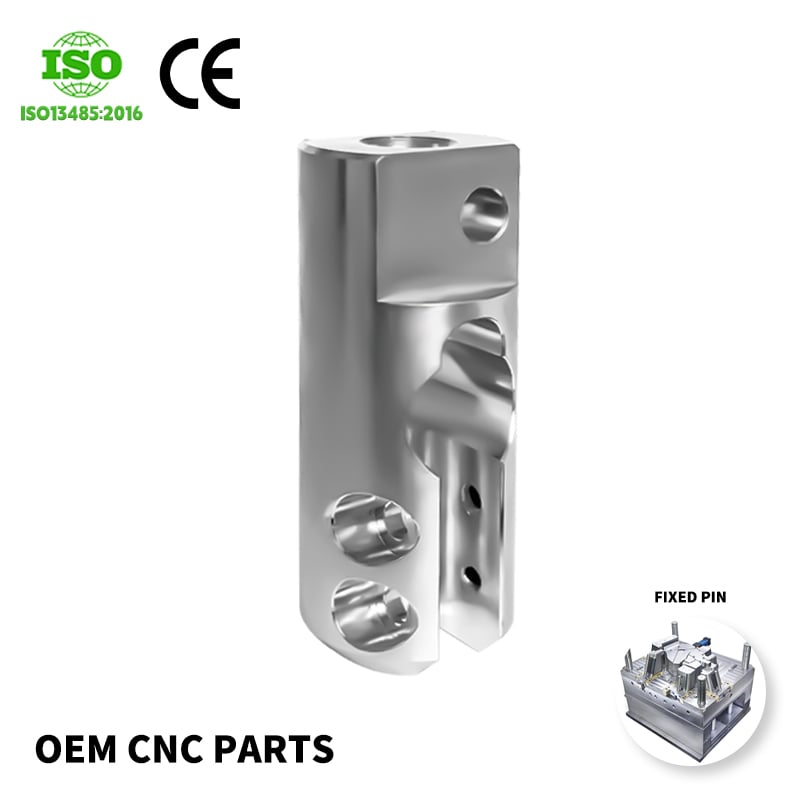
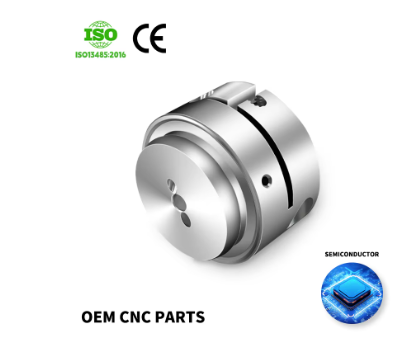
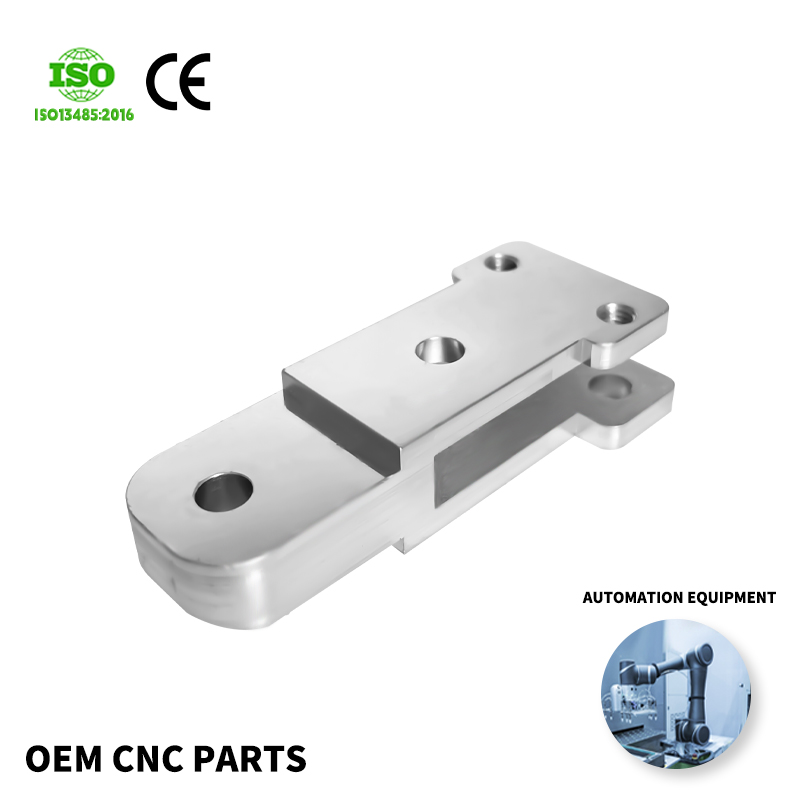
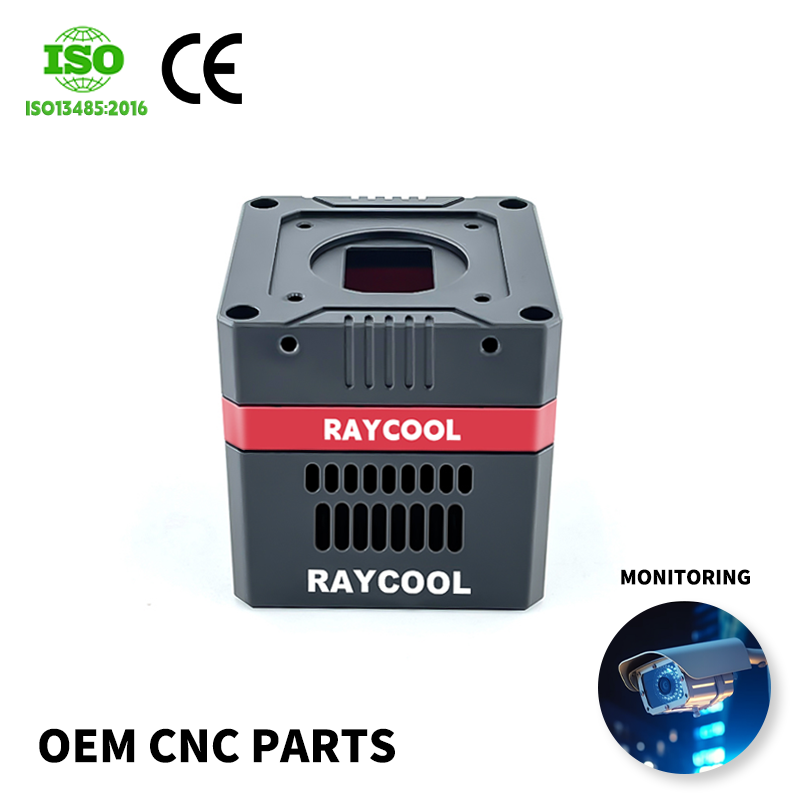
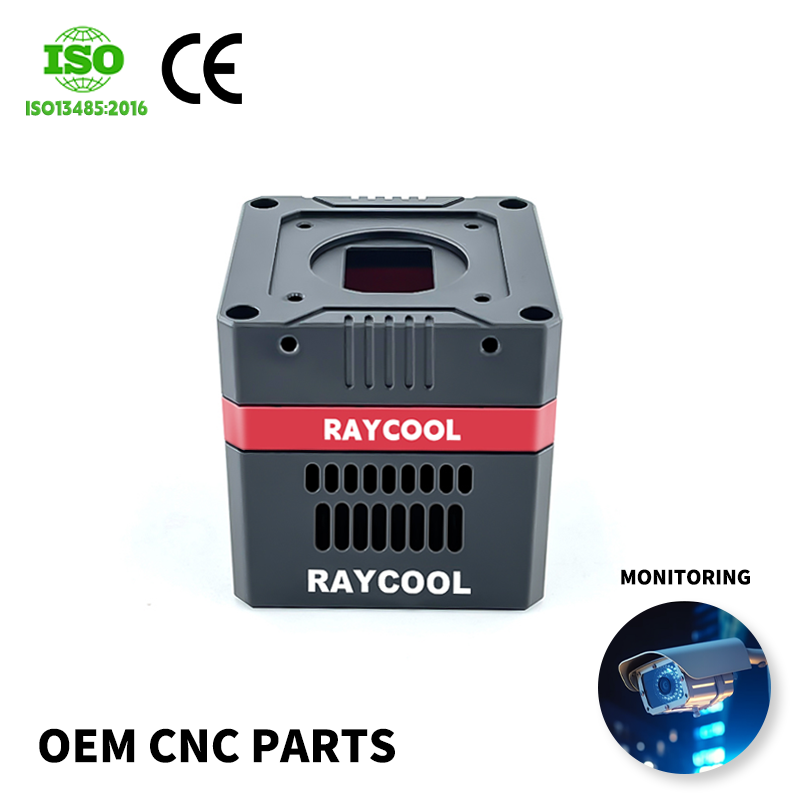
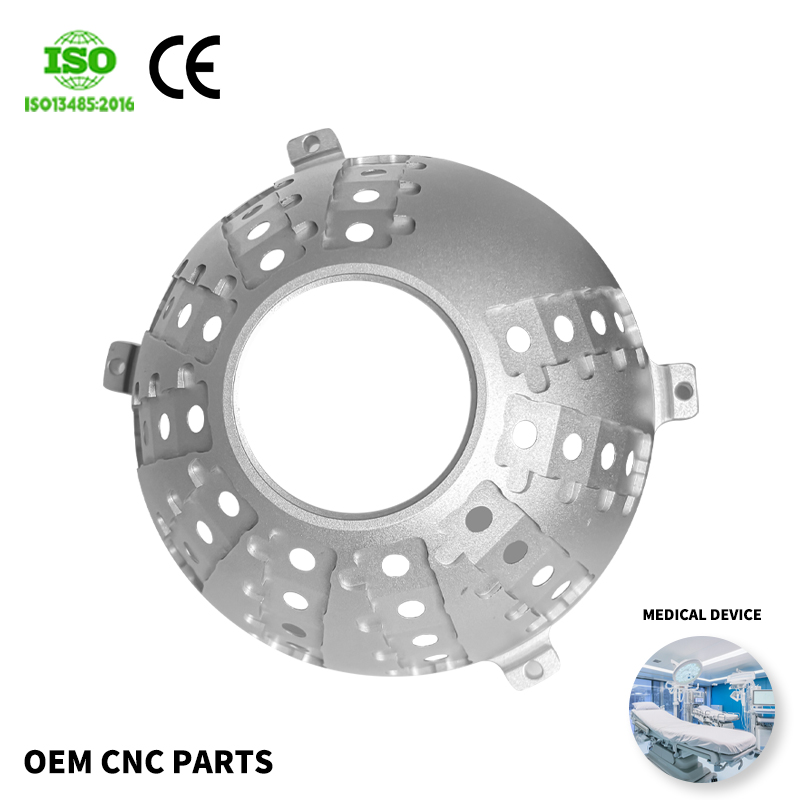
Precision turned parts manufacturers specialize in producing high-accuracy components through advanced CNC turning processes that deliver exceptional dimensional tolerances and surface finishes. These manufacturers utilize state-of-the-art computer numerical control lathes and Swiss-type screw machines to transform raw materials such as metals, plastics, and composites into intricate cylindrical parts with complex geometries. The main function of precision turned parts manufacturers is to create custom components that meet exact specifications for industries requiring tight tolerances, typically ranging from ±0.001 to ±0.0001 inches. Technological features include multi-axis machining capabilities, live tooling integration, automated production systems, and real-time quality monitoring through coordinate measuring machines and optical inspection systems. These manufacturers employ skilled machinists and programmers who optimize cutting parameters, tool paths, and material selection to achieve superior results. Applications span numerous sectors including aerospace, medical devices, automotive systems, electronics, telecommunications, defense equipment, and industrial machinery. Precision turned parts manufacturers produce components such as shafts, pins, fittings, bushings, connectors, fasteners, and specialized hardware that form critical elements in assemblies and mechanisms. Their expertise enables prototype development, low-volume production runs, and high-volume manufacturing with consistent repeatability. By combining technical knowledge with advanced manufacturing technology, precision turned parts manufacturers deliver solutions that meet stringent quality standards while maintaining competitive lead times and cost-effectiveness for demanding applications across global markets.

Popular Products

Working with precision turned parts manufacturers offers significant advantages that directly impact your production efficiency and product quality. These manufacturers provide exceptional dimensional accuracy that eliminates costly rework and assembly issues, ensuring components fit perfectly the first time and reducing overall project timelines. You gain access to sophisticated equipment and technical expertise without capital investment in expensive machinery, allowing you to focus resources on core business activities while receiving professional manufacturing services. The operational benefits include flexible production volumes that accommodate both prototype quantities and large-scale orders, enabling you to scale manufacturing according to market demand without minimum order constraints. Precision turned parts manufacturers maintain rigorous quality control protocols with documented inspection reports and certifications that satisfy regulatory requirements in regulated industries like medical and aerospace sectors. You benefit from material expertise as these manufacturers work with diverse substrates including stainless steel, aluminum, brass, titanium, engineering plastics, and exotic alloys, providing guidance on optimal material selection for specific applications. Fast turnaround capabilities mean you receive components quickly, supporting just-in-time manufacturing strategies and reducing inventory carrying costs. The application suitability extends across industries because precision turned parts manufacturers understand sector-specific requirements and compliance standards, delivering components that integrate seamlessly into your assemblies. Cost-effectiveness results from efficient production processes that minimize material waste and optimize machining time, translating to competitive pricing without compromising quality. Additionally, you receive design support and engineering consultation that helps optimize part geometry for manufacturability, potentially reducing complexity and production costs while maintaining functionality. These combined advantages make precision turned parts manufacturers valuable partners for businesses requiring reliable, high-quality components that meet exacting standards.

Tips And Tricks

Best Practices for Machining Titanium Alloy Components in Precision Manufacturing

05

Dec

Best Practices for Machining Titanium Alloy Components in Precision Manufacturing

Titanium alloys have become indispensable materials in precision manufacturing, particularly in aerospace, medical, and automotive industries where exceptional strength-to-weight ratios and corrosion resistance are paramount. The unique properties of...
View More
CNC Machining Guide: Turning, Milling, and 5-Axis Processes Explained

06

Jan

CNC Machining Guide: Turning, Milling, and 5-Axis Processes Explained

CNC machining represents the backbone of modern manufacturing, transforming raw materials into precision components through computer-controlled cutting processes. This advanced manufacturing technique has revolutionized industries from aerospace to m...
View More
CNC Machining Process Guide: Turning, Milling, and 5-Axis Explained

06

Feb

CNC Machining Process Guide: Turning, Milling, and 5-Axis Explained

Modern manufacturing relies heavily on precision engineering and automated production techniques. CNC machining stands at the forefront of this technological revolution, transforming raw materials into complex components with exceptional accuracy. Fr...
View More
How to Choose Anodized Materials for Industrial Applications?

06

Feb

How to Choose Anodized Materials for Industrial Applications?

Selecting the right anodized materials for industrial applications requires careful consideration of multiple factors that directly impact performance, durability, and cost-effectiveness. Anodized aluminum and other metals have revolutionized manufac...
View More

Get a Free Quote

Our representative will contact you soon.
Email
Name
Company Name
Message
0/1000

precision turned parts manufacturers

Advanced CNC Technology and Multi-Axis Capabilities

Advanced CNC Technology and Multi-Axis Capabilities

Precision turned parts manufacturers invest in cutting-edge computer numerical control equipment that delivers unmatched accuracy and versatility for complex component production. Modern CNC turning centers feature multi-axis simultaneous machining that allows production of intricate geometries in single setups, eliminating multiple operations and reducing dimensional variation caused by part repositioning. These sophisticated machines incorporate live tooling stations that enable milling, drilling, and cross-hole operations while parts remain in the turning spindle, expanding manufacturing possibilities beyond traditional lathe capabilities. The technology includes automatic bar feeders and part catchers that support lights-out manufacturing for extended production runs, maximizing equipment utilization and reducing per-piece costs. Real-time tool monitoring systems detect wear and breakage instantly, preventing defective parts and maintaining consistent quality throughout production batches. Temperature-controlled environments and precision spindle systems ensure thermal stability that maintains tight tolerances even during long machining cycles. This technological superiority means precision turned parts manufacturers can tackle challenging projects involving miniature components, long slender shafts, and parts with complex features that would be impossible or prohibitively expensive using conventional methods, giving you access to advanced manufacturing capabilities that enhance product performance and competitive positioning.
Quality Assurance and Compliance Certification

Quality Assurance and Compliance Certification

Precision turned parts manufacturers implement comprehensive quality management systems that guarantee component reliability and regulatory compliance for critical applications. These manufacturers typically maintain ISO 9001 certification and often hold additional industry-specific certifications such as AS9100 for aerospace, ISO 13485 for medical devices, and IATF 16949 for automotive suppliers, demonstrating commitment to quality standards your industry demands. In-process inspection protocols include statistical process control monitoring that tracks key dimensions throughout production runs, identifying trends before parts drift out of specification and ensuring consistent output. Final inspection utilizes coordinate measuring machines, optical comparators, and surface finish analyzers that verify every critical dimension against blueprint requirements with documented measurement reports accompanying shipments. Material traceability systems track raw material certifications from mill sources through finished components, providing complete documentation chains required for regulated industries and critical applications. Precision turned parts manufacturers maintain calibrated measurement equipment with regular third-party verification, ensuring measurement accuracy and validity. First article inspection services validate new designs before full production begins, catching potential issues early when corrections are least expensive. This rigorous quality focus means you receive components with confidence, reducing incoming inspection burden, minimizing field failures, and protecting brand reputation through reliable performance that meets or exceeds specifications every time.
Engineering Support and Design Optimization

Engineering Support and Design Optimization

Precision turned parts manufacturers offer valuable engineering collaboration that goes beyond simple manufacturing services to become strategic development partners. Experienced application engineers review designs for manufacturability, identifying opportunities to simplify geometry, reduce machining time, or consolidate multiple components into single turned parts that lower assembly costs and improve reliability. These professionals provide material recommendations based on application requirements such as strength, corrosion resistance, wear characteristics, and environmental conditions, ensuring optimal performance while controlling costs. Design for manufacturing analysis examines tolerances to determine which dimensions truly require tight control versus those that can use standard tolerances, reducing inspection requirements and production costs without compromising functionality. Precision turned parts manufacturers can suggest alternative manufacturing approaches such as combining turning with secondary operations, utilizing different machine configurations, or modifying features to improve tool access and reduce cycle times. Prototype services allow testing and validation before committing to production tooling or large quantities, minimizing development risk and enabling design iterations based on actual parts rather than theoretical models. This engineering partnership brings manufacturing perspective into product development early, preventing costly redesigns, accelerating time-to-market, and optimizing total cost of ownership through parts designed specifically for efficient precision turning processes while maintaining all functional requirements your application demands.

Get a Free Quote

Our representative will contact you soon.
Email
Name
Company Name
Message
0/1000

Copyright © 2026 China Shanghai Raycool Industrial Co., Ltd. All rights reserved  -  Privacy policy