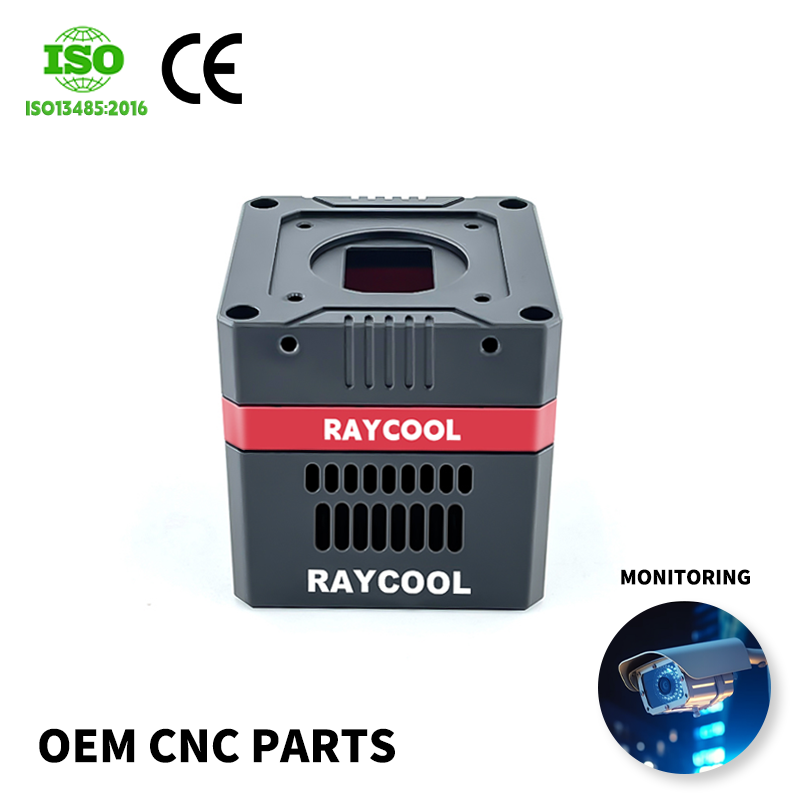
5 Axis Machining Center - Precision & Efficiency

5 axis machining center

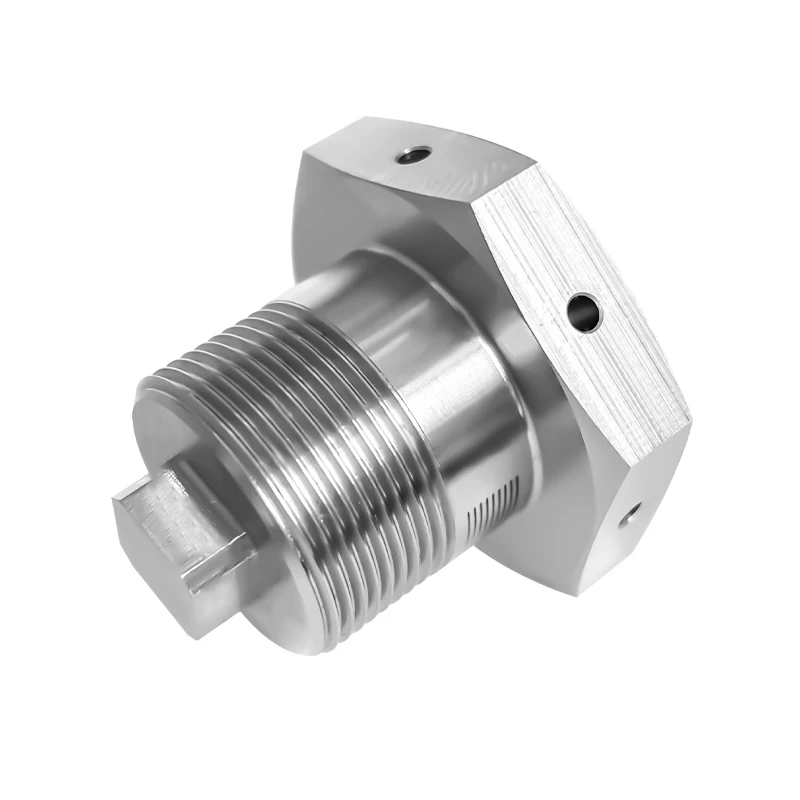
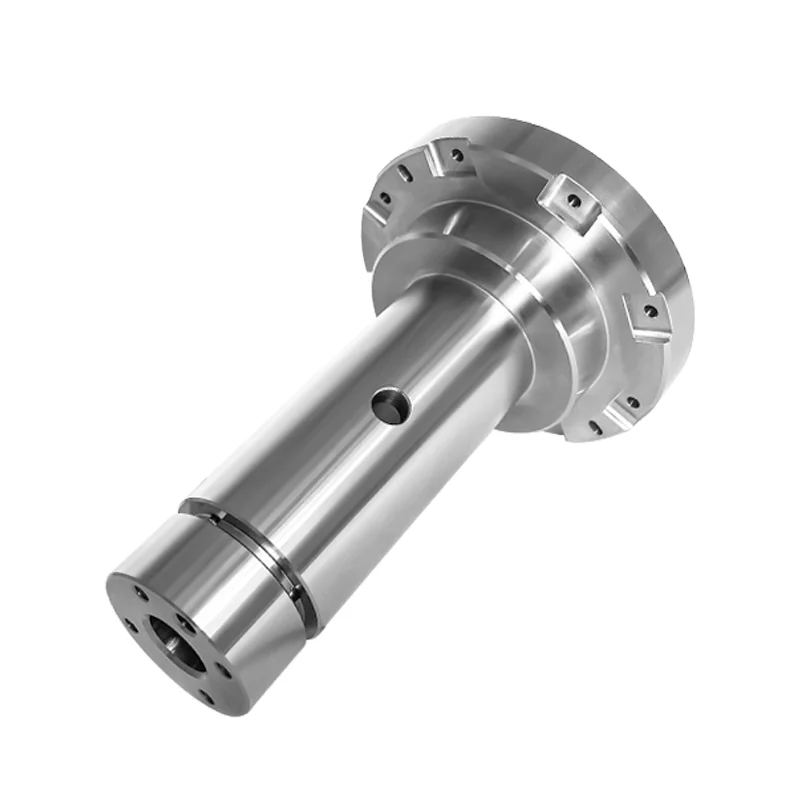
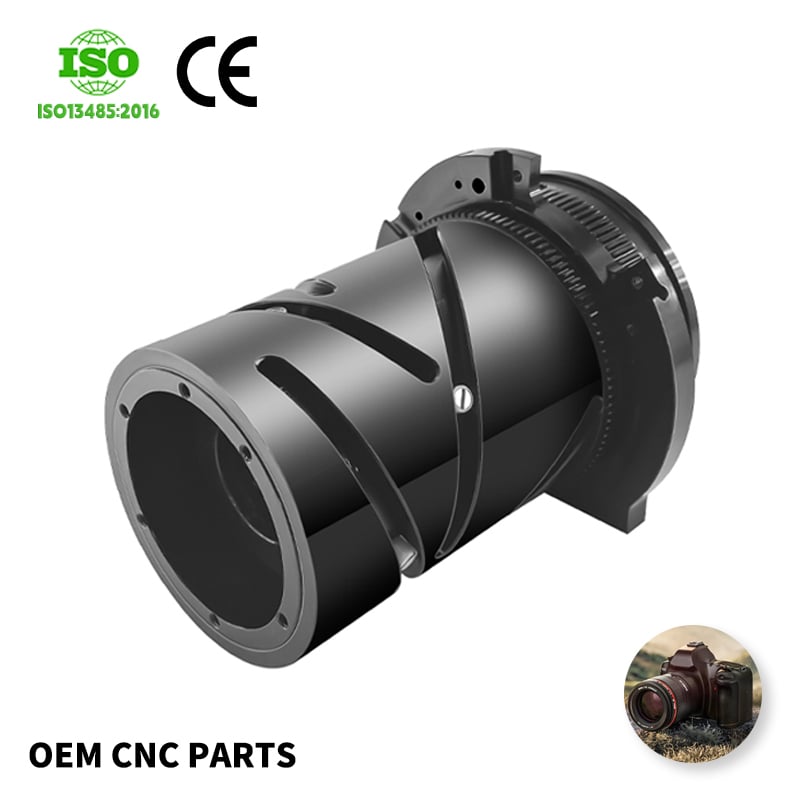
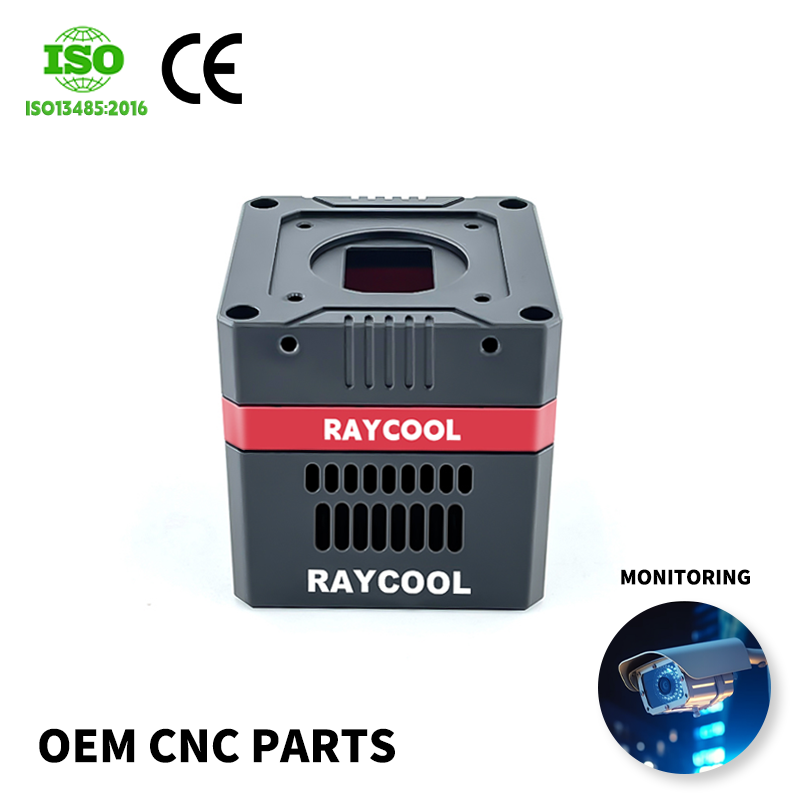
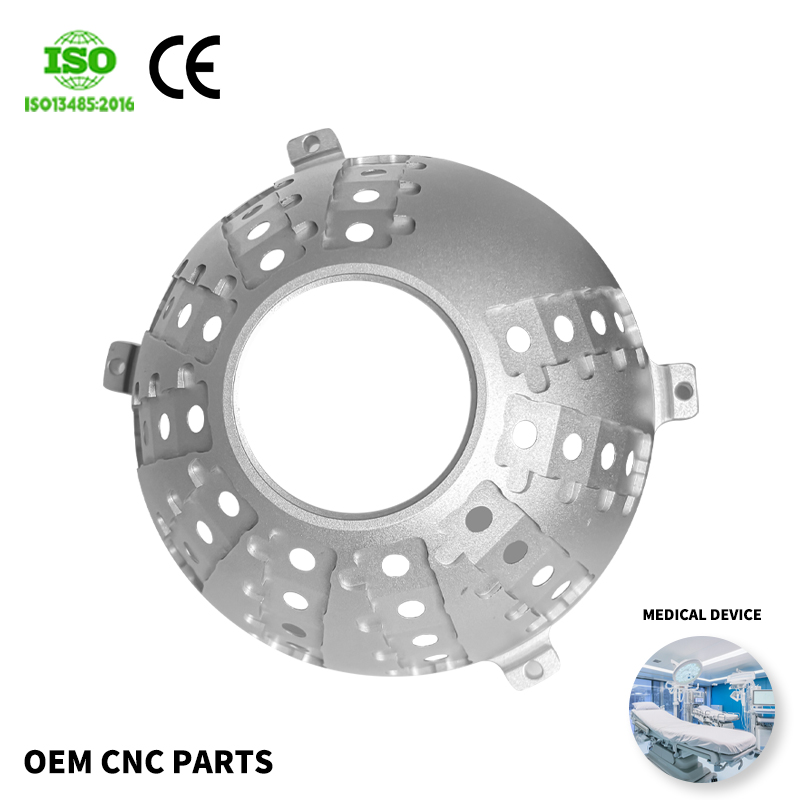
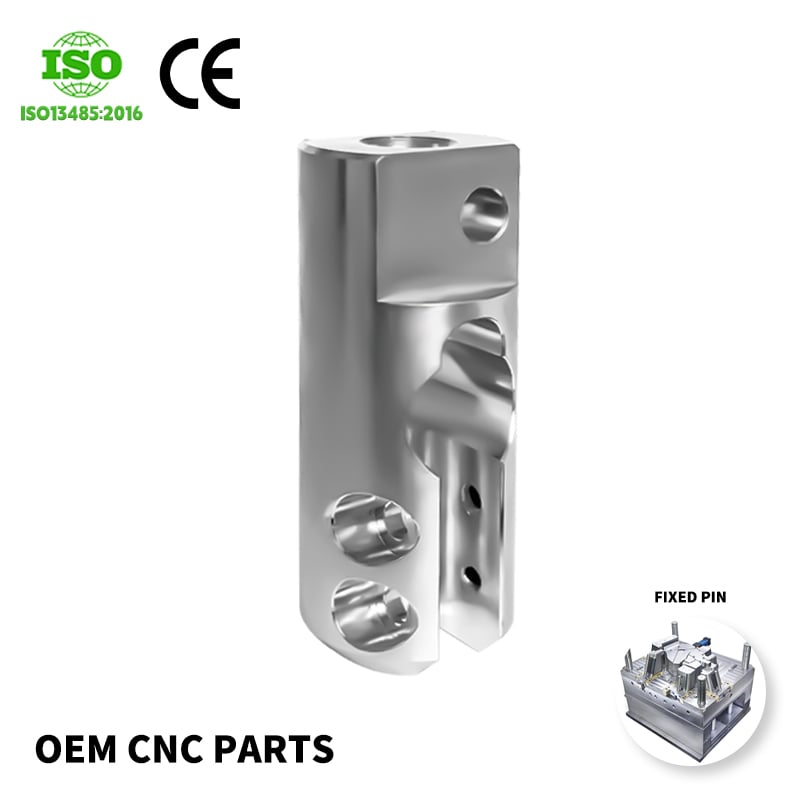
A 5 axis machining center represents advanced manufacturing technology that enables simultaneous movement along five different axes to create complex geometrical components with exceptional precision. Unlike traditional three-axis machines that move along X, Y, and Z coordinates, a 5 axis machining center adds two rotational axes, typically A and B or A and C, allowing the cutting tool or workpiece to approach from virtually any direction. This sophisticated equipment combines computer numerical control technology with multi-directional capability to machine intricate parts in a single setup, eliminating the need for multiple repositioning operations. The main functions include simultaneous five-axis contouring for complex surface machining, indexed five-axis positioning for accurate angle drilling, and continuous interpolation for smooth curved surfaces. Technological features encompass high-speed spindles operating at thousands of RPM, advanced thermal compensation systems maintaining accuracy during extended operations, and intelligent collision detection protecting both tooling and workpieces. Modern 5 axis machining center models integrate automatic tool changers holding dozens of cutting tools, precision linear guides ensuring smooth motion, and sophisticated CAM software translating complex designs into executable machine code. Applications span aerospace component manufacturing where turbine blades and structural parts demand intricate geometries, medical device production requiring biocompatible implants with complex contours, automotive prototyping for engine components, mold and die making for injection molding tools, and energy sector equipment including impellers and compressor components. This technology proves essential wherever manufacturers need to produce parts with undercuts, angled features, or compound curves while maintaining tight tolerances and superior surface finishes.

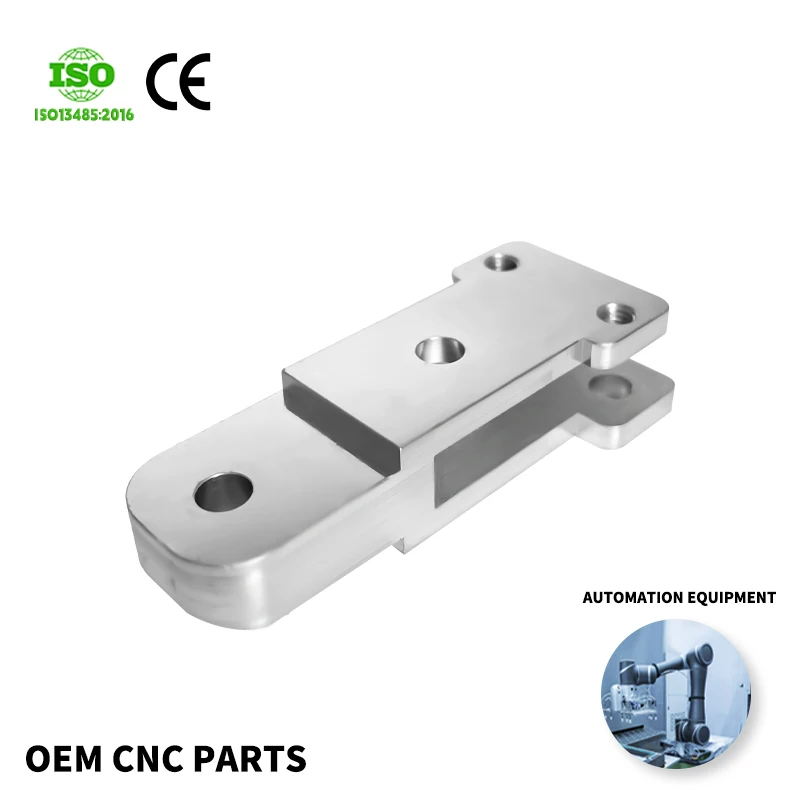
New Products

Investing in a 5 axis machining center delivers substantial operational improvements and cost savings that directly impact your bottom line. The most significant advantage lies in reduced setup time, as components requiring multiple operations on conventional machines can be completed in one setup, cutting production time by up to seventy percent and eliminating cumulative positioning errors between operations. This single-setup capability means faster turnaround for your orders and improved delivery schedules that strengthen customer relationships. The enhanced accuracy achieved through continuous tool engagement with the workpiece ensures consistent quality across production runs, reducing scrap rates and rework costs that drain profitability. Your operators benefit from simplified workflows since the machine handles complex angle calculations automatically, reducing human error and allowing skilled personnel to manage multiple projects simultaneously. The 5 axis machining center excels at creating parts with complex geometries that would be impossible or prohibitively expensive using traditional methods, opening new market opportunities for your business. Tool life extends considerably because optimal cutting angles maintain consistent chip loads and reduce tool deflection, lowering your consumable costs while maintaining superior surface finishes that often eliminate secondary finishing operations. Energy efficiency improves as consolidated machining operations consume less power than running multiple machines for sequential operations. The versatility of a 5 axis machining center accommodates diverse materials from aluminum and titanium to hardened steels and exotic alloys, making it suitable for industries ranging from aerospace and medical to automotive and energy. Floor space optimization becomes possible as one machine replaces multiple conventional units, reducing facility costs and simplifying workflow management. The competitive advantage gained through faster production, higher quality, and expanded capability often justifies the investment within two to three years for medium to high-volume manufacturers.

Latest News

Future Trends in Custom CNC Machining: What to Expect

26

Nov

Future Trends in Custom CNC Machining: What to Expect

AI and Machine Learning Revolutionizing Custom CNC Machining Adaptive Machining Processes for Custom CNC Parts AI is playing a pivotal role in revolutionizing custom CNC machining through adaptive processes. By leveraging AI algorithms, CNC machines...
View More
Optimizing Low-Volume Production with Multi-Process CNC Machining

06

Jan

Optimizing Low-Volume Production with Multi-Process CNC Machining

Manufacturing precision components for specialized industries requires sophisticated approaches that balance quality, efficiency, and cost-effectiveness. Multi-process CNC machining has emerged as a transformative solution for low-volume production r...
View More
5-Axis Machining Advantages for Complex Parts and Precision Manufacturing

06

Feb

5-Axis Machining Advantages for Complex Parts and Precision Manufacturing

Modern manufacturing demands have pushed the boundaries of traditional machining methods, leading to revolutionary advances in precision engineering. 5-Axis Machining has emerged as the gold standard for producing complex geometries and intricate com...
View More
How to Choose Anodized Materials for Industrial Applications?

06

Feb

How to Choose Anodized Materials for Industrial Applications?

Selecting the right anodized materials for industrial applications requires careful consideration of multiple factors that directly impact performance, durability, and cost-effectiveness. Anodized aluminum and other metals have revolutionized manufac...
View More

Get a Free Quote

Our representative will contact you soon.
Email
Name
Company Name
Message
0/1000

5 axis machining center

Superior Geometric Complexity and Precision

Superior Geometric Complexity and Precision

The defining characteristic of a 5 axis machining center lies in its ability to machine extraordinarily complex geometries that remain inaccessible to conventional equipment. By simultaneously controlling five axes of motion, these machines create undercuts, angled holes, compound curves, and intricate three-dimensional surfaces without repositioning the workpiece. This capability proves invaluable when manufacturing aerospace components like turbine blades with twisted airfoil profiles, medical implants requiring anatomical contours, or artistic sculptures demanding flowing organic shapes. The continuous tool orientation relative to the work surface maintains optimal cutting conditions throughout the operation, ensuring consistent surface quality across all features regardless of their spatial orientation. Elimination of multiple setups removes the accumulated positioning errors inherent in traditional machining sequences, resulting in dimensional accuracy within microns rather than hundredths of millimeters. This precision translates directly into better fitting assemblies, improved product performance, and reduced rejection rates. Manufacturers gain the freedom to design parts optimized for function rather than manufacturing limitations, enabling innovation that differentiates products in competitive markets while maintaining the tight tolerances essential for modern engineering applications.
Dramatic Reduction in Production Time

Dramatic Reduction in Production Time

Time savings represent one of the most compelling economic advantages when implementing a 5 axis machining center in your manufacturing operation. Traditional machining approaches require multiple setups as the workpiece gets repositioned to access different features, with each setup consuming valuable production time for fixture changes, alignment verification, and first-piece inspection. A 5 axis machining center eliminates these interruptions by accessing nearly all part features from a single clamping position, compressing what might take days on conventional equipment into hours of continuous machining. This consolidation accelerates project completion, enabling faster response to customer demands and shorter lead times that create competitive advantages in time-sensitive markets. The reduction in handling between operations also minimizes opportunities for workpiece damage, further improving yield rates and reducing costly scrap. Automated tool changing systems allow dozens of different cutting tools to be deployed during a single program without operator intervention, maximizing spindle utilization and enabling lights-out manufacturing for extended productivity. Programming efficiency improves as well, since CAM software for 5 axis machining center operations generates complete machining sequences that operators execute without manual intervention, reducing the skilled labor requirements per part while maintaining consistent results across production batches.
Enhanced Tool Life and Surface Quality

Enhanced Tool Life and Surface Quality

The rotational capabilities of a 5 axis machining center enable optimal tool positioning that extends cutting tool life while simultaneously improving surface finish quality. By tilting the spindle or rotating the workpiece to maintain ideal cutting angles, the machine ensures that tools engage material at the most efficient orientation, distributing wear evenly across cutting edges and preventing the concentrated stress that causes premature tool failure. This optimized engagement reduces cutting forces, minimizes vibration, and allows higher material removal rates without sacrificing tool longevity, directly lowering your per-part tooling costs. The ability to use shorter, more rigid tools when accessing complex features further reduces deflection and chatter, producing superior surface finishes that often meet final specifications without secondary polishing or grinding operations. Consistent chip evacuation resulting from proper tool angles prevents chip re-cutting that degrades surface quality and accelerates tool wear. These surface quality improvements prove particularly valuable in industries like medical device manufacturing where surface finish affects biocompatibility, or aerospace applications where surface integrity impacts fatigue life. The combination of extended tool life and elimination of finishing operations generates substantial cost savings while improving throughput and product quality.

Get a Free Quote

Our representative will contact you soon.
Email
Name
Company Name
Message
0/1000

Copyright © 2026 China Shanghai Raycool Industrial Co., Ltd. All rights reserved  -  Privacy policy