five axis machining
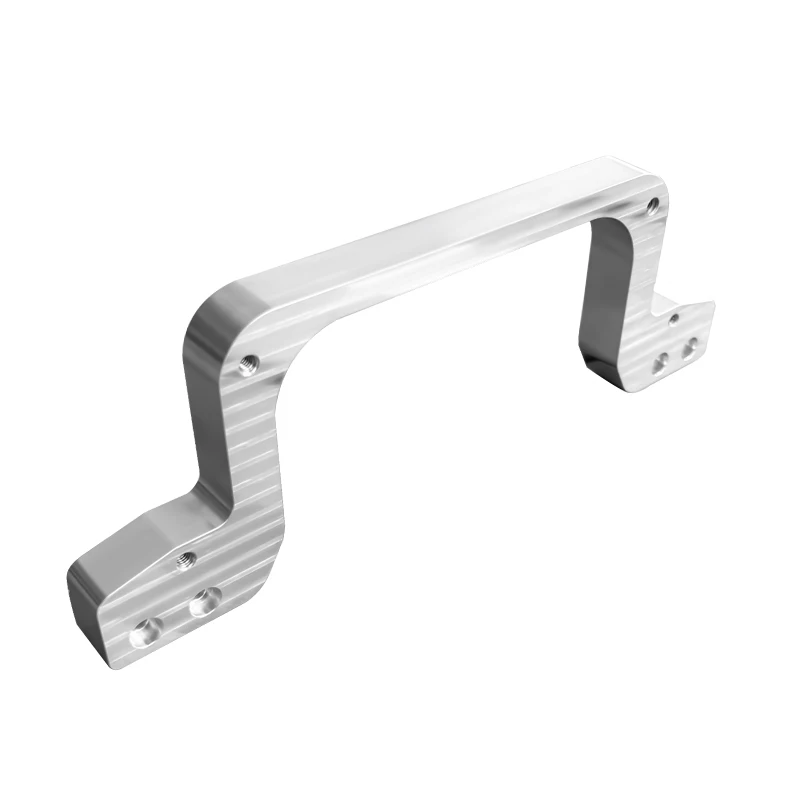
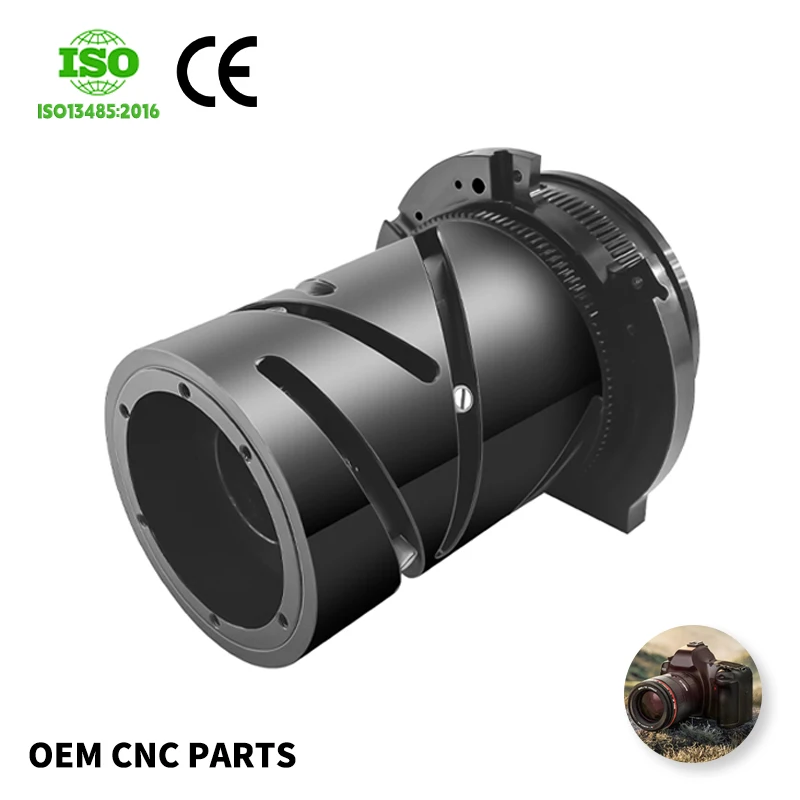
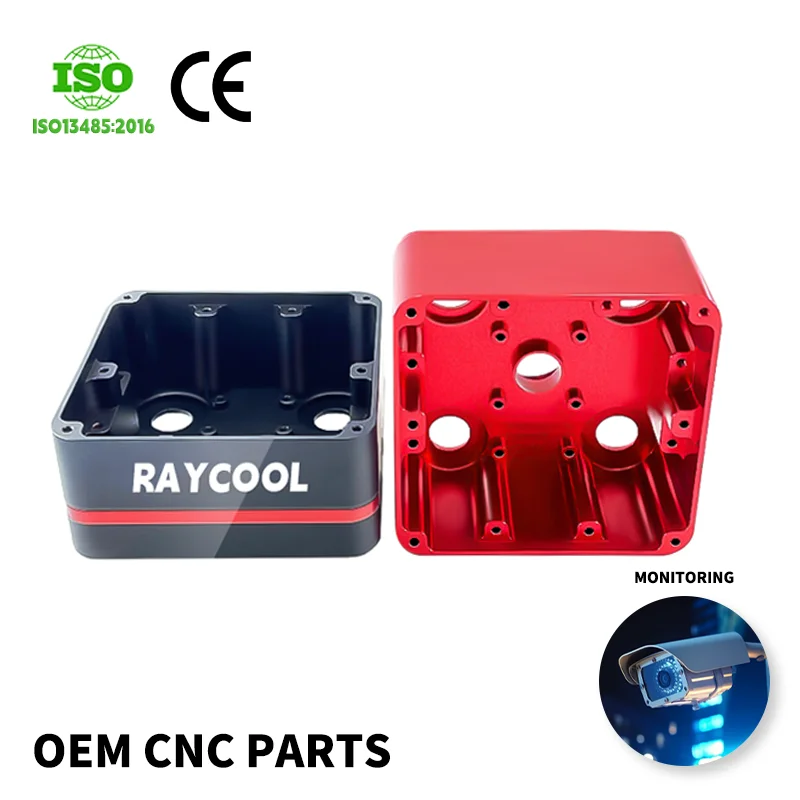
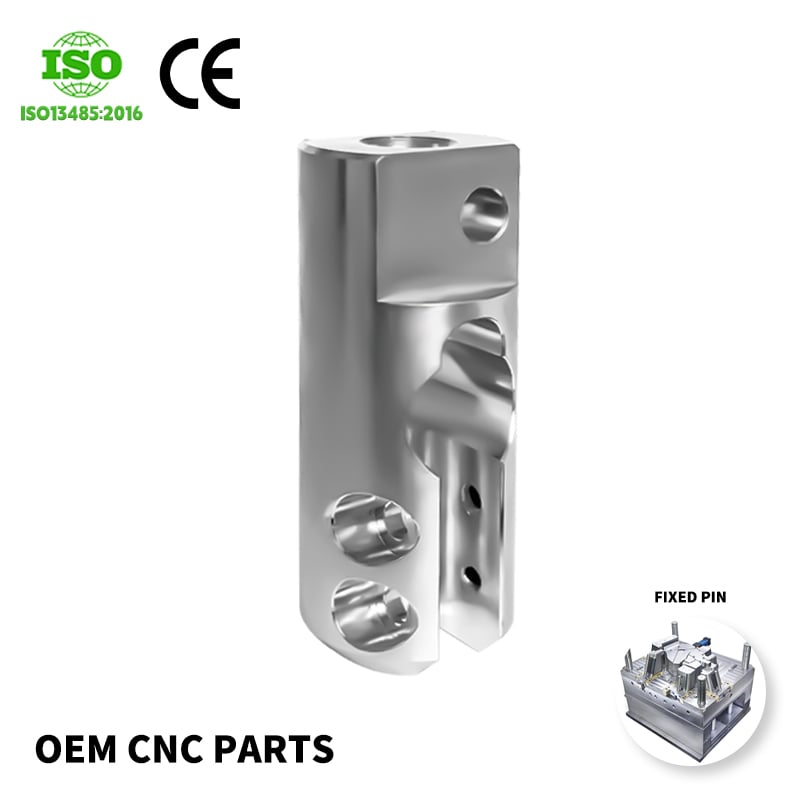
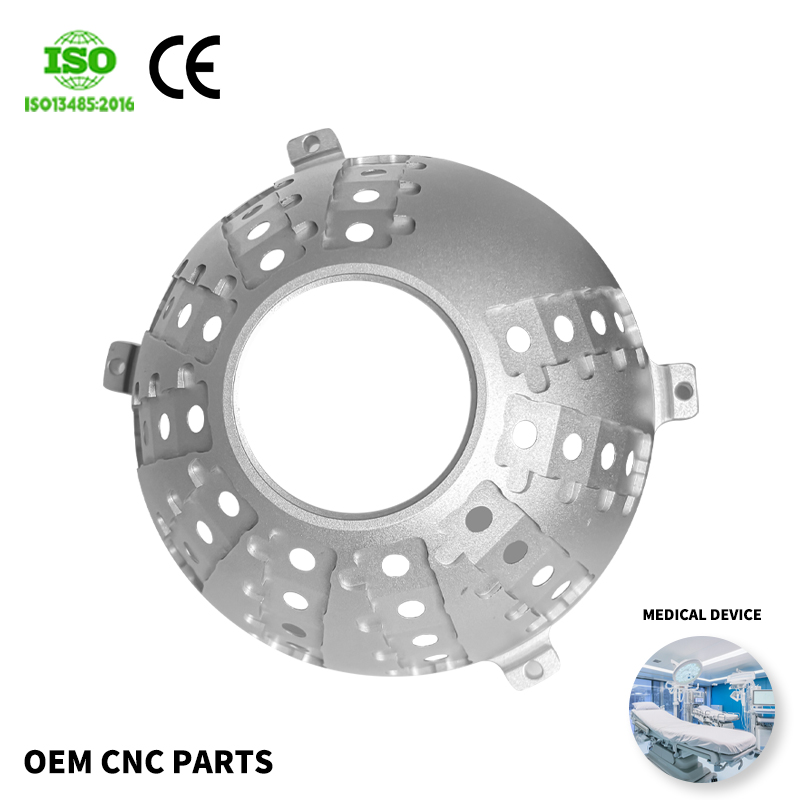
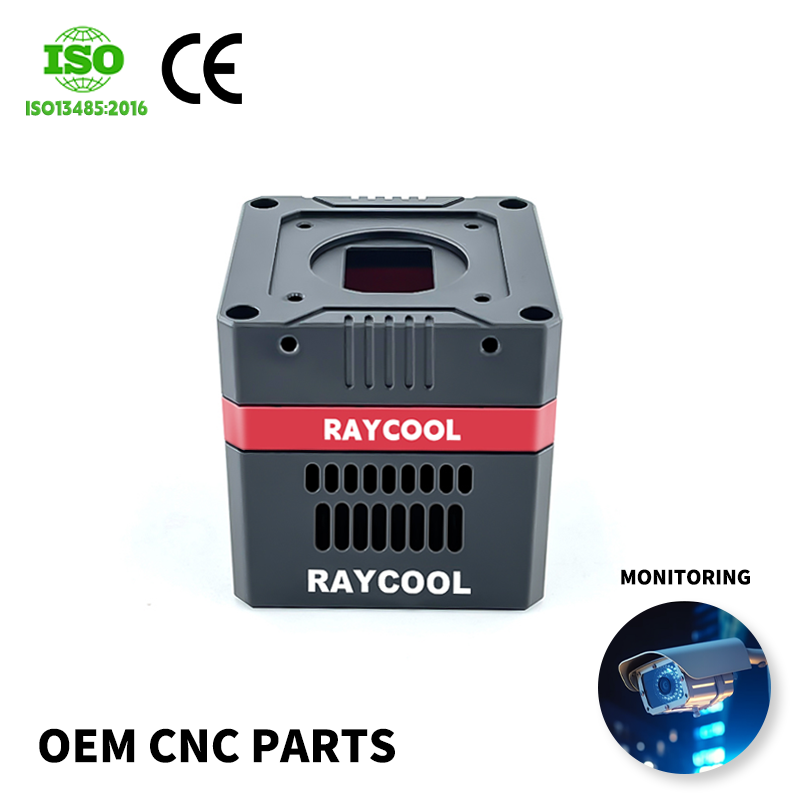
Five axis machining represents an advanced manufacturing technology that enables cutting tools to move across five different axes simultaneously. This sophisticated process allows manufacturers to create complex geometries and intricate parts with exceptional precision. Unlike traditional three axis machining, five axis machining adds rotational movements along two additional axes, typically labeled as A and B axes, which work in conjunction with the linear X, Y, and Z axes. This capability eliminates the need for multiple setups and repositioning of workpieces during production. The technology excels at producing components with compound angles, undercuts, and complex contoured surfaces that would be challenging or impossible to achieve with conventional methods. Five axis machining finds applications across diverse industries including aerospace, automotive, medical device manufacturing, energy sector, and precision mold making. The main functions include simultaneous multi-axis interpolation, continuous surface machining, and automated tool orientation adjustment. Technological features encompass advanced CAM software integration, real-time collision detection systems, automatic work offset compensation, and high-speed spindle capabilities. The process significantly reduces production time while maintaining tight tolerances and superior surface finishes. Modern five axis machining centers incorporate thermal compensation technology and precision feedback systems to ensure consistent quality throughout production runs. This manufacturing solution transforms how engineers approach complex part design and production challenges.