Precision CNC Turned Components Manufacturing

precision cnc turned components

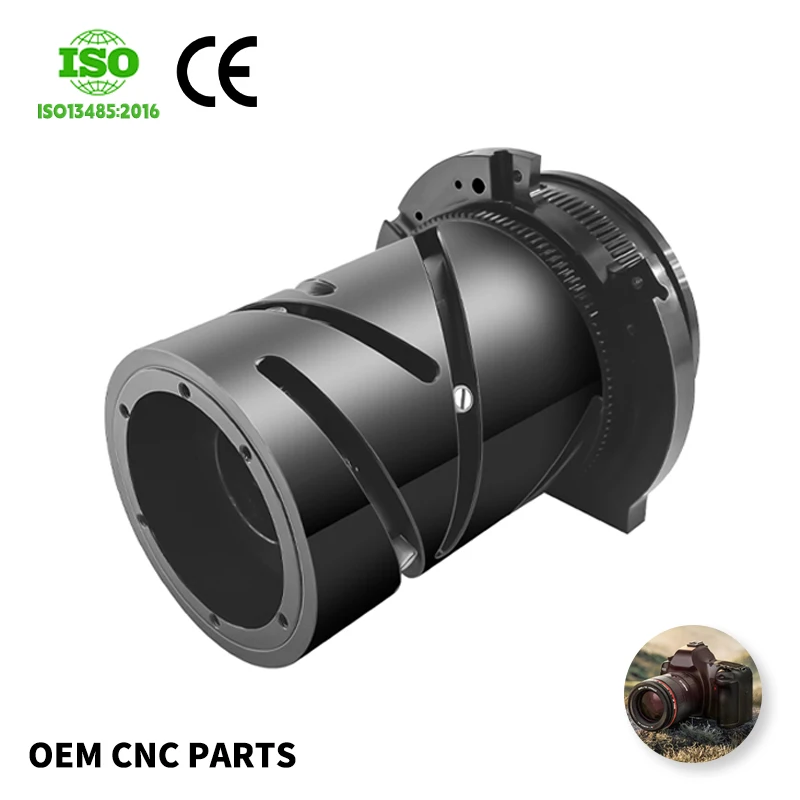
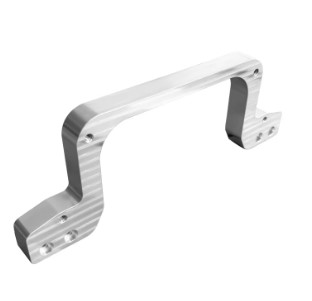
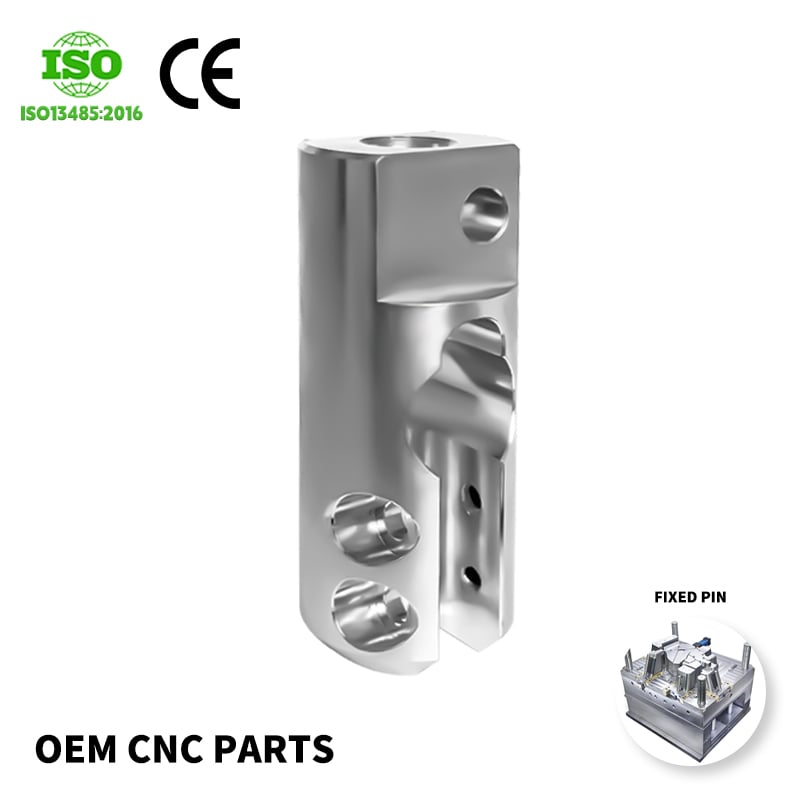
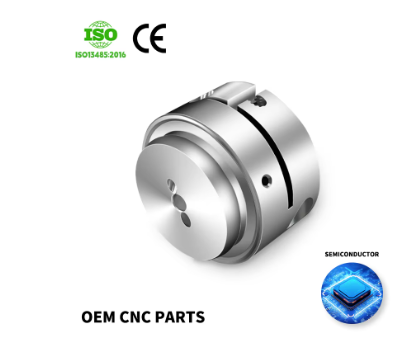
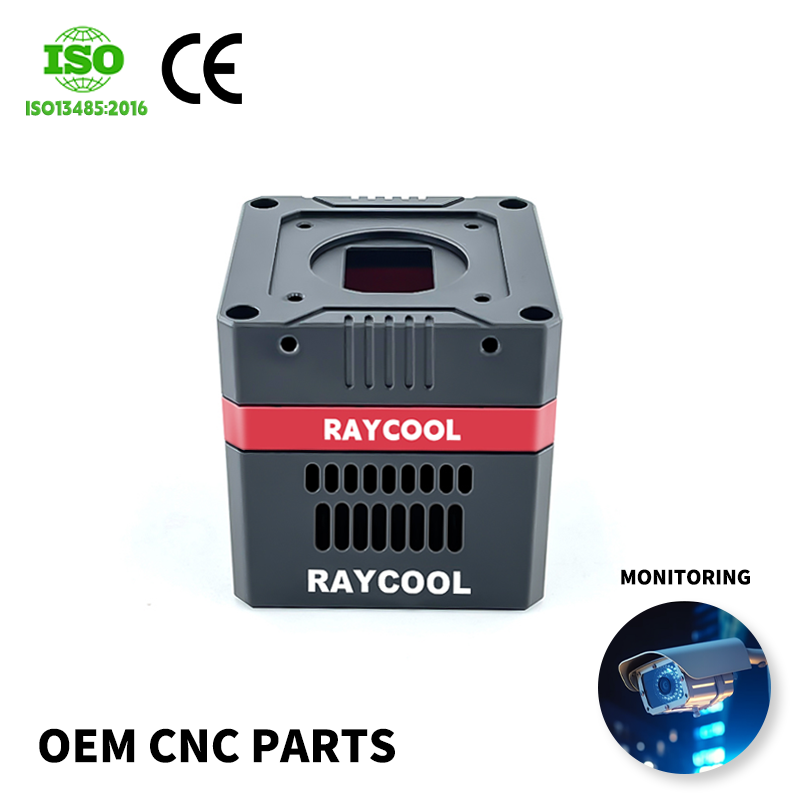
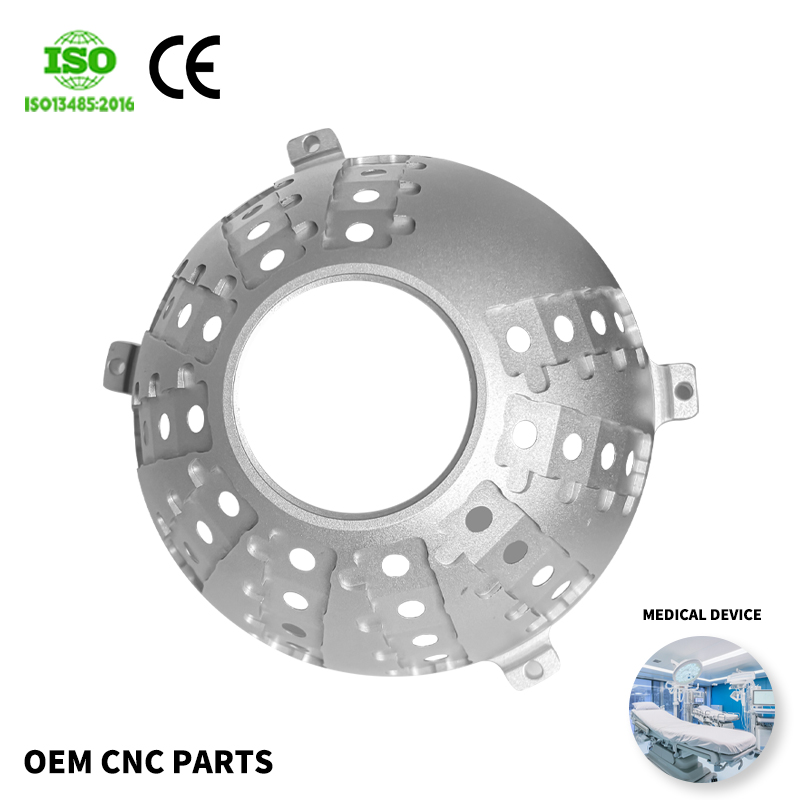
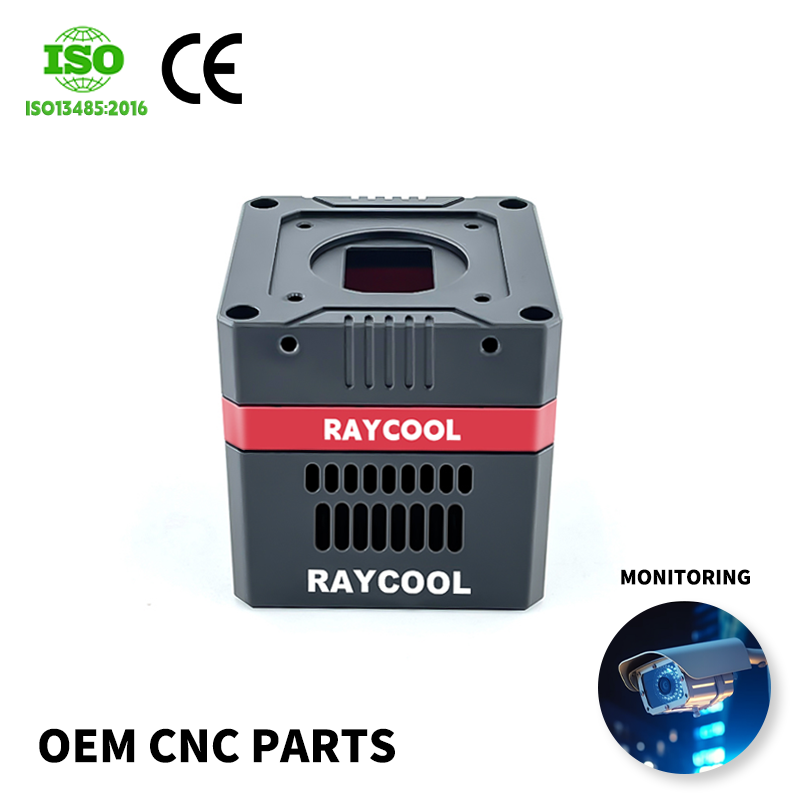
Precision CNC turned components are high-accuracy mechanical parts manufactured using Computer Numerical Control turning technology. These components are produced by rotating raw material stock while cutting tools shape the workpiece to exact specifications. The CNC turning process creates cylindrical or conical parts with exceptional dimensional accuracy, typically achieving tolerances within microns. The main functions of precision cnc turned components include serving as critical elements in mechanical assemblies, facilitating motion transmission, ensuring proper fitment between mating parts, and maintaining structural integrity under operational stress. Technological features distinguish these components through advanced multi-axis machining capabilities, automated tool changing systems, real-time quality monitoring, and sophisticated CAD/CAM programming that ensures repeatability across production runs. Modern CNC turning centers can handle complex geometries including threads, grooves, tapers, and contoured surfaces in a single setup, minimizing handling errors and maximizing efficiency. Materials commonly processed range from aluminum and brass to hardened steel, titanium, and engineering plastics. Applications for precision cnc turned components span numerous industries including aerospace, automotive, medical devices, electronics, hydraulics, pneumatics, and industrial machinery. These components appear as shafts, bushings, pins, fittings, connectors, spacers, and custom fasteners. The versatility of CNC turning technology enables manufacturers to produce both prototype quantities and high-volume production runs while maintaining consistent quality standards that meet stringent industry certifications and customer specifications.

New Product Releases

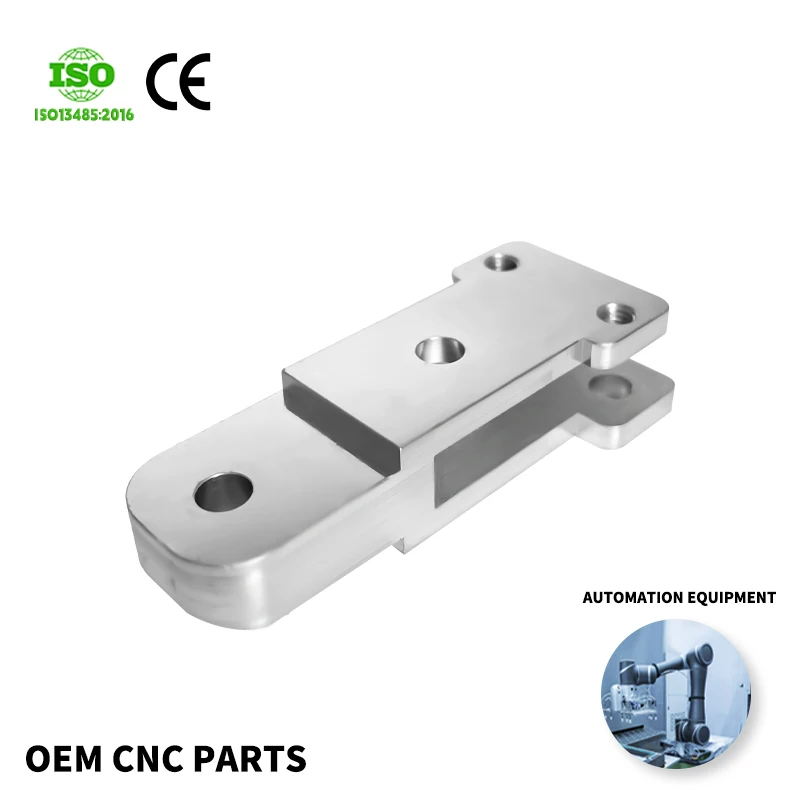
Choosing precision cnc turned components delivers significant value through multiple practical benefits that directly impact your operational success and bottom line. First, you gain exceptional dimensional accuracy that ensures perfect fitment every time, eliminating costly assembly delays and reducing rejection rates. This reliability translates to lower warranty claims and enhanced product reputation in your market. The automated nature of CNC turning provides remarkable consistency across thousands of identical parts, meaning your first component matches your ten-thousandth component with virtually no variation. This repeatability allows you to maintain quality standards without constant inspection overhead. Production flexibility represents another major advantage, as precision cnc turned components can be manufactured in quantities ranging from single prototypes to millions of units without requiring expensive tooling changes or setup modifications. You benefit from faster time-to-market since CNC programming adapts quickly to design revisions, enabling rapid prototyping and iterative development cycles. Material efficiency improves your cost structure because CNC turning optimizes material usage and minimizes waste through precise cutting paths. The broad material compatibility means you can select the optimal substance for your specific application requirements, whether prioritizing weight reduction, corrosion resistance, strength, or cost. Complex geometries that would require multiple operations with conventional machining can be completed in single setups with precision cnc turned components, reducing handling risks and cumulative tolerancing errors. Surface finish quality achieves levels suitable for both functional performance and aesthetic presentation without secondary operations. Lead times compress significantly compared to traditional manufacturing methods, and you avoid the capital investment of maintaining in-house turning capabilities while accessing state-of-the-art equipment through specialized manufacturers.

Latest News

Unlocking Precision: The Power of Custom CNC Machining

26

Nov

Unlocking Precision: The Power of Custom CNC Machining

Precision and Accuracy in Custom CNC Operations Achieving Micron-Level Tolerances Micron-level tolerances are crucial in high-precision industries like aerospace and medical devices, where even minute discrepancies can impact performance and safety....
View More
Best Practices for Machining Titanium Alloy Components in Precision Manufacturing

05

Dec

Best Practices for Machining Titanium Alloy Components in Precision Manufacturing

Titanium alloys have become indispensable materials in precision manufacturing, particularly in aerospace, medical, and automotive industries where exceptional strength-to-weight ratios and corrosion resistance are paramount. The unique properties of...
View More
CNC Machining Guide: Turning, Milling, and 5-Axis Processes Explained

06

Jan

CNC Machining Guide: Turning, Milling, and 5-Axis Processes Explained

CNC machining represents the backbone of modern manufacturing, transforming raw materials into precision components through computer-controlled cutting processes. This advanced manufacturing technique has revolutionized industries from aerospace to m...
View More
How to Choose Anodized Materials for Industrial Applications?

06

Feb

How to Choose Anodized Materials for Industrial Applications?

Selecting the right anodized materials for industrial applications requires careful consideration of multiple factors that directly impact performance, durability, and cost-effectiveness. Anodized aluminum and other metals have revolutionized manufac...
View More

Get a Free Quote

Our representative will contact you soon.
Email
Name
Company Name
Message
0/1000

precision cnc turned components

Unmatched Dimensional Accuracy and Tolerance Control

Unmatched Dimensional Accuracy and Tolerance Control

The defining characteristic of precision cnc turned components lies in their extraordinary dimensional accuracy, consistently achieving tolerances as tight as plus or minus 0.0001 inches or 2.5 microns. This level of precision stems from computer-controlled servo motors that position cutting tools with microscopic exactness, eliminating human error inherent in manual machining operations. Advanced feedback systems continuously monitor tool position and automatically compensate for thermal expansion, tool wear, and material variations throughout the production cycle. This technological sophistication ensures that critical dimensions remain within specification from the first part to the last, regardless of batch size. For applications where component interaction determines system performance, such as hydraulic valves, bearing assemblies, or precision instruments, this accuracy proves essential. Tight tolerances prevent leakage, reduce friction, eliminate play in mechanical systems, and extend operational lifespan. Manufacturers benefit from reduced scrap rates and assembly simplification, while end users experience improved reliability and performance consistency. The capability to hold demanding tolerances across complex geometries including multiple diameters, intricate thread forms, and precise angular features makes precision cnc turned components indispensable for modern engineering applications where performance margins continue narrowing.
Superior Surface Finish and Material Versatility

Superior Surface Finish and Material Versatility

Precision cnc turned components deliver exceptional surface finishes ranging from functional machined surfaces to mirror-polished finishes below 8 microinches Ra, often eliminating secondary finishing operations entirely. The controlled cutting environment, optimized tool geometry, precise spindle speeds, and programmable feed rates combine to produce surfaces with minimal tool marks, consistent texture, and excellent geometric form. This surface quality impacts both functional performance and aesthetic appeal, reducing friction in dynamic applications, preventing contamination trapping in medical or food-grade components, and providing ready-to-use cosmetic surfaces for visible parts. Material versatility further distinguishes these components, as modern CNC turning centers process an extensive range of engineering materials including aluminum alloys, stainless steels, brass, bronze, titanium, exotic alloys like Inconel, engineering plastics such as PEEK and Delrin, and even challenging materials like hardened tool steels. Each material can be machined with optimized parameters that maximize tool life while achieving specified surface characteristics. This flexibility enables designers to select materials based purely on performance requirements rather than manufacturing constraints, facilitating lightweighting initiatives, corrosion resistance needs, biocompatibility demands, or cost optimization strategies without compromising on achievable precision or geometry complexity.
Rapid Production and Scalability Advantages

Rapid Production and Scalability Advantages

The efficiency of producing precision cnc turned components provides significant competitive advantages through compressed lead times and seamless scalability from prototyping through full production. Once programmed, CNC turning centers operate with minimal human intervention, running lights-out shifts and weekend operations to maximize throughput. Setup times that once consumed hours in traditional machining now require minutes with modern quick-change tooling systems and automated work-holding solutions. This operational efficiency translates directly to cost savings that manufacturers pass along as competitive pricing. The digital nature of CNC programming enables rapid design iteration, allowing engineers to refine component geometry and test functional variations without investing in dedicated tooling or fixtures. Prototypes can be produced within days rather than weeks, accelerating product development cycles and reducing time-to-market for new offerings. When designs transition from prototype to production, the same proven CNC programs scale effortlessly to higher volumes while maintaining identical quality characteristics. This consistency eliminates the variability often encountered when transitioning between different manufacturing processes. Additional capacity can be added without geometric limitations since precision cnc turned components production scales horizontally across multiple machines rather than requiring specialized high-volume tooling investments, providing flexibility to respond to demand fluctuations while controlling capital expenditure.

Get a Free Quote

Our representative will contact you soon.
Email
Name
Company Name
Message
0/1000

Copyright © 2026 China Shanghai Raycool Industrial Co., Ltd. All rights reserved  -  Privacy policy