Turned Components Manufacturers | Precision Parts

turned components manufacturers

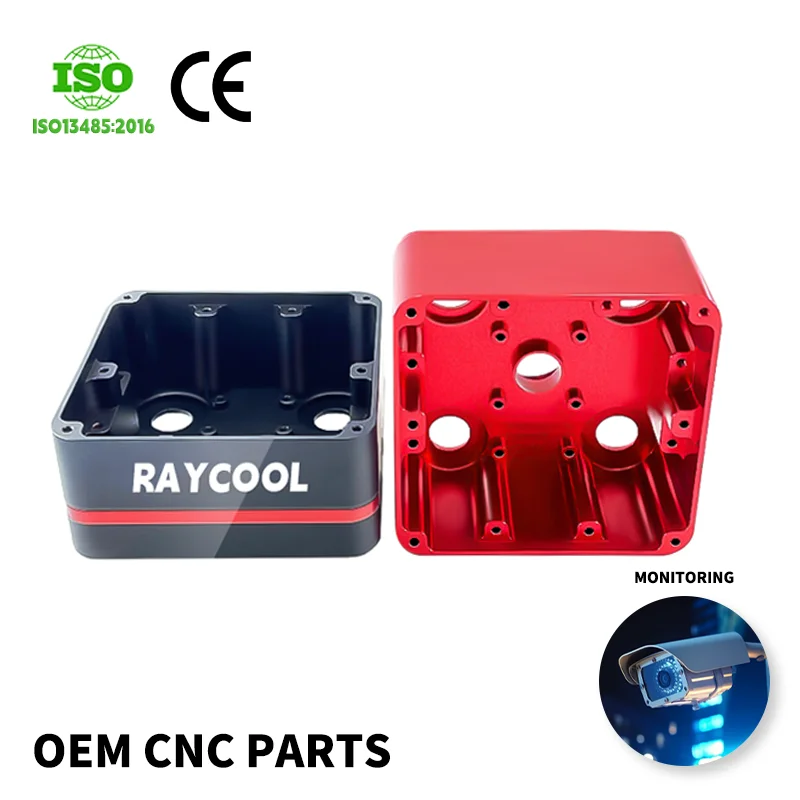
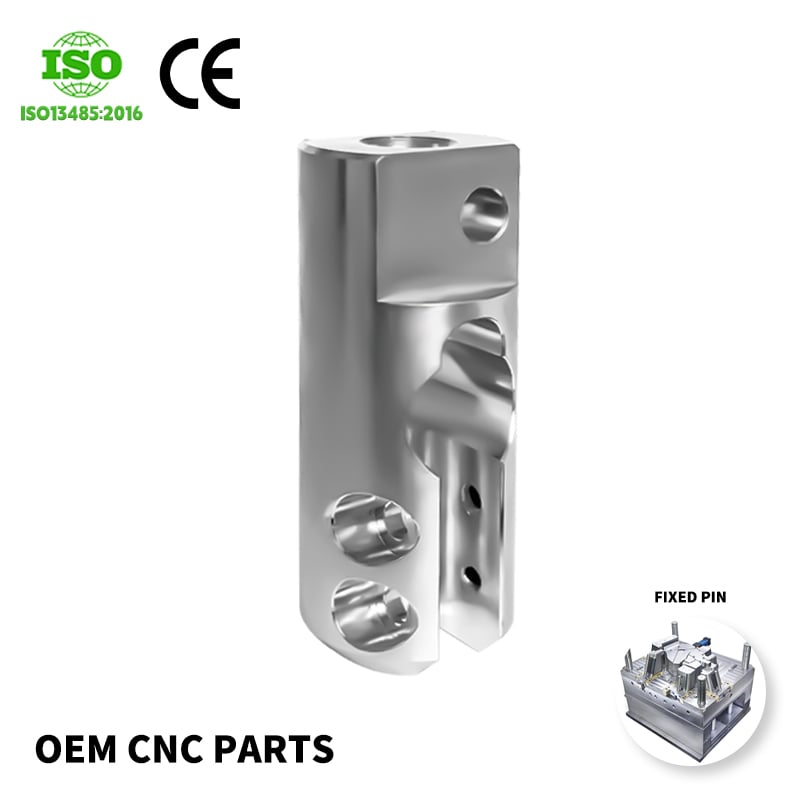
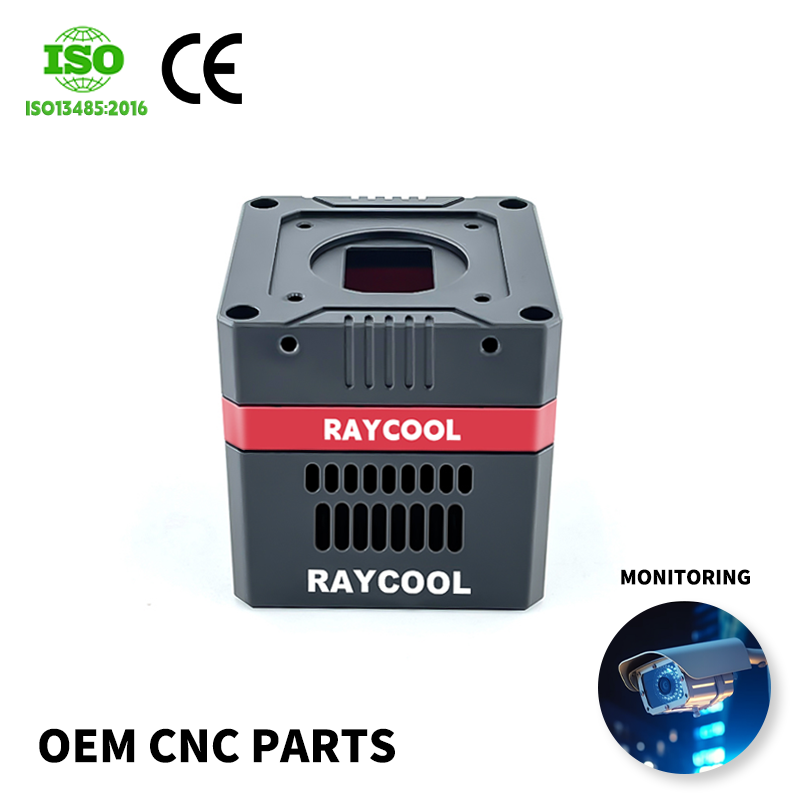
Turned components manufacturers specialize in producing precision-machined parts through advanced turning processes, utilizing CNC lathes and conventional turning equipment to create cylindrical components from various materials. These manufacturers serve as critical partners in global supply chains, delivering custom and standard parts that meet exacting specifications for diverse industrial applications. The primary function of turned components manufacturers involves transforming raw material stock into finished products through rotational machining, where cutting tools remove material to achieve desired dimensions, surface finishes, and geometric tolerances. Their technological capabilities encompass multi-axis CNC turning centers, automated production lines, and computer-aided manufacturing systems that ensure consistent quality and repeatable accuracy. Modern turned components manufacturers integrate quality management systems, inspection protocols, and material traceability to guarantee component reliability. These facilities produce an extensive range of parts including shafts, bushings, pins, connectors, fittings, fasteners, and specialized custom components across size ranges from miniature precision parts to large-diameter workpieces. Applications span automotive, aerospace, medical devices, electronics, hydraulics, pneumatics, defense, energy, and industrial machinery sectors. The manufacturing process accommodates materials such as aluminum, brass, bronze, stainless steel, carbon steel, titanium, plastics, and exotic alloys. Turned components manufacturers provide value through engineering support, prototyping services, volume production capabilities, and post-machining operations including threading, knurling, grinding, and surface treatments that deliver complete, ready-to-install components.

New Product Recommendations

Partnering with experienced turned components manufacturers delivers significant cost savings through optimized production methods that reduce material waste and minimize per-unit manufacturing expenses, particularly for medium to high-volume orders. These manufacturers maintain specialized equipment and skilled machinists who produce parts faster and with greater precision than in-house machining operations, allowing clients to focus resources on core business activities. Quality assurance protocols implemented by turned components manufacturers ensure dimensional accuracy within tight tolerances, reducing defect rates and eliminating costly rework or field failures. Their material sourcing relationships provide access to certified materials at competitive pricing while maintaining traceability documentation required for regulated industries. Production flexibility enables rapid prototyping for design validation followed by seamless transition to volume manufacturing without tooling changes or setup delays. Turned components manufacturers offer scalable capacity that accommodates fluctuating demand without requiring capital investment in machinery, facility space, or workforce expansion. Technical expertise available from these specialized suppliers includes design-for-manufacturability consultation that identifies cost-reduction opportunities and performance improvements early in product development cycles. Established turned components manufacturers maintain comprehensive inspection capabilities with coordinate measuring machines, optical comparators, and statistical process control systems that verify conformance to specifications. Their production planning systems provide reliable lead times and delivery schedules that support just-in-time inventory strategies and project timelines. Surface finishing capabilities including plating, coating, heat treatment, and passivation eliminate the need for multiple suppliers, streamlining procurement and reducing logistics complexity. The combination of technical capability, quality systems, and production efficiency makes turned components manufacturers valuable partners for organizations requiring precision machined parts across virtually any industry application or performance requirement.

Practical Tips

Future Trends in CNC Machining Precision Parts: What to Expect

26

Nov

Future Trends in CNC Machining Precision Parts: What to Expect

Global CNC Machining Market Growth and Projections Current Valuation and Forecasted Expansion (2023-2030) The global CNC machining market is projected to undergo significant growth, building upon its current valuation of approximately $55.1 billion ...
View More
Best Practices for Machining Titanium Alloy Components in Precision Manufacturing

05

Dec

Best Practices for Machining Titanium Alloy Components in Precision Manufacturing

Titanium alloys have become indispensable materials in precision manufacturing, particularly in aerospace, medical, and automotive industries where exceptional strength-to-weight ratios and corrosion resistance are paramount. The unique properties of...
View More
How to Choose Between CNC Turning, Milling, and 5-Axis for Your Part

06

Jan

How to Choose Between CNC Turning, Milling, and 5-Axis for Your Part

Manufacturing precision components requires careful consideration of machining processes, with CNC turning milling 5-axis representing the three fundamental approaches to modern subtractive manufacturing. Each method offers distinct advantages and li...
View More
How to Choose Anodized Materials for Industrial Applications?

06

Feb

How to Choose Anodized Materials for Industrial Applications?

Selecting the right anodized materials for industrial applications requires careful consideration of multiple factors that directly impact performance, durability, and cost-effectiveness. Anodized aluminum and other metals have revolutionized manufac...
View More

Get a Free Quote

Our representative will contact you soon.
Email
Name
Company Name
Message
0/1000

turned components manufacturers

Advanced CNC Turning Technology

Advanced CNC Turning Technology

Leading turned components manufacturers invest in state-of-the-art CNC turning centers equipped with live tooling, multi-axis capabilities, and automated part handling systems that dramatically enhance production efficiency and part complexity. These sophisticated machines execute multiple operations in a single setup, including drilling, milling, threading, and contouring, eliminating the need for secondary operations and reducing handling that could compromise dimensional accuracy. Swiss-type CNC lathes enable production of extremely precise small-diameter components with length-to-diameter ratios that traditional turning equipment cannot accommodate. The integration of CAD/CAM software systems allows turned components manufacturers to program complex geometries directly from customer design files, reducing lead times and eliminating transcription errors. Real-time monitoring systems track tool wear, dimensional drift, and process parameters, triggering automatic adjustments that maintain consistent quality throughout production runs. This technological sophistication translates to tighter tolerances, superior surface finishes, reduced cycle times, and lower per-piece costs, delivering exceptional value for customers requiring precision turned components that meet demanding specifications and performance criteria.
Material Versatility and Expertise

Material Versatility and Expertise

Professional turned components manufacturers possess extensive knowledge across a broad spectrum of engineering materials, enabling them to recommend optimal material selections based on application requirements, performance characteristics, and cost considerations. Their machining expertise extends to difficult-to-machine materials including hardened steels, titanium alloys, Inconel, and engineering plastics that require specialized tooling, cutting parameters, and handling techniques. Material certifications and traceability documentation provided by turned components manufacturers meet aerospace, medical, and defense industry requirements for material verification and lot tracking. Their purchasing relationships with material suppliers ensure consistent quality, competitive pricing, and availability even for specialty alloys or materials with long lead times. Understanding how different materials respond to turning operations allows these manufacturers to optimize cutting strategies, tool selection, and process parameters that maximize productivity while maintaining surface integrity and dimensional stability. Heat treatment and material conditioning services available through turned components manufacturers modify material properties to achieve desired hardness, strength, or wear resistance characteristics. This comprehensive material capability eliminates concerns about machinability challenges, sourcing difficulties, or specification compliance, providing customers with confidence that their turned components will perform reliably in demanding applications regardless of material requirements.
Quality Systems and Compliance

Quality Systems and Compliance

Reputable turned components manufacturers implement rigorous quality management systems certified to ISO 9001, AS9100, or ISO 13485 standards that demonstrate organizational commitment to consistent quality and continuous improvement. These quality frameworks establish documented procedures for process control, inspection protocols, corrective actions, and supplier management that ensure every component meets customer specifications. First article inspection reports, certificate of conformance documentation, and dimensional inspection data accompany shipments, providing verification and traceability required for regulated industries and critical applications. Statistical process control methodologies employed by turned components manufacturers identify process variations before they produce nonconforming parts, reducing scrap rates and ensuring production stability. Calibrated measurement equipment including micrometers, height gauges, pin gauges, and coordinate measuring machines verify dimensions to tolerances measured in ten-thousandths of an inch or micrometers. Incoming material inspection, in-process checks, and final inspection stages create multiple quality gates that prevent defective components from reaching customers. For organizations operating under strict regulatory requirements or quality standards, partnering with certified turned components manufacturers simplifies supplier qualification, reduces audit burden, and provides assurance that purchased components meet all applicable standards and specifications without compromise.

Get a Free Quote

Our representative will contact you soon.
Email
Name
Company Name
Message
0/1000

Copyright © 2026 China Shanghai Raycool Industrial Co., Ltd. All rights reserved  -  Privacy policy