aerospace precision machining
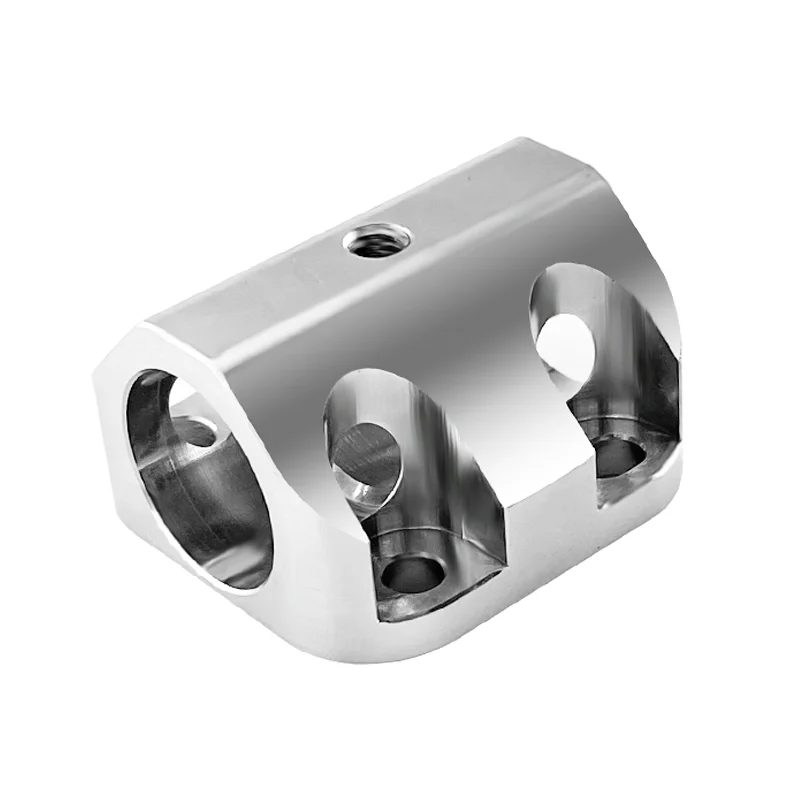
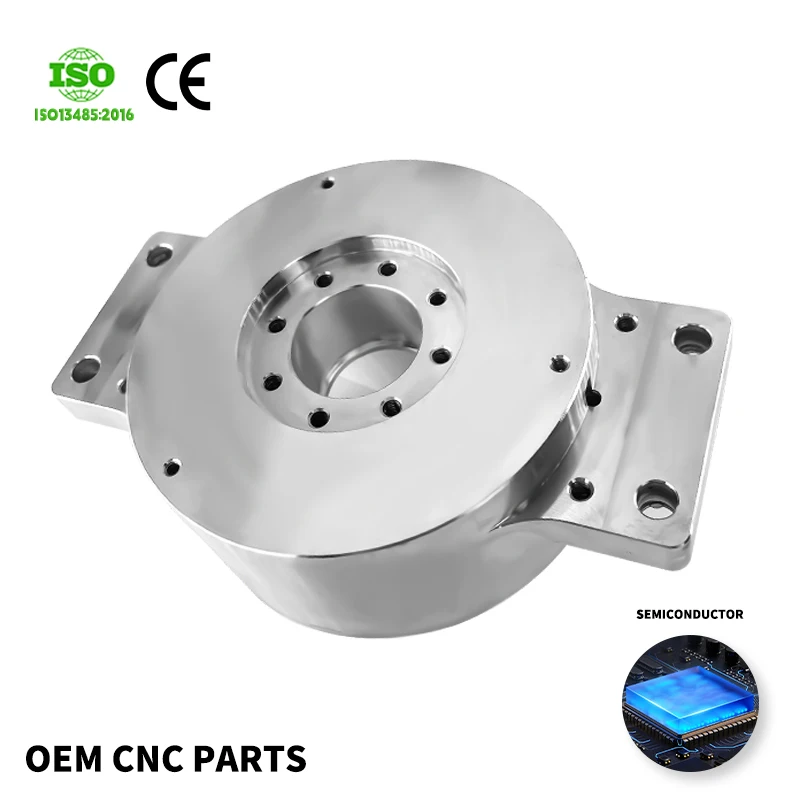
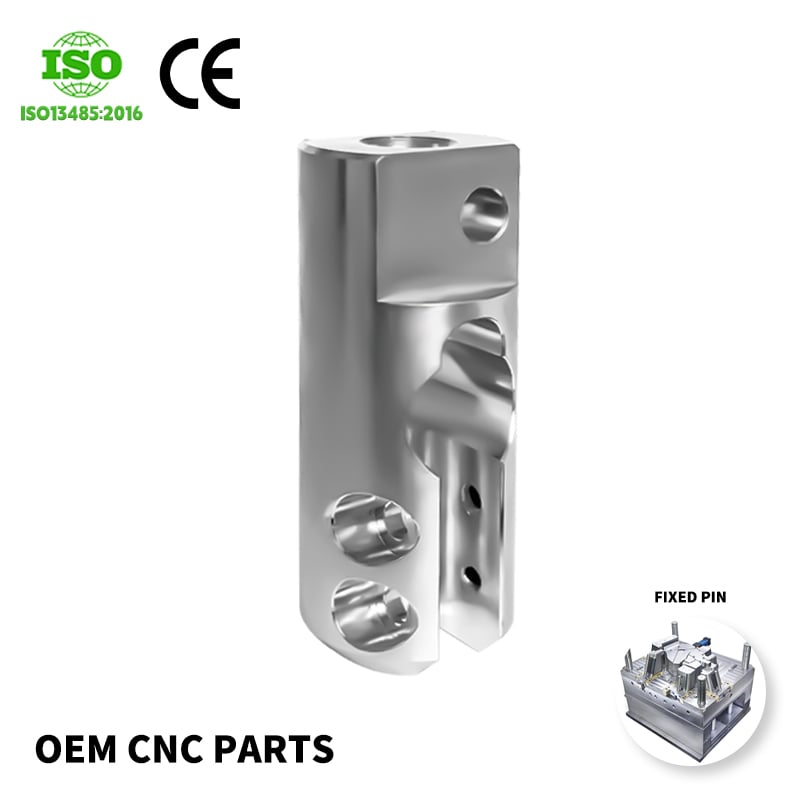
Aerospace precision machining represents a specialized manufacturing process that produces highly accurate components for aircraft, satellites, rockets, and space exploration systems. This advanced technique combines cutting-edge equipment with expert craftsmanship to create parts that meet the stringent tolerance requirements of the aerospace industry. Aerospace precision machining utilizes computer numerical control systems, multi-axis milling centers, and sophisticated turning operations to transform raw materials such as titanium, aluminum alloys, stainless steel, and exotic composites into mission-critical components. The process encompasses various operations including drilling, milling, turning, grinding, and electrical discharge machining to achieve dimensional accuracy measured in microns. Modern aerospace precision machining incorporates real-time quality monitoring systems, advanced tooling technologies, and climate-controlled environments to ensure consistent results. Manufacturers employ five-axis machining centers that allow simultaneous cutting from multiple angles, reducing setup times while improving accuracy. The technology supports the production of complex geometries such as turbine blades, landing gear components, structural brackets, hydraulic fittings, and fuel system parts. Aerospace precision machining serves both commercial aviation and defense sectors, supporting new aircraft production and maintenance operations. The process adheres to rigorous industry standards including AS9100 certification requirements, ensuring traceability, documentation, and quality control throughout manufacturing. With the aerospace industry demanding lighter yet stronger components, precision machining techniques continue evolving to accommodate new materials and tighter specifications while maintaining production efficiency and cost-effectiveness for both prototype development and full-scale manufacturing programs.