CNC Machining for Aerospace Parts Solutions

cnc machining for aerospace parts

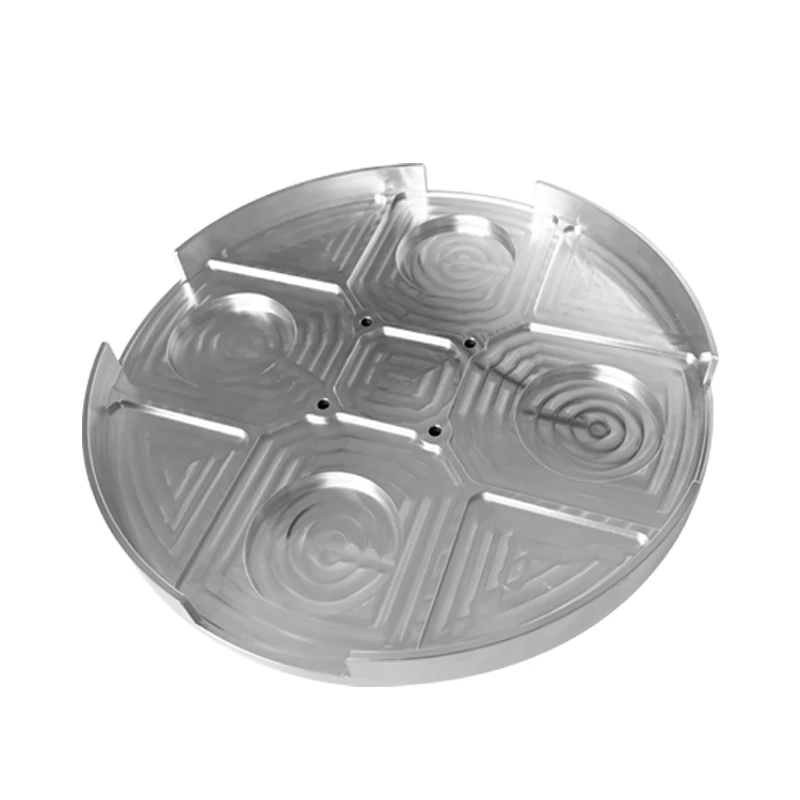
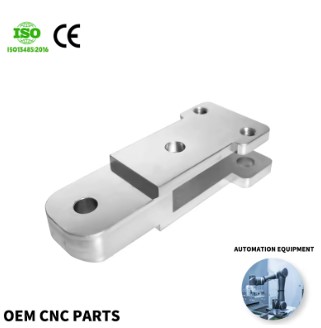
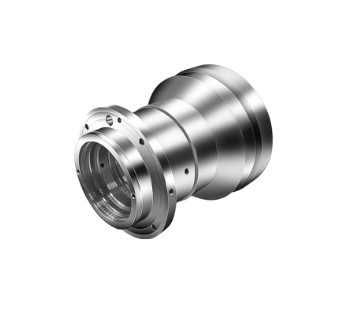
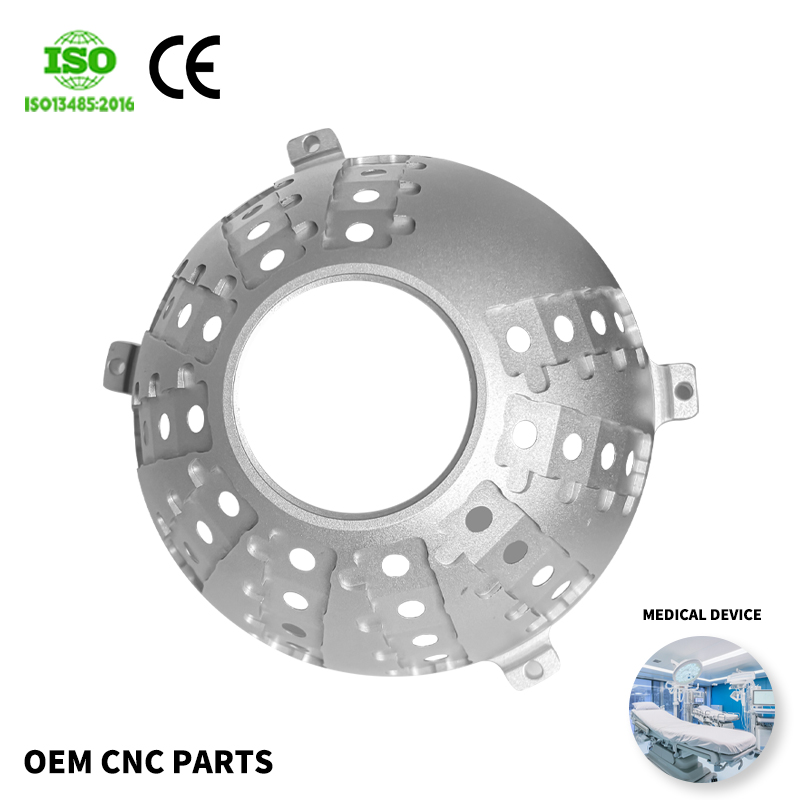
CNC machining for aerospace parts represents a critical manufacturing process that delivers the precision and reliability demanded by the aviation and space industries. This advanced subtractive manufacturing technology uses computer-controlled machines to remove material from solid blocks, creating components that meet the strictest tolerances and quality standards. The main functions of CNC machining for aerospace parts include producing complex geometries, maintaining dimensional accuracy within microns, and ensuring consistent repeatability across production runs. Technological features encompass multi-axis machining capabilities, real-time monitoring systems, and integration with CAD/CAM software for seamless design-to-production workflows. Modern CNC machining for aerospace parts utilizes high-speed spindles, advanced tooling materials, and sophisticated cooling systems to handle difficult-to-machine materials like titanium alloys, Inconel, and aluminum aerospace grades. Applications span structural components such as brackets and fittings, engine parts including turbine blades and housings, landing gear components, hydraulic system parts, and interior fixtures. The process accommodates both prototype development and high-volume production, supporting everything from small precision fasteners to large structural elements. With certifications including AS9100 compliance, CNC machining for aerospace parts ensures traceability, quality documentation, and adherence to strict aerospace regulations, making it indispensable for manufacturers serving commercial aviation, military defense, and space exploration sectors.

New Product Recommendations

Choosing CNC machining for aerospace parts delivers substantial practical benefits that directly impact your bottom line and operational efficiency. The precision capabilities reduce waste significantly, as components are manufactured right the first time with tolerances as tight as 0.0001 inches, eliminating costly rework and material losses. This accuracy translates to better-fitting assemblies, reduced maintenance requirements, and extended service life for finished aircraft and spacecraft. The versatility of CNC machining for aerospace parts means you can work with virtually any aerospace-grade material, from aluminum and titanium to exotic superalloys, all on the same equipment platform. This flexibility streamlines your supply chain and reduces the need for multiple specialized manufacturing processes. Speed advantages become apparent through rapid setup changes, automated tool switching, and lights-out manufacturing capabilities that keep production running around the clock. Your time-to-market improves dramatically, especially for prototype development and design iterations where CNC machining for aerospace parts can produce functional components in days rather than weeks. The digital nature of the process ensures perfect repeatability, so whether you need ten parts or ten thousand, each component matches specifications exactly. Quality assurance integrates seamlessly with in-process inspection, coordinate measuring machines, and statistical process controls that catch variations before they become problems. Cost-effectiveness emerges through reduced labor requirements, minimal tooling expenses compared to traditional manufacturing, and the ability to consolidate multiple operations into single setups. The documentation and traceability built into CNC machining for aerospace parts satisfy rigorous aerospace certification requirements without adding administrative burden, giving you audit-ready records automatically.

Practical Tips

Choosing CNC Aluminium Parts for Research and Development

26

Nov

Choosing CNC Aluminium Parts for Research and Development

Why CNC Aluminium Parts Excel in Research and Development Superior Strength-to-Weight Ratio for Prototyping CNC aluminium parts are crucial for creating lightweight prototypes that maintain strength and durability. Their exceptional strength-to-weig...
View More
Future Trends in CNC Machining Precision Parts: What to Expect

26

Nov

Future Trends in CNC Machining Precision Parts: What to Expect

Global CNC Machining Market Growth and Projections Current Valuation and Forecasted Expansion (2023-2030) The global CNC machining market is projected to undergo significant growth, building upon its current valuation of approximately $55.1 billion ...
View More
Surface Finish and Tolerance Control for Aluminum in CNC Fabrication

05

Dec

Surface Finish and Tolerance Control for Aluminum in CNC Fabrication

Modern manufacturing demands exceptional precision, particularly when working with aluminum components that require tight tolerances and superior surface finishes. The aluminum CNC fabrication process has evolved dramatically over recent years, incor...
View More
Why 5-Axis CNC Machining Is Ideal for Complex Part Manufacturing

06

Jan

Why 5-Axis CNC Machining Is Ideal for Complex Part Manufacturing

Modern manufacturing demands precision, efficiency, and the ability to create intricate geometries that traditional machining methods simply cannot achieve. The evolution of computer numerical control technology has revolutionized how manufacturers a...
View More

Get a Free Quote

Our representative will contact you soon.
Email
Name
Company Name
Message
0/1000

cnc machining for aerospace parts

Unmatched Precision for Critical Safety Components

Unmatched Precision for Critical Safety Components

CNC machining for aerospace parts achieves tolerance levels that are essential for flight-critical applications where component failure is not an option. Advanced five-axis machining centers can maintain positional accuracy within a few microns across complex three-dimensional surfaces, ensuring perfect alignment of mating parts in assemblies subjected to extreme vibration, temperature fluctuations, and stress loads. This precision extends to surface finish quality, where automated processes deliver consistent Ra values that reduce friction, prevent crack initiation, and improve fatigue resistance. The technology accommodates intricate internal passages for cooling channels, lightweighting features that reduce aircraft weight without compromising strength, and complex contours that optimize aerodynamic performance. Temperature-controlled manufacturing environments and thermal compensation systems account for material expansion during machining, maintaining dimensional stability throughout the process. For aerospace manufacturers, this precision translates directly to enhanced safety margins, regulatory compliance, and the confidence that every component will perform reliably under the most demanding operational conditions encountered in modern aviation and space exploration.
Material Versatility for Demanding Applications

Material Versatility for Demanding Applications

The exceptional range of materials processable through CNC machining for aerospace parts addresses the diverse requirements of modern aerospace engineering. High-strength aluminum alloys like 7075 and 2024 machine efficiently for structural components requiring excellent strength-to-weight ratios. Titanium alloys including Ti-6Al-4V provide superior corrosion resistance and high-temperature performance for engine components and airframe structures in both commercial and military applications. Nickel-based superalloys such as Inconel 718 withstand extreme temperatures in turbine sections where conventional materials would fail. Stainless steel variants offer durability for hydraulic fittings and fasteners exposed to harsh environmental conditions. Advanced CNC tooling strategies, specialized cutting tools with tailored geometries, and optimized machining parameters allow efficient processing of these difficult materials while maintaining tool life and surface integrity. The ability to switch between materials without changing equipment means aerospace manufacturers can consolidate supplier relationships and maintain consistent quality standards across diverse component portfolios. This versatility supports innovation in aerospace design, enabling engineers to specify the optimal material for each application without manufacturing constraints limiting their choices.
Scalable Production from Prototype to Volume

Scalable Production from Prototype to Volume

CNC machining for aerospace parts provides unmatched scalability that supports aerospace projects throughout their entire lifecycle, from initial concept validation through full-rate production and long-term sustainment. During development phases, rapid programming changes allow design iterations to be tested quickly, with modified components produced in hours using the same equipment that will handle production runs. This continuity eliminates the risks and delays associated with transitioning between different manufacturing processes as programs mature. For low-volume specialty aircraft and spacecraft components, CNC machining for aerospace parts remains economically viable without the substantial tooling investments required by casting or forging, making small production runs financially feasible. As demand increases, the same CNC programs scale seamlessly to higher volumes through additional machine allocation and optimized cycle times, maintaining identical quality standards regardless of quantity. Automated pallet systems, robotic loading, and integrated quality inspection enable lights-out manufacturing that maximizes equipment utilization and compresses delivery schedules. This scalability extends to aftermarket support, where replacement parts for legacy aircraft can be manufactured on-demand from archived CNC programs decades after original production ended, ensuring continued airworthiness without maintaining expensive physical inventory.

Get a Free Quote

Our representative will contact you soon.
Email
Name
Company Name
Message
0/1000

Copyright © 2026 China Shanghai Raycool Industrial Co., Ltd. All rights reserved  -  Privacy policy