CNC Machining Process Guide & Benefits

cnc machining process

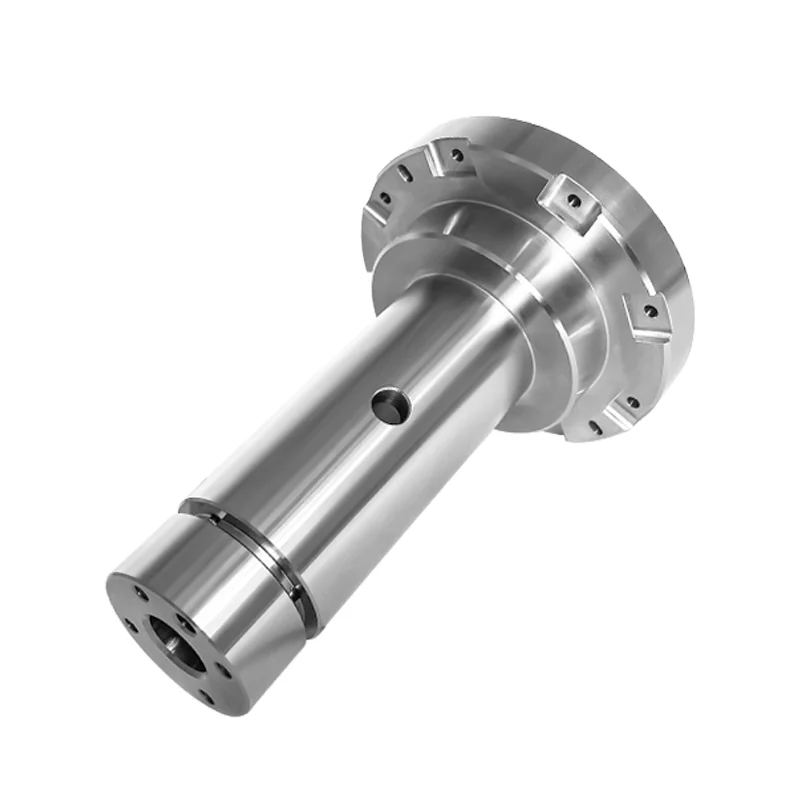
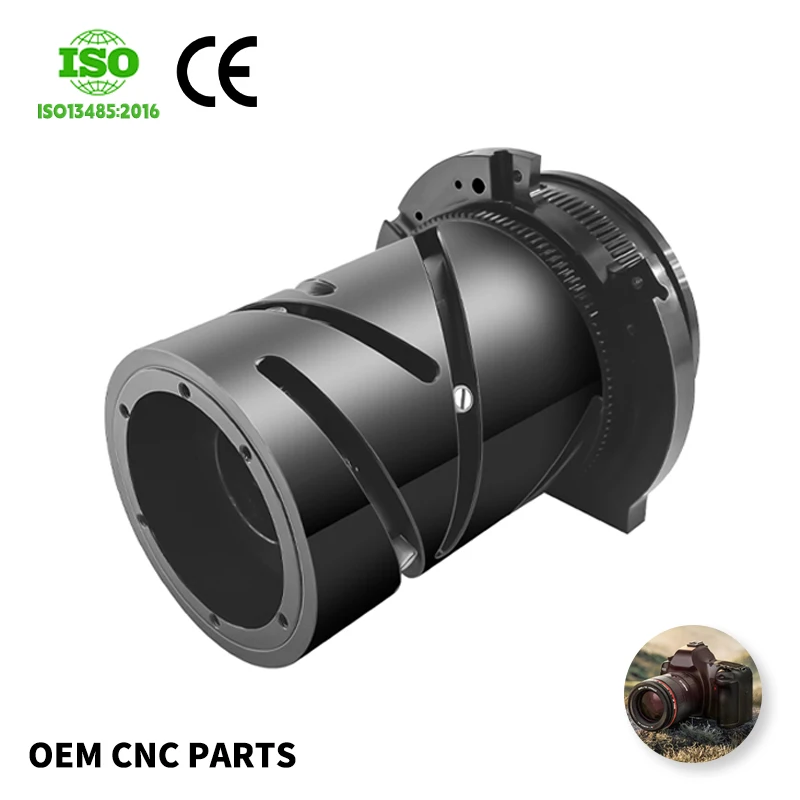
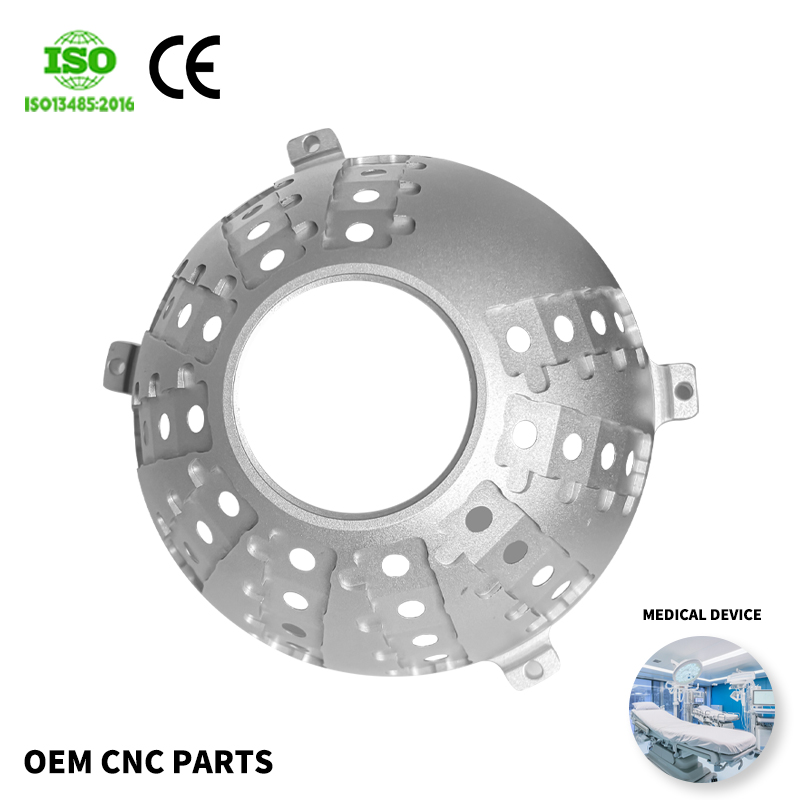
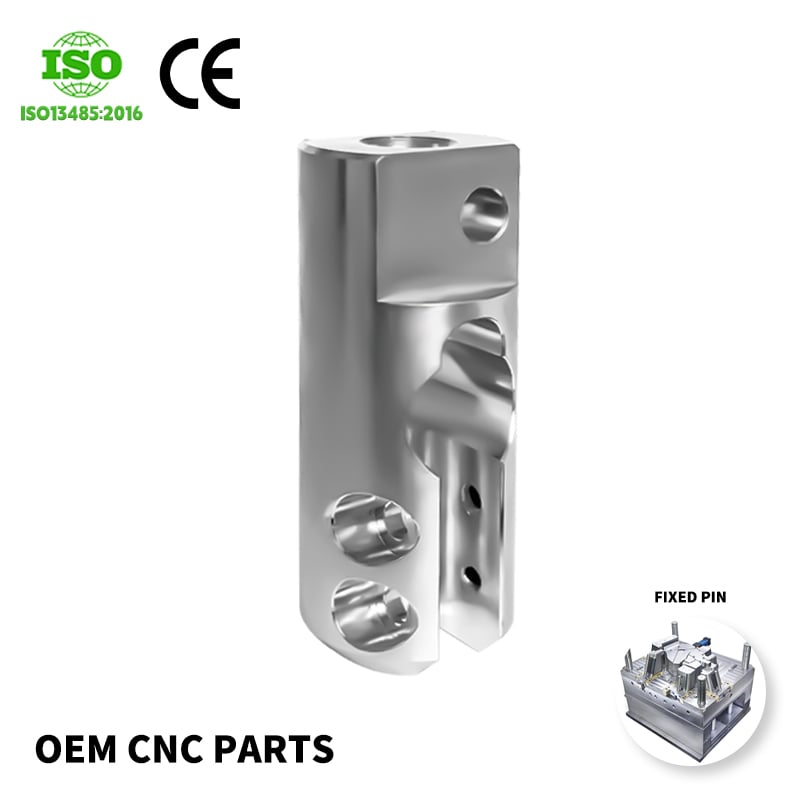
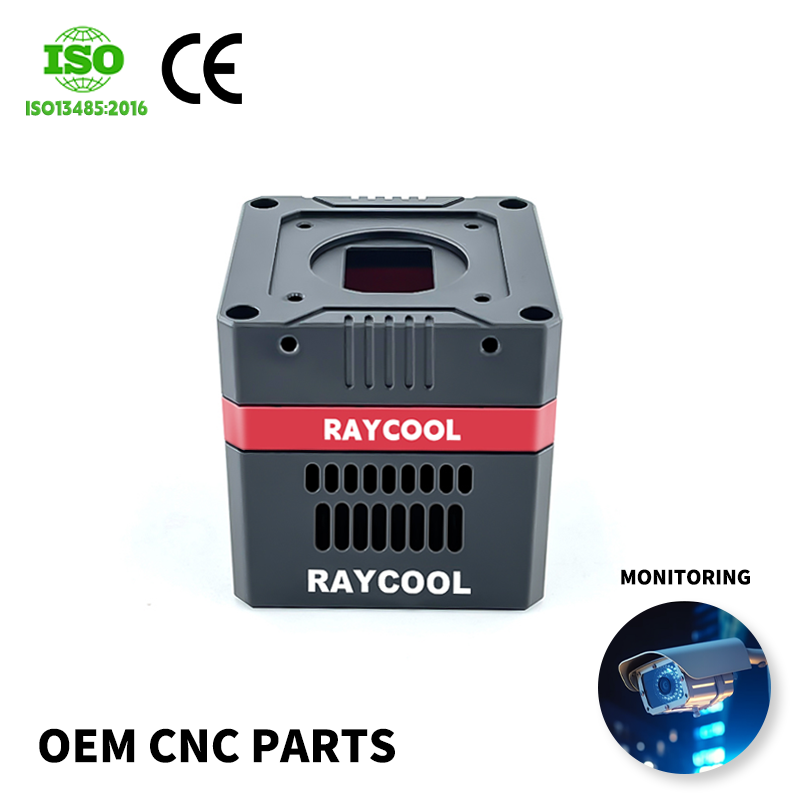
The CNC machining process is a sophisticated manufacturing method that uses computer-controlled machine tools to remove material from a workpiece and create precise parts. CNC stands for Computer Numerical Control, which means pre-programmed software dictates the movement of factory machinery and tools. This cnc machining process begins with a digital design file, typically created in CAD software, which is then converted into a CNC program containing specific coordinates and instructions. The machine reads these instructions and executes precise cutting, drilling, milling, or turning operations. Main functions include subtractive manufacturing where material is systematically removed to achieve the desired shape, multi-axis movement capabilities allowing complex geometries, and automated tool changes for efficiency. Technological features encompass high-speed spindles for rapid material removal, precision ball screws ensuring accuracy within microns, and advanced control systems monitoring every aspect of production. The cnc machining process supports various materials including metals like aluminum, steel, titanium, and brass, as well as plastics, composites, and wood. Applications span across aerospace components requiring tight tolerances, medical devices demanding biocompatible precision parts, automotive industry prototypes and production parts, electronics enclosures, industrial machinery components, and custom tooling. This versatile manufacturing approach delivers consistent quality, reduces human error, and enables the production of complex parts that would be impossible or impractical to create manually.

New Products

The cnc machining process offers exceptional precision that translates directly into cost savings for your business. Unlike manual machining, computer control eliminates human error and delivers accuracy within 0.001 inches consistently across every part produced. This reliability means fewer rejected components, reduced material waste, and lower overall production costs. Your company benefits from faster turnaround times because the cnc machining process operates continuously with minimal supervision, running 24/7 if needed to meet tight deadlines. Once programmed, machines produce identical parts repeatedly without variation, ensuring quality consistency whether you order ten pieces or ten thousand. This repeatability eliminates the need for extensive quality checks on every unit, streamlining your workflow. The flexibility of the cnc machining process allows rapid design changes without retooling entire production lines. Engineers can modify digital files and implement updates within hours rather than days or weeks required for traditional methods. Your business gains competitive advantage through the ability to create complex geometries, intricate details, and tight-tolerance features that manual operations simply cannot achieve. Material efficiency improves significantly because computer-optimized tool paths minimize waste while maximizing yield from raw stock. Labor costs decrease as one skilled operator can monitor multiple machines simultaneously, and the reduced need for specialized craftsmen for every operation lowers your overhead. The cnc machining process adapts to prototype development and full-scale production equally well, giving you scalability without major capital investment. Safety improves as operators work at safe distances from cutting tools, and modern enclosures contain chips and coolant. These practical benefits combine to deliver faster market entry, better product quality, and improved profitability for your manufacturing operations.

Latest News

Choosing CNC Aluminium Parts for Research and Development

26

Nov

Choosing CNC Aluminium Parts for Research and Development

Why CNC Aluminium Parts Excel in Research and Development Superior Strength-to-Weight Ratio for Prototyping CNC aluminium parts are crucial for creating lightweight prototypes that maintain strength and durability. Their exceptional strength-to-weig...
View More
How to Machine Aluminum Alloys for High-Precision Industrial Parts

05

Dec

How to Machine Aluminum Alloys for High-Precision Industrial Parts

Aluminum alloy machining has become an essential process in modern manufacturing, particularly for industries requiring lightweight yet durable components. The unique properties of aluminum alloys make them ideal for applications ranging from aerospa...
View More
Surface Finish and Tolerance Control for Aluminum in CNC Fabrication

05

Dec

Surface Finish and Tolerance Control for Aluminum in CNC Fabrication

Modern manufacturing demands exceptional precision, particularly when working with aluminum components that require tight tolerances and superior surface finishes. The aluminum CNC fabrication process has evolved dramatically over recent years, incor...
View More
How to Choose Between CNC Turning, Milling, and 5-Axis for Your Part

06

Jan

How to Choose Between CNC Turning, Milling, and 5-Axis for Your Part

Manufacturing precision components requires careful consideration of machining processes, with CNC turning milling 5-axis representing the three fundamental approaches to modern subtractive manufacturing. Each method offers distinct advantages and li...
View More

Get a Free Quote

Our representative will contact you soon.
Email
Name
Company Name
Message
0/1000

cnc machining process

Unmatched Precision and Accuracy

Unmatched Precision and Accuracy

The cnc machining process achieves tolerances as tight as plus or minus 0.0001 inches, a level of precision that manual machining cannot consistently replicate. This accuracy stems from computer-controlled movements that eliminate the slight variations inherent in human operation. For industries like aerospace, medical devices, and precision instrumentation where component accuracy directly impacts safety and performance, this capability is essential. The digital nature of the cnc machining process means that once a program is validated, every subsequent part matches the first exactly. This consistency eliminates the dimensional drift common in manual production runs where operator fatigue or tool wear gradually changes part dimensions. Your quality control processes simplify dramatically because statistical sampling replaces 100% inspection, saving time and labor costs. Complex features like compound angles, intricate pockets, and precise hole patterns are executed flawlessly every time. The cnc machining process maintains this accuracy across different materials and part sizes, from miniature components measuring millimeters to large structural elements spanning meters, providing versatility that supports diverse product portfolios and customer requirements across multiple industries and applications.
Enhanced Production Efficiency

Enhanced Production Efficiency

The cnc machining process dramatically increases manufacturing throughput compared to conventional methods through automation and optimized workflows. Modern CNC machines feature automatic tool changers holding dozens of different cutting tools, allowing complete machining operations without manual intervention. This capability means a single setup can perform drilling, milling, tapping, and contouring operations sequentially, eliminating the time-consuming process of moving parts between different machines. The cnc machining process runs lights-out operations where production continues overnight and during weekends with minimal staffing, effectively multiplying your manufacturing capacity without proportional increases in labor costs. Setup times decrease significantly because digital programs load instantly, unlike manual machines requiring physical adjustments and test cuts. When switching between different part designs, operators simply load a new program rather than reconfiguring mechanical stops, fixtures, and tool positions. The cnc machining process also optimizes cutting parameters automatically, selecting ideal speeds and feeds for each material and operation to maximize metal removal rates while preserving tool life. This intelligence built into modern controllers means parts are produced in the shortest possible cycle time without sacrificing quality, directly improving your bottom line through higher output and better resource utilization.
Design Flexibility and Innovation

Design Flexibility and Innovation

The cnc machining process empowers engineers and designers to create parts with geometries previously considered too difficult or expensive to manufacture. Complex three-dimensional surfaces, undercuts, angled features, and intricate internal cavities become feasible when computer control guides the cutting tools through precisely calculated paths. This freedom encourages innovation because designers need not compromise their vision to accommodate manufacturing limitations. The cnc machining process supports rapid prototyping where concepts move from digital model to physical part in days, enabling faster design iteration and product development cycles. Your company can test multiple design variations quickly, gathering real-world performance data that informs final production decisions. When modifications are needed, updating a CNC program takes minutes compared to the weeks required to modify hard tooling or train machinists on new manual procedures. Multi-axis CNC machines with four, five, or even more axes of simultaneous movement can produce incredibly complex parts in single setups that would require multiple operations and fixtures using conventional methods. This capability reduces handling, improves accuracy by maintaining consistent work-holding references, and shortens overall production time. The cnc machining process thus becomes a competitive differentiator, enabling your business to offer custom solutions and specialized components that set your products apart in crowded markets.

Get a Free Quote

Our representative will contact you soon.
Email
Name
Company Name
Message
0/1000

Copyright © 2026 China Shanghai Raycool Industrial Co., Ltd. All rights reserved  -  Privacy policy