cnc milling and cnc turning
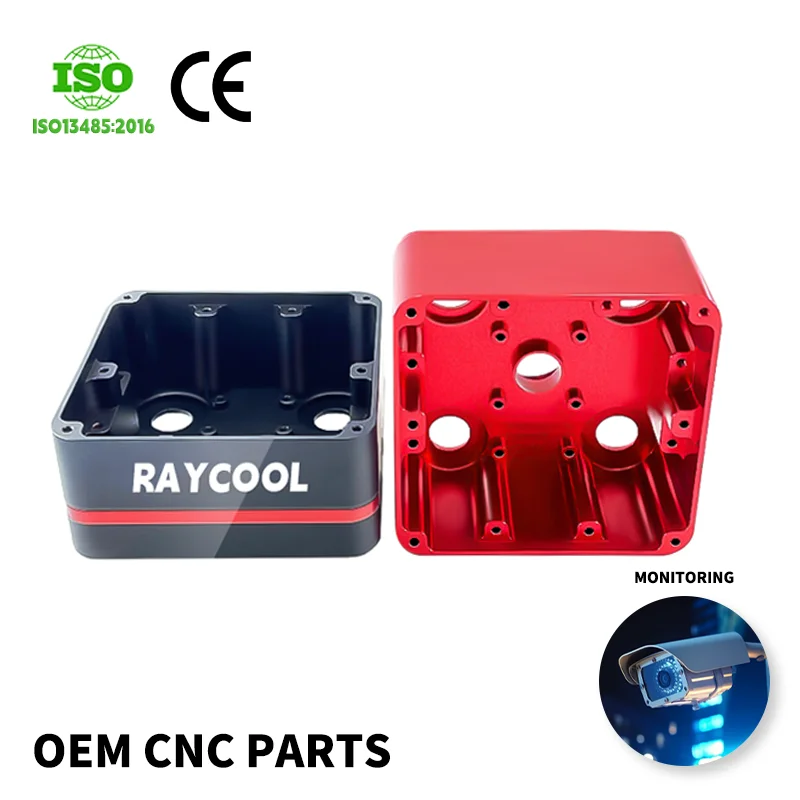
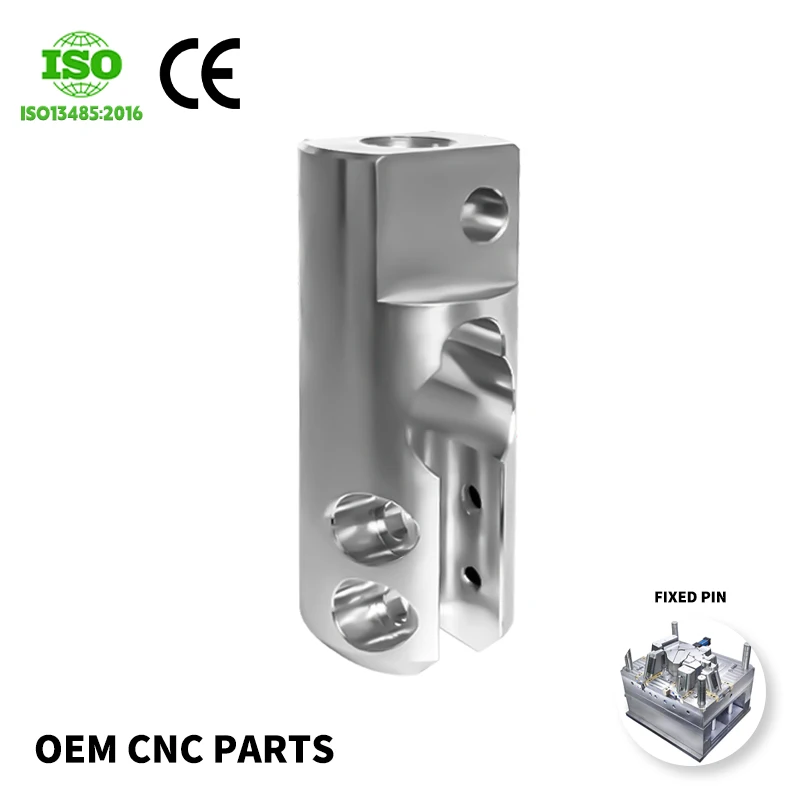
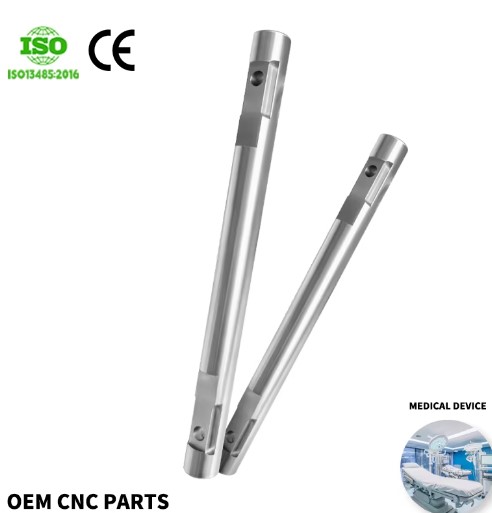
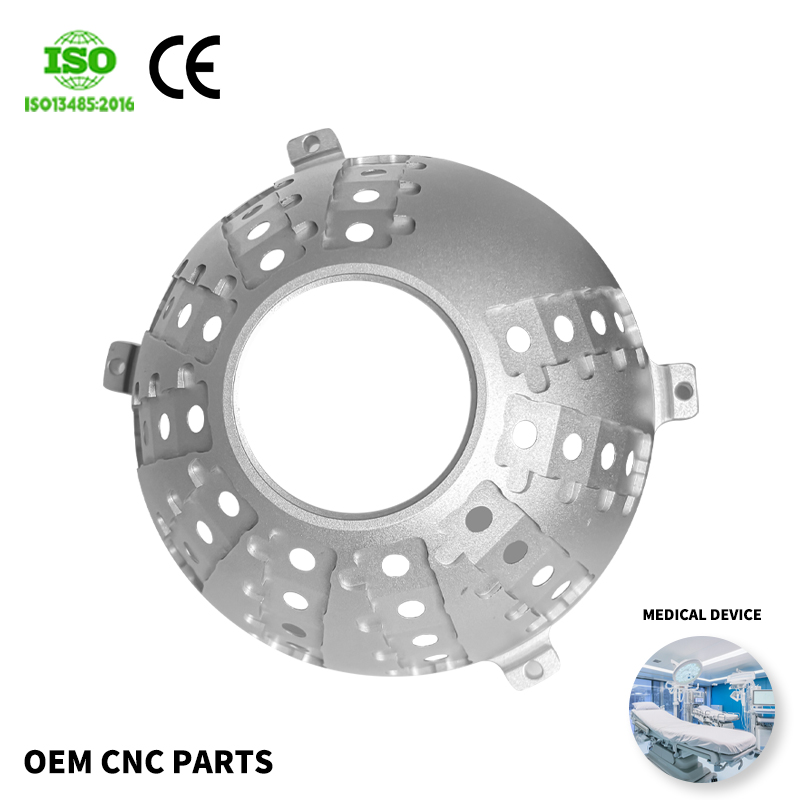
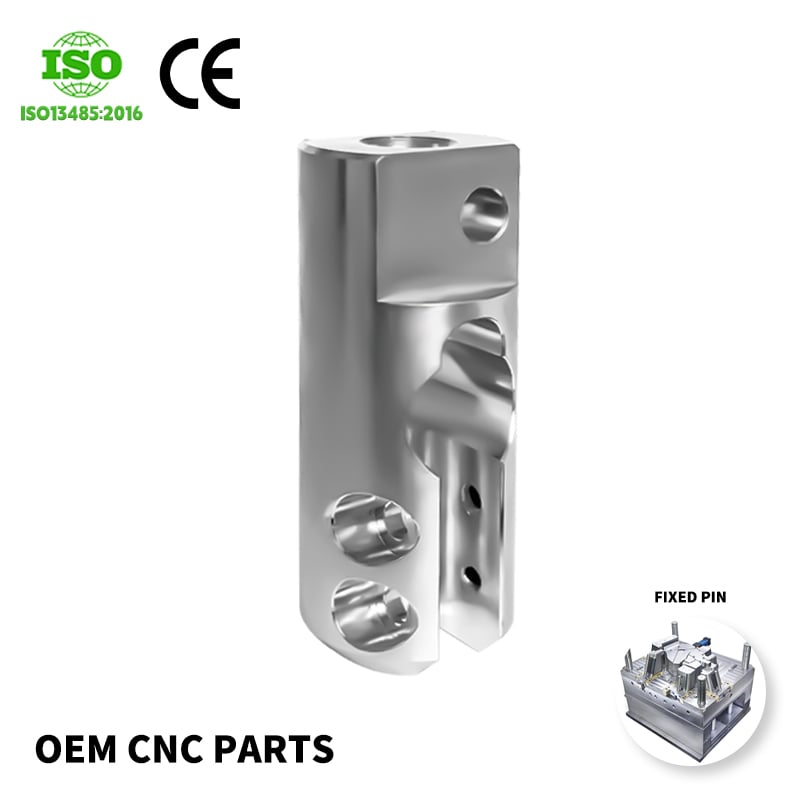
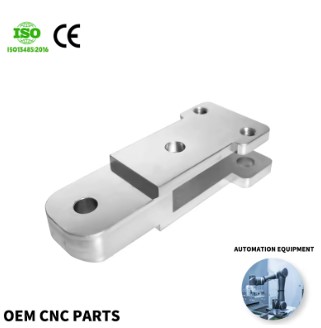
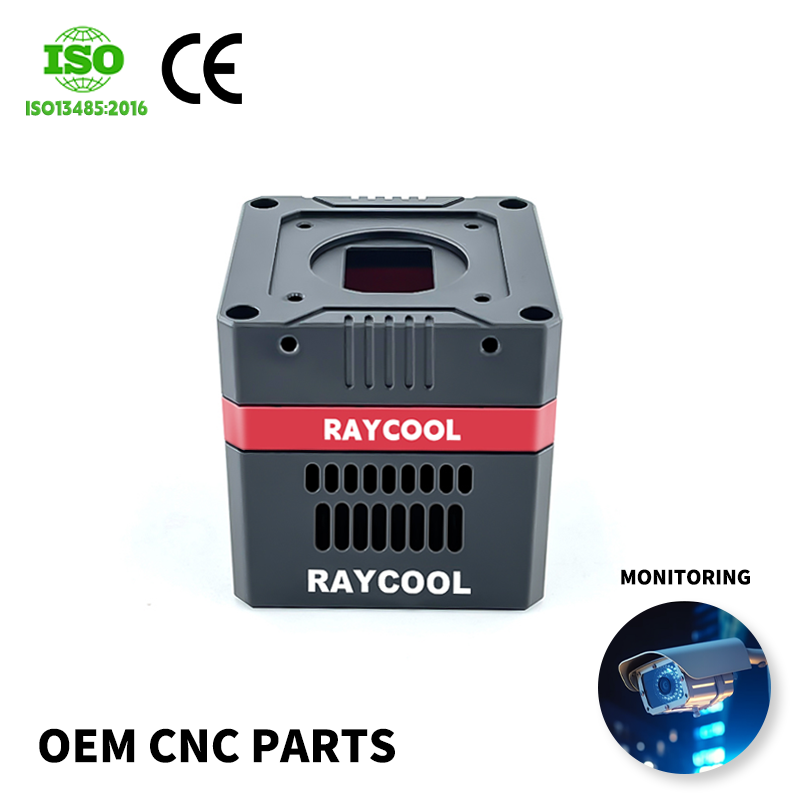
CNC milling and CNC turning are two fundamental machining processes that form the backbone of modern precision manufacturing. CNC milling utilizes rotating cutting tools to remove material from a stationary workpiece, creating complex shapes, slots, holes, and contours across multiple axes. The process excels at producing flat surfaces, intricate geometries, and three-dimensional features with exceptional accuracy. CNC turning, conversely, rotates the workpiece while a stationary cutting tool shapes the material, making it ideal for creating cylindrical components, shafts, and rotational parts. Both CNC milling and CNC turning leverage computer numerical control technology to automate machining operations, ensuring consistent quality and repeatability. The main functions include precise material removal, dimensional accuracy within tight tolerances, and the ability to work with diverse materials ranging from metals like aluminum, steel, and titanium to plastics and composites. Technological features of CNC milling and CNC turning include multi-axis capabilities, automatic tool changers, advanced CAD/CAM integration, and real-time monitoring systems. These processes find applications across aerospace, automotive, medical device manufacturing, electronics, and general engineering sectors. Whether producing prototype components or high-volume production runs, CNC milling and CNC turning deliver the precision, efficiency, and flexibility that modern manufacturers demand for competitive advantage in today's marketplace.