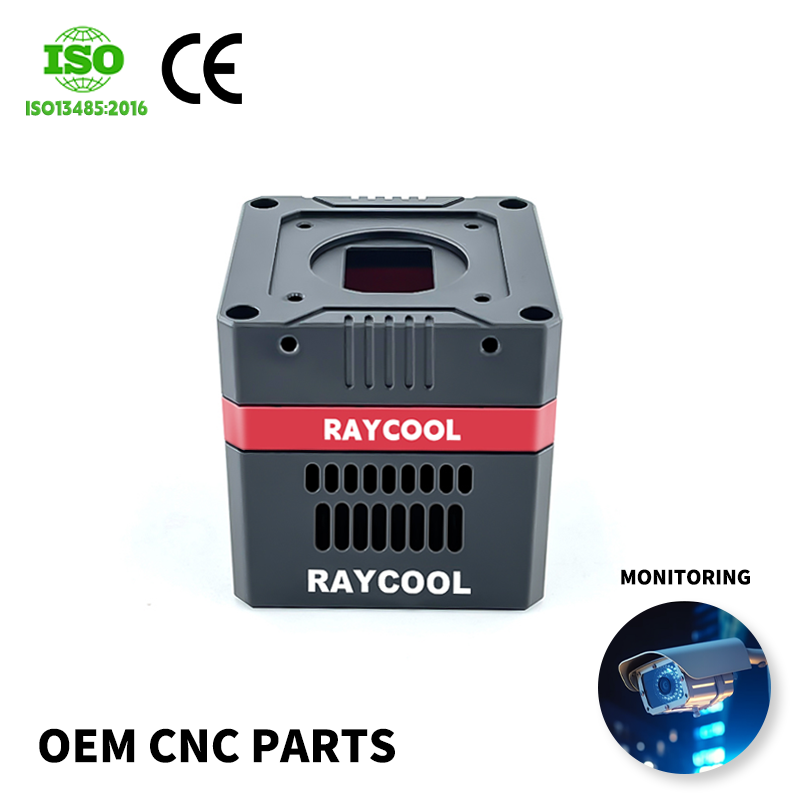
CNC Milling Process: Precision Manufacturing Guide

cnc milling process

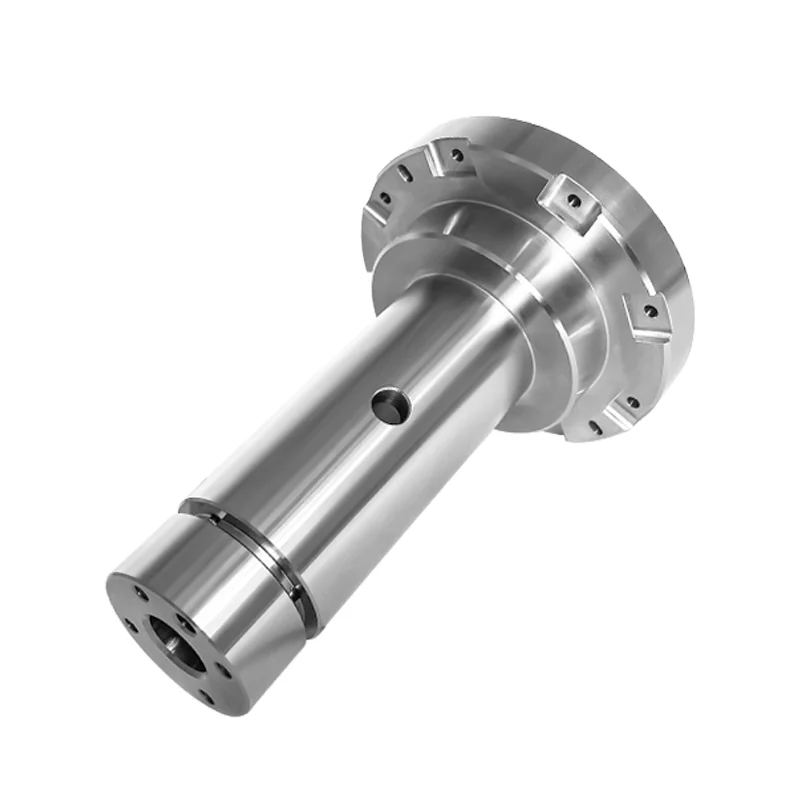
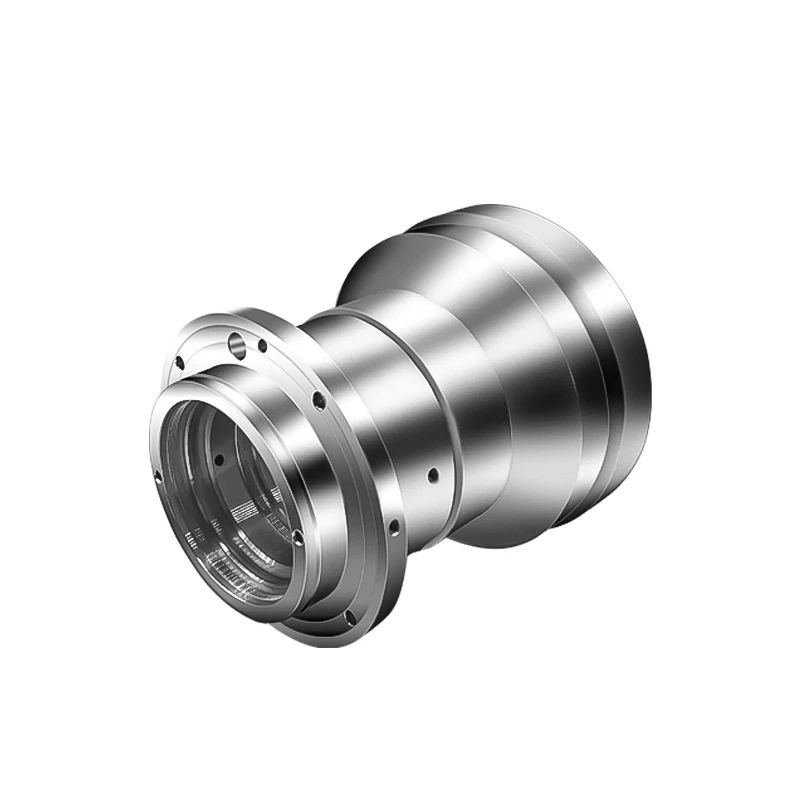
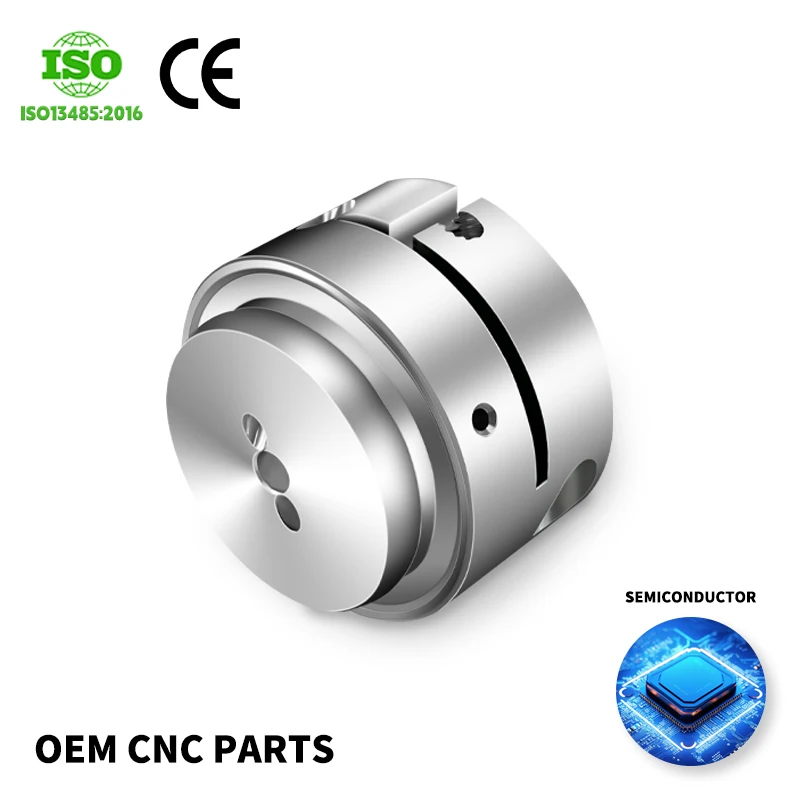
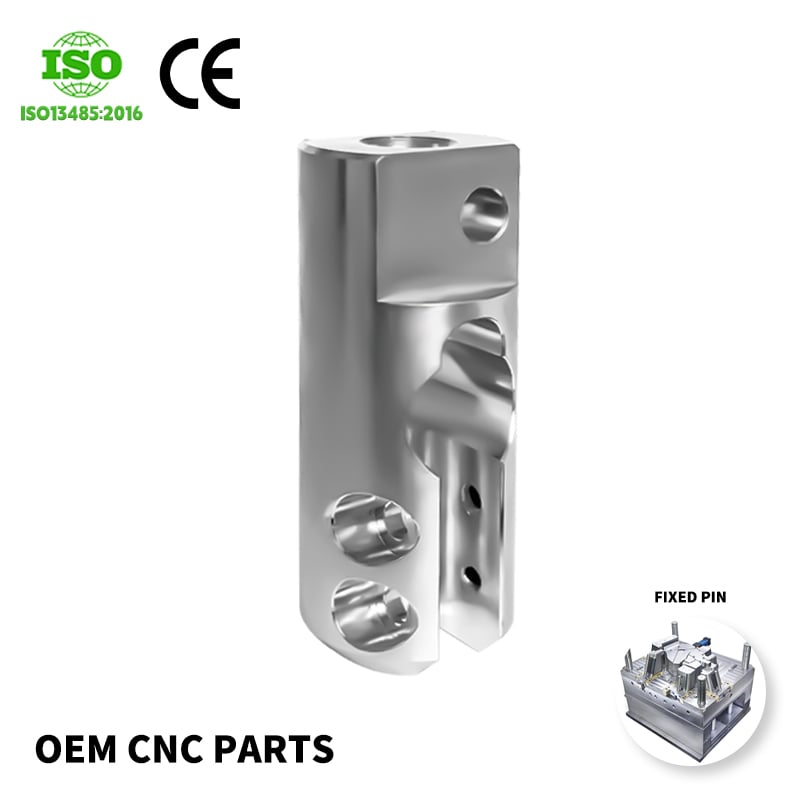
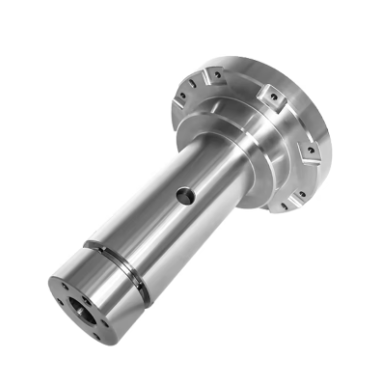
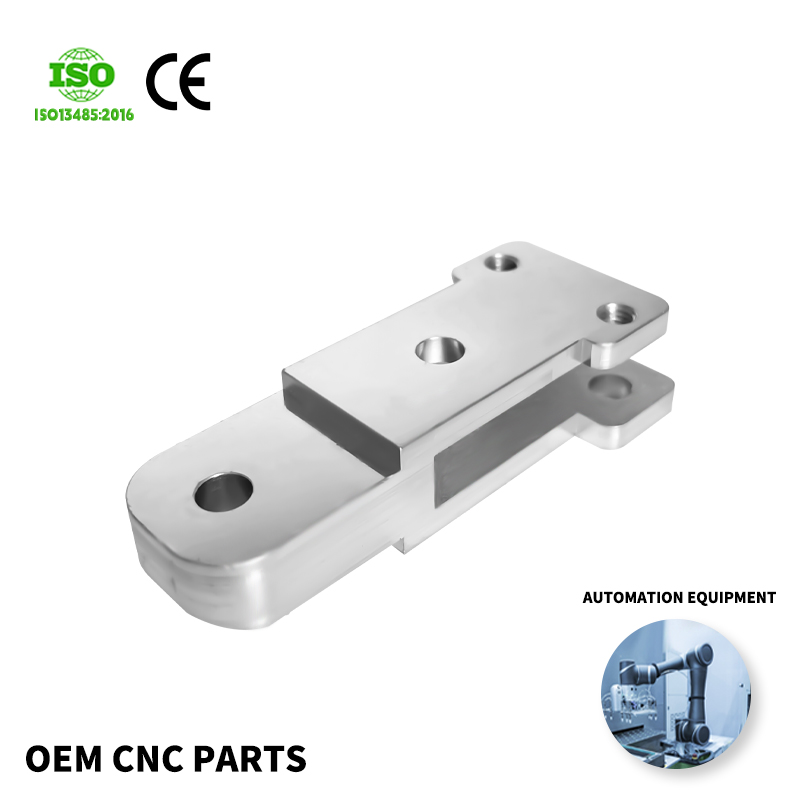
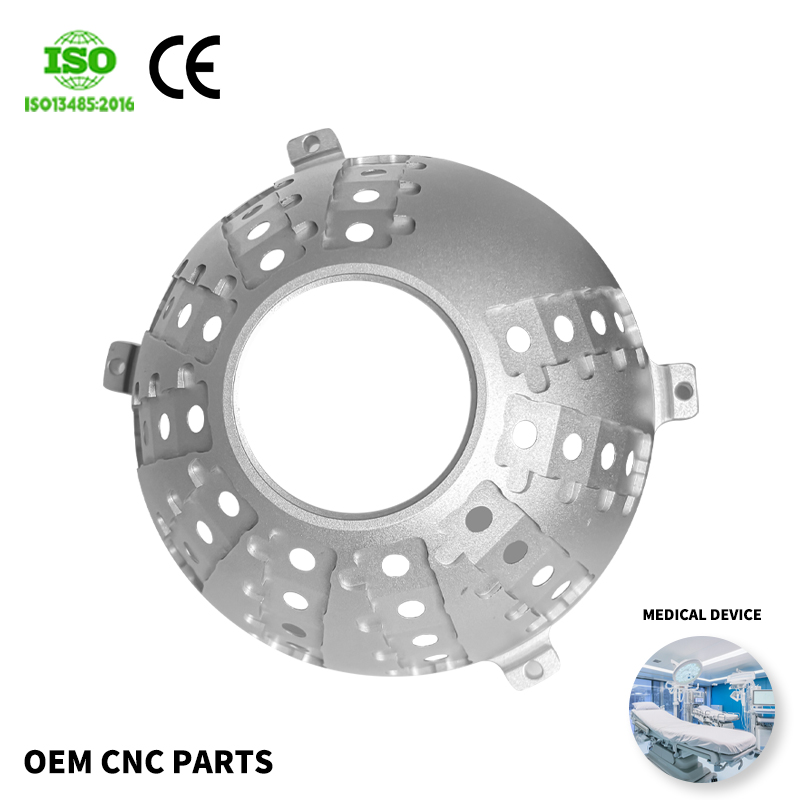
The cnc milling process is a sophisticated computer-controlled manufacturing technique that removes material from a workpiece using rotating cutting tools to create precise parts and components. This automated machining method operates on multiple axes, typically three to five, allowing manufacturers to produce complex geometries with exceptional accuracy. The cnc milling process begins with a digital design file that contains detailed instructions for the machine, which then executes predetermined tool paths to shape raw materials such as metal, plastic, or composite materials. The main functions include face milling for flat surfaces, peripheral milling for contours and slots, drilling operations for holes, and complex three-dimensional sculpting for intricate shapes. Technological features of the cnc milling process encompass high-speed spindles capable of thousands of revolutions per minute, precision ball screws for accurate positioning, advanced cooling systems to maintain optimal cutting temperatures, and real-time monitoring capabilities that ensure consistent quality throughout production runs. Modern CNC milling machines incorporate sophisticated software that optimizes tool paths, reduces cycle times, and minimizes material waste. Applications span numerous industries including aerospace for turbine components, automotive for engine blocks and transmission housings, medical device manufacturing for surgical instruments, electronics for heat sinks and enclosures, and mold making for injection molding dies. The cnc milling process serves both prototyping needs and high-volume production requirements, making it an indispensable manufacturing solution for businesses seeking precision, repeatability, and efficiency in their production operations.

New Product Releases

Choosing the cnc milling process delivers substantial practical benefits that directly impact your bottom line and product quality. First, you gain remarkable precision with tolerances achievable down to 0.001 inches, ensuring every part meets exact specifications without costly rework or rejection. This accuracy translates to better-fitting assemblies, reduced waste, and enhanced product performance that satisfies demanding customers. The automated nature of the cnc milling process dramatically reduces labor costs since one operator can oversee multiple machines simultaneously, while the consistent quality eliminates the variability inherent in manual machining. You benefit from exceptional repeatability, meaning the ten-thousandth part matches the first identically, which is critical for maintaining brand reputation and meeting regulatory standards. Production speed represents another significant advantage, as the cnc milling process operates continuously with minimal downtime, accelerating time-to-market for new products and fulfilling orders faster than traditional methods. Material versatility allows you to work with aluminum, steel, titanium, plastics, and exotic alloys using the same equipment, providing operational flexibility without additional capital investment. The cnc milling process excels in creating complex geometries that would be impossible or prohibitively expensive through conventional machining, opening new design possibilities for innovative products. Safety improvements protect your workforce since operators maintain distance from cutting operations, reducing workplace accidents and associated costs. Programming flexibility means design changes can be implemented quickly by modifying digital files rather than retooling entire production lines, allowing rapid response to market demands. For businesses evaluating manufacturing options, the cnc milling process offers a compelling combination of quality assurance, cost efficiency, production capability, and competitive advantage that supports long-term growth and profitability.

Practical Tips

Future Trends in CNC Machining Precision Parts: What to Expect

26

Nov

Future Trends in CNC Machining Precision Parts: What to Expect

Global CNC Machining Market Growth and Projections Current Valuation and Forecasted Expansion (2023-2030) The global CNC machining market is projected to undergo significant growth, building upon its current valuation of approximately $55.1 billion ...
View More
How to Choose Between CNC Turning, Milling, and 5-Axis for Your Part

06

Jan

How to Choose Between CNC Turning, Milling, and 5-Axis for Your Part

Manufacturing precision components requires careful consideration of machining processes, with CNC turning milling 5-axis representing the three fundamental approaches to modern subtractive manufacturing. Each method offers distinct advantages and li...
View More
CNC Solutions for High-End Industries: Medical and Semiconductor Cases

06

Jan

CNC Solutions for High-End Industries: Medical and Semiconductor Cases

The precision manufacturing landscape has evolved dramatically over recent decades, with 5-axis CNC machined custom parts becoming the cornerstone of advanced industrial applications. Industries such as medical device manufacturing and semiconductor ...
View More
CNC Machining Process Guide: Turning, Milling, and 5-Axis Explained

06

Feb

CNC Machining Process Guide: Turning, Milling, and 5-Axis Explained

Modern manufacturing relies heavily on precision engineering and automated production techniques. CNC machining stands at the forefront of this technological revolution, transforming raw materials into complex components with exceptional accuracy. Fr...
View More

Get a Free Quote

Our representative will contact you soon.
Email
Name
Company Name
Message
0/1000

cnc milling process

Unmatched Precision and Consistency

Unmatched Precision and Consistency

The cnc milling process stands out for its ability to maintain incredibly tight tolerances across unlimited production runs, delivering precision that manual operations simply cannot match. Advanced servo motors and feedback systems constantly monitor and adjust positioning in real-time, ensuring cutting tools follow programmed paths with microscopic accuracy. This technological sophistication means dimensional variations remain within fractions of a millimeter, critical for industries like aerospace and medical devices where safety depends on exact specifications. Beyond initial accuracy, the cnc milling process provides remarkable consistency by eliminating human error and fatigue factors that compromise quality in traditional machining. Each component emerges virtually identical to the last, whether you are producing ten parts or ten thousand, maintaining the same exacting standards throughout the entire production cycle. This reliability reduces inspection requirements, minimizes scrap rates, and builds customer confidence in your products. Quality control becomes more predictable and manageable, allowing you to guarantee performance specifications with certainty. The precision capabilities of the cnc milling process also enable tighter assembly tolerances, resulting in better-functioning final products with improved performance characteristics and extended service life that differentiate your offerings in competitive markets.
Complex Geometry Capabilities

Complex Geometry Capabilities

The cnc milling process excels at producing intricate three-dimensional shapes and complex features that would be extremely difficult, time-consuming, or impossible to create using conventional machining methods. Multi-axis capabilities allow cutting tools to approach workpieces from virtually any angle, creating undercuts, compound curves, and detailed surface textures in a single setup. This geometric freedom empowers designers and engineers to optimize parts for performance rather than manufacturing limitations, leading to lighter components, improved fluid dynamics, better ergonomics, and enhanced aesthetic appeal. The ability to machine complex geometries in one operation reduces the need for multiple setups and secondary processes, which not only saves time but also improves accuracy by eliminating cumulative positioning errors that occur when parts are moved between machines. Consolidating multiple features into single components through the cnc milling process can reduce assembly requirements, decrease part counts, lower inventory costs, and simplify supply chain management. Industries benefit tremendously from this capability when producing items like turbine blades with twisted airfoil sections, medical implants with anatomically matched contours, or mold cavities with intricate cooling channels. The design flexibility enabled by the cnc milling process encourages innovation and allows manufacturers to differentiate products through superior functionality and distinctive features that competitors using traditional methods cannot easily replicate.
Cost-Effective Scalability

Cost-Effective Scalability

The cnc milling process provides exceptional value across production volumes from single prototypes to thousands of units, offering economic advantages at every scale. Initial programming investment gets distributed across production quantities, making per-unit costs decrease as volume increases while maintaining the flexibility to run small batches economically when needed. This scalability proves invaluable for businesses managing varied production requirements, seasonal demand fluctuations, or custom orders alongside standard products. Rapid changeover capabilities mean switching between different parts requires only loading new programs rather than extensive mechanical retooling, minimizing downtime and maximizing equipment utilization rates. The cnc milling process reduces indirect costs through lower defect rates, decreased material waste from optimized tool paths, and minimal rework requirements, contributing to healthier profit margins. Automation reduces dependency on specialized manual machinists who command premium wages and may be difficult to recruit, addressing workforce challenges while maintaining production capacity. Energy efficiency in modern CNC equipment and optimized cutting parameters lower operating expenses compared to older manufacturing methods. Long-term cost benefits include extended tool life through programmed optimal cutting conditions, predictable maintenance schedules, and equipment longevity that protects capital investments. For businesses evaluating manufacturing strategies, the cnc milling process delivers financial advantages through operational efficiency, quality assurance, production flexibility, and reduced total cost of ownership that support sustainable profitability and competitive pricing strategies in demanding markets.

Get a Free Quote

Our representative will contact you soon.
Email
Name
Company Name
Message
0/1000

Copyright © 2026 China Shanghai Raycool Industrial Co., Ltd. All rights reserved  -  Privacy policy