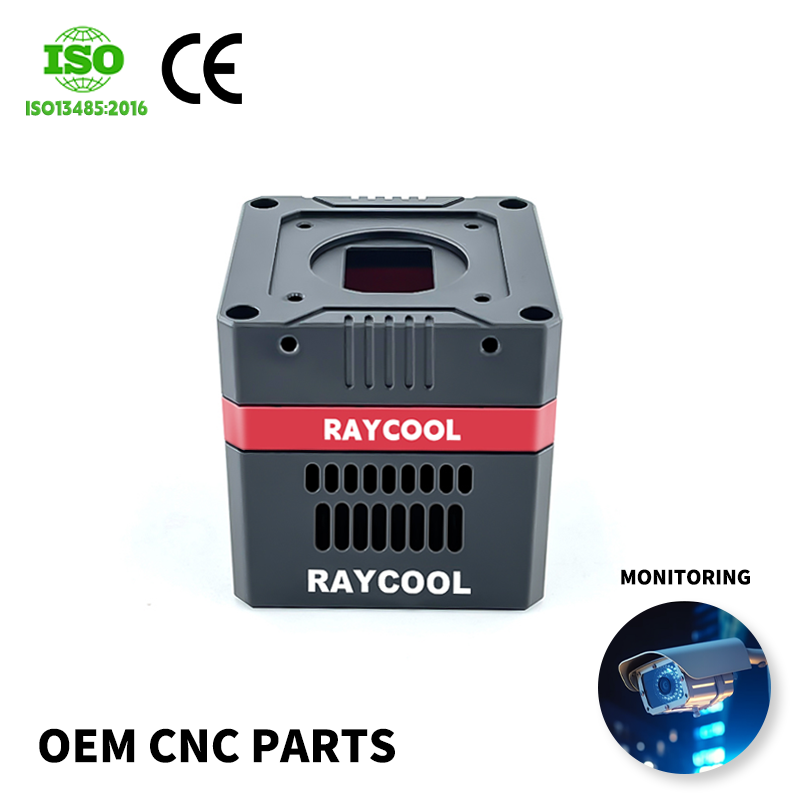
Component Machining Services | Precision Parts

component machining

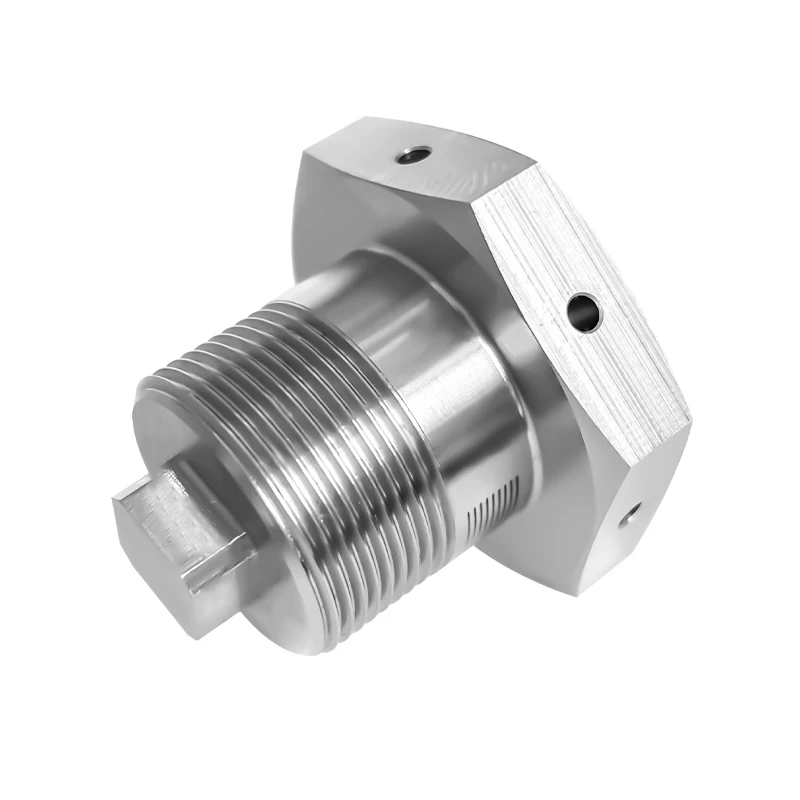
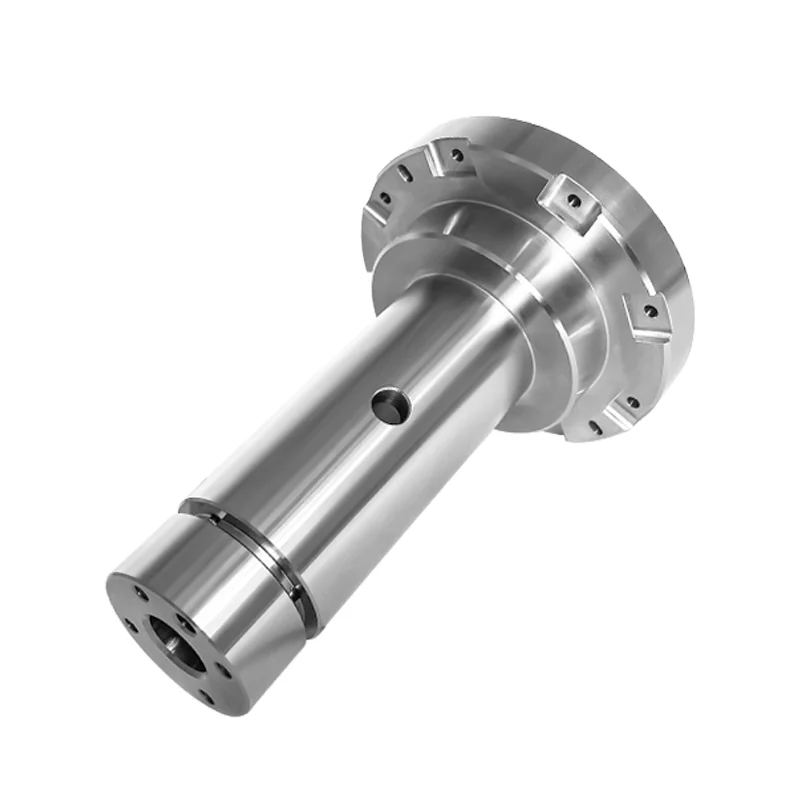
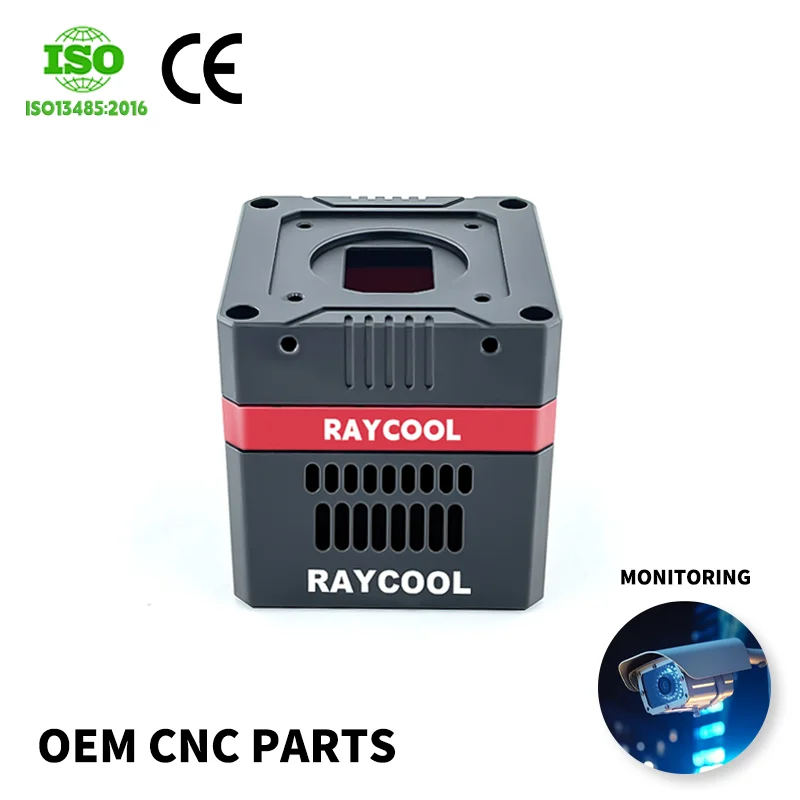
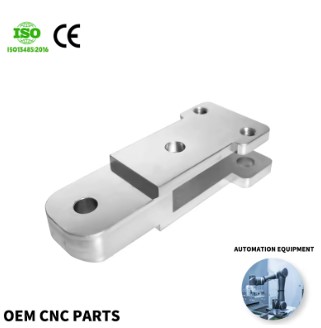
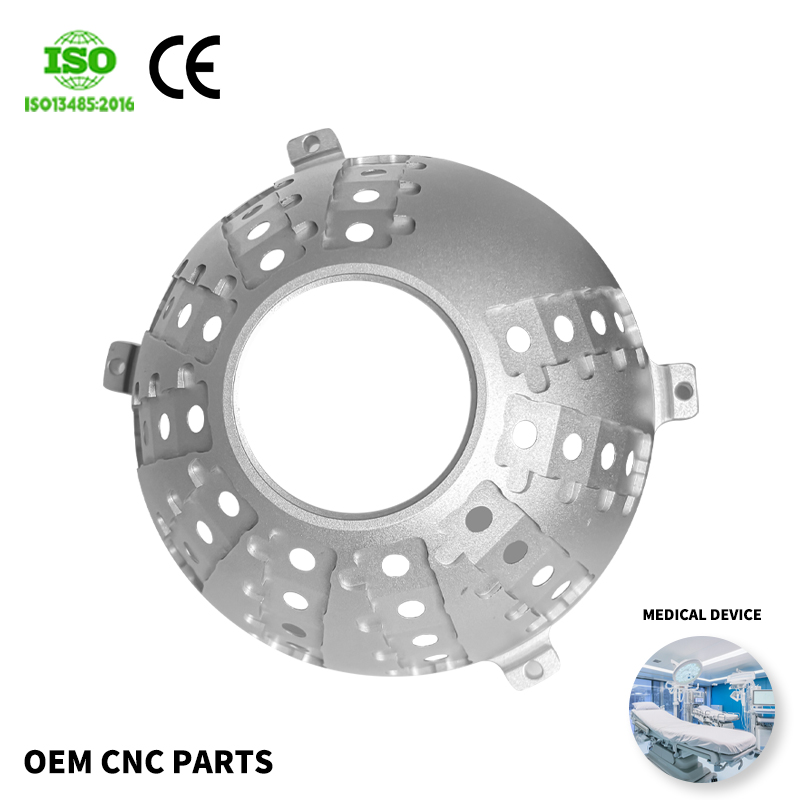
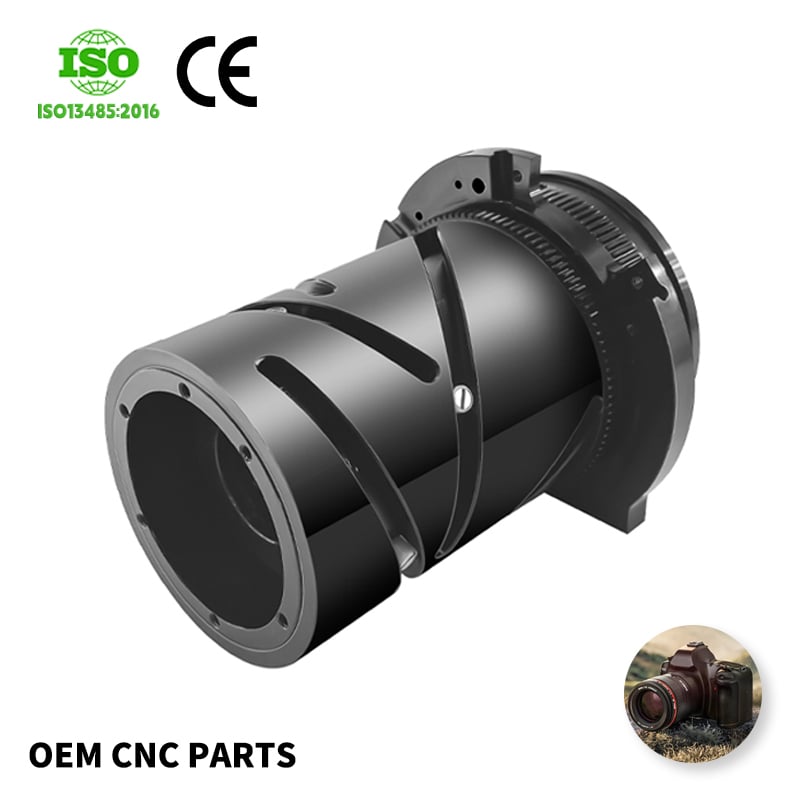
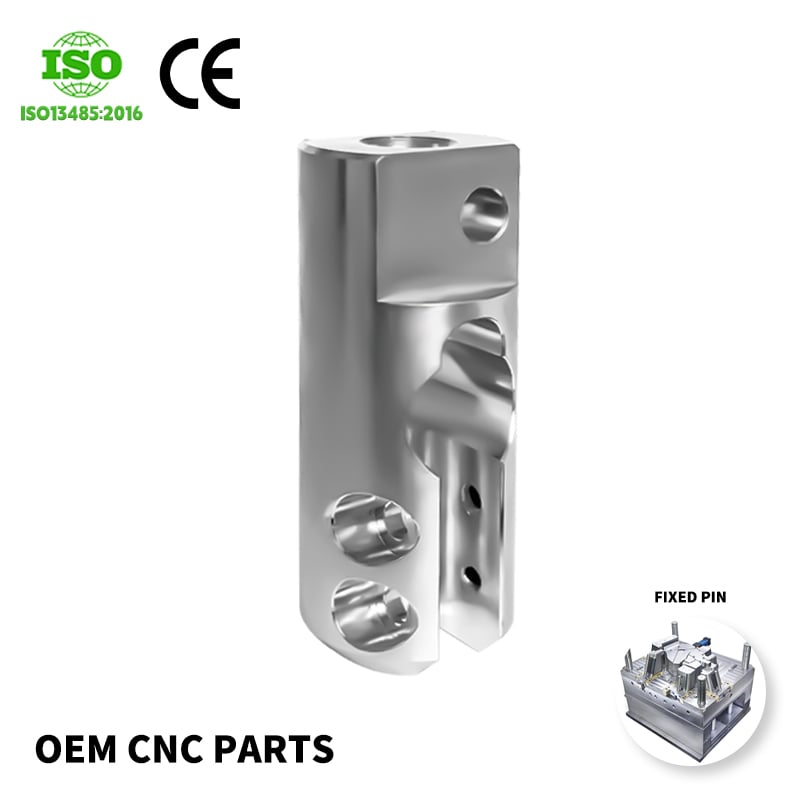
Component machining is a precision manufacturing process that transforms raw materials into finished parts through controlled material removal techniques. This essential industrial process utilizes advanced machinery such as CNC mills, lathes, grinders, and drilling equipment to create components with exact specifications and tight tolerances. Component machining serves as the backbone of modern manufacturing, enabling the production of parts ranging from simple brackets to complex aerospace components. The process encompasses various techniques including turning, milling, drilling, boring, and grinding, each selected based on the part geometry, material properties, and required precision levels. Modern component machining integrates computer numerical control technology, allowing manufacturers to achieve repeatability and consistency across production runs. This manufacturing method accommodates diverse materials including metals like aluminum, steel, titanium, and brass, as well as engineering plastics and composites. Industries such as automotive, aerospace, medical devices, electronics, and industrial equipment rely heavily on component machining for their critical parts production. The process offers exceptional dimensional accuracy, typically achieving tolerances within micrometers, making it indispensable for applications demanding precise fitment and functionality. Component machining supports both prototype development and high-volume production, providing flexibility for manufacturers at different production stages. The technological advancement in component machining continues to evolve with multi-axis machining centers, automated tool changers, and real-time quality monitoring systems enhancing productivity and part quality.

Popular Products

Component machining delivers substantial cost savings by minimizing material waste through precise cutting strategies and optimized tool paths. Manufacturers benefit from reduced production time as modern CNC equipment operates continuously with minimal supervision, maximizing throughput while maintaining consistent quality standards. The versatility of component machining allows businesses to produce diverse part geometries without expensive tooling changes, unlike casting or forging processes that require dedicated molds for each design. This flexibility proves particularly valuable when adapting to design modifications or producing small batch quantities economically. Quality assurance becomes inherently stronger with component machining since digital controls eliminate human error and ensure each part matches exact specifications repeatedly. Companies experience faster time-to-market as component machining supports rapid prototyping, enabling engineers to test and refine designs before committing to full production runs. The process accommodates complex geometries including internal features, threads, and intricate surface contours that alternative manufacturing methods struggle to achieve. Buyers gain access to superior surface finishes directly from machining operations, often eliminating secondary finishing processes and associated costs. Component machining supports just-in-time manufacturing strategies, allowing businesses to maintain lean inventory levels while responding quickly to customer demands. The technology scales effectively from single prototype parts to thousands of production units without compromising dimensional accuracy or mechanical properties. Manufacturers appreciate the material efficiency as component machining produces parts with optimal strength-to-weight ratios by removing only necessary material. The process integrates seamlessly with quality control systems, enabling real-time inspection and statistical process control for continuous improvement. Investment in component machining equipment delivers long-term value through durability, upgradability, and compatibility with evolving manufacturing software platforms.

Latest News

The Global Impact of Custom CNC Machining

26

Nov

The Global Impact of Custom CNC Machining

Economic Transformation Through CNC Automation Global Market Growth and Projections The CNC automation market is on a promising growth trajectory, with projections indicating it will reach $140.78 billion by 2028, marking a compound annual growth ra...
View More
Choosing CNC Aluminium Parts for Research and Development

26

Nov

Choosing CNC Aluminium Parts for Research and Development

Why CNC Aluminium Parts Excel in Research and Development Superior Strength-to-Weight Ratio for Prototyping CNC aluminium parts are crucial for creating lightweight prototypes that maintain strength and durability. Their exceptional strength-to-weig...
View More
How to Machine Aluminum Alloys for High-Precision Industrial Parts

05

Dec

How to Machine Aluminum Alloys for High-Precision Industrial Parts

Aluminum alloy machining has become an essential process in modern manufacturing, particularly for industries requiring lightweight yet durable components. The unique properties of aluminum alloys make them ideal for applications ranging from aerospa...
View More
5-Axis Machining Advantages for Complex Parts and Precision Manufacturing

06

Feb

5-Axis Machining Advantages for Complex Parts and Precision Manufacturing

Modern manufacturing demands have pushed the boundaries of traditional machining methods, leading to revolutionary advances in precision engineering. 5-Axis Machining has emerged as the gold standard for producing complex geometries and intricate com...
View More

Get a Free Quote

Our representative will contact you soon.
Email
Name
Company Name
Message
0/1000

component machining

Precision Engineering Excellence

Precision Engineering Excellence

Component machining stands unmatched in delivering microscopic precision that critical applications demand across aerospace, medical, and electronics industries. Modern multi-axis machining centers achieve tolerances as tight as plus or minus five micrometers, ensuring perfect fitment in assemblies where even minor deviations cause functional failures. This precision capability stems from rigid machine construction, advanced control algorithms, and temperature-compensated positioning systems that maintain accuracy throughout extended production runs. Engineers specify component machining when designing parts requiring precise bearing surfaces, sealing interfaces, or mounting locations where dimensional accuracy directly impacts performance and safety. The process eliminates cumulative errors common in manual operations by maintaining consistent reference points throughout all machining operations. Quality inspection becomes straightforward as coordinate measuring machines verify dimensions against digital models, providing documentation for traceability and certification requirements. Manufacturers leveraging component machining precision reduce assembly time and warranty claims while enhancing product reliability and customer satisfaction across demanding applications.
Material Versatility and Compatibility

Material Versatility and Compatibility

Component machining accommodates an extraordinary range of materials from soft aluminum alloys to hardened tool steels, exotic titanium alloys, and high-temperature superalloys used in extreme environments. This material flexibility empowers designers to select optimal materials based on mechanical properties, corrosion resistance, weight requirements, and thermal characteristics without manufacturing constraints limiting their choices. Advanced cutting tools with specialized coatings and geometries enable efficient machining of difficult materials including stainless steels, Inconel, and fiber-reinforced composites that challenge conventional manufacturing methods. The process maintains material integrity by controlling cutting forces, temperatures, and chip formation, preserving the mechanical properties essential for structural and safety-critical components. Component machining supports material substitution strategies when supply chain disruptions or cost fluctuations necessitate alternative materials with similar performance characteristics. Manufacturers benefit from processing multiple material types on the same equipment, maximizing capital utilization while maintaining expertise across diverse material families. This versatility proves invaluable when serving multiple industries with different material preferences and regulatory requirements for component machining applications.
Scalable Production Capabilities

Scalable Production Capabilities

Component machining provides unmatched scalability, seamlessly transitioning from single prototype parts to full production volumes without retooling or process changes that delay market entry. This scalability advantage stems from digital programming that stores part specifications in software rather than physical tooling, enabling instant production resumption for repeat orders or design iterations. Manufacturers optimize production efficiency by implementing lights-out machining operations where equipment runs unattended during nights and weekends, dramatically increasing capacity without proportional labor cost increases. The technology supports economical low-volume production for specialized applications while maintaining cost competitiveness at higher volumes through cycle time optimization and automation integration. Component machining adapts to demand fluctuations better than alternatives requiring minimum order quantities or long lead times for dedicated tooling fabrication. Businesses reduce inventory carrying costs by producing components on-demand rather than maintaining large safety stocks to buffer against supply uncertainties. This production flexibility allows companies to offer customization options and product variants that differentiate their offerings in competitive markets while maintaining profitability across varying order sizes.

Get a Free Quote

Our representative will contact you soon.
Email
Name
Company Name
Message
0/1000

Copyright © 2026 China Shanghai Raycool Industrial Co., Ltd. All rights reserved  -  Privacy policy