Machining Aerospace Parts | Precision Manufacturing

machining aerospace parts

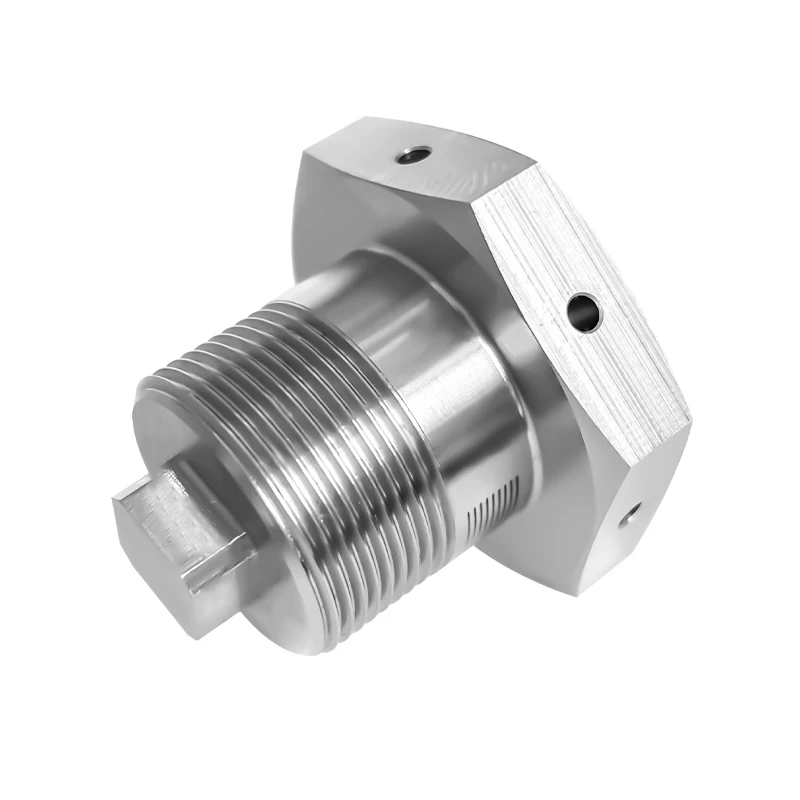
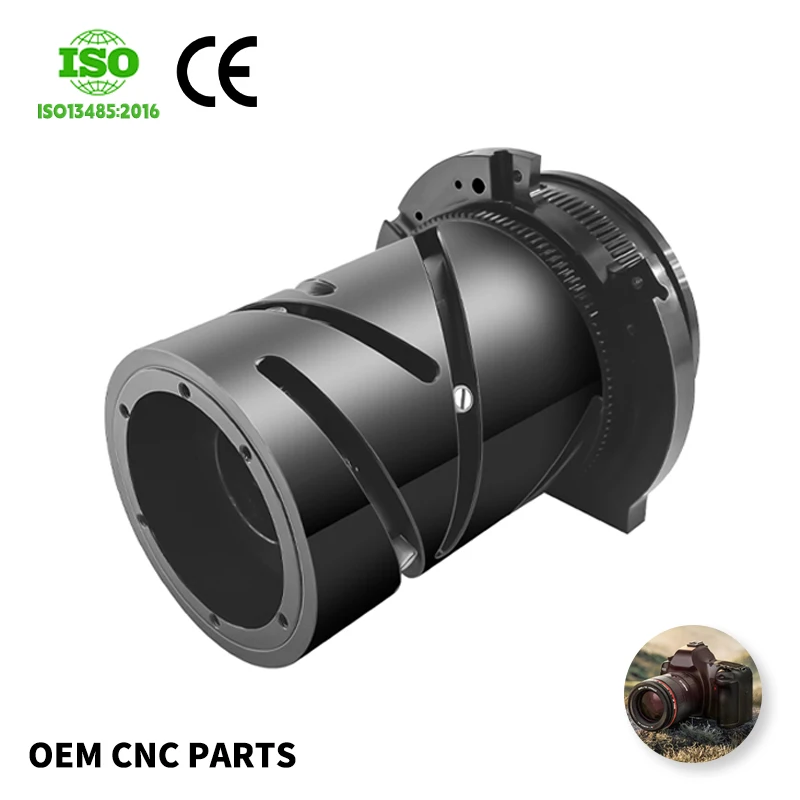
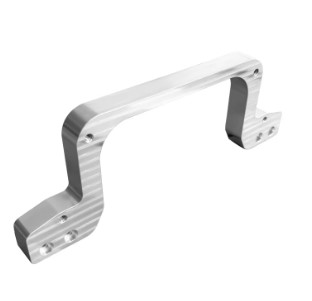
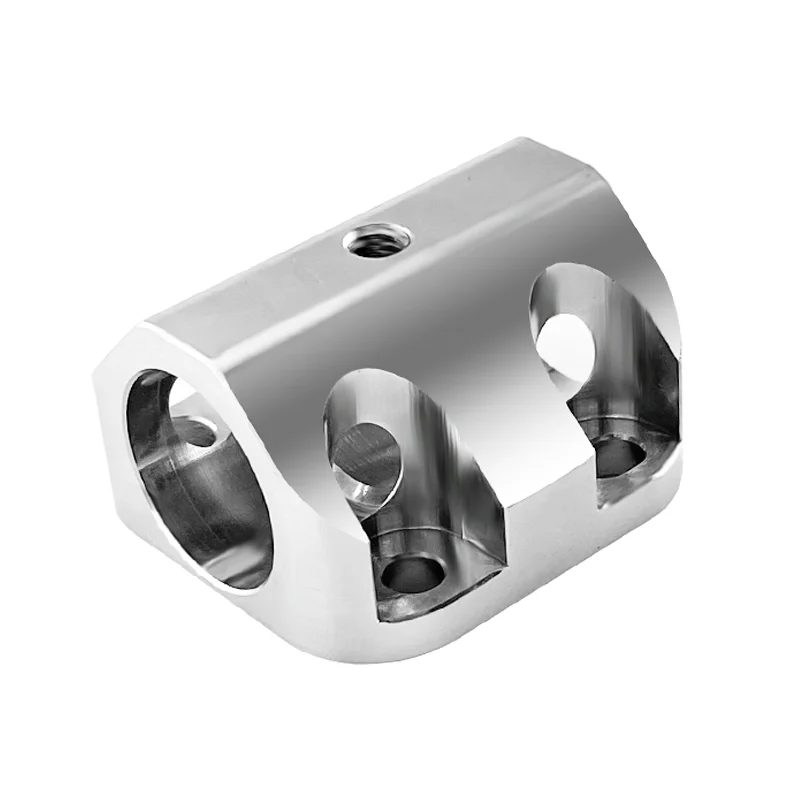
Machining aerospace parts is a specialized manufacturing process that creates high-precision components for aircraft, spacecraft, satellites, and defense systems. This advanced technique involves removing material from metal alloys, composites, and specialized materials using computer numerical control (CNC) equipment, multi-axis milling machines, and precision turning centers. The main functions of machining aerospace parts include producing critical structural elements, engine components, landing gear systems, hydraulic fittings, and intricate assemblies that meet stringent safety and performance standards. Technological features of machining aerospace parts encompass five-axis simultaneous machining capabilities, tight tolerance control within microns, surface finish requirements meeting aerospace specifications, and comprehensive quality verification processes including coordinate measuring machine inspection. The process utilizes materials such as titanium alloys, aluminum aerospace grades, Inconel superalloys, and carbon fiber composites. Applications span commercial aviation where machining aerospace parts creates fuselage brackets and wing components, military aircraft requiring armament systems and stealth technology parts, space exploration demanding lightweight structural members, and satellite systems needing precision-machined housings. The manufacturing methodology incorporates advanced tooling strategies, optimized cutting parameters, and rigorous documentation protocols that ensure traceability and compliance with AS9100 quality management standards, making machining aerospace parts essential for maintaining flight safety and operational reliability across the global aviation industry.

New Product Releases

The primary advantage of machining aerospace parts lies in achieving exceptional dimensional accuracy that ensures perfect fit and function in critical aerospace assemblies, directly reducing assembly time and eliminating costly rework while guaranteeing component interchangeability across production runs. Buyers benefit from extended component lifespan because machining aerospace parts eliminates internal stresses and material defects that compromise structural integrity, resulting in fewer maintenance interventions and lower lifetime ownership costs. Operational benefits include the ability to produce complex geometries with undercuts, internal channels, and intricate features that alternative manufacturing methods cannot achieve, enabling engineers to optimize designs for weight reduction and performance enhancement. The process accommodates small batch production and rapid prototyping, allowing aerospace manufacturers to respond quickly to design modifications and customization requirements without significant tooling investments. Application suitability extends across temperature extremes and demanding environmental conditions because machining aerospace parts maintains material properties and surface characteristics essential for corrosion resistance and fatigue strength. Decision-making becomes straightforward when considering that machining aerospace parts provides full material certification and documented traceability, satisfying regulatory requirements from aviation authorities worldwide. The manufacturing approach supports both legacy aircraft requiring replacement components and next-generation platforms demanding innovative solutions, offering flexibility that protects long-term investment value. Quality consistency remains superior because computer-controlled machining aerospace parts eliminates human variation, producing repeatable results that meet aerospace specifications batch after batch. Cost efficiency emerges through material optimization, where precision machining aerospace parts maximizes usable material yield and minimizes waste, particularly important when working with expensive aerospace-grade alloys and reducing overall project expenditure while maintaining uncompromising quality standards.

Practical Tips

Unlocking Precision: The Power of Custom CNC Machining

26

Nov

Unlocking Precision: The Power of Custom CNC Machining

Precision and Accuracy in Custom CNC Operations Achieving Micron-Level Tolerances Micron-level tolerances are crucial in high-precision industries like aerospace and medical devices, where even minute discrepancies can impact performance and safety....
View More
Surface Finish and Tolerance Control for Aluminum in CNC Fabrication

05

Dec

Surface Finish and Tolerance Control for Aluminum in CNC Fabrication

Modern manufacturing demands exceptional precision, particularly when working with aluminum components that require tight tolerances and superior surface finishes. The aluminum CNC fabrication process has evolved dramatically over recent years, incor...
View More
How to Choose Between CNC Turning, Milling, and 5-Axis for Your Part

06

Jan

How to Choose Between CNC Turning, Milling, and 5-Axis for Your Part

Manufacturing precision components requires careful consideration of machining processes, with CNC turning milling 5-axis representing the three fundamental approaches to modern subtractive manufacturing. Each method offers distinct advantages and li...
View More
When to Choose 5-Axis Machining for High-Tolerance CNC Components?

06

Feb

When to Choose 5-Axis Machining for High-Tolerance CNC Components?

Modern manufacturing demands precision components that meet increasingly stringent specifications across industries from aerospace to medical devices. Traditional 3-axis CNC machining, while effective for many applications, faces limitations when dea...
View More

Get a Free Quote

Our representative will contact you soon.
Email
Name
Company Name
Message
0/1000

machining aerospace parts

Precision Engineering for Flight-Critical Applications

Precision Engineering for Flight-Critical Applications

Machining aerospace parts delivers unparalleled precision engineering essential for flight-critical applications where component failure is not an option. This manufacturing process achieves tolerances as tight as plus or minus 0.0001 inches, ensuring that turbine blades, hydraulic valve bodies, and structural fittings perform exactly as designed under extreme operational stresses. The importance of this precision cannot be overstated, as even microscopic deviations can lead to catastrophic failures at altitude or during high-speed flight operations. Advanced machining aerospace parts utilizes real-time monitoring systems and adaptive control technology that automatically compensates for tool wear and thermal expansion, maintaining dimensional integrity throughout production runs. The value to customers manifests in reduced warranty claims, enhanced safety records, and regulatory compliance that protects brand reputation. Furthermore, precision machining aerospace parts enables weight optimization through thinner walls and refined geometries, directly improving fuel efficiency and payload capacity. This capability translates into measurable operational savings over aircraft service life, making precision-machined components a strategic investment rather than merely a procurement expense for aerospace manufacturers and maintenance organizations.
Material Versatility for Demanding Environments

Material Versatility for Demanding Environments

Machining aerospace parts excels in processing the diverse range of exotic materials required for aerospace applications, from heat-resistant superalloys used in engine hot sections to lightweight titanium structures and composite-metal hybrid assemblies. This material versatility addresses the specific performance demands of different aircraft systems, where engine components must withstand temperatures exceeding 2000 degrees Fahrenheit while structural elements require high strength-to-weight ratios and corrosion resistance in harsh atmospheric conditions. The specialized tooling and cutting strategies employed in machining aerospace parts prevent work hardening, delamination, and thermal damage that compromise material properties, preserving the metallurgical characteristics essential for component reliability. Customers gain the ability to specify optimal materials for each application without manufacturing constraints limiting design choices, enabling engineers to push performance boundaries and achieve competitive advantages. The process accommodates emerging materials including ceramic matrix composites and additive-manufactured preforms that require finish machining, positioning organizations at the forefront of aerospace innovation. This adaptability future-proofs manufacturing capabilities, ensuring that investments in machining aerospace parts remain relevant as material science advances and new aerospace platforms demand increasingly sophisticated component solutions.
Quality Assurance and Regulatory Compliance

Quality Assurance and Regulatory Compliance

Machining aerospace parts incorporates comprehensive quality assurance protocols and regulatory compliance measures that provide customers with complete confidence in component airworthiness and documentation integrity. Every stage of machining aerospace parts follows detailed work instructions, material certifications, and inspection procedures that create full traceability from raw material receipt through final delivery, satisfying Federal Aviation Administration, European Union Aviation Safety Agency, and military specification requirements. The importance of this systematic approach extends beyond regulatory compliance to risk mitigation, protecting manufacturers from liability exposure and operational disruptions caused by defective components. Advanced inspection technologies including laser scanning, ultrasonic testing, and X-ray fluorescence verification are integrated within machining aerospace parts workflows, detecting subsurface defects and material inconsistencies before components enter service. Customers receive certified inspection reports, first article inspection documentation, and ongoing statistical process control data that demonstrate capability and consistency, streamlining qualification processes and accelerating time-to-market for new aircraft programs. This quality infrastructure embedded in machining aerospace parts reduces supply chain uncertainty and establishes reliable partnerships between component suppliers and aircraft manufacturers, creating value through predictable delivery, zero-defect performance, and responsive technical support throughout product lifecycles.

Get a Free Quote

Our representative will contact you soon.
Email
Name
Company Name
Message
0/1000

Copyright © 2026 China Shanghai Raycool Industrial Co., Ltd. All rights reserved  -  Privacy policy