Medical CNC Machining Solutions | Precision Parts

medical cnc machining

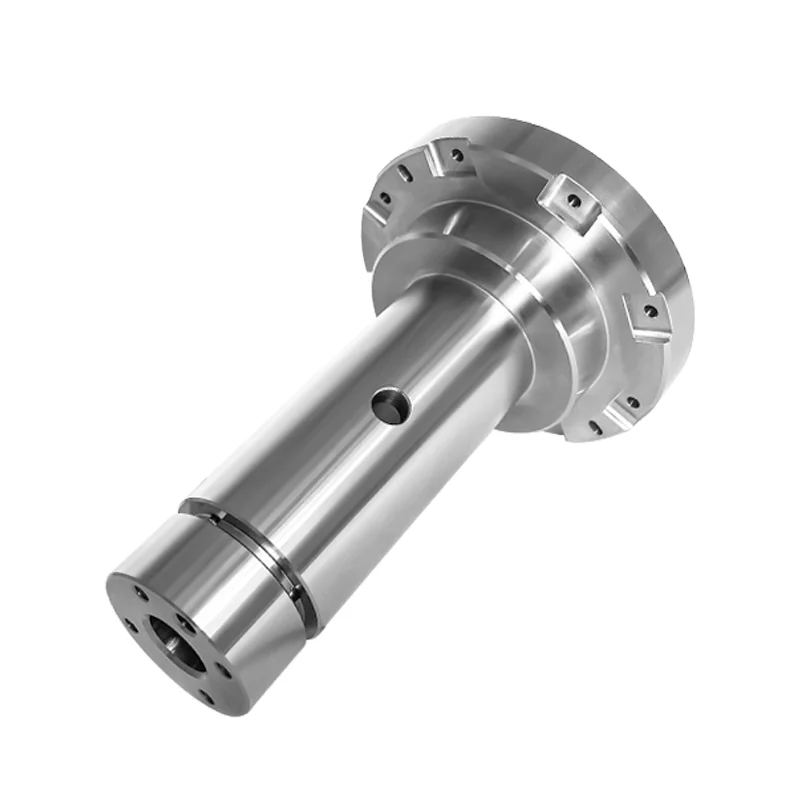
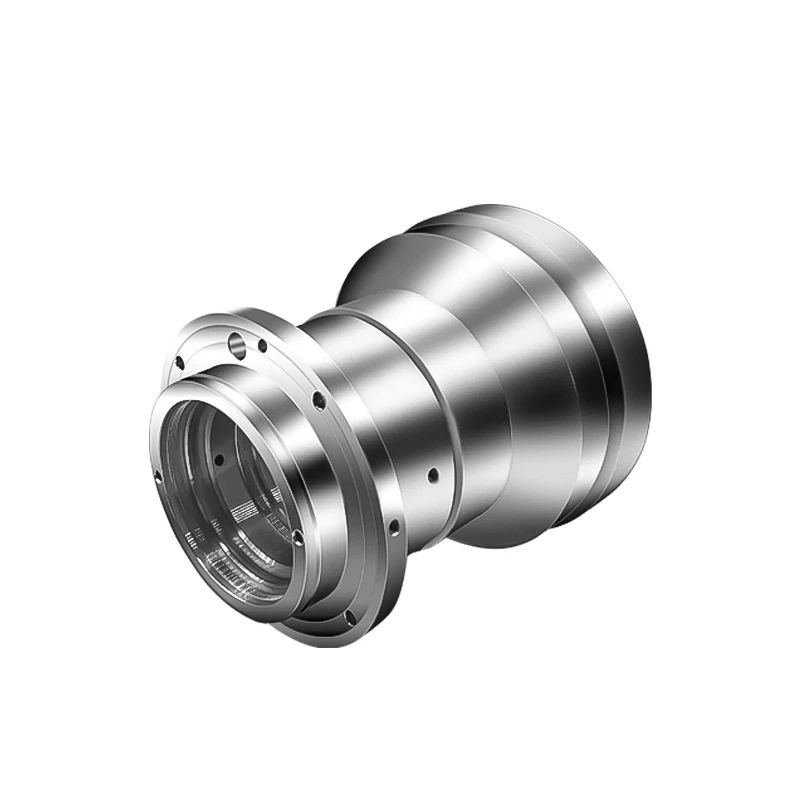
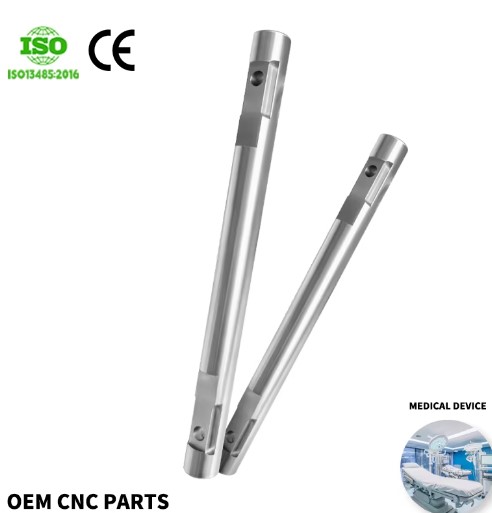
Medical CNC machining represents a transformative manufacturing process that leverages computer numerical control technology to produce precision medical components and devices with exceptional accuracy. This advanced manufacturing method has become indispensable in the healthcare industry, where the smallest deviation can compromise patient safety and treatment effectiveness. Medical CNC machining utilizes sophisticated computer-controlled equipment to remove material from medical-grade substrates, creating intricate parts that meet stringent regulatory standards and biocompatibility requirements. The technology encompasses various machining operations including milling, turning, drilling, and grinding, all executed with micrometer-level precision. Healthcare manufacturers rely on medical CNC machining to produce surgical instruments, orthopedic implants, dental components, diagnostic equipment parts, and prosthetic devices. The process accommodates diverse medical-grade materials such as titanium alloys, stainless steel, PEEK polymers, and biocompatible plastics, each selected for specific clinical applications. Modern medical CNC machining centers feature multi-axis capabilities, enabling the production of complex geometries that traditional manufacturing methods cannot achieve. The integration of CAD/CAM software ensures seamless translation from digital designs to physical components, while real-time monitoring systems guarantee consistent quality throughout production runs. This manufacturing approach supports both prototype development and high-volume production, making it versatile for medical device companies of all sizes. With increasing demand for personalized medical solutions and minimally invasive surgical tools, medical CNC machining continues to evolve, incorporating automation and artificial intelligence to enhance precision and efficiency.

New Products

Choosing medical CNC machining delivers tangible benefits that directly impact your product quality, operational efficiency, and market competitiveness. The unparalleled precision of medical CNC machining ensures that every component meets exact specifications, reducing rejection rates and minimizing costly material waste. This accuracy translates to improved patient outcomes, as medical devices function reliably and consistently. The technology offers remarkable flexibility, allowing you to manufacture small prototype batches or scale up to mass production without significant equipment changes, protecting your investment while adapting to market demands. Medical CNC machining accelerates time-to-market by streamlining the transition from design concept to finished product, giving you competitive advantages in the fast-paced medical device industry. The process supports complex geometries and tight tolerances that manual machining simply cannot replicate, expanding your design possibilities and enabling innovation in medical device development. Material efficiency is another significant advantage, as medical CNC machining optimizes cutting paths to reduce waste of expensive medical-grade materials, lowering production costs without compromising quality. The automated nature of medical CNC machining reduces human error and ensures repeatability across thousands of identical parts, essential for regulatory compliance and quality assurance. You gain complete traceability throughout the manufacturing process, with digital records documenting every machining parameter for FDA and ISO certification requirements. The capability to work with diverse biocompatible materials provides design freedom to select the optimal substrate for each specific medical application. Reduced lead times mean faster response to clinical needs and market opportunities, while consistent quality builds trust with healthcare providers and regulatory agencies. Medical CNC machining also minimizes secondary finishing operations, as parts emerge from the machine with superior surface finishes and dimensional accuracy, reducing overall production time and costs.

Tips And Tricks

Future Trends in Custom CNC Machining: What to Expect

26

Nov

Future Trends in Custom CNC Machining: What to Expect

AI and Machine Learning Revolutionizing Custom CNC Machining Adaptive Machining Processes for Custom CNC Parts AI is playing a pivotal role in revolutionizing custom CNC machining through adaptive processes. By leveraging AI algorithms, CNC machines...
View More
Best Practices for Machining Titanium Alloy Components in Precision Manufacturing

05

Dec

Best Practices for Machining Titanium Alloy Components in Precision Manufacturing

Titanium alloys have become indispensable materials in precision manufacturing, particularly in aerospace, medical, and automotive industries where exceptional strength-to-weight ratios and corrosion resistance are paramount. The unique properties of...
View More
Surface Finish and Tolerance Control for Aluminum in CNC Fabrication

05

Dec

Surface Finish and Tolerance Control for Aluminum in CNC Fabrication

Modern manufacturing demands exceptional precision, particularly when working with aluminum components that require tight tolerances and superior surface finishes. The aluminum CNC fabrication process has evolved dramatically over recent years, incor...
View More
5-Axis Machining Advantages for Complex Parts and Precision Manufacturing

06

Feb

5-Axis Machining Advantages for Complex Parts and Precision Manufacturing

Modern manufacturing demands have pushed the boundaries of traditional machining methods, leading to revolutionary advances in precision engineering. 5-Axis Machining has emerged as the gold standard for producing complex geometries and intricate com...
View More

Get a Free Quote

Our representative will contact you soon.
Email
Name
Company Name
Message
0/1000

medical cnc machining

Unmatched Precision for Critical Medical Applications

Unmatched Precision for Critical Medical Applications

Medical CNC machining delivers precision levels that are absolutely critical in healthcare manufacturing, where even microscopic variations can affect device performance and patient safety. Modern medical CNC machining equipment achieves tolerances as tight as plus or minus 0.0001 inches, ensuring that implants fit perfectly, surgical instruments perform flawlessly, and diagnostic components function reliably. This extraordinary accuracy eliminates the guesswork and inconsistency associated with manual manufacturing methods. The computer-controlled nature of medical CNC machining means that the first part produced is virtually identical to the thousandth part, providing the repeatability essential for regulatory approval and clinical confidence. Multi-axis machining capabilities enable the creation of complex anatomical contours and intricate features that match patient-specific requirements, supporting the growing trend toward personalized medicine. Advanced measurement systems integrated into medical CNC machining centers provide real-time verification, catching potential deviations before they become costly problems. This precision extends across all medical-grade materials, from hard titanium alloys used in joint replacements to delicate polymers in catheter components, ensuring optimal performance regardless of substrate choice.
Enhanced Material Compatibility and Biocompatibility

Enhanced Material Compatibility and Biocompatibility

Medical CNC machining excels in processing the specialized materials required for healthcare applications, accommodating the unique properties of biocompatible substances that conventional manufacturing struggles to handle. The technology successfully machines medical-grade titanium and its alloys, which offer excellent strength-to-weight ratios and osseointegration properties essential for orthopedic and dental implants. Medical CNC machining also processes stainless steel variants specifically formulated for surgical instruments, maintaining sharp cutting edges and corrosion resistance. Advanced polymers like PEEK, which provide radiolucency for imaging compatibility and chemical resistance, are efficiently machined to create spinal implants and cranial plates. The controlled cutting parameters in medical CNC machining prevent material degradation, overheating, and contamination that could compromise biocompatibility. Specialized cutting tools and coolant systems preserve the integrity of sensitive medical materials throughout the manufacturing process. This material versatility allows medical device designers to select the optimal substrate based on clinical requirements rather than manufacturing limitations, fostering innovation in treatment solutions. Medical CNC machining handles both rigid and flexible materials, supporting diverse applications from bone screws to flexible catheter components within a single manufacturing platform.
Regulatory Compliance and Quality Assurance Built-In

Regulatory Compliance and Quality Assurance Built-In

Medical CNC machining inherently supports the rigorous documentation and quality standards mandated by healthcare regulators, providing manufacturers with confidence in their compliance efforts. The digital nature of medical CNC machining creates comprehensive audit trails that record every machining parameter, tool change, and quality checkpoint, essential evidence for FDA submissions and ISO 13485 certification. Automated inspection systems integrated with medical CNC machining equipment perform in-process verification, detecting dimensional deviations immediately rather than discovering problems after entire production runs are completed. This proactive quality control reduces scrap rates and accelerates validation protocols. Medical CNC machining facilities can maintain cleanroom environments more easily than manual shops, as enclosed machining centers minimize contamination risks and particle generation. The process validation required for medical device manufacturing becomes more straightforward with medical CNC machining, as the elimination of human variables creates predictable, documentable outcomes. Traceability extends to raw material lots, tool life cycles, and environmental conditions, providing complete genealogy for every manufactured component. This built-in quality infrastructure reduces the burden on quality assurance teams while simultaneously improving product reliability and safety, ultimately protecting both patients and manufacturers from quality-related incidents.

Get a Free Quote

Our representative will contact you soon.
Email
Name
Company Name
Message
0/1000

Copyright © 2026 China Shanghai Raycool Industrial Co., Ltd. All rights reserved  -  Privacy policy